Energy efficiency, compliance, and occupant comfort are becoming increasingly important in modern facilities management. One of the most effective ways to address all three is through commercial building lighting audits, which assess how lighting systems perform across an entire property.
For commercial property owners, facility managers, and property developers, lighting audits provide clear insights into energy usage, cost-saving opportunities, and compliance gaps. Understanding how these audits work helps decision-makers prioritise upgrades that deliver measurable returns.
What are commercial building lighting audits?
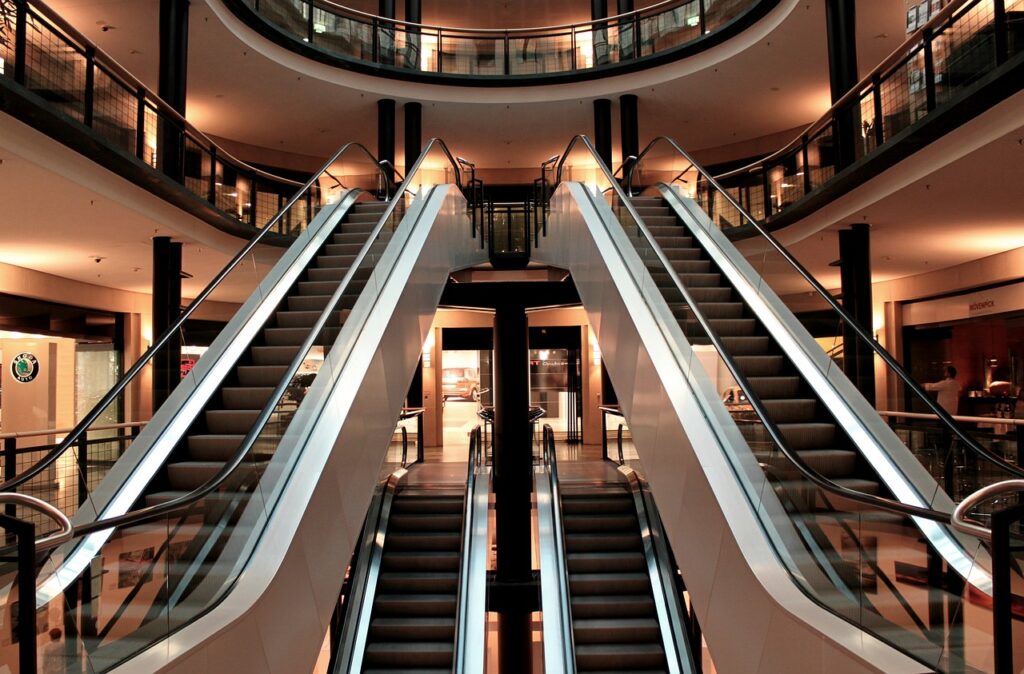
Commercial building lighting audits are structured assessments of all lighting systems within a commercial property. This includes interior and exterior lighting, control systems, emergency lighting, and compliance-related installations.
The audit evaluates energy consumption, lighting efficiency, illumination levels, operating hours, and maintenance requirements. The goal is to identify inefficiencies, outdated equipment, and opportunities to reduce operating costs while improving lighting performance and safety.
Why lighting audits matter for commercial buildings
Lighting can account for a significant portion of a building’s total energy consumption. In older or poorly managed buildings, inefficient lighting systems often go unnoticed, leading to higher electricity costs and unnecessary carbon emissions.
A lighting audit provides factual, data-driven insights rather than assumptions. It allows property managers to make informed decisions, prioritise upgrades, and justify capital expenditure with clear energy-saving projections and return-on-investment calculations.
Who do commercial building lighting audits apply to?
Commercial building lighting audits are designed for a wide range of property stakeholders, not just large corporations or new developments. Any organisation responsible for managing, operating, or owning a commercial space can benefit from understanding where lighting efficiency, compliance, and performance stand.
Below is a breakdown of who these audits typically apply to and why they matter in each context.
Commercial property owners and landlords
Commercial property owners are among the primary beneficiaries of commercial building lighting audits. Lighting systems directly affect operating costs, property value, and tenant satisfaction. An audit helps owners identify inefficient fittings, excessive energy usage, and outdated infrastructure that may be increasing expenses unnecessarily.
For landlords, lighting audits also support long-term asset management. Efficient, compliant lighting makes buildings more attractive to prospective tenants and can reduce vacancy periods while strengthening sustainability credentials.
Facility and building managers
Facility managers rely on commercial building lighting audits to gain visibility into how lighting systems perform across day-to-day operations. These audits provide data that supports maintenance planning, budgeting, and energy optimisation strategies.
Rather than reacting to failures or complaints, facility managers can use audit findings to implement proactive upgrades, improve lighting quality, and align systems with operational schedules and occupancy patterns.
Retail, office, and mixed-use developments
Retail centres, office parks, and mixed-use buildings often operate extended hours and rely heavily on lighting for safety, productivity, and customer experience. Commercial building lighting audits help these environments balance illumination quality with energy efficiency.
For retail spaces, well-audited lighting enhances product visibility and customer comfort. In office environments, it supports employee wellbeing and productivity while reducing long-term electricity costs.
Industrial and logistics facilities
Warehouses, factories, and logistics hubs typically have high ceilings, specialised lighting requirements, and long operating hours. In these settings, commercial building lighting audits are critical for identifying energy-intensive systems and safety risks.
Audits help ensure that lighting levels meet operational standards while highlighting opportunities for LED retrofits, zoning, and automation that can deliver substantial cost savings.
Organisations focused on compliance and sustainability
Businesses pursuing energy efficiency targets, environmental certifications, or regulatory compliance also rely on commercial building lighting audits. These audits provide documented evidence of performance and improvement, supporting reporting and audit trails.
For organisations committed to sustainability, lighting audits form a practical starting point for reducing carbon footprints and improving overall building efficiency.
What a commercial lighting audit typically includes
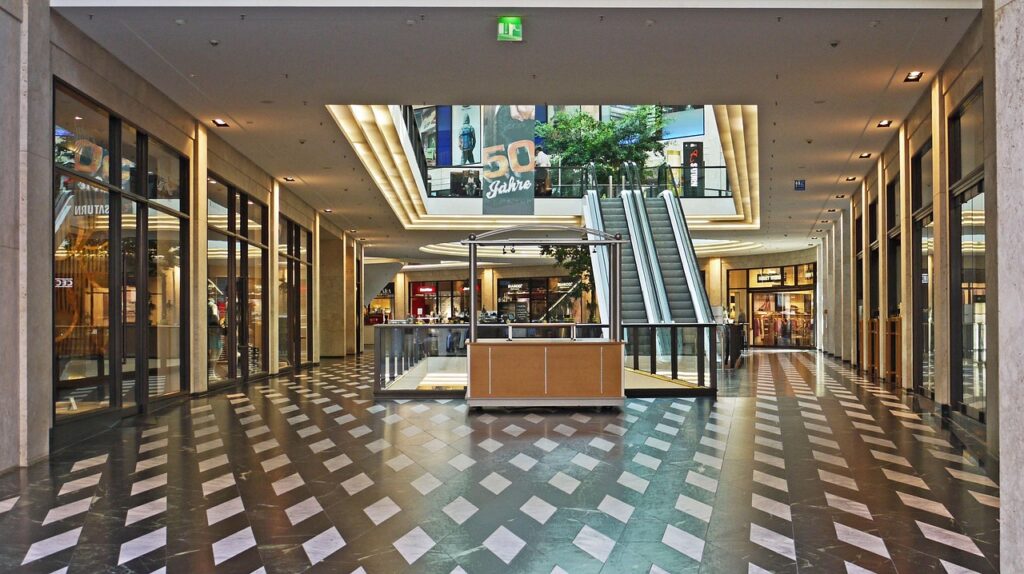
While the exact scope may vary depending on building size and use, most audits cover several core areas:
- Inventory of existing lighting fixtures and lamp types
- Measurement of illumination levels against standards
- Assessment of energy usage and operating schedules
- Review of lighting controls, sensors, and automation
- Evaluation of maintenance costs and failure rates
- Identification of retrofit or LED upgrade opportunities
These findings are usually compiled into a detailed report with actionable recommendations.
Compliance and regulatory considerations
In many regions, lighting systems must comply with energy efficiency standards, occupational health requirements, and emergency lighting regulations. Commercial building lighting audits help identify areas where installations may fall short of current codes.
By addressing compliance issues proactively, building owners reduce legal risk and ensure safer environments for occupants, visitors, and staff. Audits also support broader sustainability reporting and green building certification goals.
Long-term benefits of regular lighting audits
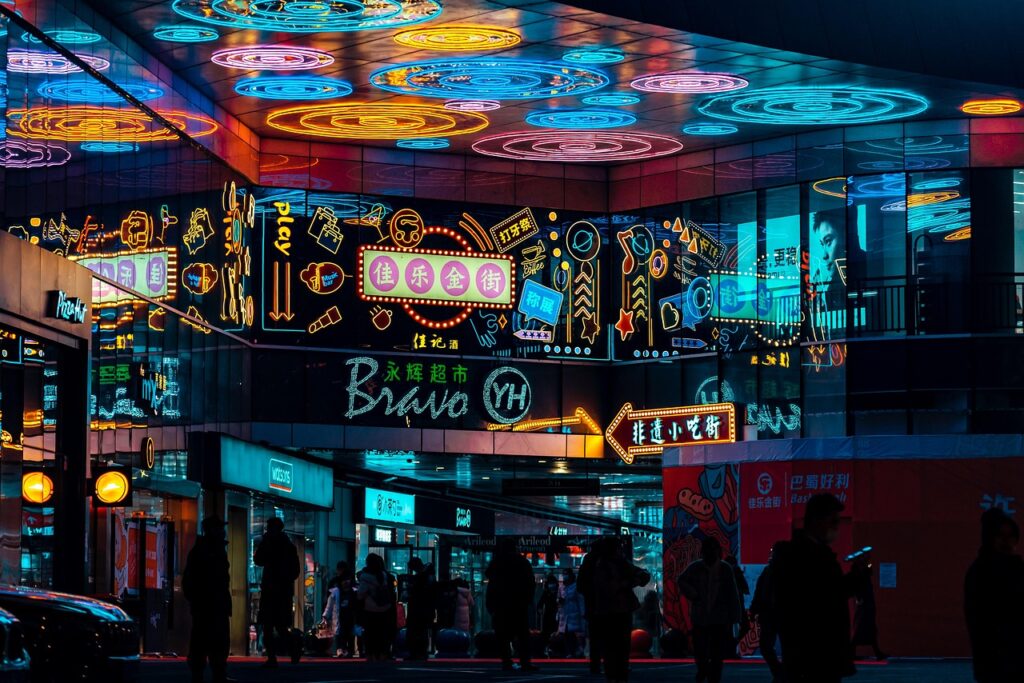
Lighting audits are not just a once-off exercise. When conducted periodically, they help track performance improvements, validate energy-saving initiatives, and adapt systems to changing building usage.
Over time, regular audits contribute to lower operational costs, improved occupant comfort, reduced maintenance demands, and stronger environmental performance. For large or multi-site portfolios, these benefits scale significantly.
A smarter approach to building efficiency
Commercial building lighting audits provide clarity in an area where inefficiencies often hide in plain sight. By understanding how lighting systems perform and where improvements can be made, property stakeholders gain control over energy use, compliance, and long-term costs.
For organisations looking to improve building performance without guesswork, lighting audits are a practical and measurable starting point.