Natural landmarks are among the most valuable environmental and cultural assets in the world. From mountain ranges and national parks to coastal reserves and geological formations, these locations attract visitors, support ecosystems, and contribute to local economies. However, maintaining these environments requires careful and strategic planning that balances access with conservation.
Long-term infrastructure planning for natural landmarks plays a crucial role in protecting these locations while allowing people to experience them responsibly. Without structured planning, visitor pressure, poorly designed facilities, and environmental damage can quickly degrade fragile ecosystems.
In places like Table Mountain in Cape Town, long-term infrastructure planning for natural landmarks ensures that tourism, conservation, and public access can coexist sustainably. By investing in resilient infrastructure, governments and park authorities can protect these areas while maintaining their global appeal for generations to come.
Why infrastructure planning is essential for natural landmarks
Natural landmarks are not static environments. They are dynamic ecosystems affected by weather patterns, erosion, climate change, tourism pressure, and urban development. Infrastructure planning must therefore consider long-term environmental impacts rather than focusing only on immediate visitor needs.
Facilities such as trails, viewing platforms, transport systems, and visitor centres must be designed to handle large volumes of people without damaging surrounding ecosystems. Poorly planned infrastructure can lead to soil erosion, habitat destruction, and pollution that permanently alters natural environments.
Long-term infrastructure planning for natural landmarks also helps prevent overcrowding and safety risks. By designing well-managed access routes, transportation systems, and controlled visitor zones, authorities can reduce environmental stress while improving the overall visitor experience.
When properly implemented, infrastructure planning becomes a key tool in protecting natural heritage while allowing sustainable tourism to flourish.
Table Mountain as a planning case study
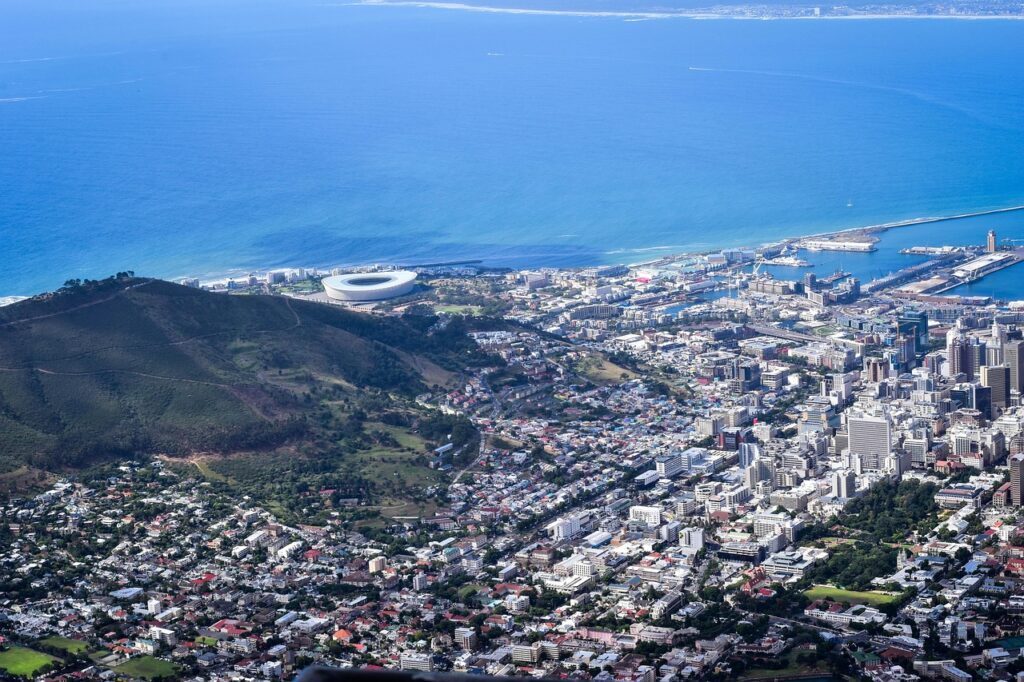
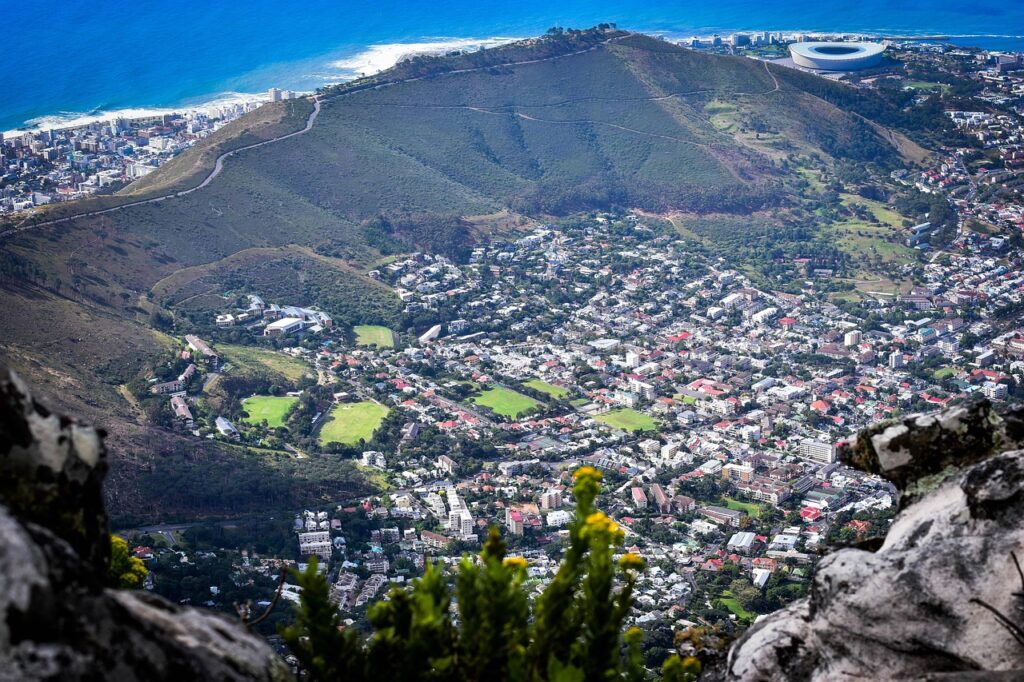
Table Mountain is one of South Africa’s most iconic natural landmarks and a globally recognised UNESCO World Heritage Site. Located within Table Mountain National Park, the mountain attracts millions of visitors each year who come to experience its unique biodiversity, hiking routes, and panoramic views of Cape Town.
Managing such a high-profile destination requires careful long-term infrastructure planning for natural landmarks. The mountain’s ecosystems are extremely sensitive, with hundreds of plant species found nowhere else in the world. Any development must therefore prioritise environmental protection above short-term tourism growth.
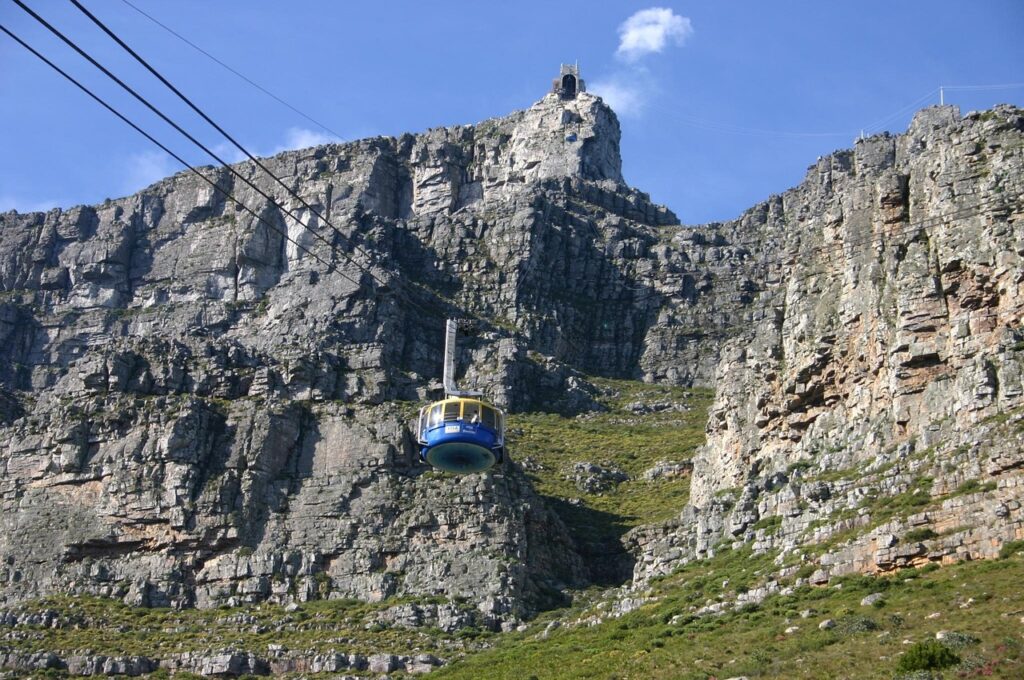
Infrastructure on Table Mountain includes the cableway system, hiking trail networks, visitor facilities, and conservation monitoring stations. These elements must be maintained and upgraded carefully to ensure they remain safe, efficient, and environmentally responsible.
The long-term management strategy for Table Mountain focuses on balancing accessibility with conservation, ensuring that visitors can experience the mountain without compromising its ecological integrity.
Key infrastructure considerations for natural landmark management
Successful long-term infrastructure planning for natural landmarks requires a combination of environmental science, engineering expertise, and sustainable tourism strategies.
Some of the most important infrastructure elements include:
- Sustainable visitor transport systems
- Environmentally sensitive hiking trails and pathways
- Erosion control and land restoration systems
- Renewable energy solutions for park facilities
- Waste management and water conservation systems
- Controlled visitor access zones and viewing platforms
- Monitoring systems for biodiversity and ecosystem health
These infrastructure elements allow park authorities to manage visitor impact while maintaining the natural character of the landmark.
By carefully integrating engineering solutions with conservation strategies, natural landmarks can remain protected while still welcoming visitors from around the world.
Global examples of long-term infrastructure planning
Table Mountain is not the only natural landmark where infrastructure planning plays a vital role. Many famous natural destinations face similar challenges related to tourism growth and environmental protection.
For example, national parks in the United States have implemented boardwalk trail systems to prevent erosion in fragile ecosystems such as Yellowstone and the Everglades. These elevated walkways allow visitors to explore sensitive environments without disturbing the natural terrain.
In Norway, infrastructure planning around fjords and mountain parks focuses on sustainable visitor facilities and carefully designed viewpoints that minimise landscape disruption. Similarly, Australia has introduced controlled visitor infrastructure around the Great Barrier Reef to protect delicate marine ecosystems.
These examples demonstrate how long-term infrastructure planning for natural landmarks can successfully balance tourism access with environmental preservation.
The role of technology in protecting natural environments
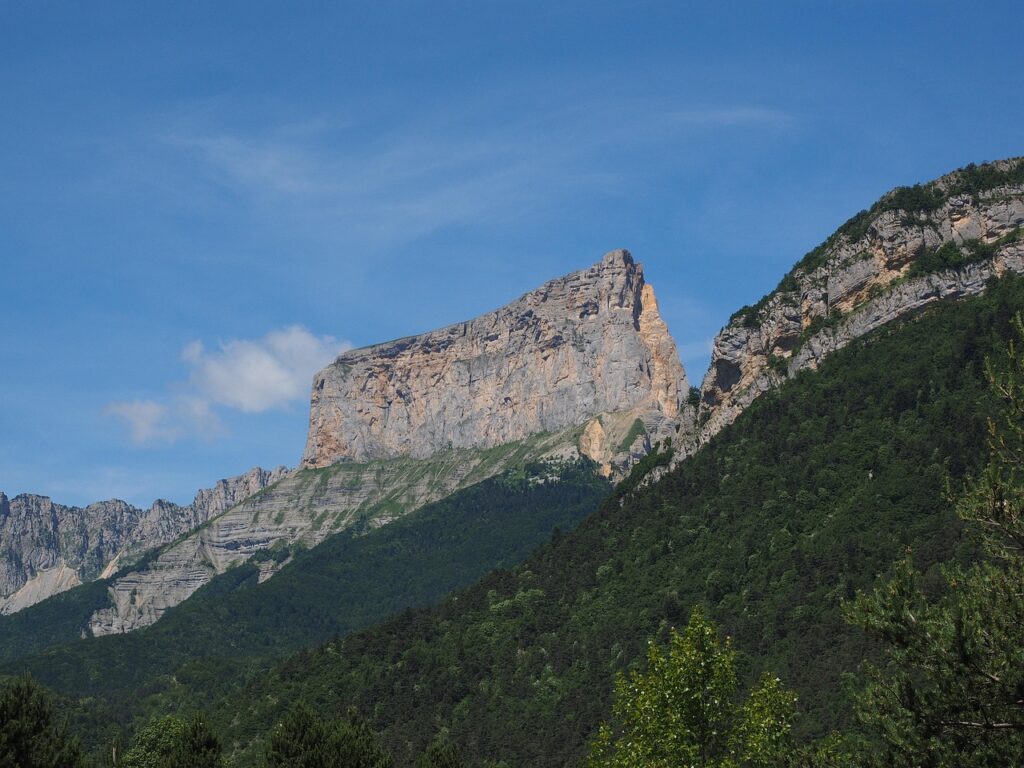
Modern infrastructure planning increasingly relies on advanced technologies to monitor and protect natural landmarks. Environmental sensors, satellite monitoring, and GIS mapping tools allow authorities to track environmental changes and manage resources more effectively.
For example, digital trail monitoring systems can track visitor numbers and movement patterns, helping park managers identify areas experiencing excessive pressure. This information allows authorities to adjust access routes, reinforce infrastructure, or temporarily restrict access when necessary.
Climate resilience is also becoming a key focus of long-term infrastructure planning for natural landmarks. Facilities must be designed to withstand extreme weather conditions, rising temperatures, and shifting environmental patterns.
By integrating technology with sustainable design principles, natural landmark infrastructure can adapt to future environmental challenges while maintaining ecological balance.
Protecting natural landmarks for future generations
Natural landmarks are more than tourist attractions. They represent ecological treasures, cultural heritage sites, and symbols of national identity. Protecting these environments requires careful planning that looks decades into the future rather than focusing only on present needs.
Long-term infrastructure planning for natural landmarks allows governments, conservation organisations, and local communities to work together in preserving these landscapes. By combining sustainable engineering, environmental protection, and responsible tourism, natural landmarks can remain accessible without sacrificing their ecological value.
For destinations like Table Mountain, thoughtful planning ensures that future generations will still be able to experience the same breathtaking landscapes and biodiversity that make these places so extraordinary.