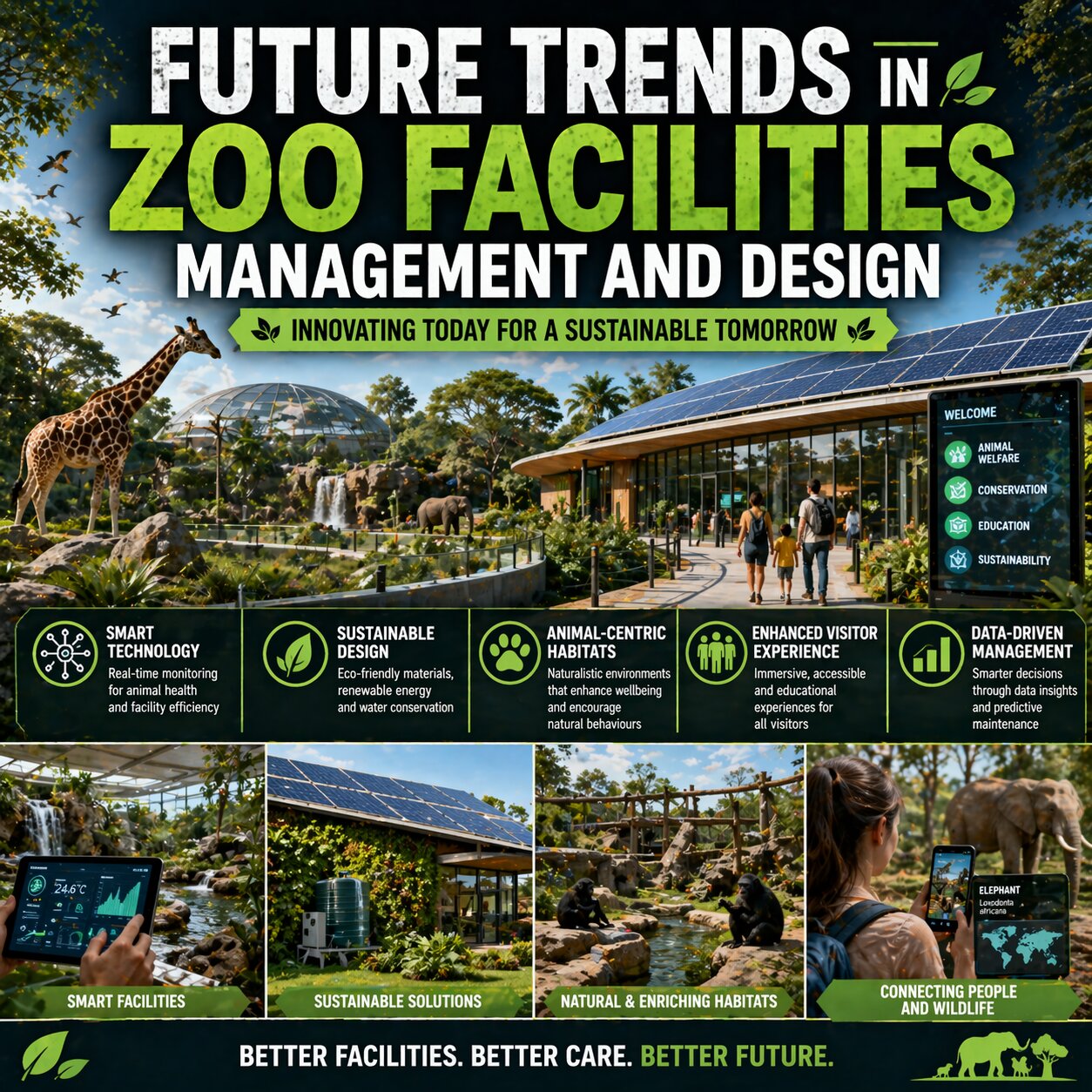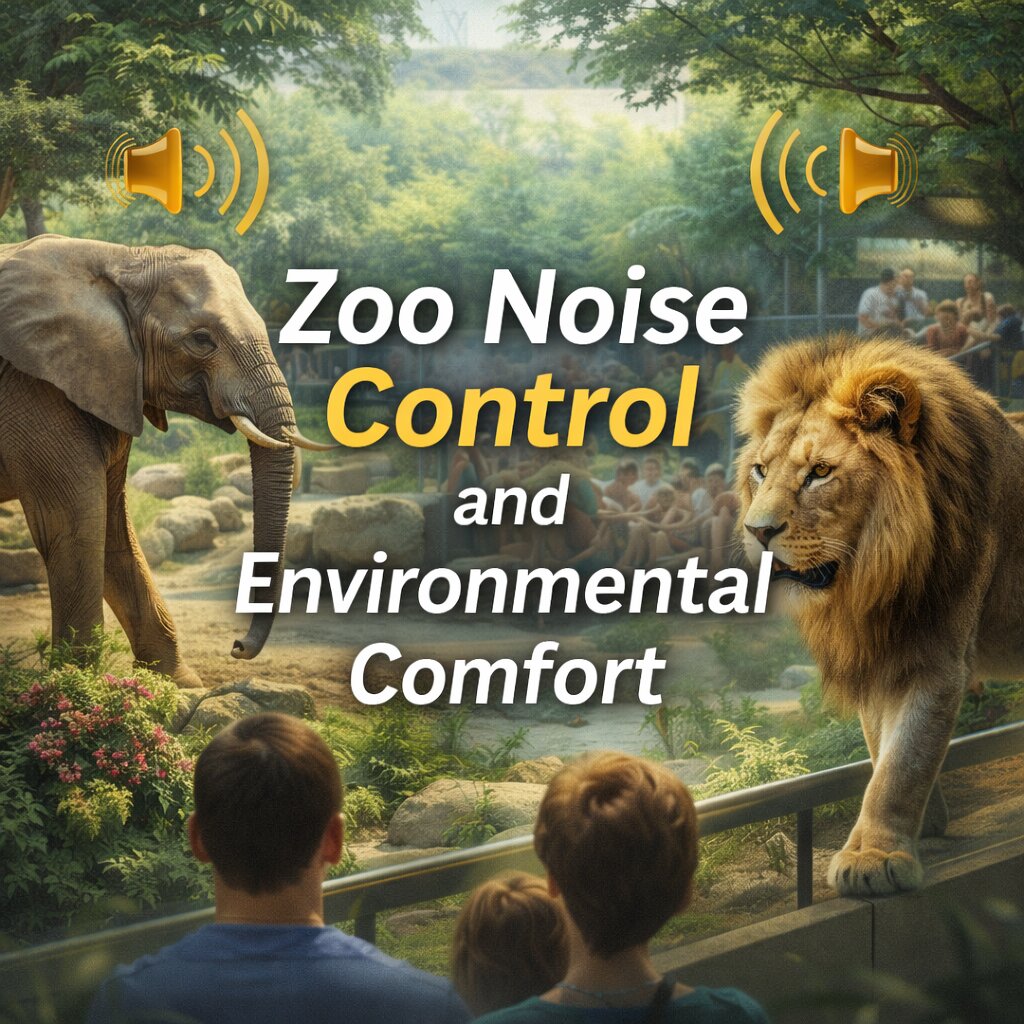
Modern zoos are no longer just places for public display. They are carefully designed environments that prioritise animal welfare, conservation, and visitor experience. One often overlooked yet critical factor in achieving this balance is zoo noise control. Managing sound within zoo environments plays a major role in reducing stress for animals while creating a more enjoyable and educational atmosphere for visitors.
From construction materials to layout design and operational planning, zoo noise control is a multidisciplinary effort. When done correctly, it enhances both environmental comfort and the overall functionality of the facility.
Why zoo noise control matters

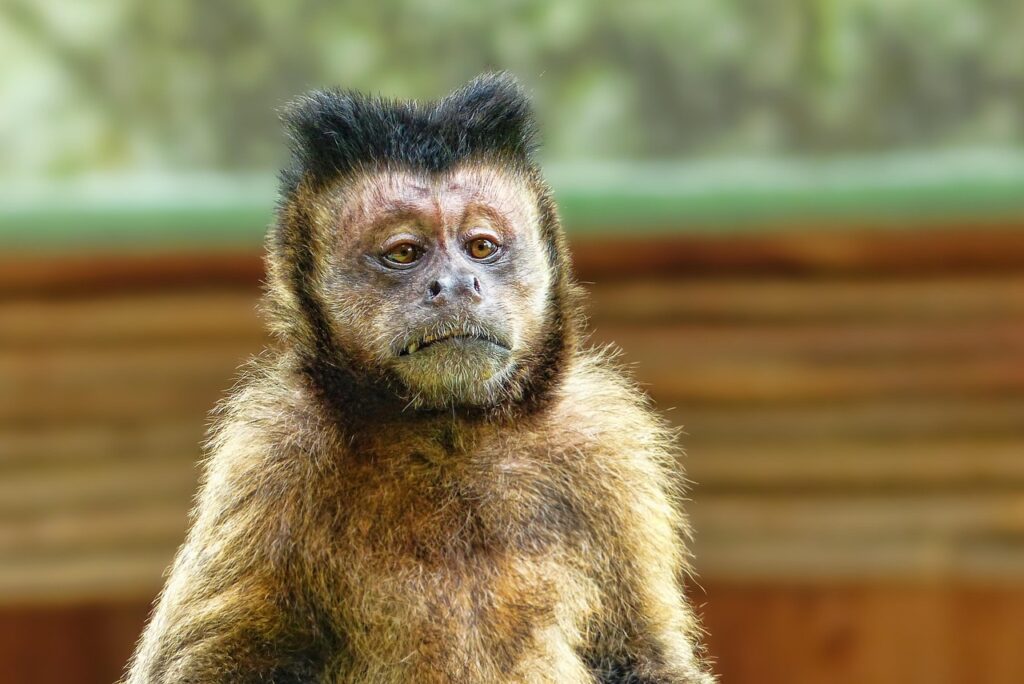
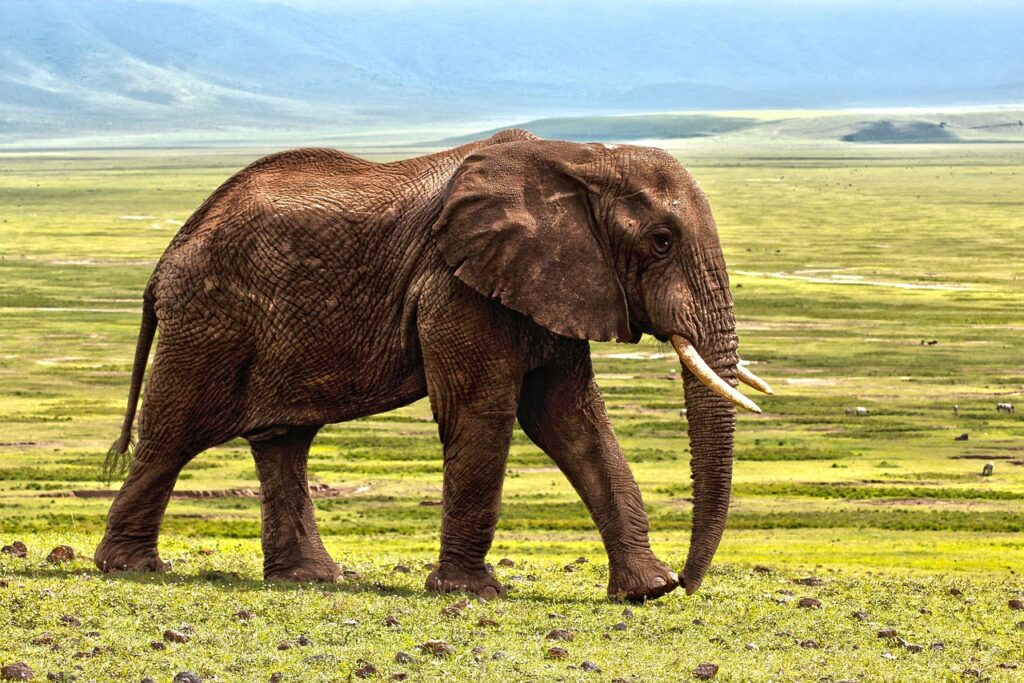
Noise has a direct impact on animal behaviour and wellbeing. Many species are highly sensitive to sound, especially those that rely on acute hearing for communication, navigation, or survival instincts. Excessive or unpredictable noise can lead to stress, anxiety, and even long-term health issues.
In a zoo setting, noise can come from multiple sources, including visitor crowds, nearby traffic, maintenance equipment, and even other animals. Without proper control measures, these sounds can overlap and create a constant background disturbance that disrupts natural behaviours.
For visitors, uncontrolled noise can also reduce the quality of the experience. A calm and immersive environment allows guests to better observe animals and engage with exhibits, while excessive noise can make the space feel chaotic and less enjoyable.
Designing quieter zoo environments
Effective zoo noise control begins at the design stage. Architects and planners must consider how sound travels through open and enclosed spaces, and how different materials interact with noise.
Natural barriers such as trees, shrubs, and landscaped earth mounds can absorb and deflect sound. These elements not only reduce noise but also contribute to a more natural and visually appealing environment.
Building materials also play a key role. Acoustic panels, sound-absorbing surfaces, and strategic enclosure placement can significantly reduce echo and noise transmission. Enclosures can be designed with buffers that shield animals from high-traffic visitor areas.
Water features are another useful tool. The gentle sound of flowing water can mask disruptive noises, creating a more calming atmosphere for both animals and visitors.
Key strategies for zoo noise control
To create effective noise management systems, zoos often implement a combination of strategies:
- Strategic zoning to separate high-noise and low-noise areas
- Use of vegetation and landscaping as natural sound barriers
- Installation of acoustic panels and sound-absorbing materials
- Controlled visitor pathways to manage crowd density and flow
- Scheduling of maintenance activities during low-impact hours
These strategies work together to create a more balanced sound environment, reducing stress triggers for animals while maintaining accessibility for visitors.
Enhancing environmental comfort for animals and visitors
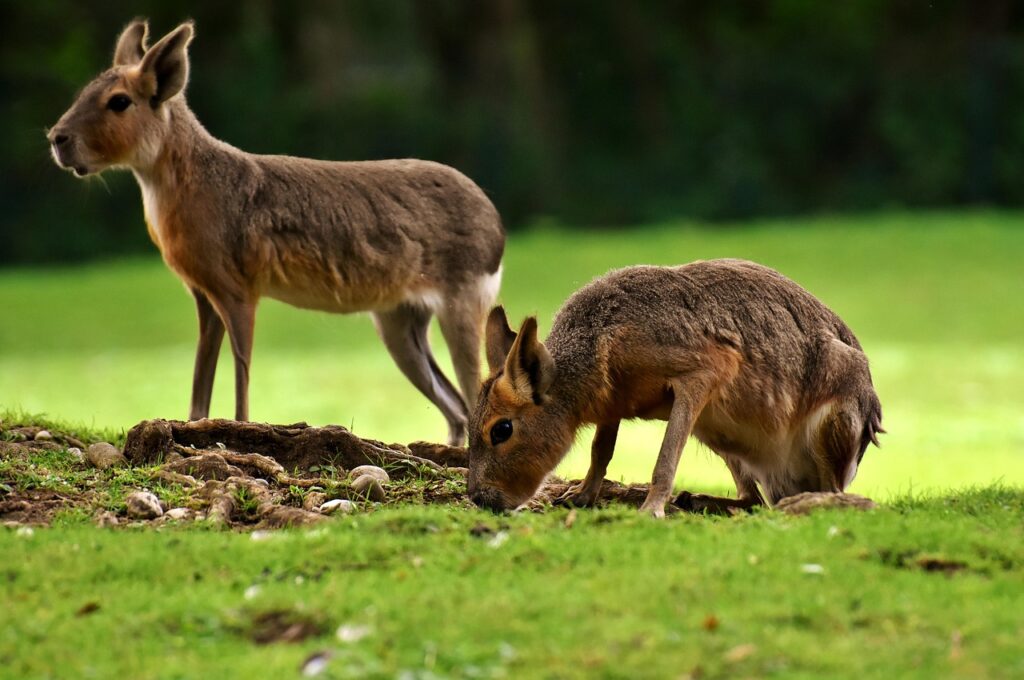
Environmental comfort extends beyond temperature and lighting. Sound is a key component of how both animals and humans perceive a space. By implementing zoo noise control measures, facilities can create environments that feel safe, calm, and natural.
For animals, reduced noise levels support natural behaviours such as feeding, resting, and social interaction. This can lead to improved health and better breeding outcomes in conservation programmes.
For visitors, a quieter environment encourages longer stays and deeper engagement. It allows guests to focus on the animals and educational content without distraction, enhancing the overall value of the visit.
A quieter future for modern zoos
As zoos continue to evolve into conservation-focused institutions, the importance of zoo noise control will only grow. By integrating sound management into design, operations, and daily practices, zoos can create spaces that truly support both animal welfare and visitor satisfaction.
Investing in noise control is not just about reducing sound. It is about creating harmony within the environment, where animals can thrive and visitors can connect with nature in a meaningful way.