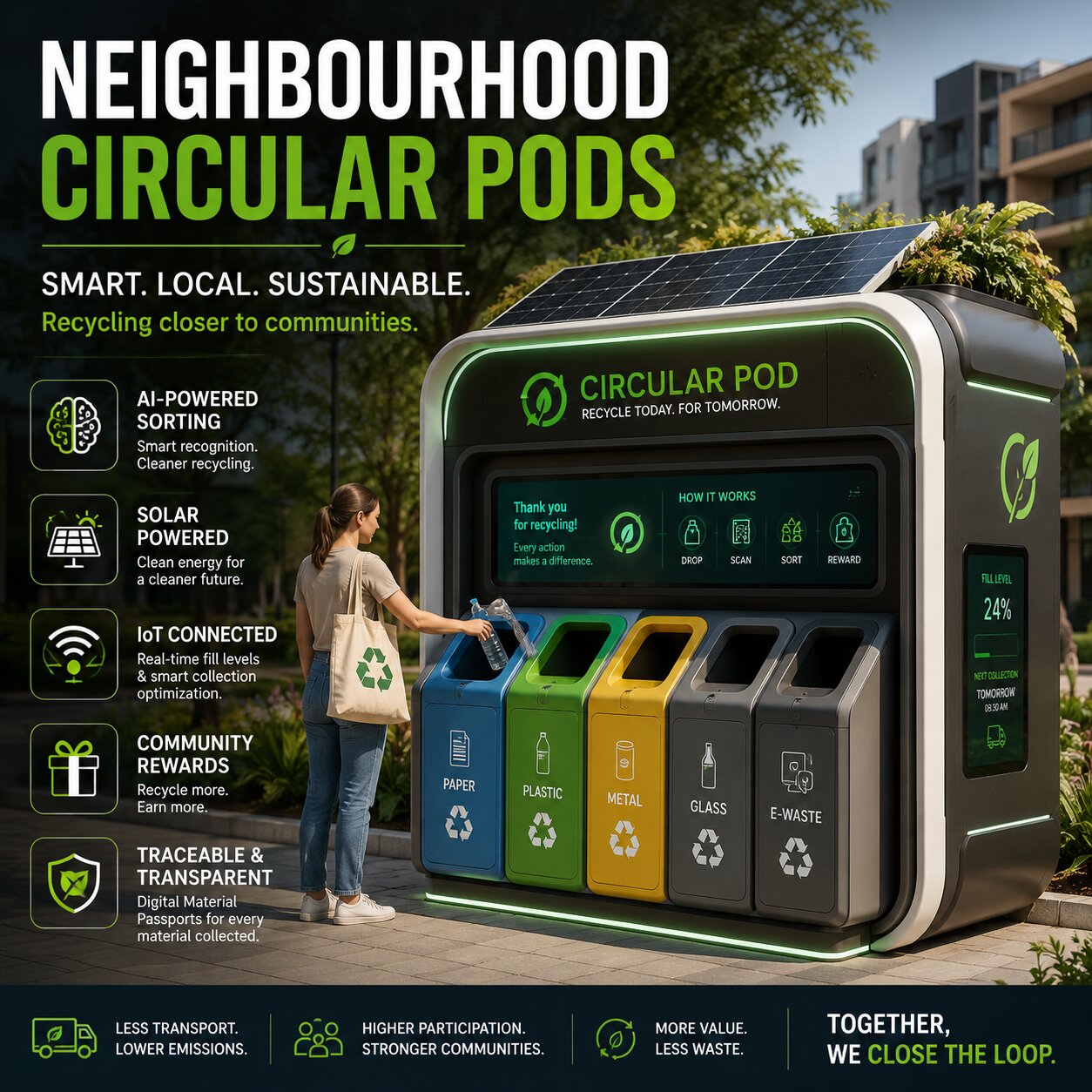
Plastic has become one of the most widely used materials in modern society, valued for its durability, flexibility, and low production cost. However, these same qualities make plastic waste one of the most persistent environmental challenges of our time. Understanding plastic recycling processes is essential for improving waste management systems and reducing the long-term impact of plastic on the environment.
Unlike materials such as metal or glass, plastic recycling processes are complex and varied. Different plastic types behave differently during recycling, which affects how they are collected, sorted, processed, and reused. This article explores how plastic recycling processes work, why they are challenging, and where improvements are still needed.
Collection and initial sorting of plastic waste

Plastic recycling processes begin with collection from households, businesses, and industrial sources. This can include curbside recycling bins, drop-off centres, and commercial waste streams. At this stage, plastics are usually mixed with other recyclable materials, making sorting a critical first step.
Once collected, plastic waste is transported to material recovery facilities, where it is separated from paper, glass, and metal. Mechanical sorting systems use conveyor belts, magnets, air classifiers, and optical scanners to identify plastic items. Manual sorting is often still required to remove contaminants, non-recyclable plastics, and heavily soiled items that could disrupt later stages of plastic recycling processes.
Identification and separation by plastic type

One of the biggest challenges in plastic recycling processes is the wide variety of plastic types. Plastics are typically classified using resin identification codes, each representing a different polymer with unique properties. These differences affect melting temperatures, flexibility, and chemical behaviour.
At this stage, plastics are separated by type using near-infrared scanners and density-based methods such as flotation tanks. Accurate separation is crucial, because mixing incompatible plastics can weaken the quality of recycled material. Poor sorting at this stage can result in entire batches being unsuitable for reuse, highlighting why precise separation is essential to effective plastic recycling processes.
Cleaning and preparation for processing
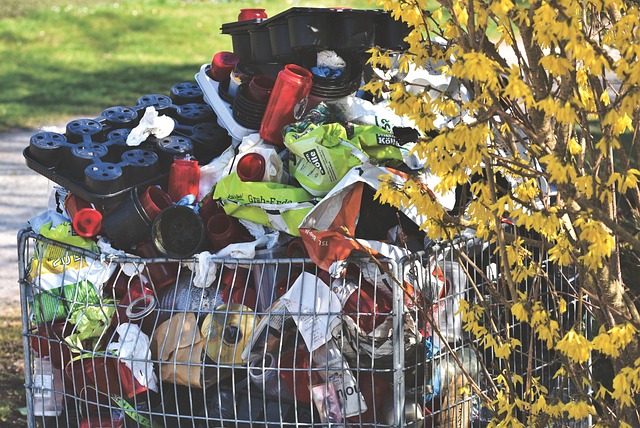
After sorting, plastics must be thoroughly cleaned. Labels, adhesives, food residue, and other contaminants are removed using water, detergents, and friction-based washing systems. This step is more resource-intensive than many people realise, as dirty plastics can compromise the quality of recycled products.
Once cleaned, plastics are shredded into smaller flakes. These flakes are dried and inspected before moving into the main recycling phase. Consistent size and cleanliness help ensure that plastic recycling processes produce usable materials that meet manufacturing standards.
Mechanical plastic recycling processes
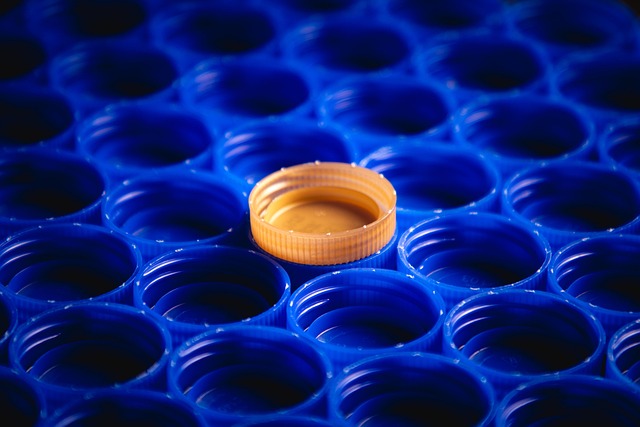
Mechanical recycling is the most common method used in plastic recycling processes today. In this approach, plastic flakes are melted and reformed without changing the underlying chemical structure of the polymer. The molten plastic is extruded into pellets, which can then be used to manufacture new plastic products.
While mechanical recycling is relatively energy-efficient, it has limitations. Each time plastic is reheated, its quality can degrade slightly. This means plastics can usually only be mechanically recycled a limited number of times before they become unsuitable for further use. As a result, mechanical plastic recycling processes often produce materials used for lower-grade applications, such as packaging, containers, or construction products.
Chemical recycling and emerging technologies
Chemical recycling represents a newer approach within plastic recycling processes. Instead of melting plastic, chemical recycling breaks polymers down into their basic molecular components. These components can then be used to create new plastics with properties similar to virgin material.
Chemical recycling offers the potential to process plastics that are difficult or impossible to recycle mechanically. However, it requires more energy and complex infrastructure, and it is still developing at scale. While promising, chemical recycling is not yet a universal solution and is best viewed as a complementary part of broader plastic recycling processes rather than a replacement.
Limitations and challenges of plastic recycling processes
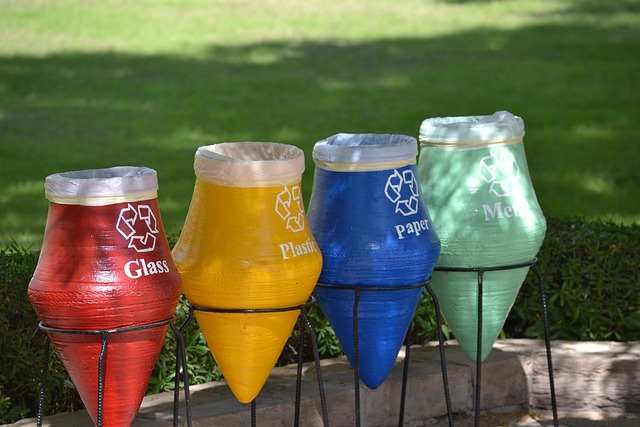
Despite advancements, plastic recycling processes face significant challenges. Not all plastics are recyclable, and contamination remains a major issue. Lightweight packaging, multi-layer plastics, and items with mixed materials often cannot be processed effectively.
Economic factors also play a role. Recycled plastic must compete with virgin plastic, which is often cheaper to produce. When oil prices are low, recycling becomes less financially attractive. This highlights the need for systemic support, improved design standards, and stronger policies to make plastic recycling processes more viable in the long term.
The role of design and systems thinking
Effective plastic recycling processes depend not only on technology, but also on how products are designed. Plastics designed for easy disassembly, single-material construction, and clear labelling are far more likely to be recycled successfully.
From a systems perspective, improving plastic recycling processes requires coordination between manufacturers, waste management providers, regulators, and consumers. Recycling alone cannot solve plastic pollution, but it plays a vital role within a broader sustainability framework that includes reduction, reuse, and responsible material innovation.
Building a more effective plastic recycling future
Plastic recycling processes are an essential part of modern waste management, but they are not simple or universally effective. Understanding their limitations helps set realistic expectations and encourages better decision-making at every level of the system.
As recycling technologies improve and awareness grows, plastic recycling processes will continue to evolve. By supporting better design, improved infrastructure, and informed participation, plastic waste can be managed more responsibly. Sustainable solutions require long-term commitment, but plastic recycling remains a key component in reducing environmental impact and building more resilient material systems.