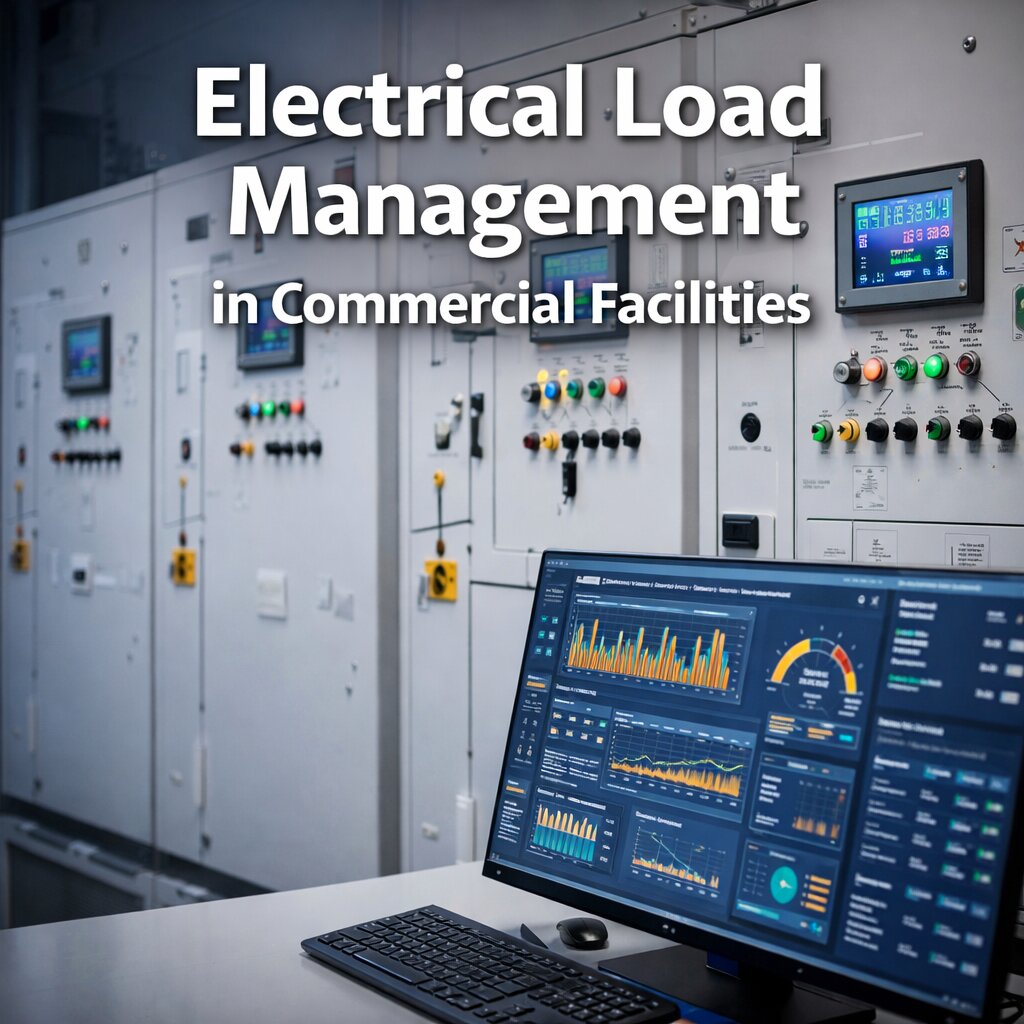
Electrical load management is a critical component of efficient building operations, especially in commercial environments where energy demand can fluctuate significantly throughout the day. By controlling how electricity is distributed and consumed, businesses can reduce costs, improve reliability, and prevent system overloads.
In large facilities such as office buildings, shopping centres, hospitals, and industrial sites, electricity powers everything from lighting and HVAC systems to specialised equipment. Without proper management, these systems can draw excessive power simultaneously, placing strain on infrastructure and increasing operational costs.
Effective electrical load management ensures that power is used intelligently. Instead of allowing all systems to operate at peak demand at the same time, load management strategies distribute energy usage more evenly across different periods.
As energy costs continue to rise and sustainability becomes a priority, electrical load management is no longer optional; it is essential for modern commercial facilities.
How Electrical Load Management Works
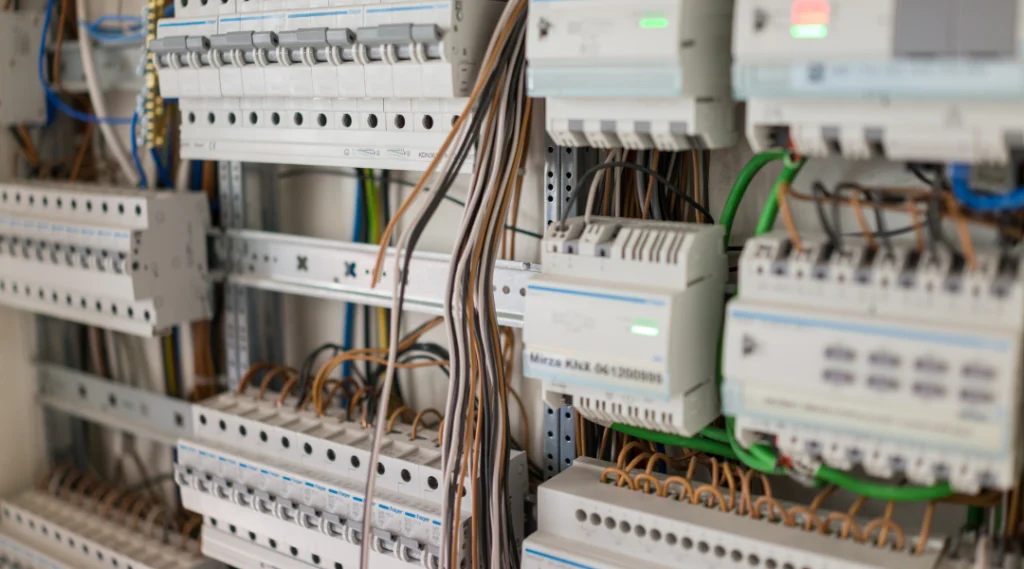
Electrical load management relies on monitoring, controlling, and optimising power consumption across a facility. This is typically achieved through a combination of hardware systems and intelligent software platforms.
At the core are energy monitoring systems that track real-time electricity usage. These systems provide detailed insights into where and when energy is being consumed, allowing facility managers to identify inefficiencies and peak demand periods.
Control systems then use this data to adjust power usage dynamically. For example, non-essential equipment can be temporarily reduced or scheduled to operate during off-peak hours when electricity demand and costs are lower.
Automation plays a major role in modern systems. Smart building technologies can automatically respond to changes in demand, ensuring that energy distribution remains balanced without constant manual intervention.
Key Strategies for Effective Load Management

There are several proven strategies that businesses can implement to improve electrical load management within their facilities. Each approach focuses on reducing peak demand while maintaining operational efficiency.
Some of the most effective strategies include:
- Load shifting to move energy-intensive tasks to off-peak hours
- Peak shaving to reduce maximum demand during high-usage periods
- Demand response systems that adjust usage based on utility signals
- Energy-efficient equipment upgrades to lower overall consumption
- Automated scheduling of HVAC and lighting systems
These strategies can be applied individually or combined for greater impact. The goal is to create a balanced energy profile that avoids sudden spikes in demand.
By implementing these techniques, businesses can significantly reduce their electricity bills while improving system stability.
Benefits of Electrical Load Management
The advantages of electrical load management extend beyond cost savings. One of the most immediate benefits is reduced energy expenditure, as businesses avoid high tariffs associated with peak demand.
Improved system reliability is another key benefit. By preventing overloads, facilities reduce the risk of equipment failure, downtime, and costly repairs. This is particularly important in environments where continuous operation is critical, such as hospitals or data centres.
Electrical load management also supports sustainability goals. Lower energy consumption translates to reduced carbon emissions, helping organisations meet environmental targets and regulatory requirements.
Additionally, better energy visibility allows businesses to make informed decisions about future upgrades and investments. With accurate data, facilities can plan improvements that deliver measurable results.
Challenges in Implementation
Despite its benefits, implementing electrical load management systems can present challenges. One of the main obstacles is the initial investment required for monitoring equipment, control systems, and software integration.
Compatibility with existing infrastructure can also be an issue. Older buildings may require upgrades before advanced load management systems can be fully implemented.
Another challenge is the need for skilled personnel to manage and interpret energy data. While automation reduces manual effort, human oversight is still necessary to ensure systems operate effectively.
Finally, organisational resistance can slow adoption. Businesses may hesitate to change established processes, even when long-term benefits are clear.
The Future of Electrical Load Management
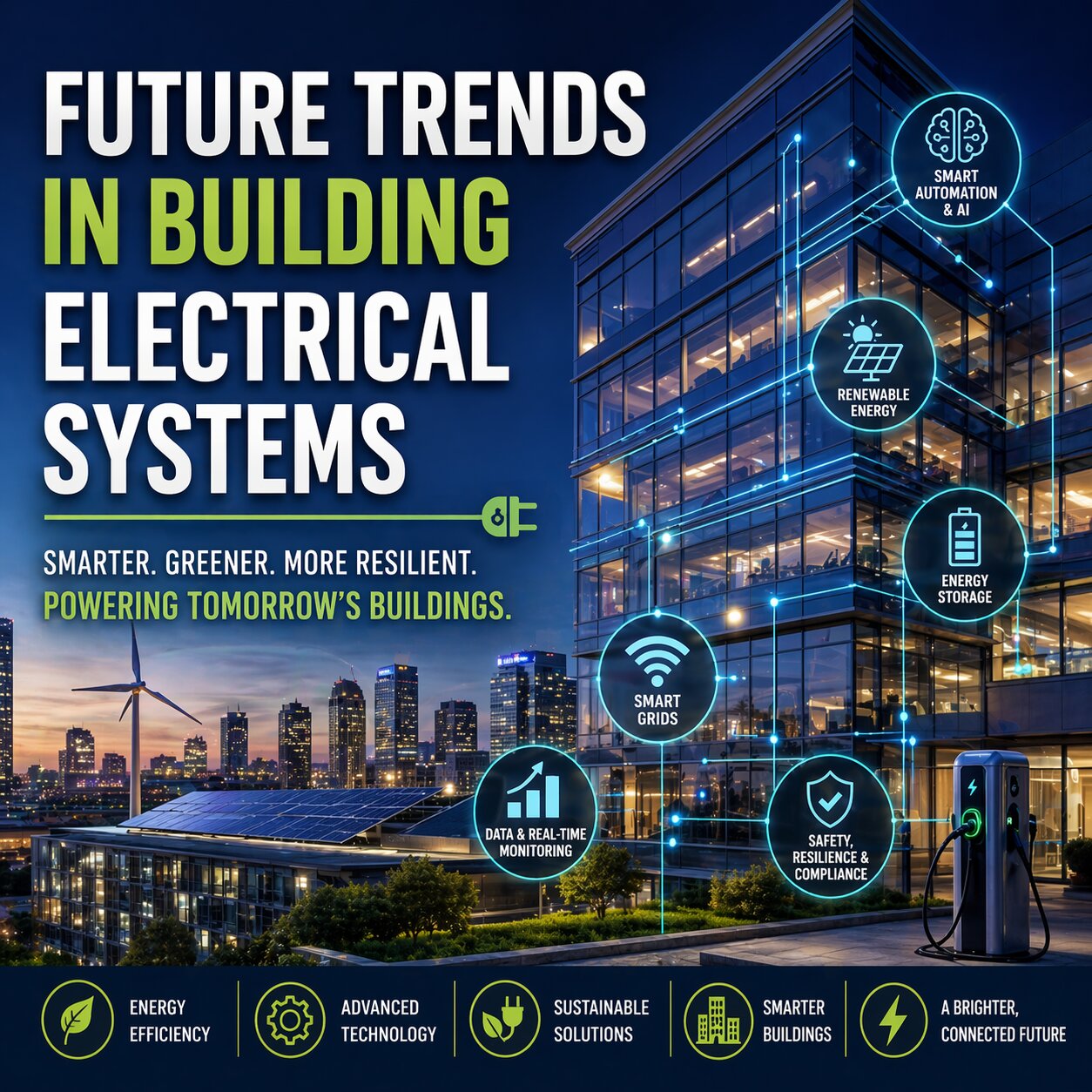
The future of electrical load management is closely tied to advancements in smart technology and digital transformation. As buildings become more connected, load management systems will become increasingly intelligent and autonomous.
Integration with renewable energy sources, such as solar power, will play a significant role. Facilities will not only manage consumption but also optimise how and when energy is generated and stored.
Artificial intelligence and predictive analytics will further enhance system capabilities. These technologies will allow facilities to anticipate demand patterns and adjust energy usage proactively rather than reactively.
In the long term, electrical load management will become a standard feature of commercial infrastructure, driven by the need for efficiency, resilience, and sustainability.
Powering Smarter Commercial Facilities
Electrical load management is a powerful tool for transforming how commercial facilities consume energy. By balancing demand, reducing costs, and improving reliability, it enables businesses to operate more efficiently in an increasingly energy-conscious world.
As technology continues to evolve, the ability to control and optimise electrical usage will become even more important. Facilities that invest in load management today are positioning themselves for a smarter, more sustainable future.