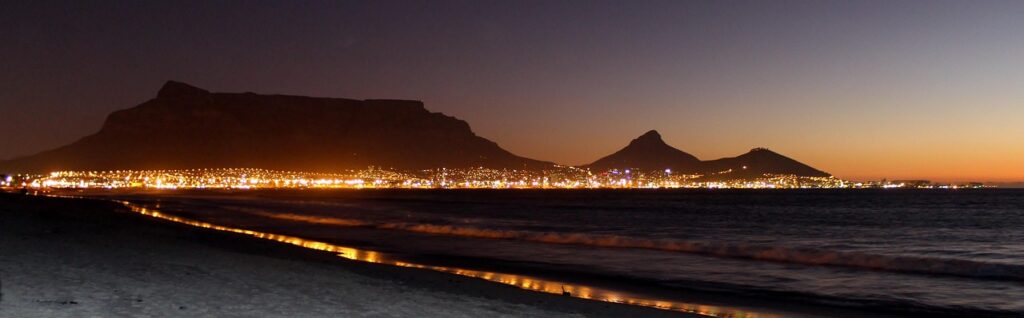
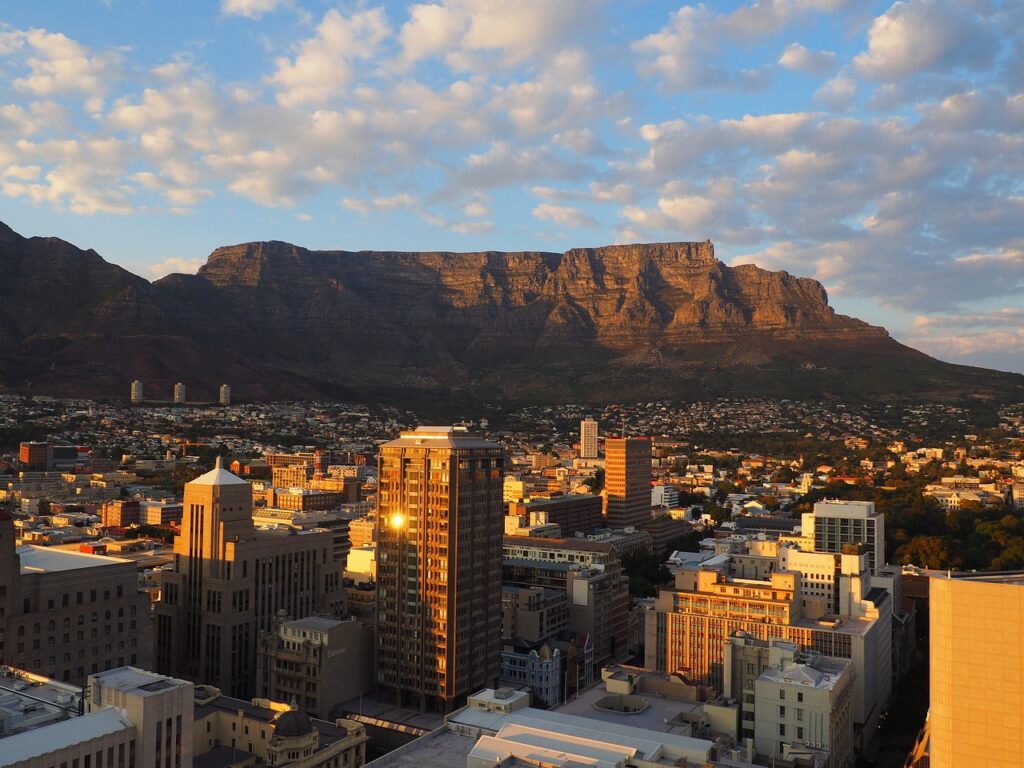
Table Mountain lighting plays an important role in both visitor safety and environmental preservation. As one of South Africa’s most iconic landmarks, Table Mountain attracts thousands of hikers, tourists, and maintenance personnel throughout the year. While much of the mountain remains intentionally dark to protect its natural ecosystem, specific lighting and safety systems are carefully implemented to support infrastructure, emergency response, and controlled access areas.
Modern lighting solutions on Table Mountain must strike a delicate balance. They must improve visibility and safety without disrupting wildlife, creating light pollution, or compromising the natural beauty that defines the mountain’s global appeal.
Why lighting on Table Mountain requires a specialised approach
Unlike urban environments, lighting on Table Mountain cannot follow standard commercial or municipal installation models. The mountain forms part of a protected natural area, meaning infrastructure decisions must consider biodiversity, ecological sensitivity, and visual impact.
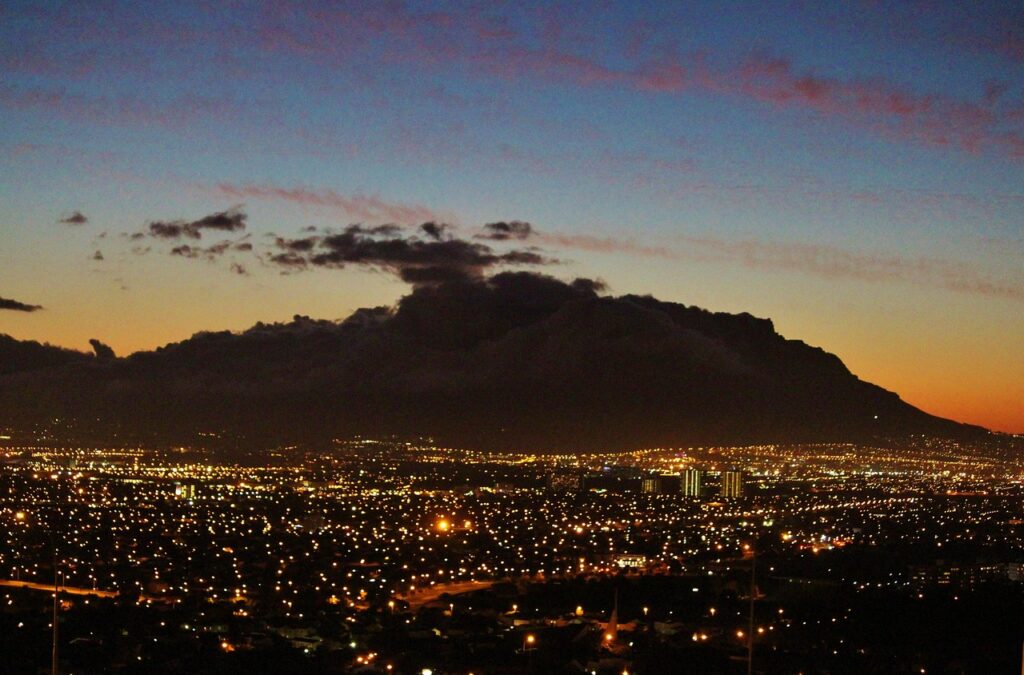
Excessive lighting can disrupt nocturnal wildlife, alter bird navigation patterns, and contribute to skyglow over Cape Town. For this reason, lighting installations near cable stations, pathways, maintenance zones, and emergency areas are designed to be minimal, directional, and controlled.
Engineering teams must therefore focus on precision lighting rather than broad flood illumination. The goal is targeted safety, not large-scale brightness.
Key areas where Table Mountain lighting is applied
While most of the icon remains unlit, specific zones require controlled Table Mountain lighting systems for operational and safety purposes:
- Upper and lower cable car stations
- Maintenance pathways and service roads
- Emergency assembly areas
- Equipment rooms and infrastructure buildings
- Security and perimeter control zones
These installations typically use shielded luminaires that reduce upward light spill. Warm colour temperatures are often preferred, as they are less disruptive to wildlife compared to harsh blue-white lighting.
Because of frequent wind exposure and changing weather conditions, fixtures must also be durable and corrosion-resistant.
Safety systems integrated with Table Mountain lighting
Lighting on Table Mountain is not a standalone solution. It forms part of a broader safety system that includes surveillance, emergency communication, and access control.
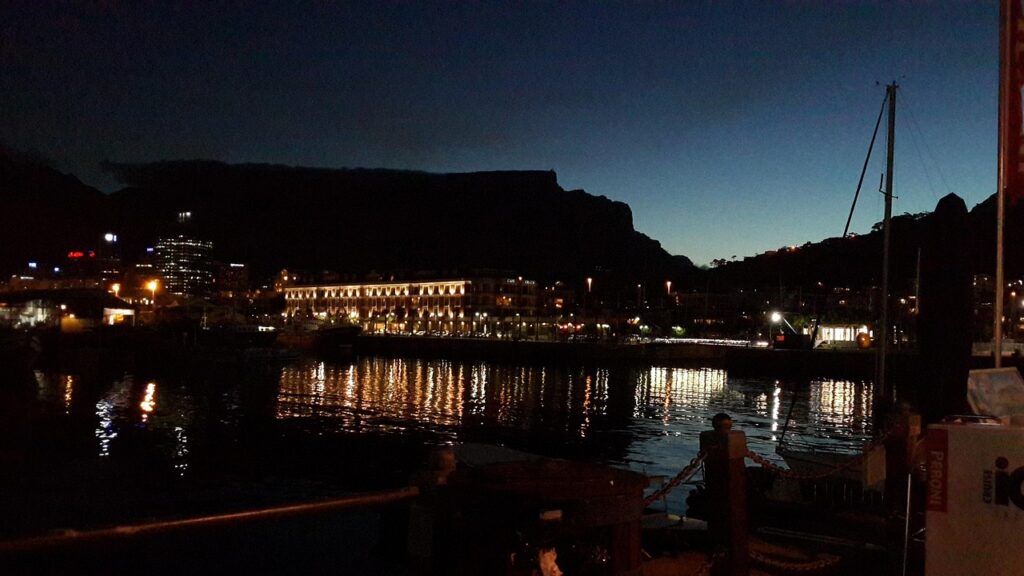
Well-designed lighting improves CCTV performance, reduces trip hazards, and enhances emergency evacuation procedures during poor visibility conditions. In high-risk weather scenarios such as fog or sudden storms, reliable lighting near infrastructure zones becomes critical.
Additionally, modern safety systems may include:
- Motion-activated lighting in restricted areas
- Backup power systems for outages
- Remote monitoring and automated fault detection
- Weather-resistant LED systems with long service life
By integrating lighting with digital monitoring systems, maintenance teams can respond quickly to failures without unnecessary environmental disruption.
Sustainable lighting design considerations
Sustainability is central to any infrastructure project on Table Mountain. Lighting systems must support conservation objectives while maintaining operational functionality.
Energy-efficient LED technology significantly reduces power consumption. Where possible, solar-supported lighting systems can be implemented for low-demand applications. Shielding and downward-focused beams help prevent light spill into surrounding habitats.
Another critical factor is light intensity control. Dimming systems allow brightness levels to adjust based on operational requirements rather than running at full output continuously.
These strategies align with broader sustainable lighting practices used in environmentally sensitive infrastructure projects across South Africa.
Broader lighting infrastructure strategies
Table Mountain lighting forms part of a larger conversation around sustainable lighting design. Many of the principles applied here, directional luminaires, low-glare systems, adaptive controls, and wildlife-sensitive colour temperatures, are equally relevant in pedestrian safety lighting, park infrastructure, and heritage site developments.
By studying how lighting is carefully implemented on a protected natural landmark, infrastructure planners can apply similar best practices in other environmentally sensitive areas.
Lighting should enhance safety without overpowering the environment. Table Mountain provides a strong example of how controlled design can achieve both.
Table Mountain lighting is not about spectacle; it is about precision. Through carefully engineered systems, safety is maintained while preserving the mountain’s natural darkness and ecological integrity. Thoughtful infrastructure ensures visitors remain protected without compromising one of South Africa’s most treasured landscapes.