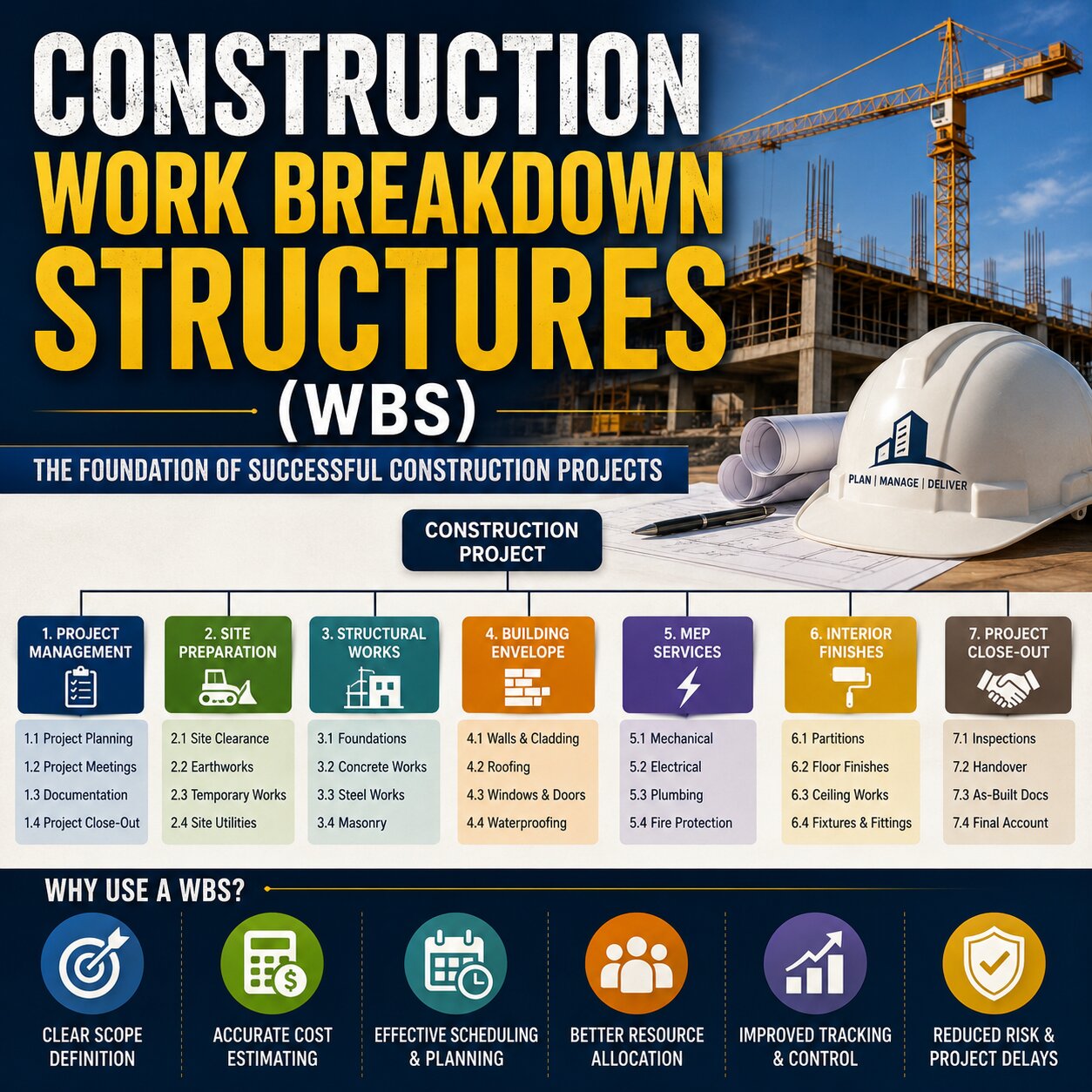
Poor roads are more than just an inconvenience for motorists. They play a direct role in shaping property values, economic activity, and long-term community development. When road infrastructure deteriorates, the ripple effects extend far beyond potholes and traffic delays, influencing how areas are perceived, invested in, and lived in.
Across towns and cities, poor roads often signal neglect, underinvestment, or strained municipal resources. Over time, this perception can reduce demand for property, discourage business growth, and place additional financial pressure on local economies already struggling to maintain essential infrastructure.
The impact of poor roads on property values

Property values are closely tied to accessibility and liveability. Poor roads make daily commuting more difficult, increase vehicle maintenance costs, and reduce the overall attractiveness of a neighbourhood. Buyers are less willing to pay premium prices in areas where road conditions suggest long-term infrastructure problems.
In severe cases, properties located along poorly maintained roads can experience stagnant or declining values, even when nearby areas perform well. Estate agents often note that road quality influences buyer decisions almost as much as proximity to schools, transport routes, and commercial centres.
How poor roads discourage investment and development

Investors and developers rely on reliable infrastructure to ensure long-term returns. Poor roads raise concerns about logistics, construction access, and future maintenance costs, making projects riskier and less appealing. As a result, development may shift to better-serviced areas, leaving affected communities behind.
This lack of investment creates a cycle where poor roads remain unfixed due to limited funding, while economic growth stalls due to the same infrastructure challenges. Over time, the gap between well-maintained and neglected areas continues to widen.
The effect of poor roads on local businesses

Local businesses depend on consistent foot traffic, efficient deliveries, and accessible transport routes. Poor roads disrupt all three. Delivery delays, damaged vehicles, and reduced customer access can significantly increase operating costs for small and medium enterprises.
For service-based businesses, poor road conditions can deter customers entirely. When reaching a location becomes frustrating or costly, consumers often choose alternatives elsewhere, reducing revenue and limiting job creation within the local economy.
Infrastructure neglect and municipal costs
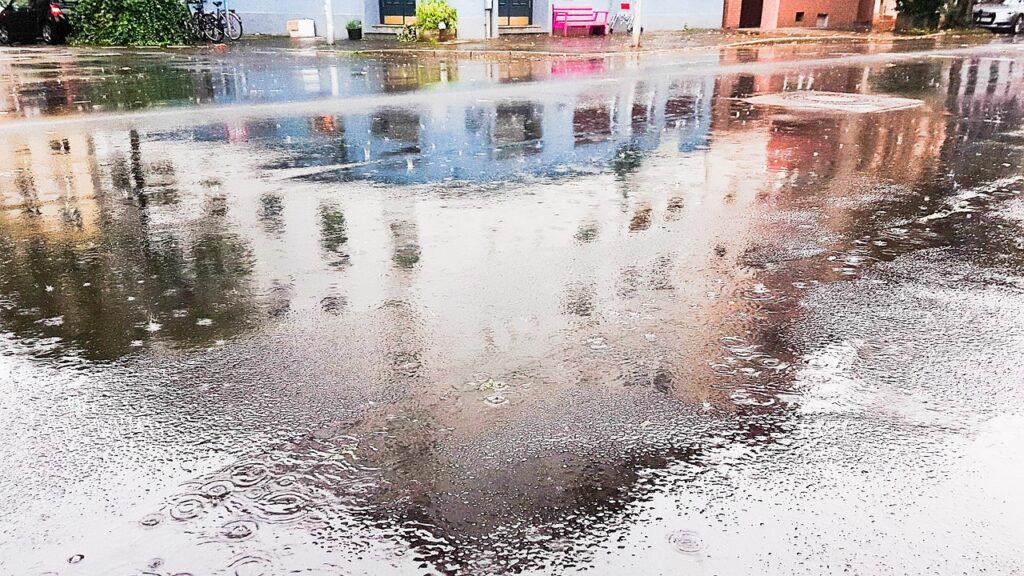
Poor roads also place additional strain on municipal budgets. Emergency repairs are far more expensive than preventative maintenance, and damage caused by failing roads often spreads to stormwater systems, sidewalks, and underground utilities.
As maintenance backlogs grow, municipalities may be forced to divert funds from other essential services, such as housing, sanitation, or public safety. This further impacts quality of life and reinforces negative perceptions of the area.
Long-term economic consequences
Over time, poor roads contribute to reduced economic mobility and lower overall productivity. Workers face longer commutes, transport costs rise, and businesses become less competitive. These factors collectively weaken local economies and reduce opportunities for growth.
Addressing road infrastructure proactively is not just a transport issue, but an economic strategy. Well-maintained roads support property values, attract investment, and create a foundation for sustainable development.
Why infrastructure planning matters
Improving road conditions requires long-term planning, transparent funding strategies, and coordinated infrastructure management. When roads are treated as critical economic assets rather than reactive maintenance problems, communities benefit through stronger property markets and healthier local economies.
Investing in road infrastructure is ultimately an investment in people, businesses, and future growth. Reducing the impact of poor roads helps stabilise property values, strengthen economic resilience, and improve overall quality of life.