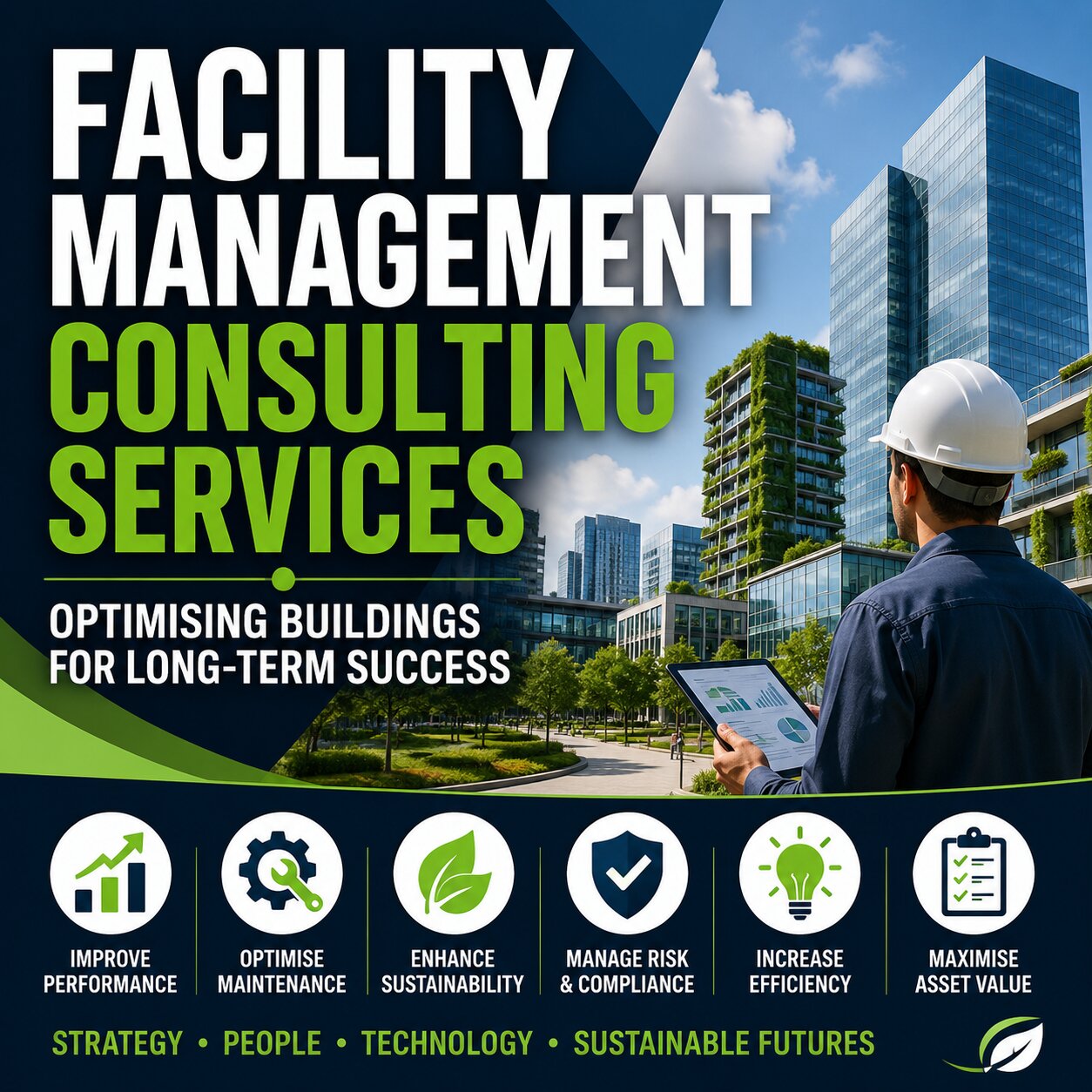
A well-structured facility manager checklist is one of the most effective tools for maintaining safe, compliant, and efficient buildings. Facilities management involves balancing operational demands, regulatory requirements, and long-term asset care, all while responding to daily issues as they arise. Without a clear checklist, important tasks can be missed, increasing risk and cost.
This guide provides a practical facility manager checklist broken down into daily, weekly, monthly, and annual responsibilities. It is designed for facility managers, property managers, and operations teams responsible for commercial, industrial, and mixed-use buildings.
Daily Facility Manager Checklist

A daily facility manager checklist focuses on immediate safety, functionality, and user experience. These checks help identify visible issues before they escalate into larger problems.
Daily tasks typically include walkthrough inspections of common areas, entrances, and high-traffic zones. Facility managers should look for hazards such as damaged flooring, faulty lighting, obstructed exits, or water leaks. Early detection supports rapid response and reduces disruption.
Security checks are also essential. Access points, alarms, and CCTV systems should be visually confirmed as operational. Cleaning standards, waste removal, and basic building services form a core part of the daily facility manager checklist.
Weekly Facility Manager Checklist

The weekly facility manager checklist shifts attention to building systems that require regular monitoring rather than constant observation. These checks support reliability and occupant safety.
Fire safety equipment should be inspected weekly, including extinguishers, signage, and emergency lighting indicators. HVAC systems should be checked for unusual noise, poor airflow, or temperature inconsistencies. Plumbing fixtures and water systems should be reviewed for slow leaks or pressure issues.
Exterior areas should not be overlooked. Boundary fencing, parking areas, and walkways must be assessed for damage, particularly in high-wind or high-traffic environments.
Monthly Facility Manager Checklist

A monthly facility manager checklist supports preventative maintenance and performance tracking. This is where operational data and condition assessments become critical.
Asset condition reviews should be conducted on key systems such as lifts, generators, HVAC units, and electrical panels. Maintenance logs must be updated and reviewed to ensure contractors are meeting service obligations.
Energy and water consumption should be monitored monthly to identify unusual spikes that may indicate inefficiencies or faults. Compliance documentation, permits, and service certificates should also be reviewed as part of the monthly facility manager checklist.
Quarterly and Annual Facility Manager Checklist

Quarterly and annual checks focus on statutory compliance, long-term asset protection, and risk management. This stage of the facility manager checklist carries the highest legal and financial importance.
Tasks include fire drills, emergency preparedness reviews, structural inspections, and major plant servicing. Roofs, façades, and drainage systems should be assessed for weather-related wear, particularly in coastal or high-wind regions.
Annual planning should also include budget forecasting, lifecycle replacement planning, and review of maintenance strategies. These activities ensure the FM checklist supports both operational stability and long-term value.
Digital vs Paper Facility Manager Checklists

Modern facilities increasingly rely on digital systems to manage a FM checklist. Digital platforms provide audit trails, task accountability, and real-time reporting that paper systems cannot match.
Digital checklists reduce the risk of missed tasks, simplify compliance reporting, and allow data-driven decision-making. However, the effectiveness of a FM checklist depends on consistent use, regardless of format.
Customising a Facility Manager Checklist

No two buildings are identical, which means a FM checklist must be adaptable. Office buildings, retail centres, industrial sites, and residential complexes all require tailored approaches.
Environmental conditions also play a role. Coastal properties, high-wind locations, and older buildings may require additional inspections and maintenance cycles. Customisation ensures the facility manager checklist remains relevant and effective.
Why a Facility Manager Checklist Is Essential for Effective Building Management
A structured FM checklist is more than a task list. It is a risk management tool that supports safety, compliance, operational efficiency, and asset longevity. By breaking responsibilities into clear daily, weekly, monthly, and annual actions, facility managers gain control over complex environments.
When used consistently, a facility manager checklist reduces emergency repairs, improves decision-making, and demonstrates professional accountability. In an increasingly regulated and cost-sensitive environment, it remains one of the most valuable tools in modern facilities management.