The future trends in building electrical systems are shaping how infrastructure evolves in a rapidly changing world. As cities grow smarter and sustainability becomes a priority, electrical systems are no longer just about powering buildings. They are becoming intelligent, adaptive networks that respond to real-time demands and environmental conditions.
From energy efficiency to automation, the future trends in building electrical systems are redefining how we design, manage, and maintain infrastructure. This final instalment in our electrical systems series explores what lies ahead and how these innovations will influence buildings across industries, including commercial, residential, and specialised environments.
Smarter systems through automation and AI

One of the most significant future trends in building electrical systems is the integration of automation and artificial intelligence. Modern systems are increasingly capable of monitoring energy usage, detecting inefficiencies, and making adjustments without human intervention. This shift reduces operational costs while improving performance.
Smart electrical systems can adapt to occupancy patterns, adjusting lighting, heating, and cooling based on real-time data. This not only enhances comfort but also minimises energy waste. As AI continues to evolve, these systems will become even more predictive, identifying issues before they occur and enabling proactive maintenance.
In large facilities, such as commercial buildings and industrial plants, automation will play a critical role in managing complex electrical networks. This level of control ensures that systems operate at optimal efficiency while reducing the risk of downtime.
Renewable energy integration and storage
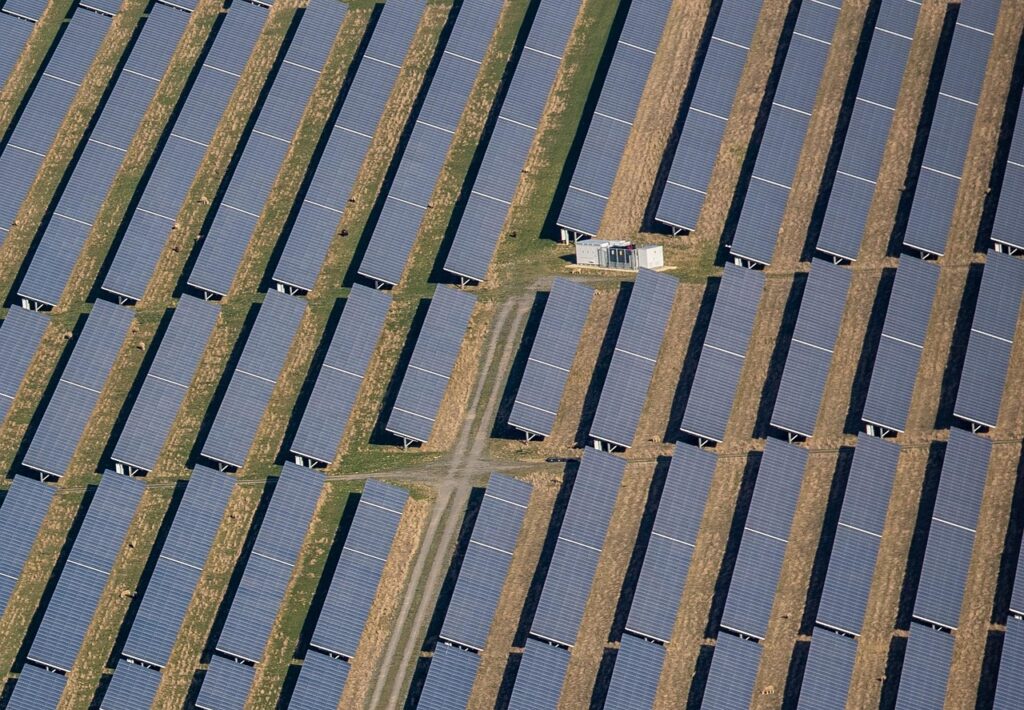
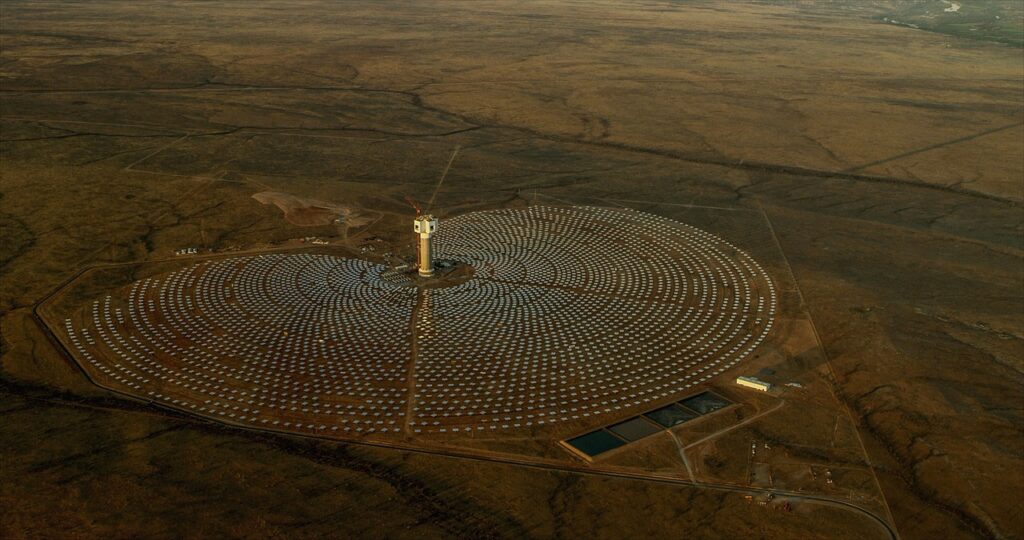
Sustainability is at the heart of the future trends in building electrical systems. Buildings are increasingly incorporating renewable energy sources such as solar and wind power into their electrical infrastructure. This shift reduces reliance on traditional power grids and lowers carbon footprints.
Energy storage systems are also becoming more important. Batteries allow buildings to store excess energy generated during peak production times and use it when demand is higher. This not only improves energy efficiency but also enhances resilience during power outages.
In South Africa, where energy reliability can be a concern, these systems offer a practical solution. Integrating renewable energy with advanced storage technologies ensures that buildings can maintain operations even during disruptions.
Digitalisation and smart grids
Another key development in the future trends in building electrical systems is the move towards digitalisation and smart grids. Traditional electrical systems are being replaced by interconnected networks that provide real-time data and insights.
Smart grids enable better communication between buildings and energy providers. This allows for more efficient energy distribution and helps balance supply and demand. Buildings can even feed excess energy back into the grid, creating a more sustainable and collaborative energy ecosystem.
Digital platforms also make it easier to monitor and manage electrical systems remotely. Facility managers can access data, identify issues, and implement solutions from anywhere, improving efficiency and reducing response times.
Key trends shaping the future

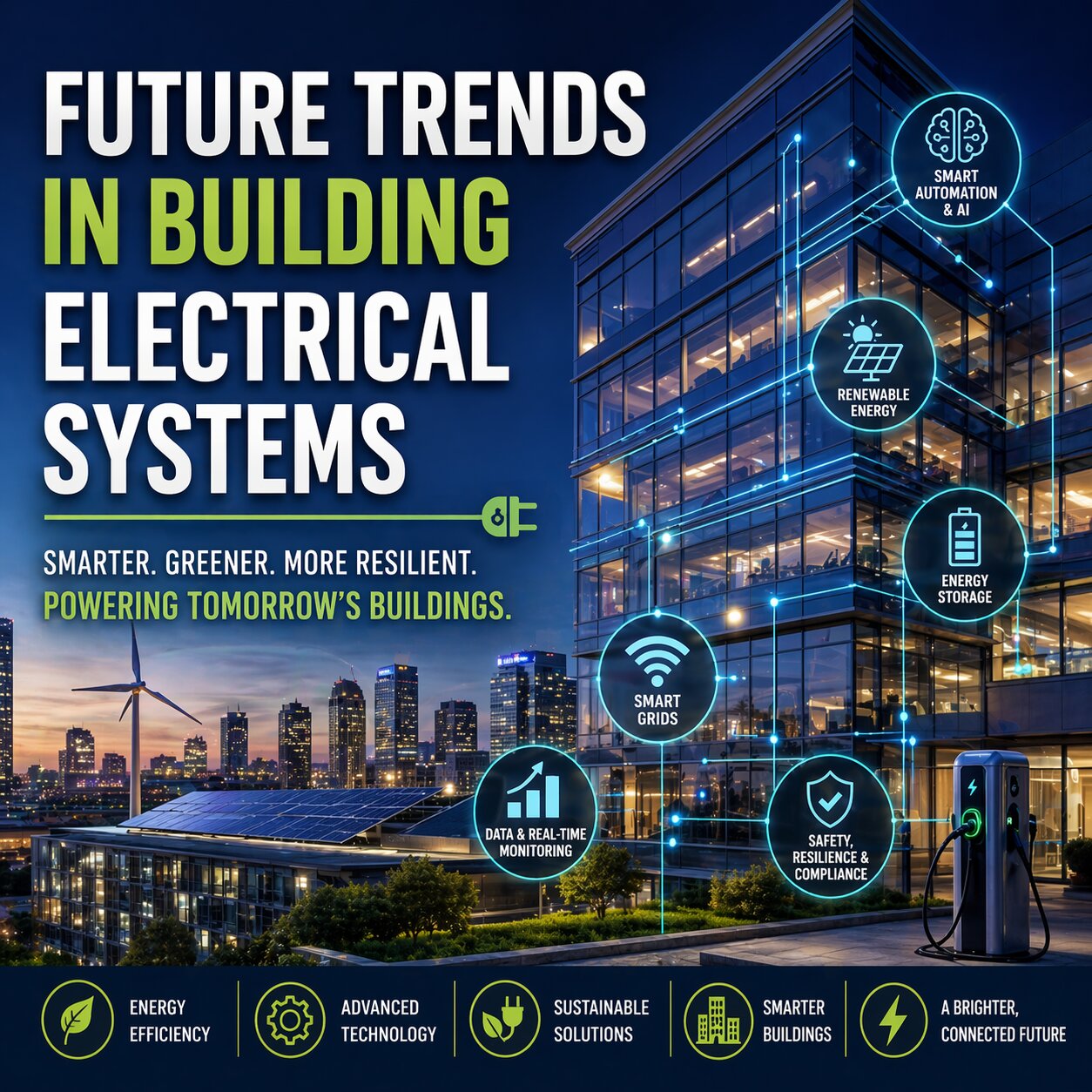
Several core developments are driving the future trends in building electrical systems:
- Increased adoption of smart building technologies
- Greater integration of renewable energy sources
- Advanced energy storage solutions
- Expansion of smart grid infrastructure
- Enhanced focus on energy efficiency and sustainability
These trends are not just theoretical; they are already being implemented in modern buildings around the world. As technology continues to advance, their impact will only grow stronger.
Safety, resilience, and compliance
As electrical systems become more complex, safety and compliance remain critical. The future trends in building electrical systems include improved safety features that protect both infrastructure and occupants.
Advanced monitoring systems can detect faults, prevent overloads, and reduce the risk of electrical fires. These systems also ensure compliance with evolving regulations and standards, which are becoming more stringent as technology advances.
Resilience is another important factor. Buildings must be able to withstand disruptions, whether caused by power outages, natural events, or technical failures. Future electrical systems are designed with redundancy and backup solutions to maintain operations under challenging conditions.
Powering the buildings of tomorrow
The future trends in building electrical systems highlight a shift towards smarter, more sustainable, and more resilient infrastructure. These systems are no longer just about delivering power; they are about creating intelligent environments that adapt to the needs of users and the demands of the modern world.
As this electrical systems series comes to an end, it is clear that the future holds exciting possibilities. By embracing these trends, businesses and developers can build infrastructure that is not only efficient but also prepared for the challenges of tomorrow.