Office design is no longer just about how a workspace looks. Modern offices must support productivity, well-being, operational efficiency, and long-term sustainability. Facilities Managers play a critical role in achieving this balance, acting as the link between design intent and everyday functionality.
In many organisations, particularly in large portfolios such as local government, Facilities Management is not a support function added at the end of a project, but a central driver of how offices are designed and delivered.
Facilities Management as a design authority
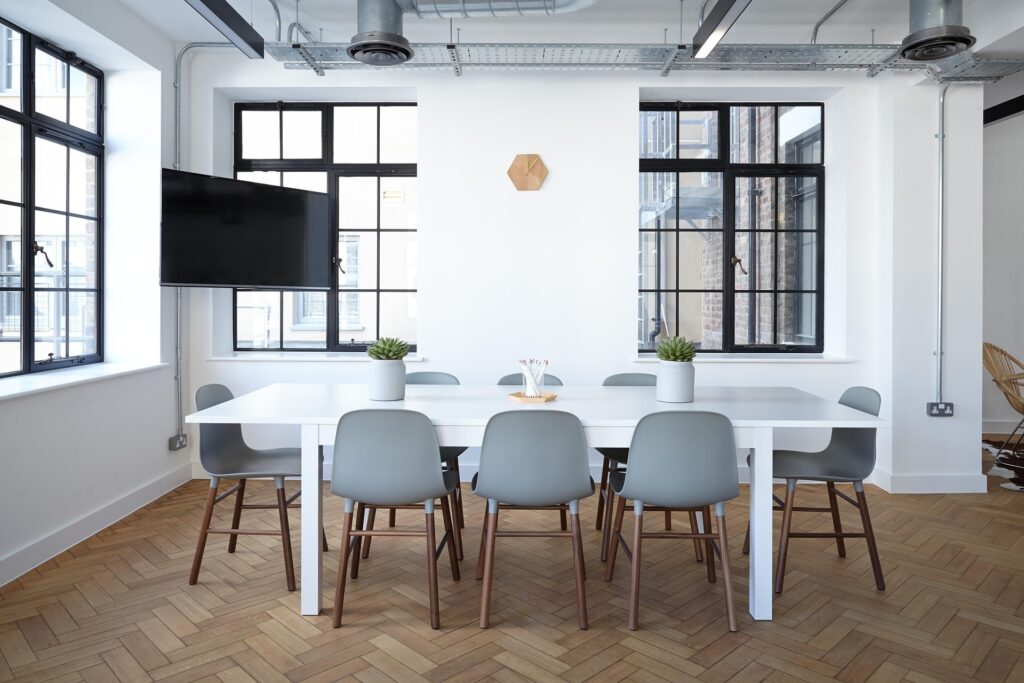
In practice, Facilities Management often takes direct ownership of office design, rather than simply advising on it. In large public-sector environments, Facilities Management departments may manage hundreds of buildings, requiring a structured and standardised approach to space planning and office layouts.
In the City of Cape Town local government, for example, the Facilities Management department took ownership of more than 400 municipal buildings. As part of this responsibility, a dedicated Space Management branch was established within the department.
This branch included architects and office designers who developed office layouts and design specifications, which were then implemented by construction contractors. This ensured consistency, compliance, and long-term operational efficiency across the entire property portfolio.
Turning design concepts into operational workplaces

Facilities Managers bring an operational lens to office design that complements architectural creativity. Decisions around layouts, materials, and systems are evaluated based on maintenance access, durability, cleaning requirements, and lifecycle costs, not just appearance.
By controlling or closely guiding the design process, Facilities Management helps prevent costly issues such as inefficient layouts, poor space utilisation, or finishes that deteriorate quickly under daily use. This approach ensures that offices are practical to operate and adaptable as organisational needs evolve.
Supporting people, compliance, and future needs
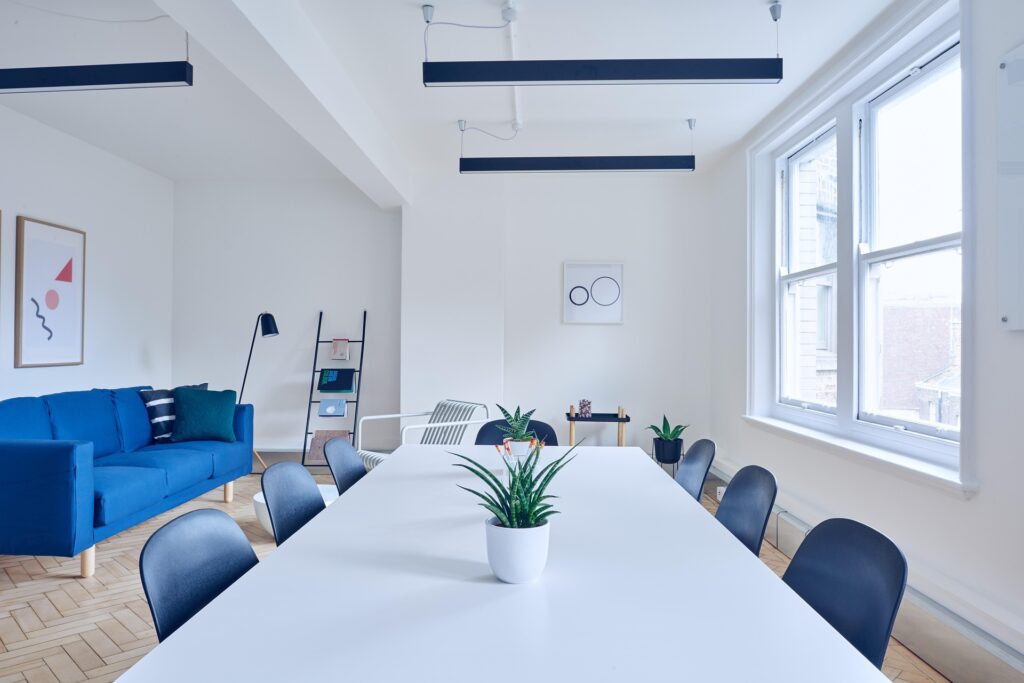
Office design directly affects employee well-being, productivity, and safety. Facilities Managers are responsible for ensuring that lighting, ventilation, acoustics, temperature control, and ergonomics are addressed in a balanced way. Their involvement helps create spaces that support both focused work and collaboration.
Facilities Management also ensures compliance with health, safety, and accessibility regulations. By planning for future growth, changing work patterns, and technology upgrades, FM-led office design helps organisations avoid frequent and disruptive redesigns.
Facilities Managers as workplace designers
Facilities Managers are no longer just caretakers of buildings. They are active contributors to how workplaces are designed, delivered, and sustained. Whether in local government or the private sector, their involvement ensures that office design decisions are practical, compliant, and aligned with long-term operational realities.
When Facilities Management leads or meaningfully shapes office design, the result is not just a better-looking workspace, but one that truly works for the organisation and the people within it.