When most people think of Table Mountain, they picture sweeping views, hiking trails, and one of the world’s most recognisable natural landmarks. What is far less visible is the extensive facilities management operation required to keep this iconic mountain safe, accessible, and environmentally protected every day.
Behind the scenes, Table Mountain functions less like an untouched wilderness and more like a complex, open-air facility. It requires continuous planning, maintenance, monitoring, and coordination across multiple disciplines to balance conservation, tourism, and public safety.
A natural landmark with built infrastructure
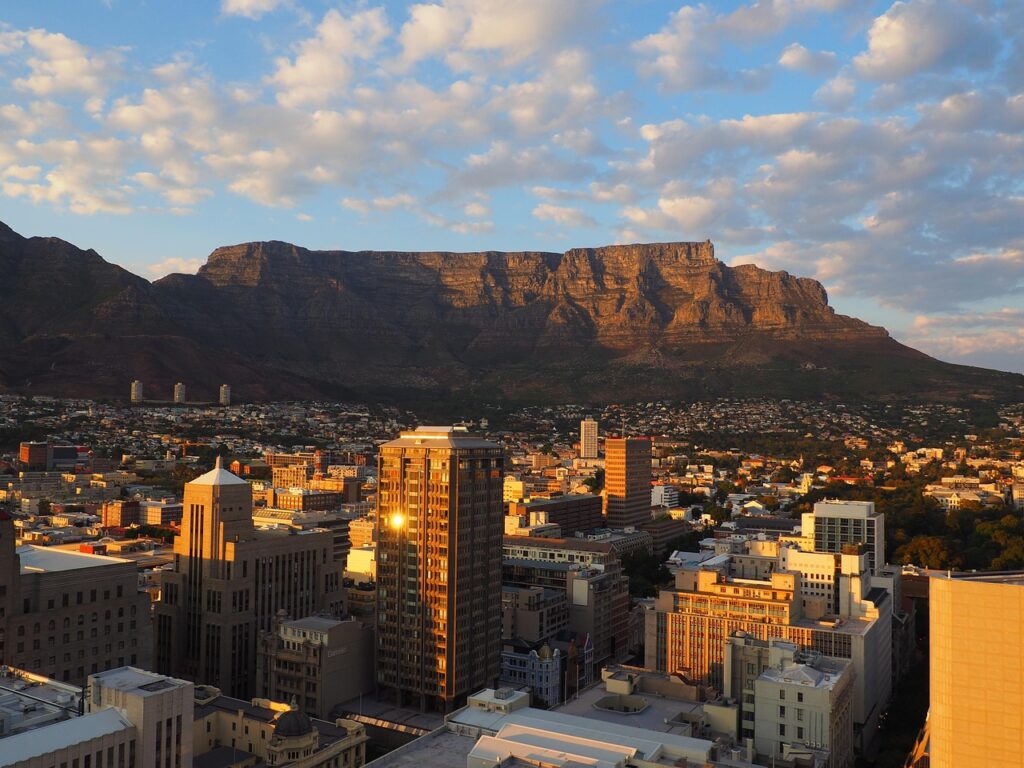
Although Table Mountain is a natural formation, it contains a wide range of built infrastructure that must be actively managed. This includes hiking trails, stairways, boardwalks, signage systems, safety barriers, service roads, waste facilities, and access points.
Each of these elements is exposed to harsh environmental conditions such as wind, rain, heat, and fire risk. Unlike urban facilities, repairs and upgrades cannot simply be carried out with heavy machinery or standard construction methods. Every intervention must be carefully planned to minimise environmental impact.
Managing high visitor volumes
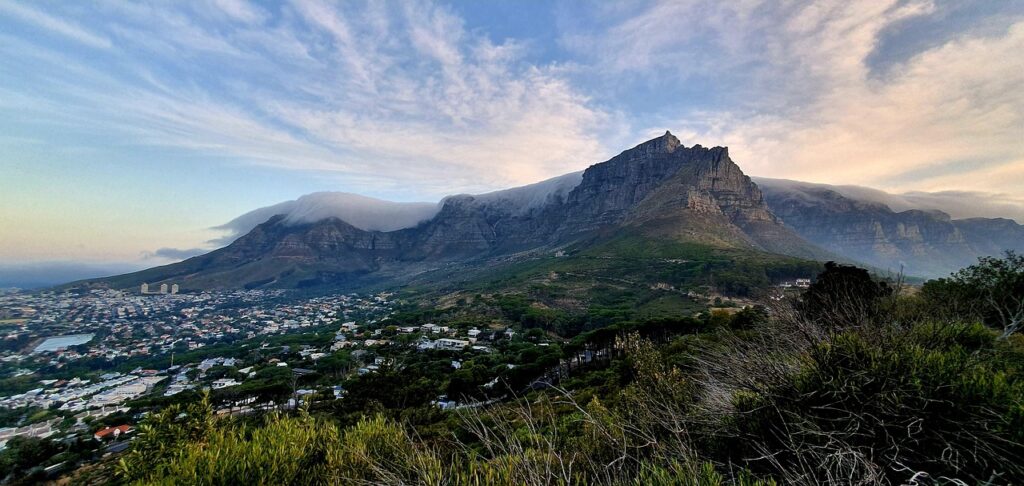
Table Mountain attracts millions of visitors each year, including hikers, tourists, researchers, and local residents. Managing this level of foot traffic is a core facilities challenge.
Trail maintenance, erosion control, and wayfinding systems play a critical role in directing movement and reducing damage to sensitive ecosystems. Poorly maintained paths can quickly become safety hazards or lead to environmental degradation that takes years to reverse.
Facilities planning on Table Mountain is therefore closely tied to visitor behaviour, seasonal patterns, and peak tourism periods.
Safety systems in a natural environment
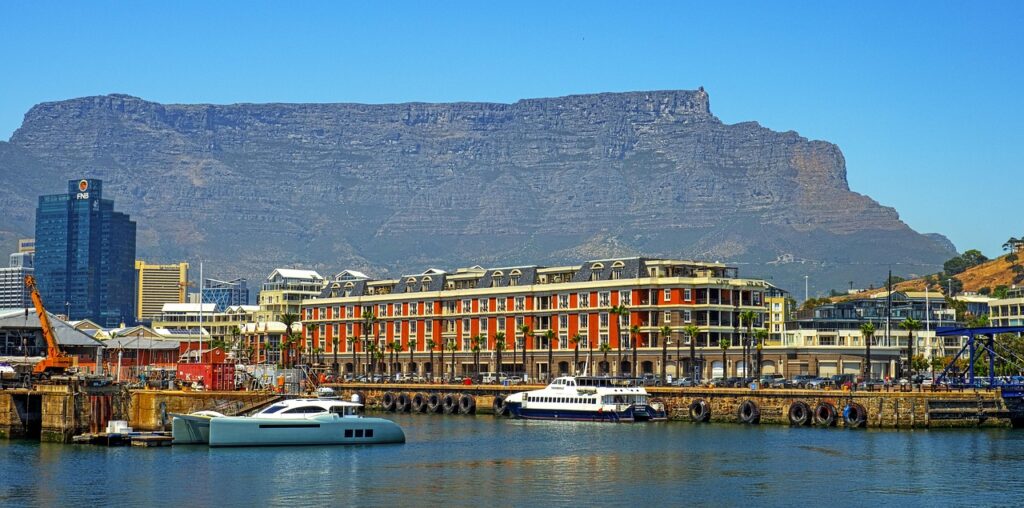
Unlike enclosed facilities, Table Mountain has no walls, gates, or controlled internal spaces. This makes safety management uniquely complex.
Facilities teams must account for emergency response access, rescue routes, communication systems, and clear signage across a vast and rugged landscape. Fire management infrastructure, including firebreaks and access routes, is especially critical in a region prone to wildfires.
These systems must remain effective without disrupting the natural appearance and ecological balance of the mountain.
Environmental management as facilities work
On Table Mountain, environmental management and facilities management are inseparable. Tasks such as alien vegetation removal, erosion mitigation, and water flow control are not optional conservation extras. They are core operational requirements.
Unchecked invasive species can damage infrastructure, increase fire risk, and destabilise soil. Poor water management can erode trails, undermine structures, and impact downstream ecosystems. Facilities planning must therefore work hand in hand with environmental science.
Coordination between multiple stakeholders
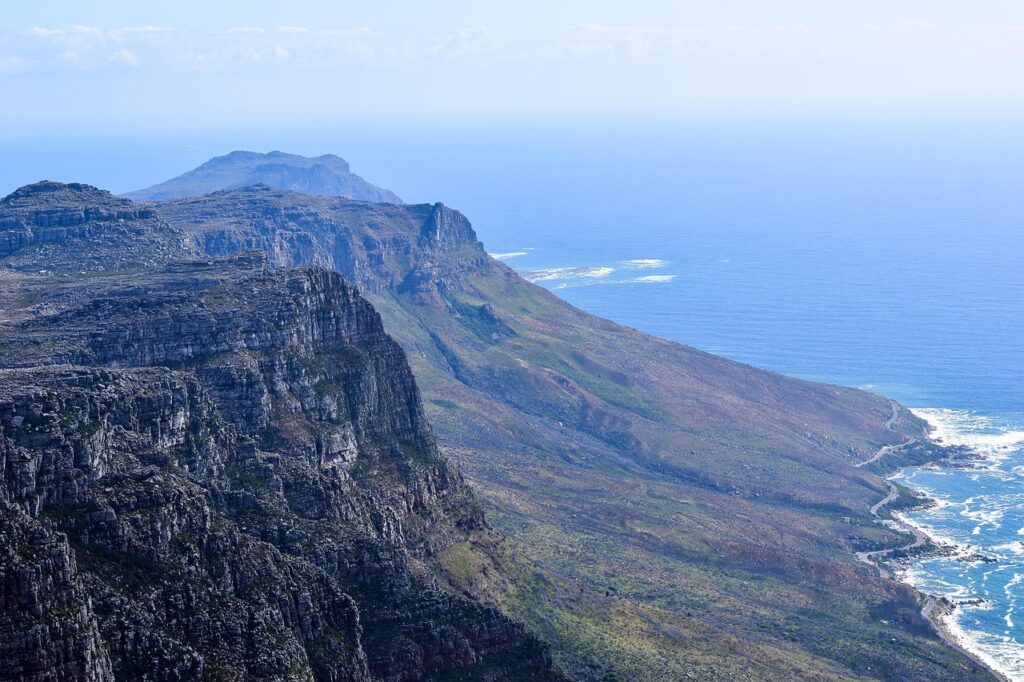
Managing Table Mountain involves collaboration between conservation authorities, tourism operators, emergency services, and municipal bodies. Facilities management decisions must align with environmental regulations, public safety requirements, and tourism needs.
This coordination ensures that infrastructure upgrades, maintenance schedules, and access controls are implemented without conflicting objectives or unintended consequences.
Why Table Mountain matters as a facilities case study
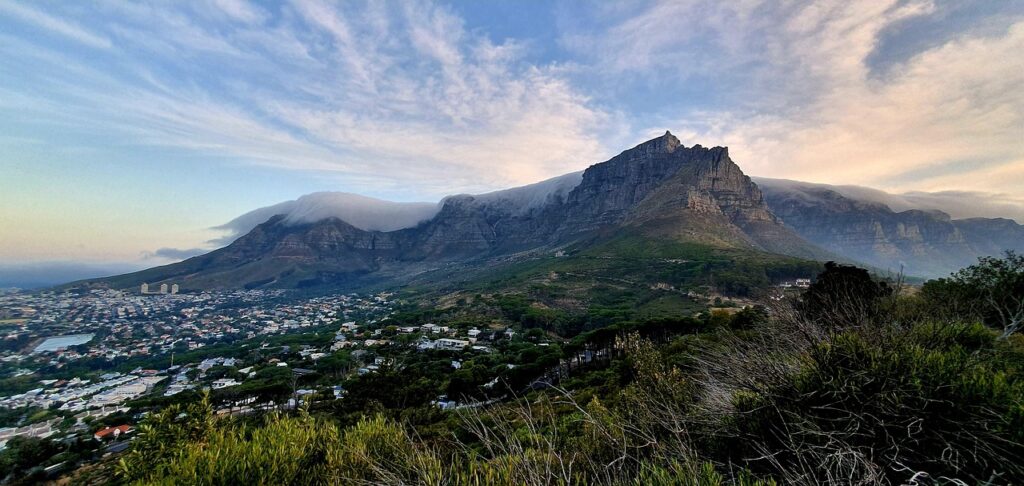
Table Mountain offers valuable lessons for facilities management in other natural and semi-natural environments. It demonstrates how infrastructure can exist within protected landscapes without dominating them, and how long-term planning is essential when replacement or repair is difficult and costly.
From trail design to fire mitigation, Table Mountain highlights the importance of proactive maintenance, data-driven decision-making, and sustainability-focused operations.
More than a landmark
Seen from afar, Table Mountain appears timeless and unchanging. In reality, it is a carefully managed facility that depends on constant behind-the-scenes work to remain safe, accessible, and preserved for future generations.
Understanding this hidden layer of management not only deepens appreciation for the mountain itself, but also highlights the growing role of facilities management in protecting natural landmarks around the world.