Facilities management in protected natural areas presents a unique challenge where environmental conservation, public safety, and infrastructure maintenance must coexist without compromising fragile ecosystems. Unlike urban facilities, these environments demand a careful balance between access and preservation.
In South Africa, sites such as Table Mountain and Tygerberg Nature Reserve highlight how strategic facilities management supports biodiversity protection while enabling tourism, research, and community engagement.
What facilities management means in protected natural areas
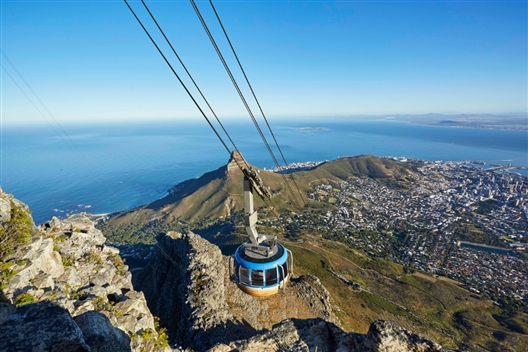
Facilities management in conservation spaces extends beyond buildings and utilities. It includes the upkeep of trails, signage, access roads, visitor centres, waste systems, fencing, and emergency infrastructure, all while ensuring minimal environmental impact.
In protected areas, facilities managers work closely with conservation authorities to ensure that infrastructure supports ecological goals rather than undermines them. This often involves low-impact construction, renewable energy use, and strict maintenance protocols aligned with conservation legislation.
Facilities management on Table Mountain
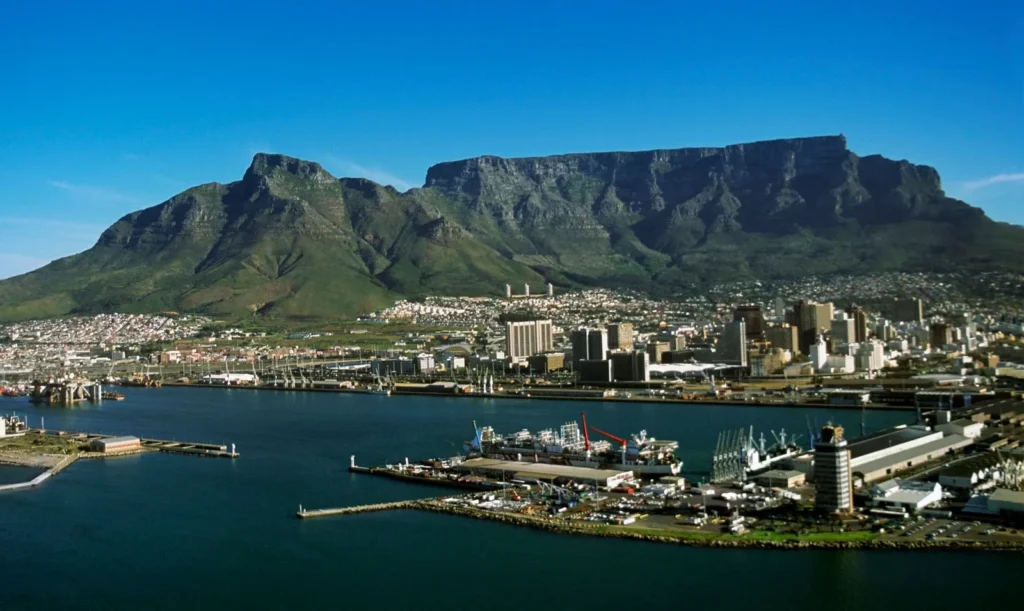
As part of Table Mountain National Park, Table Mountain is one of South Africa’s most visited natural landmarks, welcoming millions of visitors annually. Managing facilities in such a high-traffic protected area requires rigorous planning and ongoing monitoring.
Facilities management here includes maintaining cableway infrastructure, hiking trails, firebreaks, stormwater systems, and public amenities, all while mitigating erosion, managing invasive species, and reducing fire risk. Maintenance schedules are often shaped by seasonal weather patterns and biodiversity cycles rather than standard operational timetables.
Facilities management challenges at Tygerberg Nature Reserve
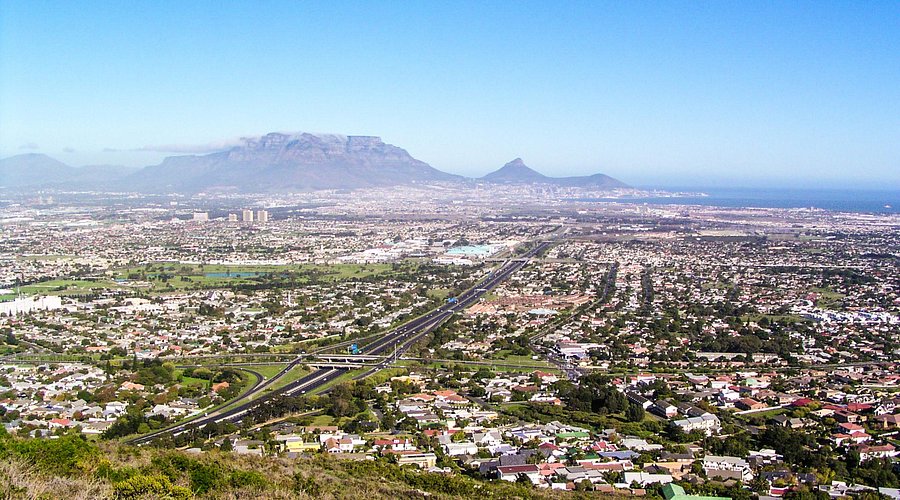
Tygerberg Nature Reserve is a smaller but ecologically significant conservation area, known for its renosterveld vegetation and panoramic views of Cape Town. Facilities management here prioritises ecosystem protection over high visitor throughput.
Key responsibilities include maintaining controlled access points, managing footpaths to prevent habitat degradation, ensuring signage educates visitors on conservation rules, and overseeing fencing to protect wildlife. Limited infrastructure is intentional, requiring facilities teams to adopt a “light-touch” approach focused on preservation rather than expansion.
Balancing public access and conservation
One of the most complex aspects of facilities management in protected natural areas is enabling public access without compromising ecological integrity. Facilities managers play a critical role in directing visitor movement through designated paths, viewing platforms, and controlled entry zones.
At sites like Table Mountain and Tygerberg Nature Reserve, this balance is achieved through thoughtful layout design, routine inspections, and adaptive maintenance strategies that respond to environmental wear, visitor behaviour, and climate conditions.
Sustainability and environmental compliance
Sustainability is central to facilities management in conservation areas. This includes water-wise sanitation systems, solar-powered facilities, erosion control measures, and environmentally safe materials for repairs and upgrades.
Compliance with environmental legislation and conservation frameworks is non-negotiable. Facilities managers must ensure that all maintenance and operational activities align with national environmental laws, local authority regulations, and biodiversity protection mandates.
The role of facilities management in long-term conservation
Effective facilities management supports the long-term resilience of protected natural areas. Well-maintained infrastructure reduces environmental stress, improves visitor safety, and ensures that conservation efforts remain sustainable over time.
By integrating conservation objectives into facilities planning and maintenance, sites such as Table Mountain and Tygerberg Nature Reserve demonstrate how infrastructure can coexist with nature when managed responsibly and strategically.
Managing infrastructure without compromising nature
Facilities management in protected natural areas requires a specialised mindset that prioritises stewardship over convenience. As pressure on natural spaces increases due to tourism, urban expansion, and climate change, the role of facilities management becomes increasingly critical.
Through careful planning, sustainable practices, and close collaboration with conservation bodies, facilities management can help ensure that South Africa’s protected natural areas remain accessible, safe, and ecologically intact for generations to come.