

Table Mountain erosion control is essential for preserving one of South Africa’s most iconic natural landmarks. With thousands of hikers visiting the mountain every week, combined with seasonal rainfall, wind exposure, and natural slope instability, erosion is an ongoing challenge that requires strategic intervention.
Effective Table Mountain erosion control and pathway maintenance protect biodiversity, ensure public safety, and maintain long-term structural integrity across high-traffic trails. Sustainable Systems Technologies recognises that environmental infrastructure management must balance ecological preservation with practical durability.
Understanding Erosion on Table Mountain
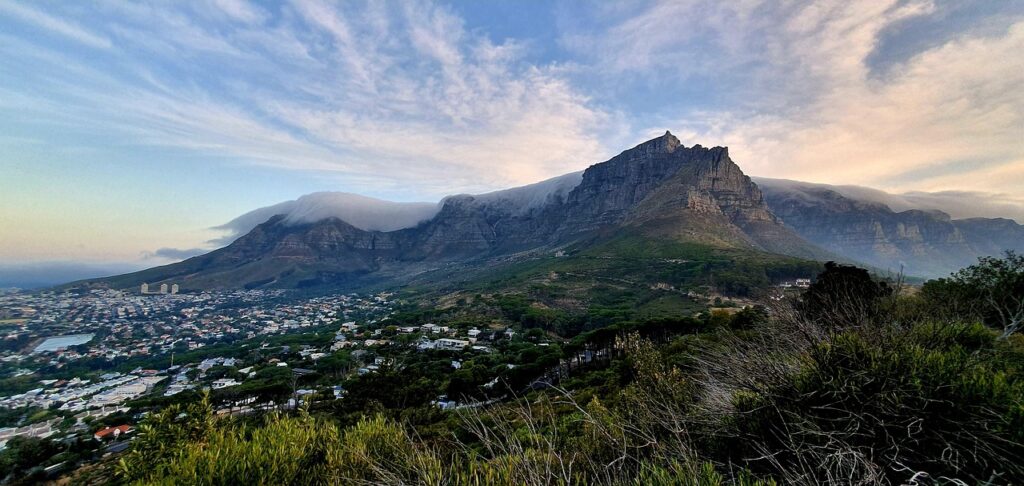
Table Mountain’s geology consists largely of sandstone formations, which are naturally vulnerable to surface wear. When foot traffic combines with heavy winter rainfall in Cape Town, soil displacement accelerates, particularly on steep hiking routes.
Unmanaged erosion leads to widened pathways, exposed tree roots, sediment runoff, and damage to indigenous fynbos vegetation. Over time, this not only degrades the hiking experience but also threatens sensitive ecological zones within the Table Mountain National Park.
Table Mountain erosion control strategies must therefore address both water flow management and trail reinforcement.
Key Erosion Control Strategies
Effective Table Mountain erosion control requires a combination of engineered solutions and environmentally sensitive practices. Because the mountain experiences high foot traffic and seasonal rainfall, erosion cannot be addressed with a single method. Instead, a layered strategy is needed to manage water flow, stabilise surfaces, and protect surrounding vegetation.
By integrating drainage systems, reinforced pathways, and protective structures, erosion can be significantly reduced while preserving the natural beauty and ecological integrity of Table Mountain.
Surface Water Diversion
Proper drainage systems are critical. Installing water bars, contour drains, and stone-lined channels helps redirect runoff away from trails. Without controlled diversion, water naturally follows footpaths, turning them into erosion channels during heavy rainfall.
Strategic water management reduces soil loss and prevents deep gullies from forming along popular hiking routes.
Stone Pitching and Pathway Armouring
Stone pitching involves embedding natural stone into pathways to stabilise the surface. This technique strengthens high-traffic areas and reduces soil displacement.
Pathway armouring is especially effective on steep sections of trails such as Platteklip Gorge, where constant foot traffic would otherwise cause rapid degradation.
Boardwalk Installation
In ecologically sensitive or waterlogged areas, raised boardwalks minimise direct ground contact. This method protects vegetation and prevents compaction of fragile soils.
Boardwalks are particularly useful in areas where seasonal water flow increases the risk of mud erosion.
Pathway Maintenance for Long-Term Sustainability
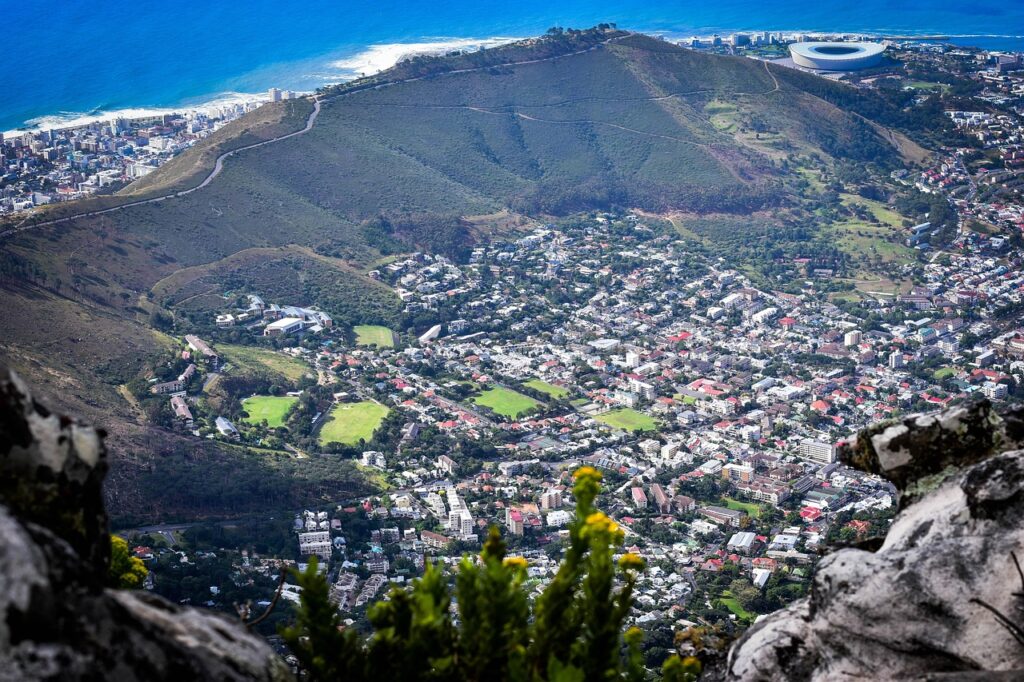
Regular maintenance is just as important as initial erosion control measures. Inspections after winter storms allow teams to identify early signs of damage before they escalate.
Maintenance typically includes:
- Clearing blocked drainage systems
- Replacing displaced stones
- Re-compacting trail surfaces
- Reinforcing weakened sections
Without routine oversight, even well-designed erosion control systems can fail under extreme weather conditions.
Environmental and Safety Considerations
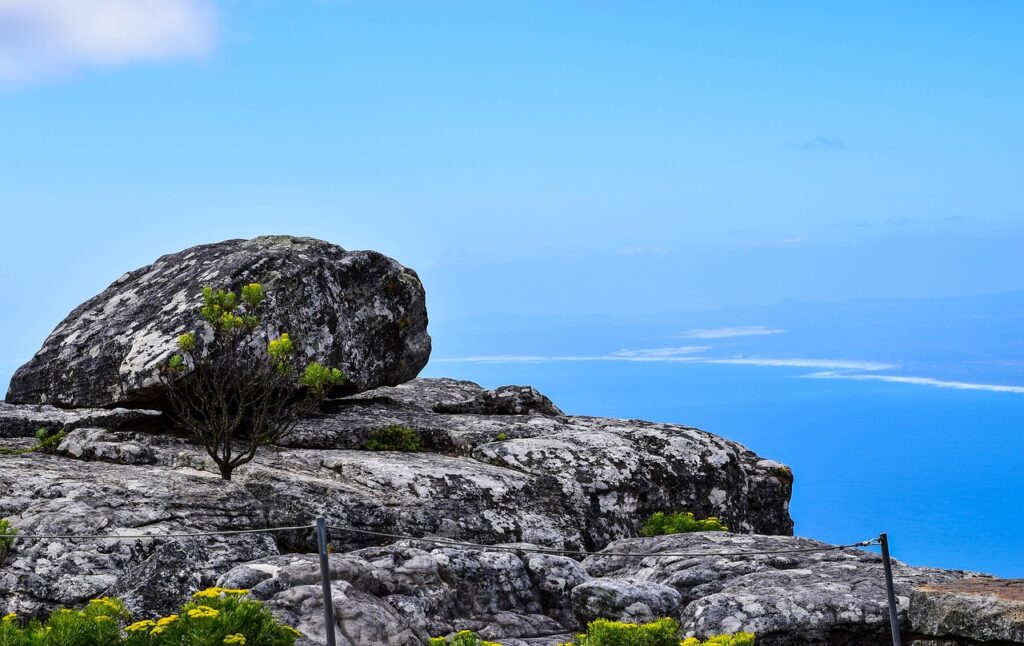
Table Mountain erosion control is not just about protecting the landscape. It is also about safeguarding hikers. Uneven, eroded paths increase the risk of slips and injuries, particularly during wet conditions.
From an environmental perspective, sediment runoff can affect lower-lying ecosystems and water systems. Protecting trails helps protect the broader environmental network that makes Table Mountain globally significant.
Sustainable erosion management ensures that tourism, conservation, and public safety coexist effectively.
Protecting an Icon Through Smart Infrastructure
Table Mountain erosion control requires a proactive, integrated approach. Combining drainage engineering, pathway reinforcement, ecological awareness, and ongoing maintenance ensures that this natural landmark remains accessible and protected for future generations.
Infrastructure solutions must work with nature rather than against it. With the right systems in place, pathway durability and environmental preservation can go hand in hand.


