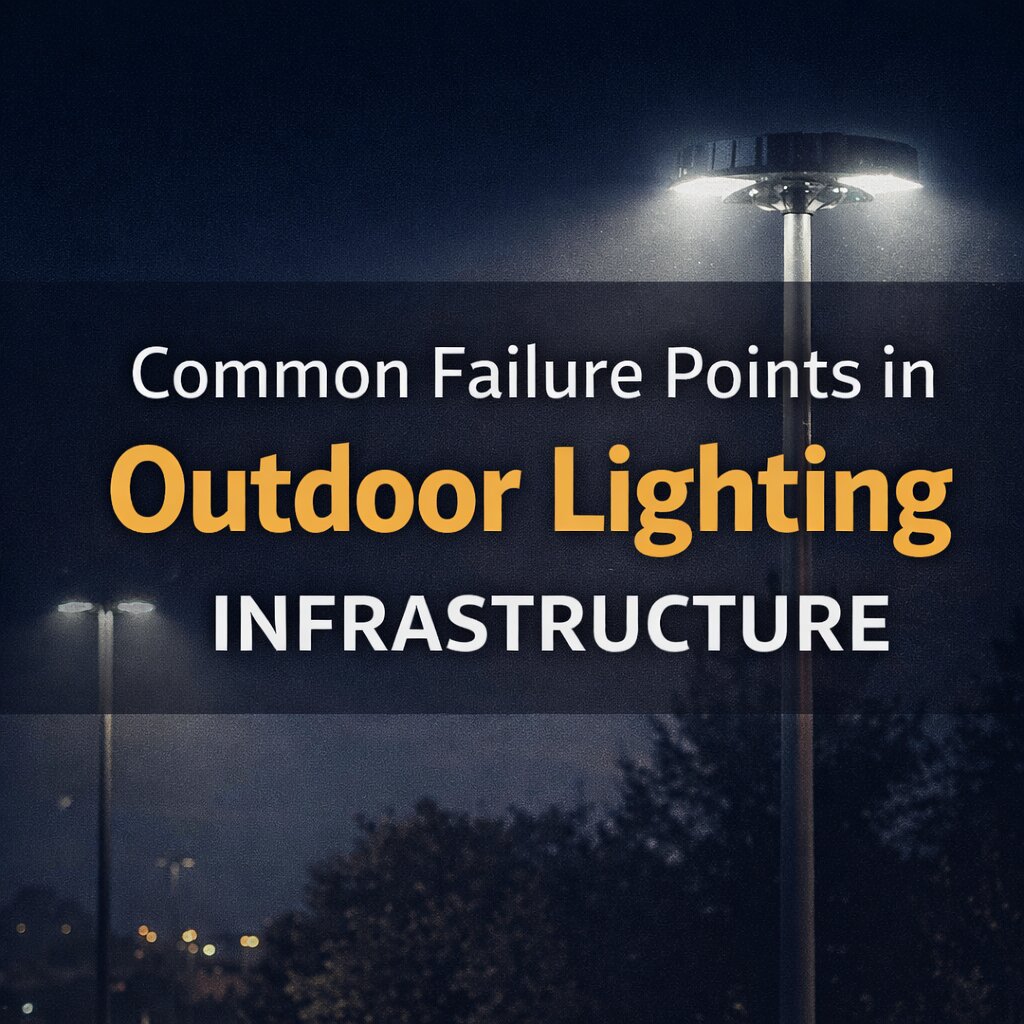
Outdoor lighting infrastructure plays a critical role in public safety, property security, and operational efficiency. From streetlights and parking lot lighting to pathway and perimeter systems, reliable illumination reduces accidents, deters crime, and improves visibility in all weather conditions.
However, outdoor lighting infrastructure is constantly exposed to environmental stress, mechanical strain, and electrical demands. Over time, even well-designed systems begin to show signs of failure.
Understanding the common failure points in outdoor lighting infrastructure allows property managers, municipalities, and facility operators to move from reactive repairs to proactive maintenance strategies.
Electrical component degradation
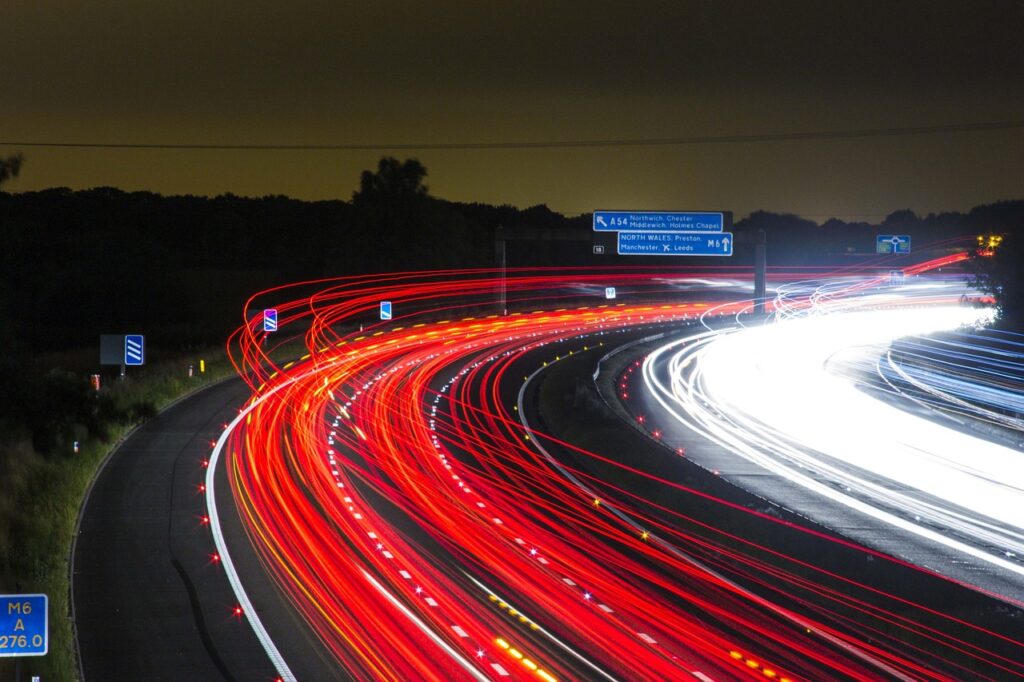
One of the most common failure points in outdoor lighting infrastructure is electrical component degradation.
Wiring and cable insulation breakdown
Outdoor wiring is exposed to moisture, UV radiation, temperature fluctuations, and mechanical damage. Over time, insulation can crack or deteriorate, leading to short circuits, voltage drops, and intermittent lighting failures.
In coastal environments such as Cape Town, salt-laden air accelerates corrosion in electrical connections and junction boxes, increasing the risk of failure.
Loose or corroded connections
Corrosion inside connectors and distribution boxes is a major contributor to lighting outages. Poor sealing, aging gaskets, and improper installation can allow moisture ingress, resulting in resistance buildup and overheating.
Regular inspection and proper sealing significantly reduce this risk.
Fixture and housing deterioration
Outdoor lighting infrastructure depends heavily on durable fixture design. When housings fail, internal components quickly follow.
Water ingress
Damaged seals, cracked lenses, and degraded gaskets allow water to enter luminaires. This can cause:
- LED driver failure
- Electrical shorts
- Accelerated corrosion
- Reduced light output
Water ingress is especially common in older fittings not designed for modern IP-rated performance standards.
Structural fatigue and mounting failures
Poles and brackets endure constant wind loading, vibration from traffic, and temperature-related expansion and contraction. Over time, mounting bolts loosen and metal fatigue develops, increasing the risk of tilt or collapse.
Routine structural inspections are essential for preventing safety hazards.
LED and driver-related failures

While LED technology is more durable than older lighting systems, it is not immune to failure.
Driver burnout
The LED driver is often the first electronic component to fail. Voltage surges, overheating, and poor-quality components can shorten its lifespan.
Surge protection devices are crucial in outdoor lighting infrastructure, particularly in regions prone to lightning or grid instability.
Thermal management issues
Heat is the enemy of LED longevity. If fixtures are poorly ventilated or installed in high-temperature environments without adequate airflow, LED chips degrade faster, leading to dimming and colour shift.
Design considerations must include proper thermal dissipation.
Environmental and external damage

Outdoor lighting infrastructure is exposed to far more than weather.
Vandalism and impact damage
Streetlights and public lighting installations are often subject to vandalism, vehicle impact, or accidental mechanical damage. Broken lenses and bent poles compromise both safety and performance.
Protective barriers and impact-resistant materials reduce these risks.
Vegetation interference
Overgrown trees and plant growth can obstruct light distribution and place strain on overhead cables. Root systems may also destabilise pole foundations.
Regular landscaping maintenance is part of effective lighting management.
Poor maintenance and lifecycle neglect
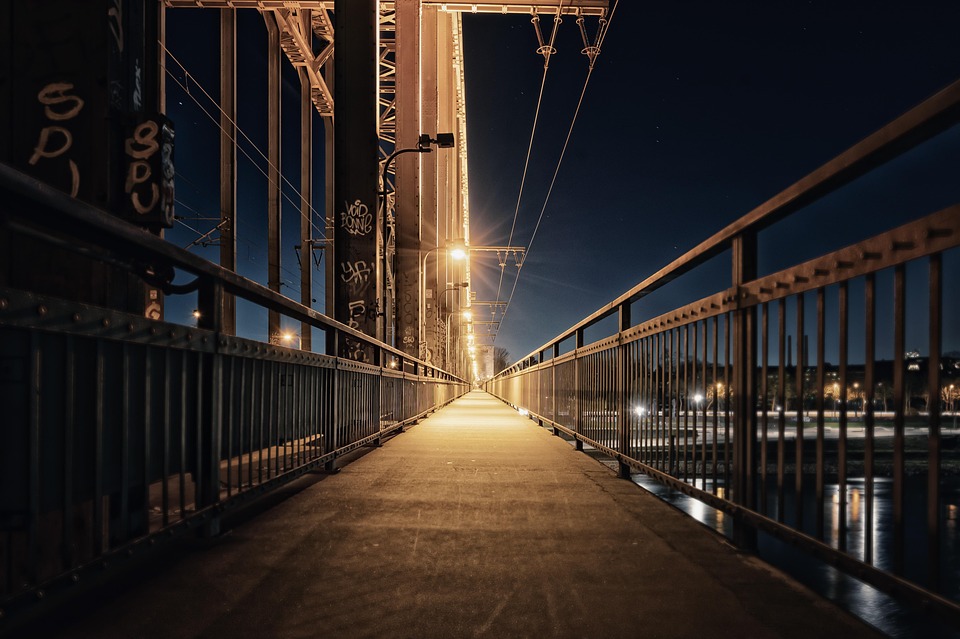
Many lighting failures are not caused by design flaws but by inadequate maintenance planning.
Deferred maintenance leads to:
- Cluster failures
- Uneven lighting distribution
- Increased energy consumption
- Higher emergency repair costs
A structured asset management plan extends the lifespan of outdoor lighting infrastructure and improves long-term cost efficiency.
Moving from reactive repairs to proactive management
Understanding the common failure points in outdoor lighting infrastructure is the first step toward smarter facilities management.
Preventative inspections, surge protection, corrosion-resistant materials, proper sealing, and thermal-aware design significantly reduce system downtime.
For municipalities, commercial property owners, and facilities managers, investing in preventative strategies ensures safer environments, lower long-term costs, and improved infrastructure resilience.
Outdoor lighting infrastructure is not just about illumination. It is about safety, reliability, and operational sustainability. If your outdoor lighting infrastructure requires assessment, maintenance planning, or performance optimisation, contact SST for expert support and practical solutions.