Modern commercial buildings are under increasing pressure to reduce energy costs, meet sustainability targets, and improve occupant comfort. Two of the most effective strategies in smart lighting design are motion sensors and daylight harvesting. When implemented correctly, these technologies work together to deliver measurable savings while enhancing the overall performance of a space.
From office buildings and retail centres to warehouses and educational facilities, motion sensors and daylight harvesting are no longer optional upgrades. They are becoming core components of intelligent, energy-efficient commercial lighting systems.
How Motion Sensors Improve Commercial Lighting Efficiency

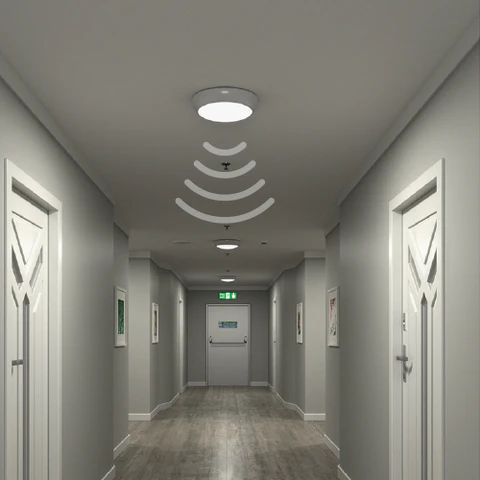
Motion sensors detect occupancy within a defined area and automatically control lighting based on movement. Instead of relying on manual switches or fixed schedules, motion sensors ensure that lights operate only when spaces are in use.
In high-traffic environments such as corridors, restrooms, meeting rooms, and parking areas, motion sensors prevent lights from remaining on unnecessarily. This immediate response to occupancy significantly reduces wasted energy and extends the lifespan of lighting fixtures.
There are several types of motion detectors used in commercial settings, including passive infrared sensors, ultrasonic sensors, and dual-technology units. Selecting the right motion sensors depends on ceiling height, room layout, and expected activity levels. Proper placement is critical to avoid blind spots and false triggers.
Beyond energy savings, motion sensors also improve convenience and safety. Staff and visitors do not need to search for switches in dark areas, and facilities managers benefit from automated control that reduces human error.
Understanding Daylight Harvesting in Commercial Spaces
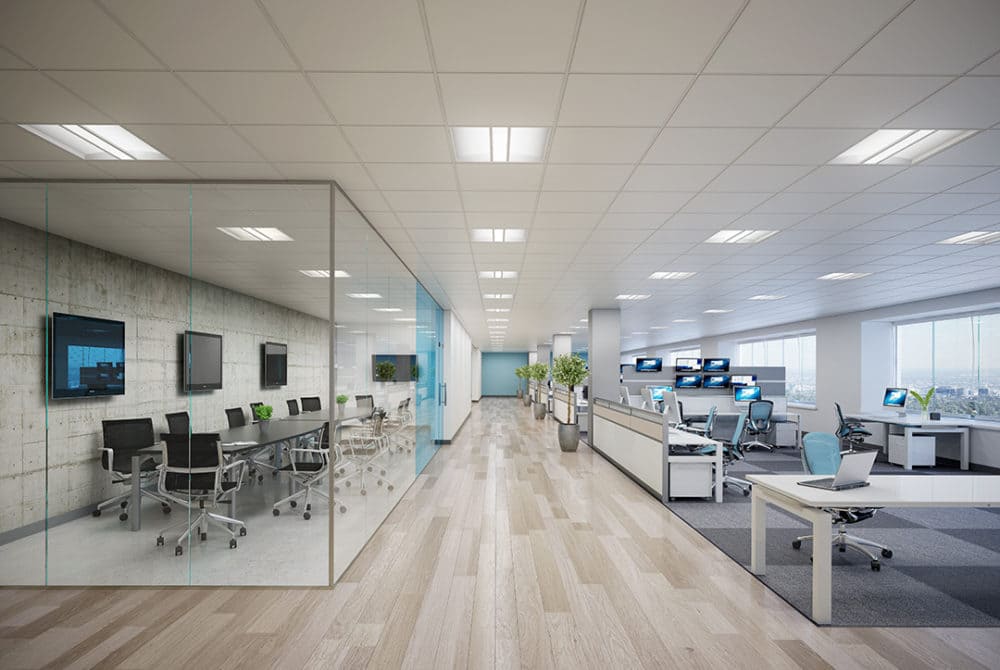
Daylight harvesting uses natural sunlight to supplement artificial lighting. Sensors measure available daylight in a space and automatically dim or switch off electric lighting when sufficient natural light is present.
In buildings with large windows, skylights, or glazed façades, daylight harvesting can dramatically reduce electricity consumption during daylight hours. Instead of running lighting systems at full output, the system continuously adjusts to maintain a consistent illumination level.
Daylight harvesting works best in open-plan offices, atriums, retail floors, and educational facilities where natural light penetration is strong. By pairing daylight harvesting controls with zoning strategies, lighting output can be adjusted in specific areas rather than across an entire floor.
This approach not only lowers energy costs but also improves occupant wellbeing. Exposure to natural light has been linked to increased productivity, reduced eye strain, and better overall comfort in commercial environments.
The Synergy Between Motion Sensors and Daylight Harvesting
While motion detectors and daylight harvesting can operate independently, their combined application creates a highly efficient lighting strategy.
Motion sensors ensure lights operate only when a space is occupied. Daylight harvesting ensures lights operate only at the required brightness level. Together, they eliminate both time-based and light-level-based waste.
In a typical commercial office, for example, daylight harvesting may dim perimeter lighting during sunny hours. If a meeting room remains empty, motion sensors keep lights off entirely. When occupants enter, motion detectors activate the system, and daylight harvesting immediately adjusts output based on available natural light.
This layered control strategy can significantly reduce overall lighting energy consumption. For facilities aiming to meet green building certifications or corporate sustainability goals, integrating motion sensors and daylight harvesting is often a foundational step.
Key Design Considerations for Implementation
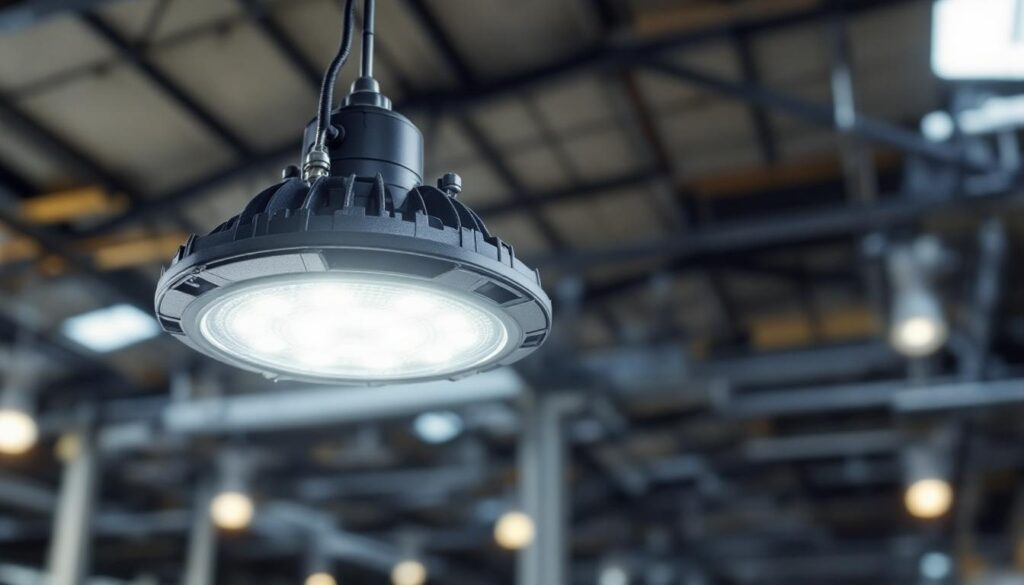
When specifying motion sensors and daylight harvesting systems, careful planning ensures optimal performance.
- Conduct a detailed lighting audit to identify high-usage and low-usage zones
- Position motion sensors to account for obstructions, ceiling height, and typical movement patterns
- Calibrate daylight harvesting sensors to avoid over-dimming or flickering
- Integrate controls with a central building management system for monitoring and adjustment
- Provide user override options where operational flexibility is required
Proper commissioning is essential. Even the most advanced motion sensors and daylight harvesting systems require fine-tuning to match the building’s specific layout and occupancy patterns.
Long-Term Benefits for Commercial Facilities
The financial case for motion sensors and daylight harvesting is compelling. Reduced energy consumption translates directly into lower operating costs. Additionally, fewer lighting hours extend fixture and lamp life, reducing maintenance expenses.
From a sustainability perspective, both motion sensors and daylight harvesting contribute to lower carbon emissions. Businesses seeking to demonstrate environmental responsibility can point to measurable reductions in electricity usage.
Importantly, these technologies also enhance occupant experience. Spaces feel responsive, well-lit, and comfortable without unnecessary glare or excessive brightness.
As commercial buildings continue to evolve toward smarter, more sustainable designs, motion sensors and daylight harvesting are no longer emerging trends. They are proven strategies that deliver efficiency, compliance, and long-term value.