

Table Mountain lessons provide valuable insights for conservationists, city planners, and environmental managers around the world. As one of South Africa’s most iconic natural landmarks, Table Mountain demonstrates how protected areas can successfully balance environmental preservation, tourism, and urban development.
Located within the Table Mountain National Park, the mountain is part of the globally recognised UNESCO Cape Floral Region World Heritage Site. The area protects a unique ecosystem that contains thousands of plant species found nowhere else on Earth.
Managing such a popular natural destination comes with complex challenges. High visitor numbers, fire risks, invasive species, and climate pressures all require careful management to maintain ecological balance.
By examining the Table Mountain lessons learned through decades of conservation work, other protected areas can better understand how to manage biodiversity while supporting responsible tourism and community engagement.
Conservation Success Through Strong Governance
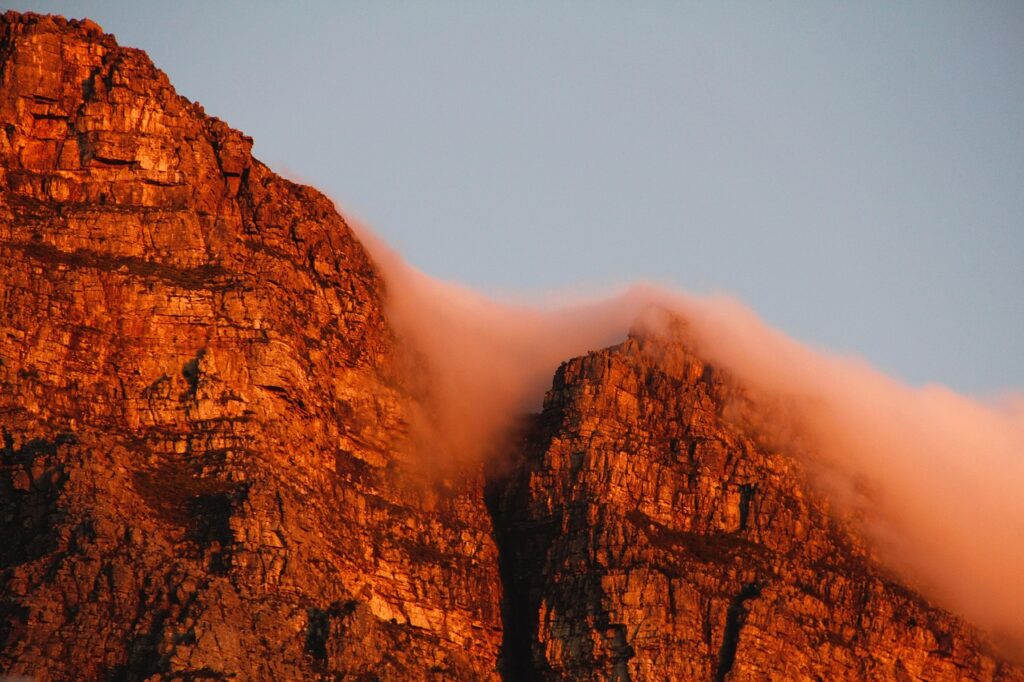
One of the most important Table Mountain lessons is the value of strong governance and structured environmental management. The park is managed by South African National Parks, which oversees conservation strategies, visitor management, and long-term sustainability planning.
Clear governance structures ensure that conservation priorities remain central to decision-making. Environmental management plans guide how infrastructure, tourism, and ecological protection are balanced within the park.
Another key factor has been collaboration between national authorities, local governments, scientists, and environmental organisations. These partnerships help coordinate research, monitoring, and policy development across the entire protected landscape.
For other protected areas, this highlights how clear management frameworks and strong institutional support are essential for protecting sensitive ecosystems.
Managing Tourism Without Damaging Ecosystems
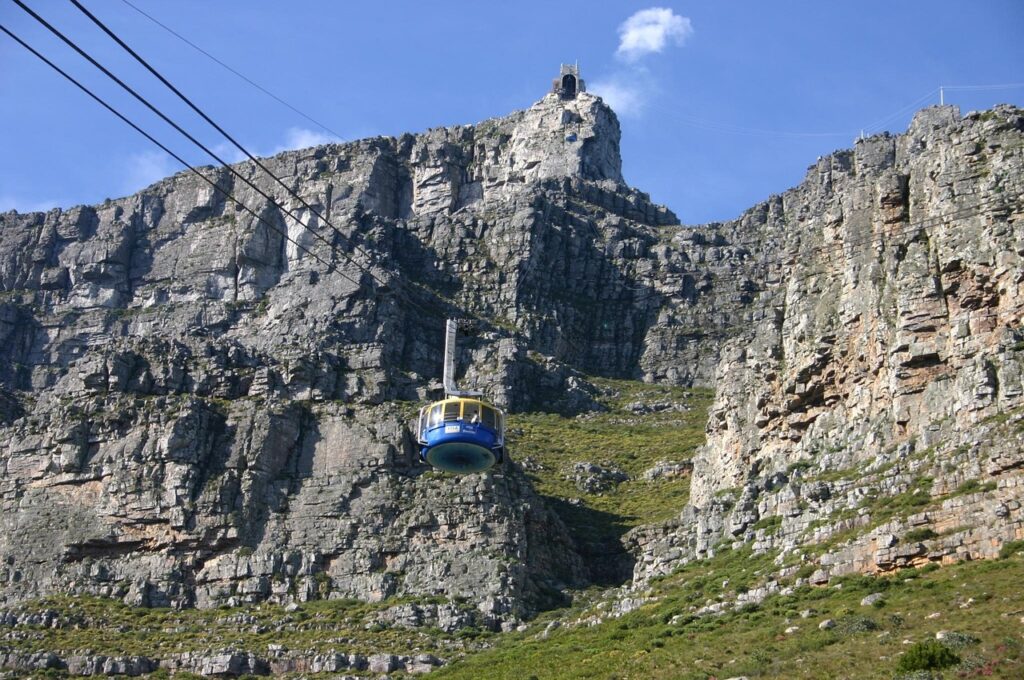
Tourism is both an opportunity and a challenge for protected areas. Table Mountain attracts millions of visitors every year, making visitor management one of the most important Table Mountain lessons for other conservation sites.
Infrastructure such as controlled trails, viewing areas, and transport systems helps guide visitors through the park while reducing environmental impact. These systems protect fragile habitats by keeping tourists within designated areas.
Education also plays a major role in conservation. Visitors are encouraged to follow responsible tourism practices, respect wildlife, and avoid damaging vegetation within the park.
For many protected areas worldwide, the Table Mountain lessons demonstrate how tourism can support conservation when managed responsibly.
Key Table Mountain Lessons For Protected Areas
Several important Table Mountain lessons can help guide conservation efforts in other natural reserves and protected sites:
- Balance tourism with environmental protection
- Implement strong conservation governance structures
- Invest in scientific research and ecological monitoring
- Control invasive plant species and protect native biodiversity
- Develop sustainable visitor infrastructure
- Promote environmental education and public awareness
These strategies allow protected areas to remain accessible while preserving their natural ecosystems for future generations.
Biodiversity Protection And Ecosystem Management
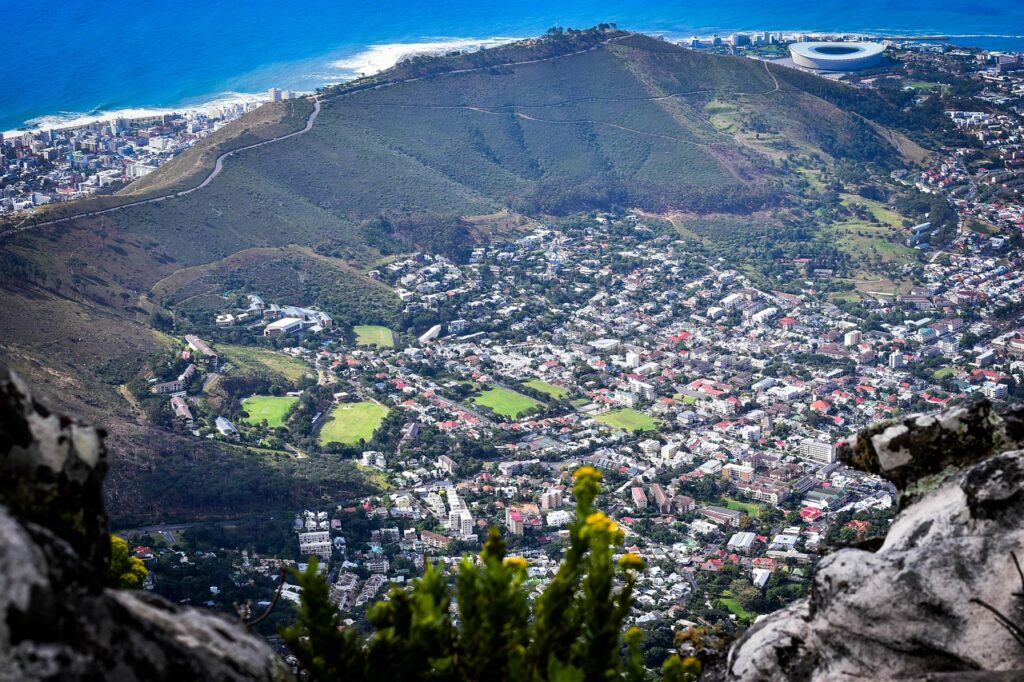
Another important aspect of the Table Mountain lessons involves protecting biodiversity through long-term ecological management. The mountain forms part of the Cape Floristic Region, one of the most biologically diverse plant ecosystems in the world.
Conservation teams regularly monitor vegetation health, wildlife populations, and environmental conditions across the park. These monitoring systems help identify threats such as invasive species or climate-related changes.
Fire management is another major responsibility within the park. While fires are a natural part of the fynbos ecosystem, they must be carefully managed to prevent damage to surrounding communities and critical habitats.
The Table Mountain lessons show how science-based management approaches can help maintain ecological balance in complex natural environments.
Sustainable Infrastructure And Environmental Planning
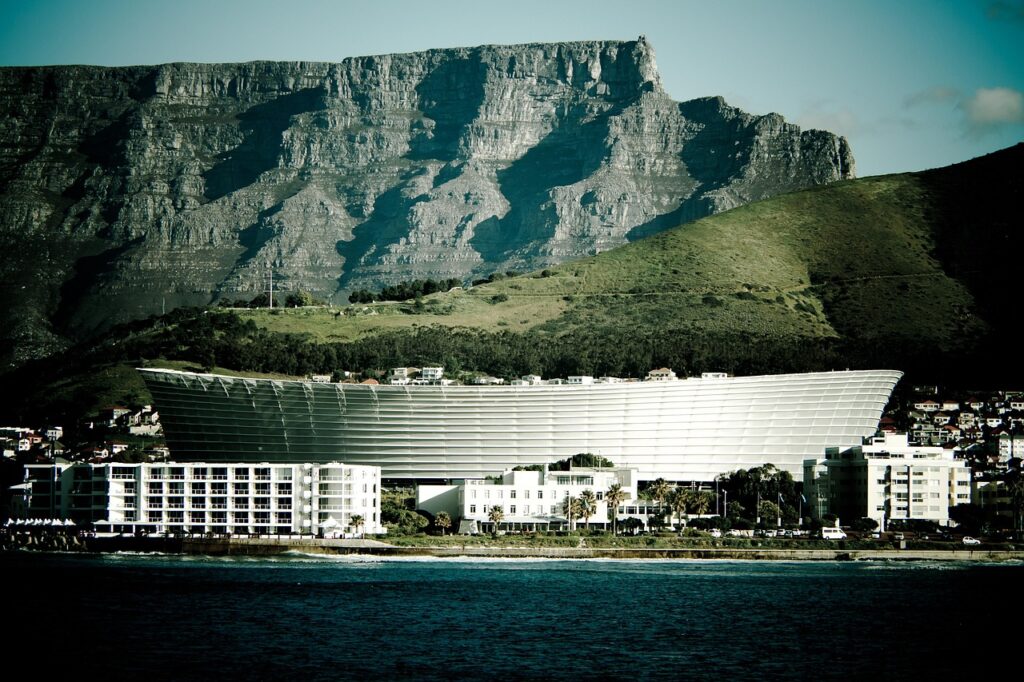
Infrastructure development within protected areas requires careful planning. Roads, visitor centres, trails, and transport systems must support tourism while minimising environmental disruption.
One of the key Table Mountain lessons is the importance of integrating infrastructure into the natural landscape rather than dominating it. Facilities are designed to blend into the environment and minimise their ecological footprint.
Environmental planning also includes water management, waste control, and responsible land use policies that protect sensitive habitats.
For other protected sites around the world, the Table Mountain lessons highlight how infrastructure can support conservation rather than undermine it.
A Model For Protected Areas Worldwide
The experience of managing Table Mountain offers valuable insights for conservation leaders across the globe. From governance and biodiversity protection to tourism management and environmental planning, the Table Mountain lessons provide a model that many protected areas can learn from.
As environmental pressures increase worldwide, protected sites must balance conservation with the needs of visitors and surrounding communities.
By studying the Table Mountain lessons, conservation managers can develop strategies that protect natural heritage while allowing people to responsibly experience these remarkable landscapes.


