Power distribution systems form the backbone of modern buildings and infrastructure. From commercial offices and hospitals to factories and data centres, these systems ensure that electricity is delivered safely and efficiently to every part of a facility. Without well-designed power distribution systems, even the most advanced buildings would struggle to operate reliably.
As facilities become more complex, the demand for dependable electrical infrastructure continues to grow. Modern buildings rely on extensive networks of equipment, automation systems, lighting, climate control, and digital technology. Power distribution systems must support all of these functions while maintaining safety, reliability, and energy efficiency.
In large facilities, electricity must travel from utility connections through multiple layers of transformers, switchgear, and distribution panels before reaching individual devices. Each component plays a critical role in ensuring that electrical energy flows smoothly throughout the building.
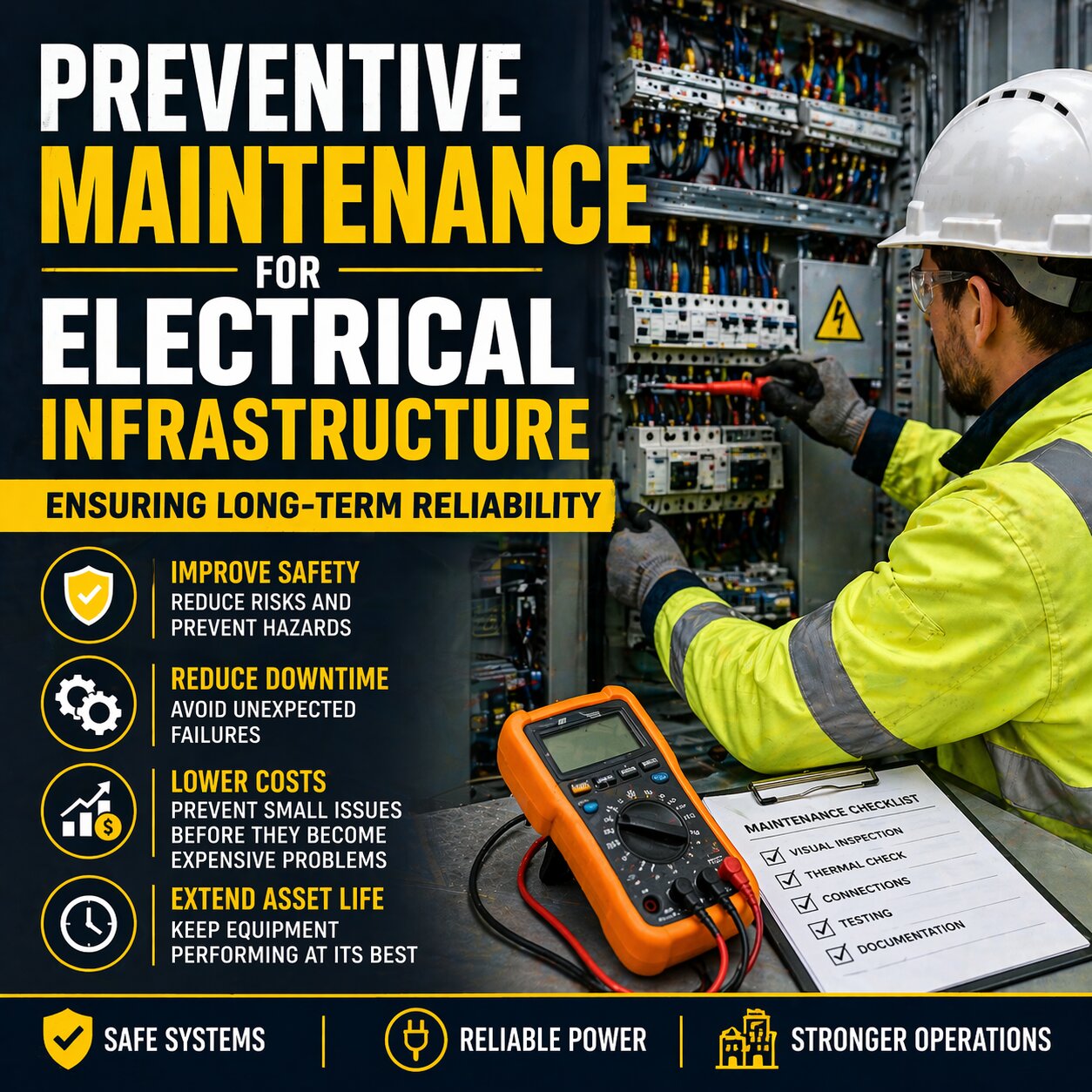
Understanding how power distribution systems work is essential for facility managers, engineers, and property developers. Proper planning and maintenance help prevent outages, reduce energy waste, and ensure that buildings operate safely under varying loads.
What are power distribution systems?
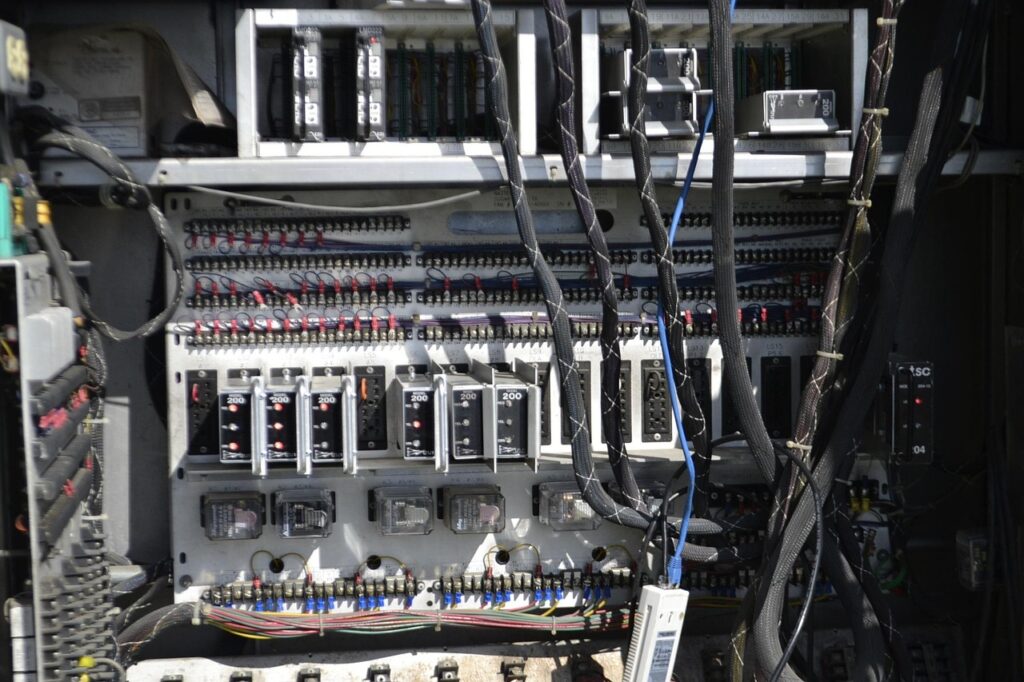
Power distribution systems refer to the infrastructure that delivers electricity from a main power source to the various electrical loads within a building or facility. These systems control how electrical energy is routed, regulated, and protected as it moves through the network.
Typically, electricity enters a facility from the local utility grid at a high voltage. Transformers then reduce the voltage to levels suitable for building operations. From there, power distribution systems divide the electricity across multiple circuits that supply lighting, equipment, and other electrical systems.
Distribution equipment is designed to manage electrical loads safely and efficiently. Switchgear and circuit breakers control the flow of electricity, protecting equipment and occupants from overloads or faults. These protective mechanisms are essential in preventing electrical fires and system failures.
In modern buildings, power distribution systems are also integrated with monitoring technology that tracks energy usage and system performance. This allows facility managers to detect potential issues early and optimise power consumption.
Core components of modern power distribution systems
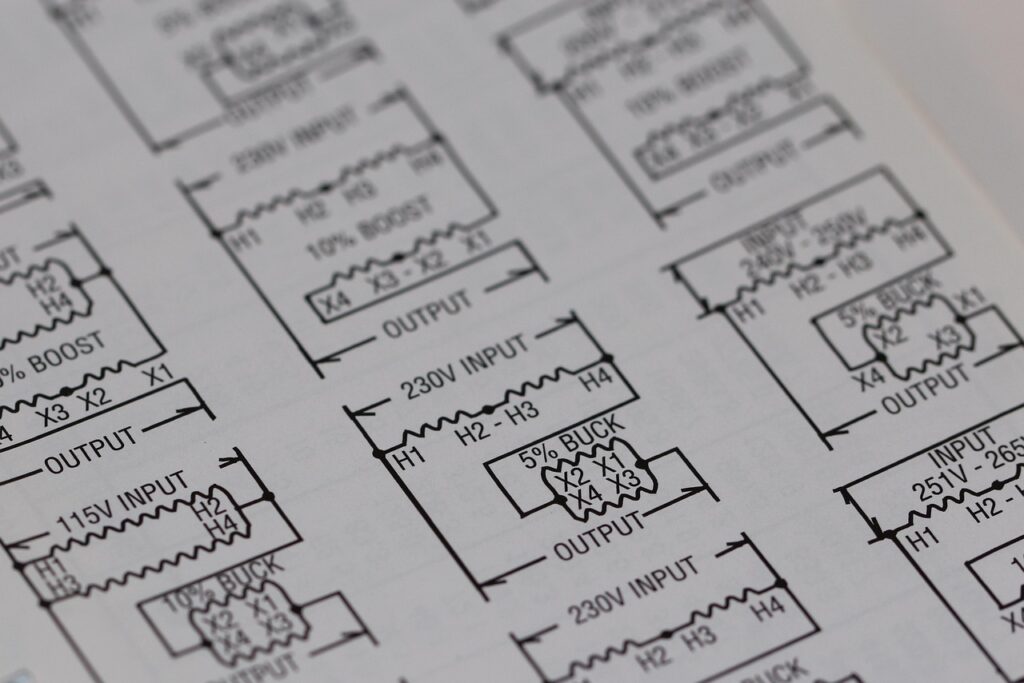
Modern power distribution systems rely on several key components that work together to manage the flow of electricity across a facility. Each component performs a specific role within the distribution network.
Common components of power distribution systems include:
- Transformers
- Main switchgear
- Distribution boards and panels
- Circuit breakers and protective devices
- Busbars and cabling systems
- Backup power systems, such as generators and UPS units
Transformers are responsible for adjusting voltage levels so electricity can be safely used by building equipment. High-voltage electricity from the grid is stepped down to lower voltages suitable for facility operations.
Switchgear and circuit breakers act as control and protection devices within the system. They regulate power flow and isolate sections of the network during faults or maintenance.
Distribution boards divide electricity into smaller circuits that feed different areas of a building. This structured approach ensures that individual zones receive reliable power without overloading the system.
The importance of reliable electrical distribution
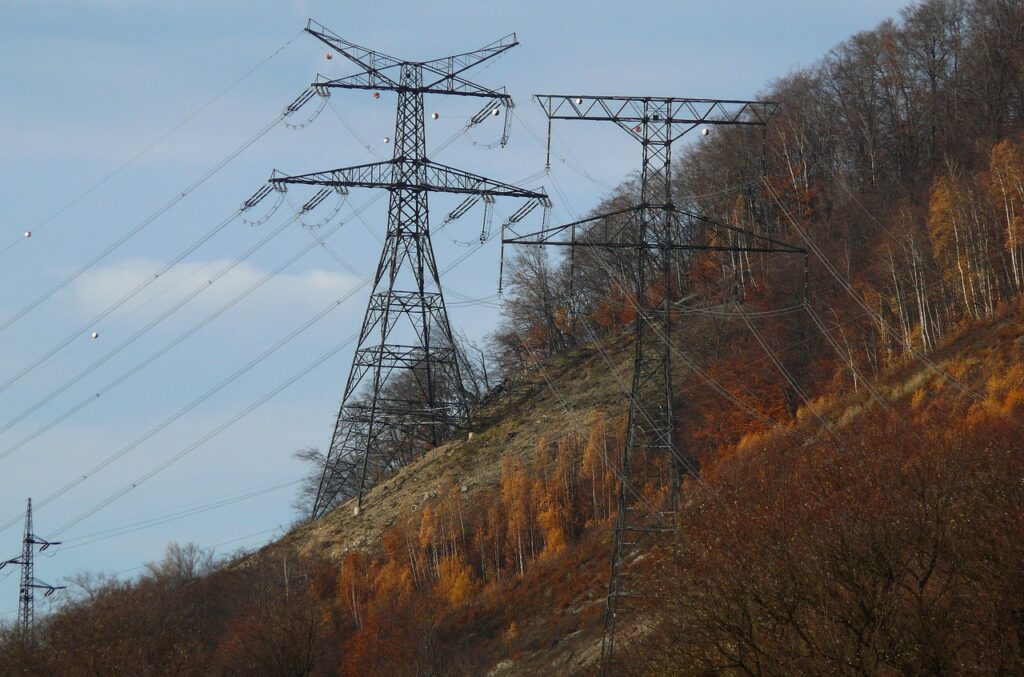
Reliable power distribution systems are essential for maintaining the continuous operation of modern facilities. Even short interruptions in electrical supply can cause significant disruptions, particularly in environments such as hospitals, manufacturing plants, and data centres.
In healthcare facilities, for example, electrical systems power life-saving equipment, medical imaging devices, and patient monitoring systems. Any interruption in power could put patient safety at risk. Power distribution systems must therefore include redundant power supplies and backup systems.
Industrial facilities also rely heavily on stable electrical distribution. Production lines, robotics, and automated equipment require consistent power to operate efficiently. Electrical faults can lead to costly downtime and equipment damage.
Commercial buildings depend on reliable power for lighting, elevators, HVAC systems, and security infrastructure. A well-designed distribution network ensures that these systems operate seamlessly throughout the day.
Smart technologies in power distribution systems
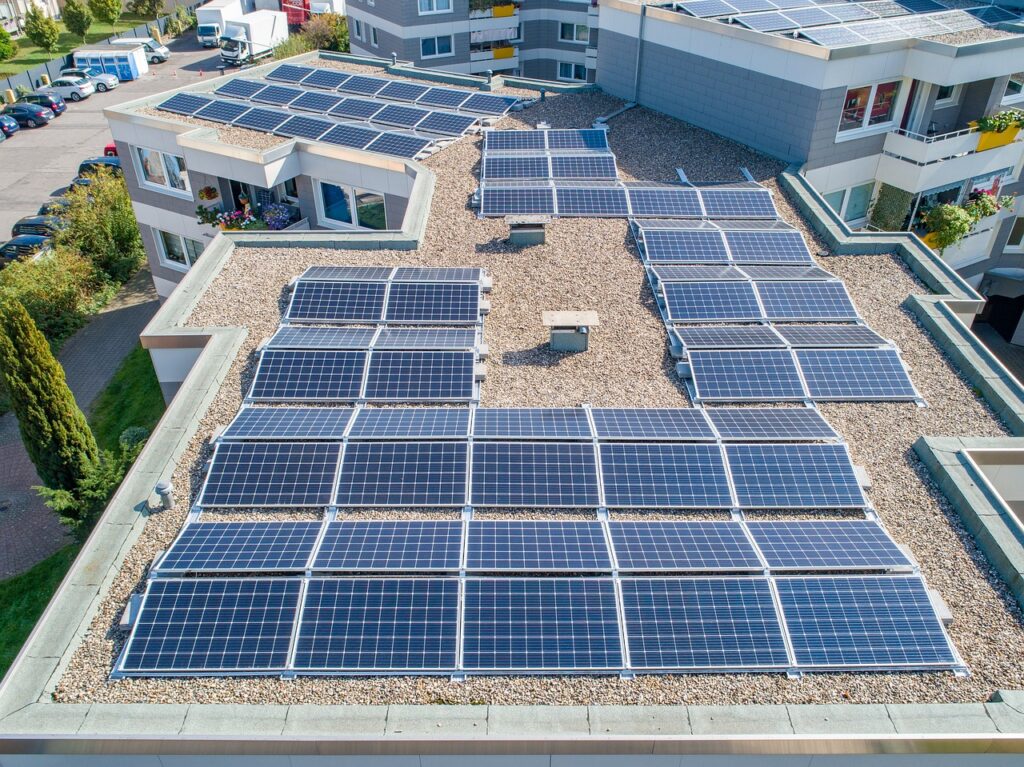
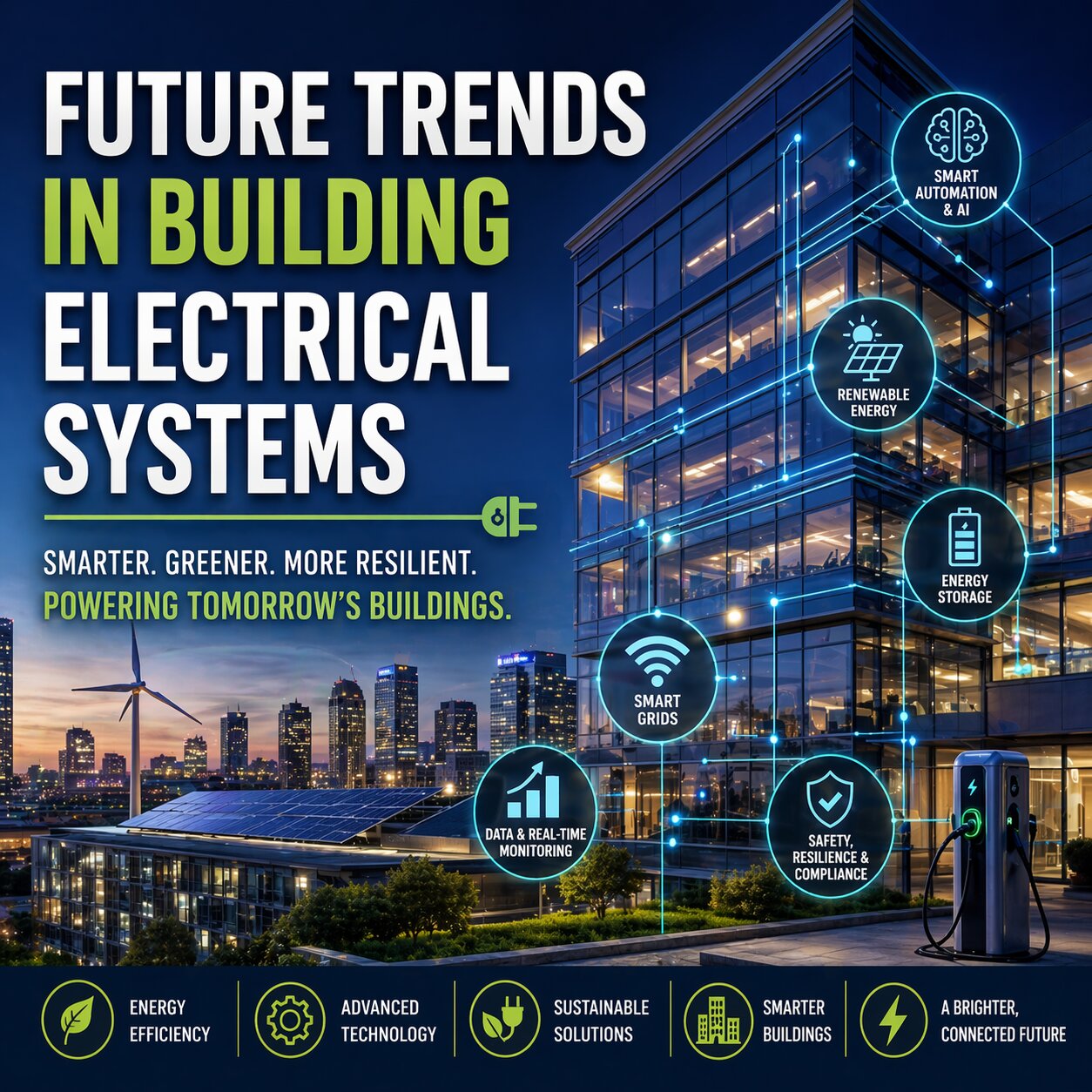
As buildings become smarter and more connected, power distribution systems are evolving to incorporate digital technologies. Smart electrical systems allow facility managers to monitor performance, detect faults, and optimise energy usage in real time.
Modern monitoring systems collect data from electrical panels, transformers, and distribution circuits. This information can be analysed to identify inefficiencies or potential failures before they occur.
Automation systems can also help manage energy demand by adjusting power usage during peak periods. By balancing loads across the distribution network, facilities can reduce strain on equipment and improve overall efficiency.
Smart power distribution systems are particularly important for large commercial buildings and industrial facilities where energy consumption is high. These systems help reduce operational costs while improving reliability.
Designing power distribution systems for modern facilities

Designing effective power distribution systems requires careful planning and engineering. Electrical loads must be calculated accurately to ensure that the system can support both current and future demands.
Engineers must consider factors such as building size, equipment requirements, redundancy needs, and regulatory standards. Power distribution systems must comply with electrical safety codes and industry best practices.
Future expansion is also an important consideration. Facilities often add new equipment or expand operations over time. Designing flexible distribution networks allows buildings to accommodate these changes without major infrastructure upgrades.
Energy efficiency has become another critical factor in modern electrical design. Efficient power distribution systems help reduce energy losses and support sustainability initiatives in commercial and industrial buildings.
Supporting modern infrastructure through reliable power
Power distribution systems play a fundamental role in supporting modern infrastructure. They ensure that electricity flows safely from utility connections to every device, machine, and system within a facility.
As buildings become more technologically advanced, the demands placed on electrical infrastructure continue to increase. Reliable distribution networks help maintain stable operations, protect equipment, and support energy efficiency goals.
For facility managers and engineers, investing in well-designed power distribution systems is essential for long-term reliability. These systems provide the foundation that allows modern facilities to operate safely, efficiently, and sustainably.