Power outages can disrupt operations, impact productivity, and lead to significant financial losses for commercial buildings. From office complexes and retail centres to hospitals and industrial facilities, a reliable backup power system is essential for maintaining continuity during unexpected power failures.
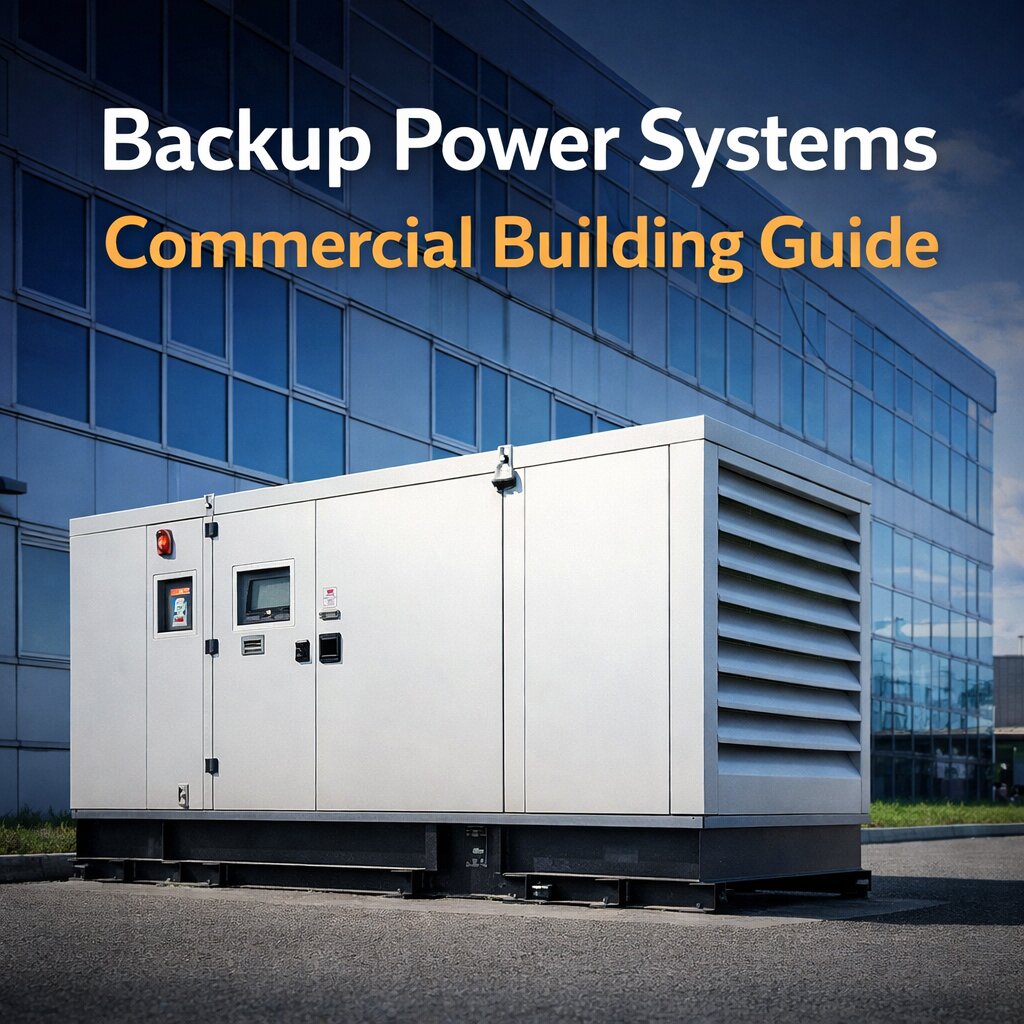
Backup power systems and generators provide a dependable solution by automatically supplying electricity when the main grid fails. These systems ensure that critical infrastructure, lighting, security systems, and essential equipment continue to operate without interruption.
In regions like Cape Town, where energy reliability and load management remain key concerns, investing in backup power solutions has become a necessity rather than a luxury. Businesses that prioritise power resilience are better equipped to protect their operations and maintain service delivery.
What are backup power systems?
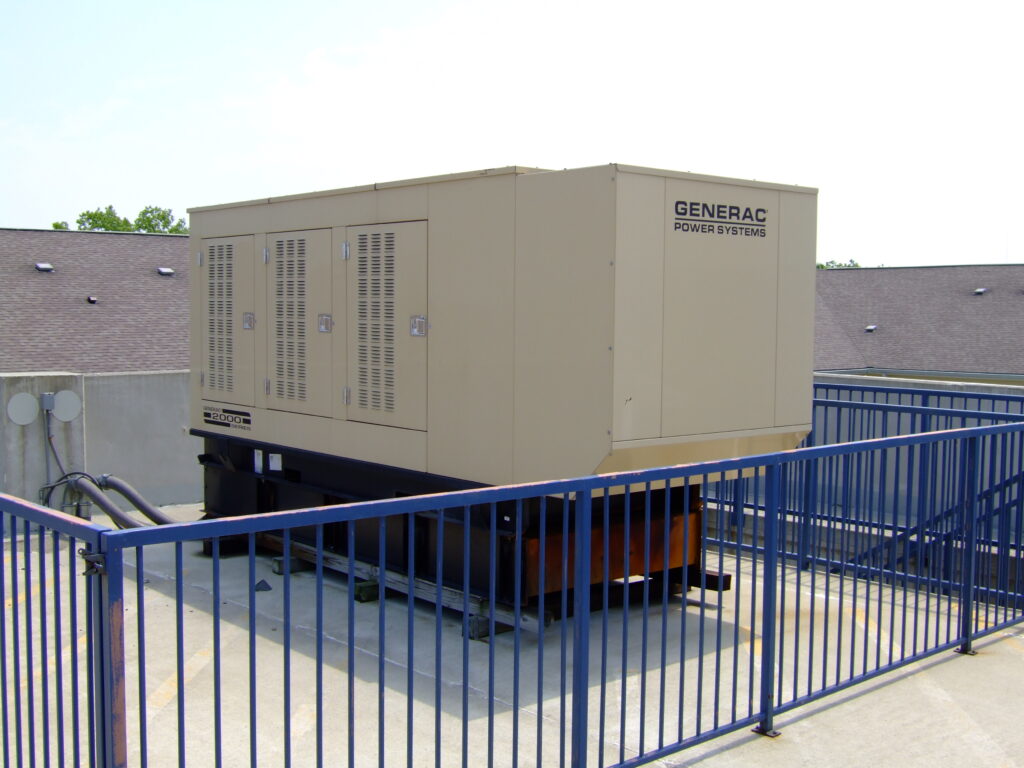
Backup power systems are designed to provide electricity when the primary power supply is unavailable. These systems can range from simple generator setups to advanced integrated solutions that automatically detect outages and switch power sources seamlessly.
At the core of most systems is a generator, which produces electricity using fuel sources such as diesel, petrol, or gas. More advanced setups may also include battery storage systems, inverters, and renewable energy integration to improve efficiency and sustainability.
The main purpose of these systems is to ensure that critical operations continue without disruption. This includes maintaining lighting, powering essential equipment, and supporting communication systems during outages.
Types of backup power systems and generators
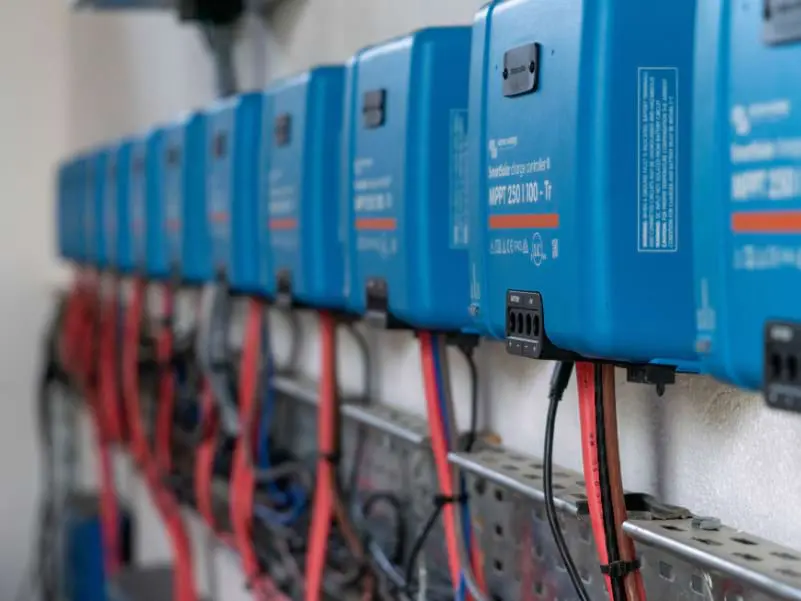
Different types of backup power systems are available depending on the size and needs of a commercial building.
- Diesel generators for large-scale, high-demand operations
- Petrol generators for smaller or temporary backup needs
- Gas-powered generators for cleaner and quieter operation
- Battery backup systems (UPS) for instant power supply
- Hybrid systems combining generators with solar and battery storage
Each option offers unique advantages, and the right choice depends on factors such as power demand, budget, and long-term energy strategy.
Key applications in commercial buildings
Backup power systems are used across a wide range of commercial environments. Office buildings rely on them to keep operations running, ensuring that employees can continue working and systems remain online.
Retail centres use backup power to maintain lighting, payment systems, and security. Without it, even short outages can result in lost sales and customer dissatisfaction.
In critical environments such as hospitals, data centres, and manufacturing facilities, backup power is essential. These sectors depend on uninterrupted electricity to protect lives, data, and production processes.
Benefits of backup power systems
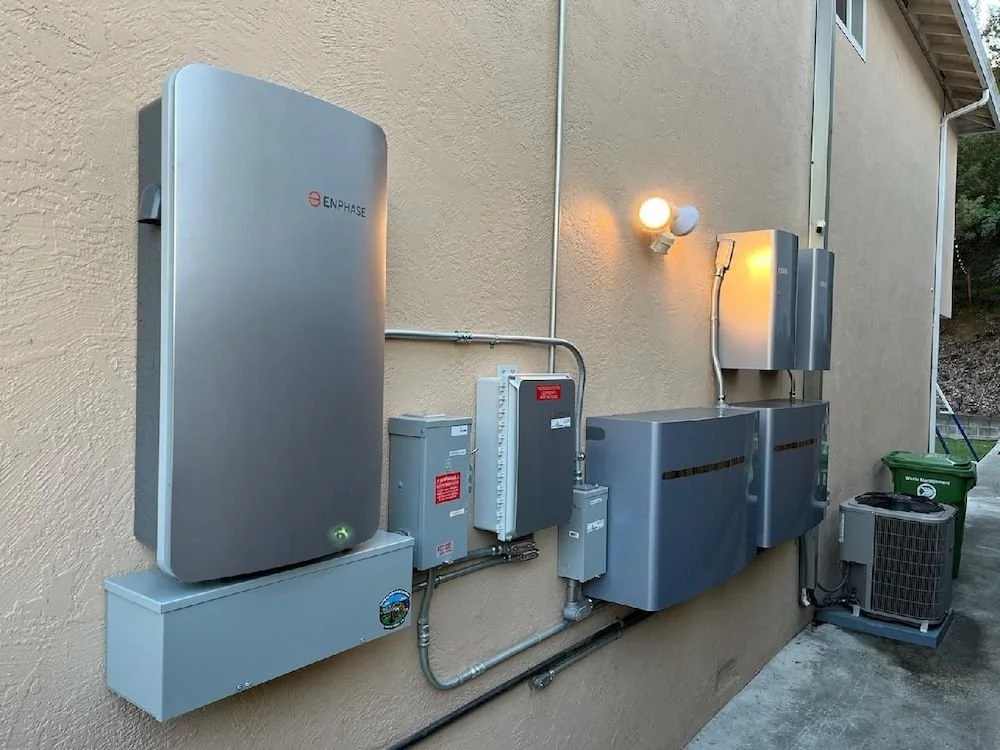
Installing backup power systems offers several important benefits for commercial buildings. The most obvious advantage is business continuity, allowing operations to continue during outages.
These systems also protect sensitive equipment from damage caused by sudden power loss. This is particularly important for IT infrastructure, security systems, and industrial machinery.
In addition, backup power solutions can improve overall operational resilience. Businesses that invest in reliable power systems are better prepared to handle disruptions and maintain customer trust.
Challenges and considerations
While backup power systems provide clear advantages, there are also challenges to consider. Initial installation costs can be high, especially for large commercial systems.
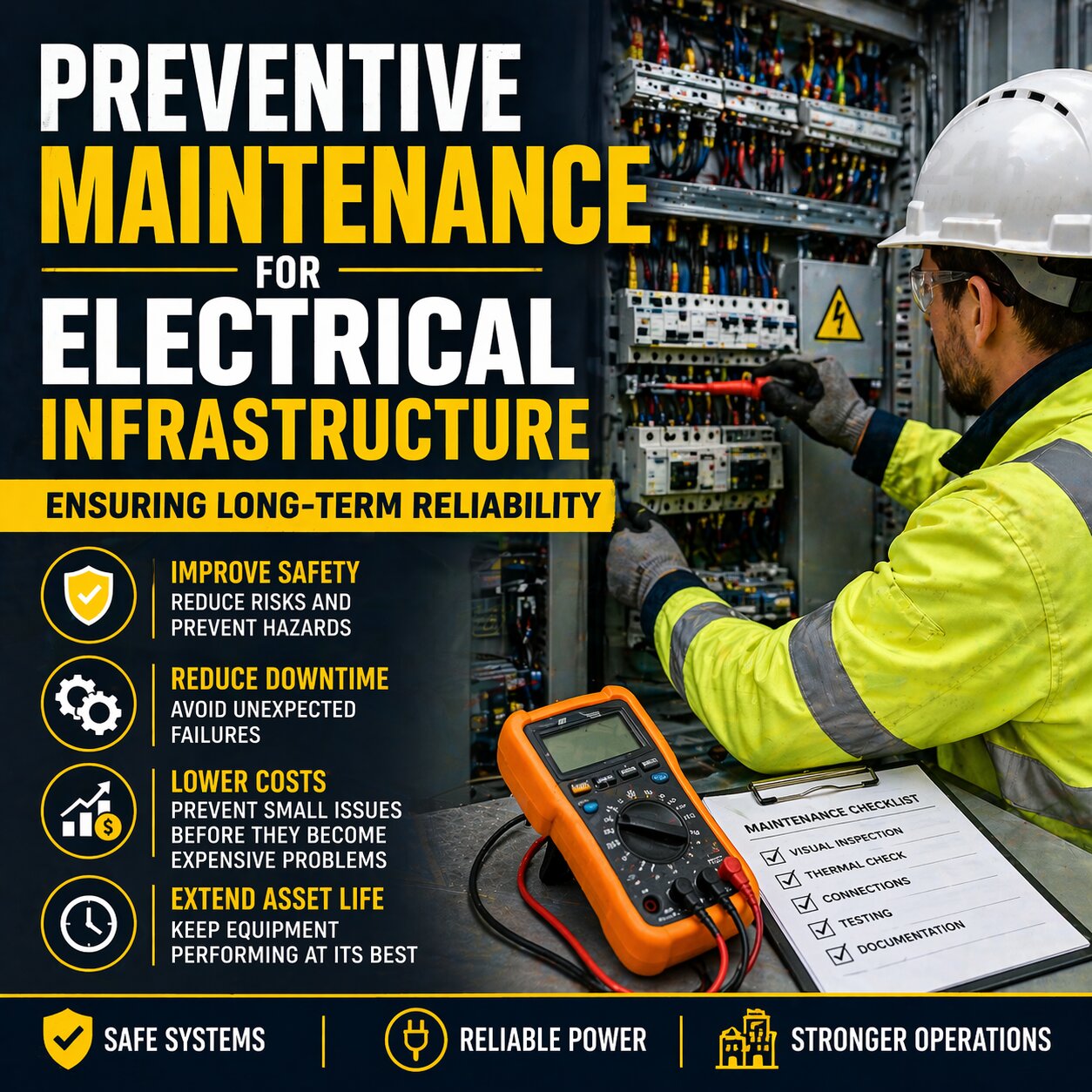
Maintenance is another important factor. Generators require regular servicing to ensure they function correctly when needed. Fuel storage and management must also be handled carefully to avoid operational issues.
Businesses must also consider noise, emissions, and environmental impact. Choosing the right system involves balancing performance, cost, and sustainability.
Safety and regulatory requirements
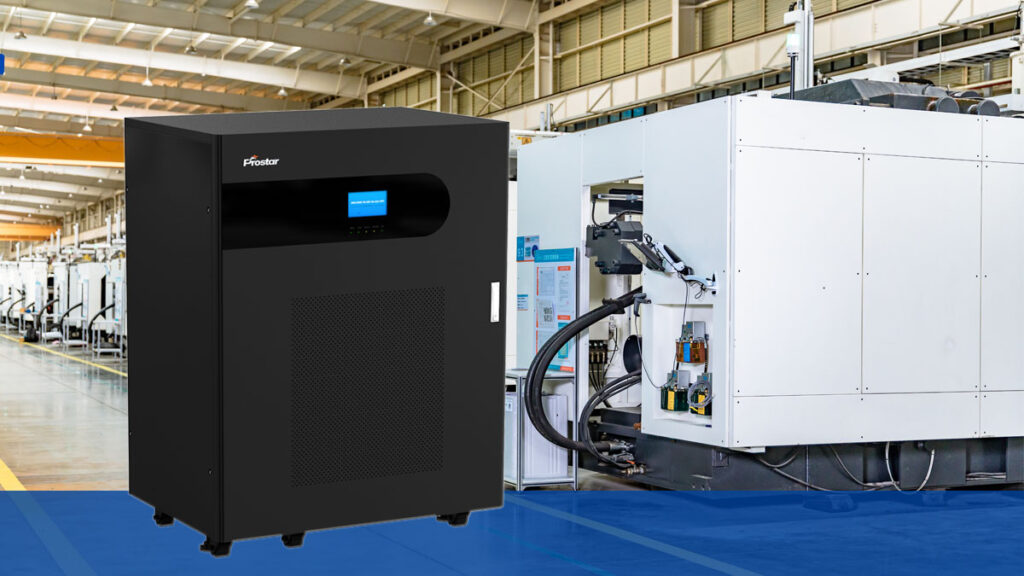
Backup power systems must comply with local safety regulations and building standards. This includes proper installation, ventilation, and safe fuel storage.
Automatic transfer switches (ATS) are often required to ensure a smooth transition between the main power supply and the backup system. These systems help prevent power surges and equipment damage.
Regular inspections and testing are also essential. Ensuring that backup systems are fully operational helps reduce risk and ensures compliance with safety regulations.
The future of backup power in commercial buildings
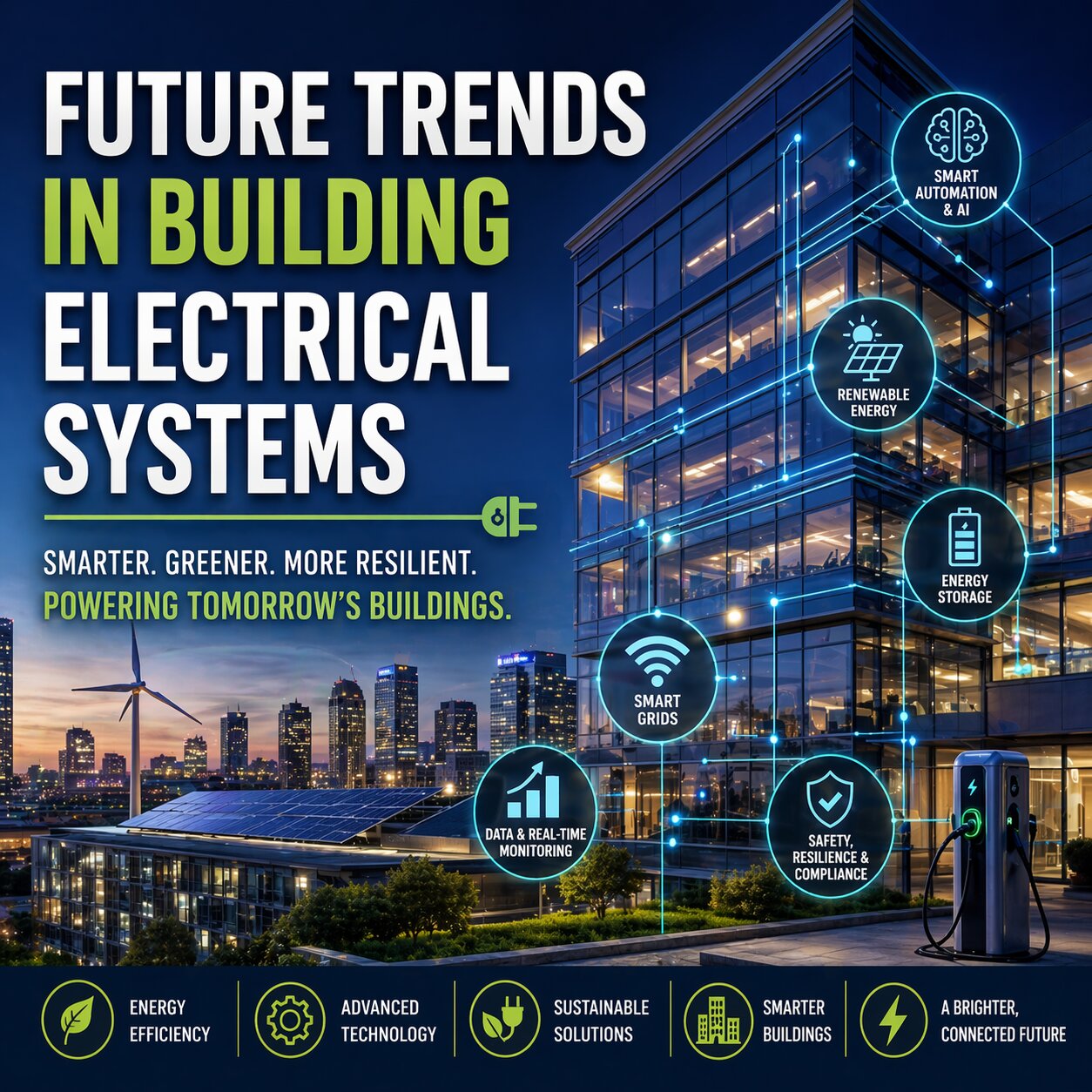
The future of backup power systems is moving towards smarter and more sustainable solutions. Businesses are increasingly integrating renewable energy sources such as solar power with battery storage systems.
Advancements in energy management technology are also improving efficiency. Smart systems can monitor power usage, optimise performance, and reduce operational costs.
As energy demands grow and power reliability remains a concern, backup power systems will continue to play a vital role in commercial infrastructure. Investing in modern, efficient solutions will be key to long-term sustainability and resilience.