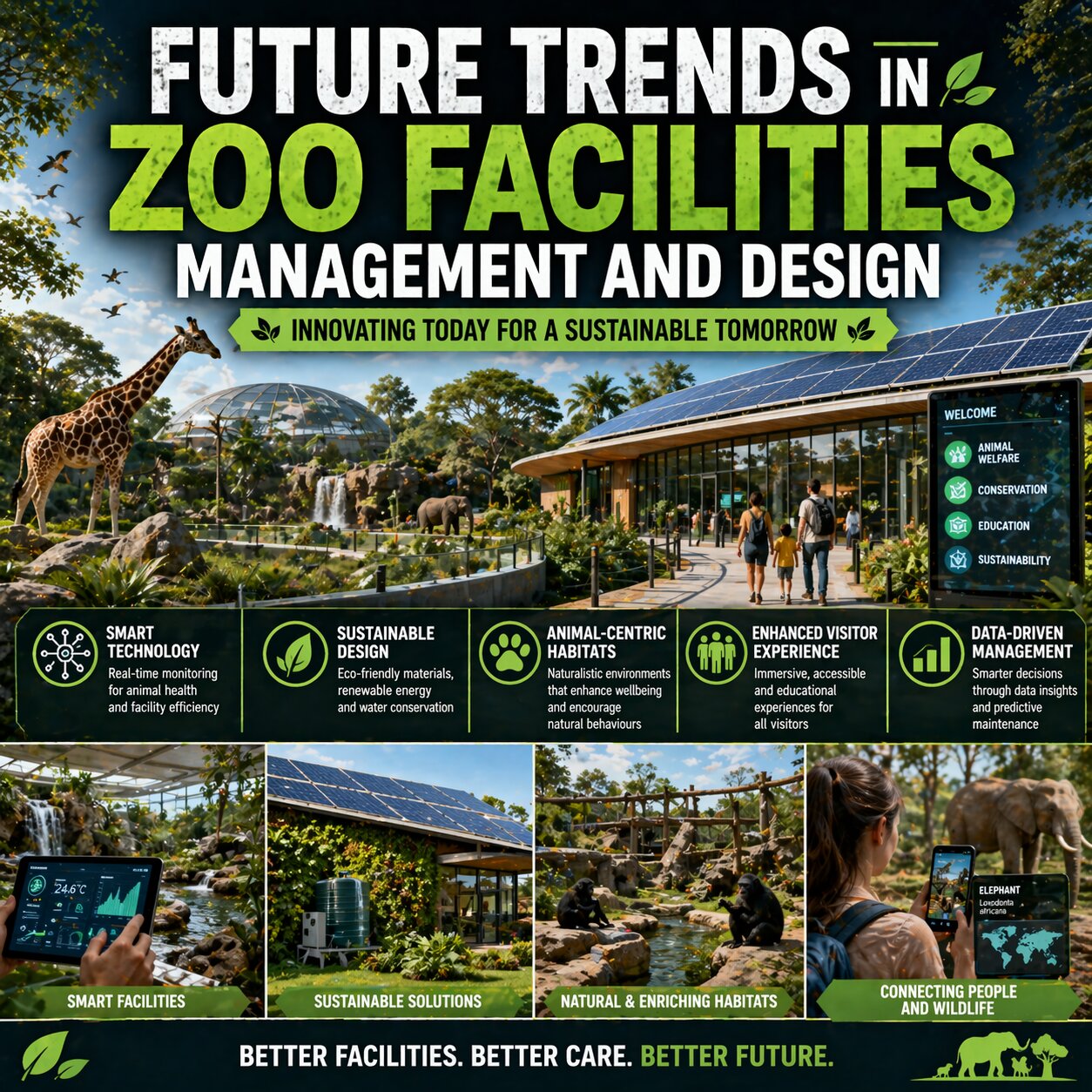
Future trends in zoo facilities management and design are reshaping how modern zoos operate, evolve, and engage with both animals and visitors. As expectations grow around sustainability, animal welfare, and immersive experiences, zoos are transforming into advanced, data-driven environments.
Today’s zoo is no longer just a place to observe animals. It is a carefully managed ecosystem that blends architecture, technology, conservation, and education. Future trends in zoo facilities management and design focus on creating spaces that are both functional and ethically aligned with global standards.
In this article, we explore how innovation is driving the next generation of zoo infrastructure and what this means for the future of wildlife care and public engagement.
Smart Infrastructure and Digital Integration
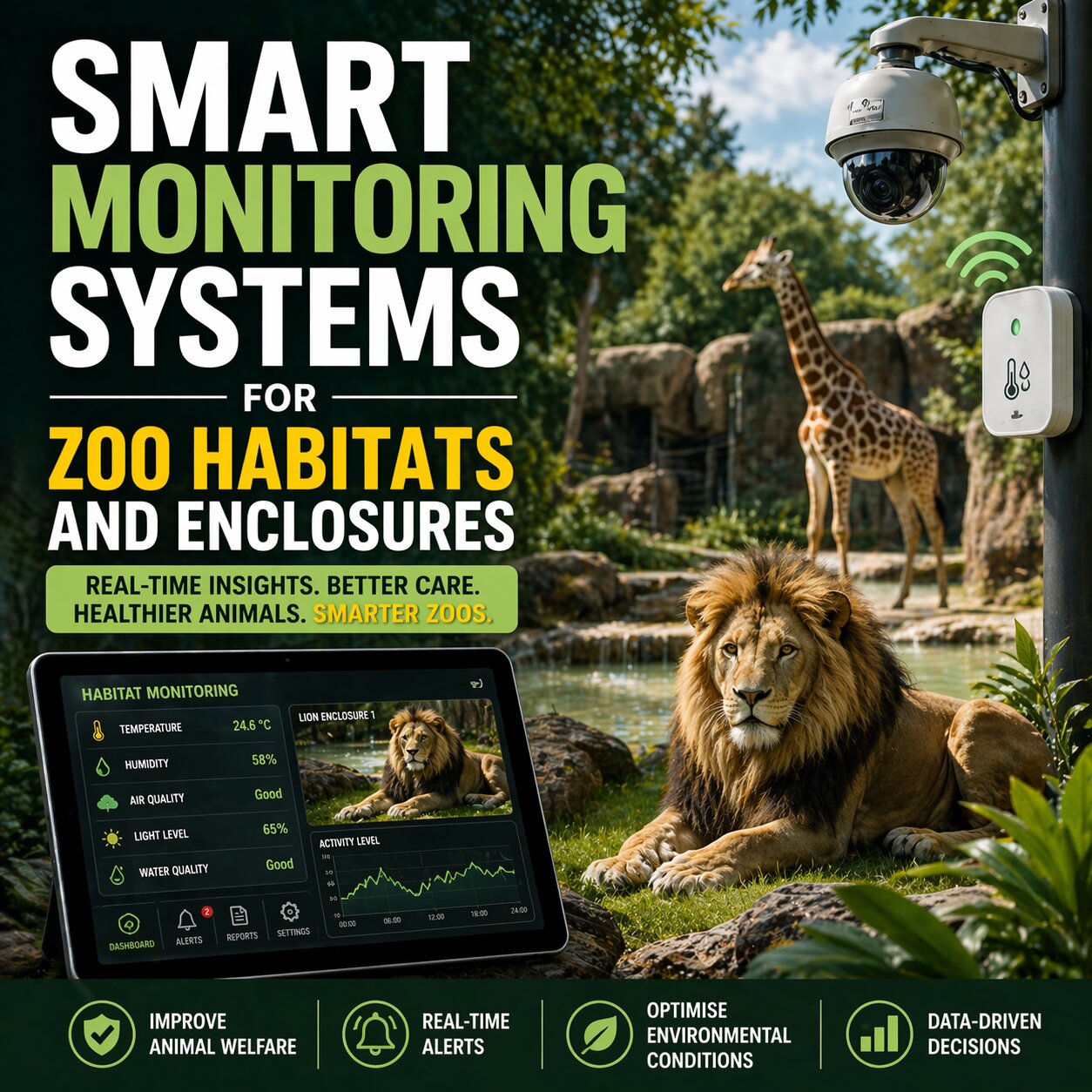
One of the most important future trends in zoo facilities management and design is the integration of smart technologies. Zoos are increasingly adopting digital systems to monitor, control, and optimise their environments in real time.
Sensors and IoT devices are being used to track temperature, humidity, lighting, and air quality within enclosures. This ensures that animals are kept in optimal conditions that closely replicate their natural habitats.
Facility managers can now access real-time data dashboards, allowing them to make informed decisions quickly. Predictive maintenance systems also help identify issues before they become critical, reducing downtime and improving operational efficiency.
These advancements in future trends in zoo facilities management and design are making zoos more responsive, efficient, and animal-focused than ever before.
Sustainable Design and Environmental Responsibility
Sustainability is at the core of future trends in zoo facilities management and design. Modern zoos are under increasing pressure to reduce their environmental footprint while promoting conservation.
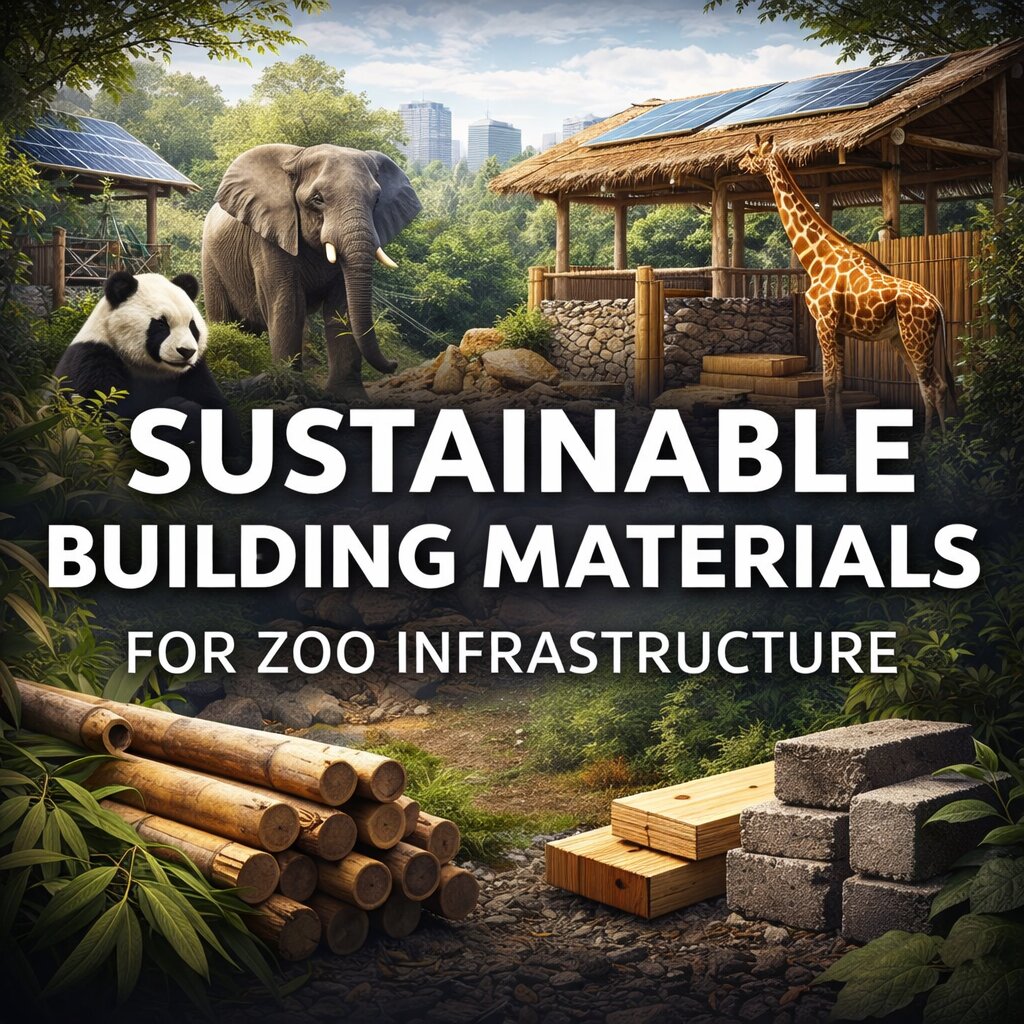
Green building materials, solar energy systems, and water recycling technologies are becoming standard features in new zoo developments. These systems not only reduce operational costs but also align with conservation goals.
Landscape design is also evolving to support biodiversity. Native plants, natural water systems, and eco-friendly enclosures create environments that benefit both animals and local ecosystems.
By prioritising sustainability, future trends in zoo facilities management and design ensure that zoos lead by example in environmental responsibility.
Animal-Centric Habitat Design
A major shift in future trends in zoo facilities management and design is the move towards animal-centric habitats. Traditional enclosures are being replaced with expansive, naturalistic environments that prioritise animal wellbeing.
Designers are focusing on providing animals with more space, enrichment opportunities, and control over their environment. Features such as varied terrain, hiding spaces, and interactive elements help stimulate natural behaviours.
Barrier design is also changing. Instead of visible cages or fences, modern zoos use moats, glass panels, and landscape features to create seamless viewing experiences for visitors while maintaining safety.
These improvements reflect a deeper understanding of animal psychology and welfare, making future trends in zoo facilities management and design more humane and effective.
Enhancing Visitor Experience Through Design
Future trends in zoo facilities management and design also place strong emphasis on visitor engagement. Zoos are becoming immersive environments that educate and inspire.
Interactive exhibits, augmented reality experiences, and guided digital tours are enhancing how visitors interact with exhibits. These tools provide deeper insights into animal behaviour, conservation efforts, and habitat challenges.
Infrastructure such as walkways, viewing platforms, and rest areas are being designed for comfort and accessibility. This ensures that visitors of all ages and abilities can enjoy the experience.
By combining education with entertainment, future trends in zoo facilities management and design are creating memorable and impactful visits.
Key Innovations Shaping the Future
Several innovations are driving future trends in zoo facilities management and design and shaping how zoos operate:
- AI-driven monitoring systems for animal health and behaviour
- Automated feeding and enrichment systems to improve efficiency
- Smart lighting systems that mimic natural day-night cycles
- Advanced water filtration and reuse systems for sustainability
- Digital visitor management tools to optimise crowd flow
These technologies are transforming zoo operations into highly efficient, data-driven systems that benefit both animals and visitors.
By adopting these innovations, zoos can improve care standards, reduce costs, and enhance overall performance.
Preparing for the Next Generation of Zoos
Future trends in zoo facilities management and design are setting the stage for a new era of wildlife conservation and public engagement. Zoos are evolving into spaces where technology, sustainability, and ethics come together.
Facility managers, designers, and conservationists must work collaboratively to implement these changes effectively. The goal is to create environments that are not only operationally efficient but also supportive of long-term conservation efforts.
As these trends continue to develop, zoos will play an even greater role in educating the public and protecting endangered species.
By embracing future trends in zoo facilities management and design, organisations can build facilities that are ready for the challenges and opportunities of tomorrow.