Transport networks have become more complex as businesses and cities continue to grow. Companies managing vehicles now need better ways to track performance, reduce costs, improve safety, and increase operational efficiency. This is where smart fleet management solutions are transforming the transportation industry.
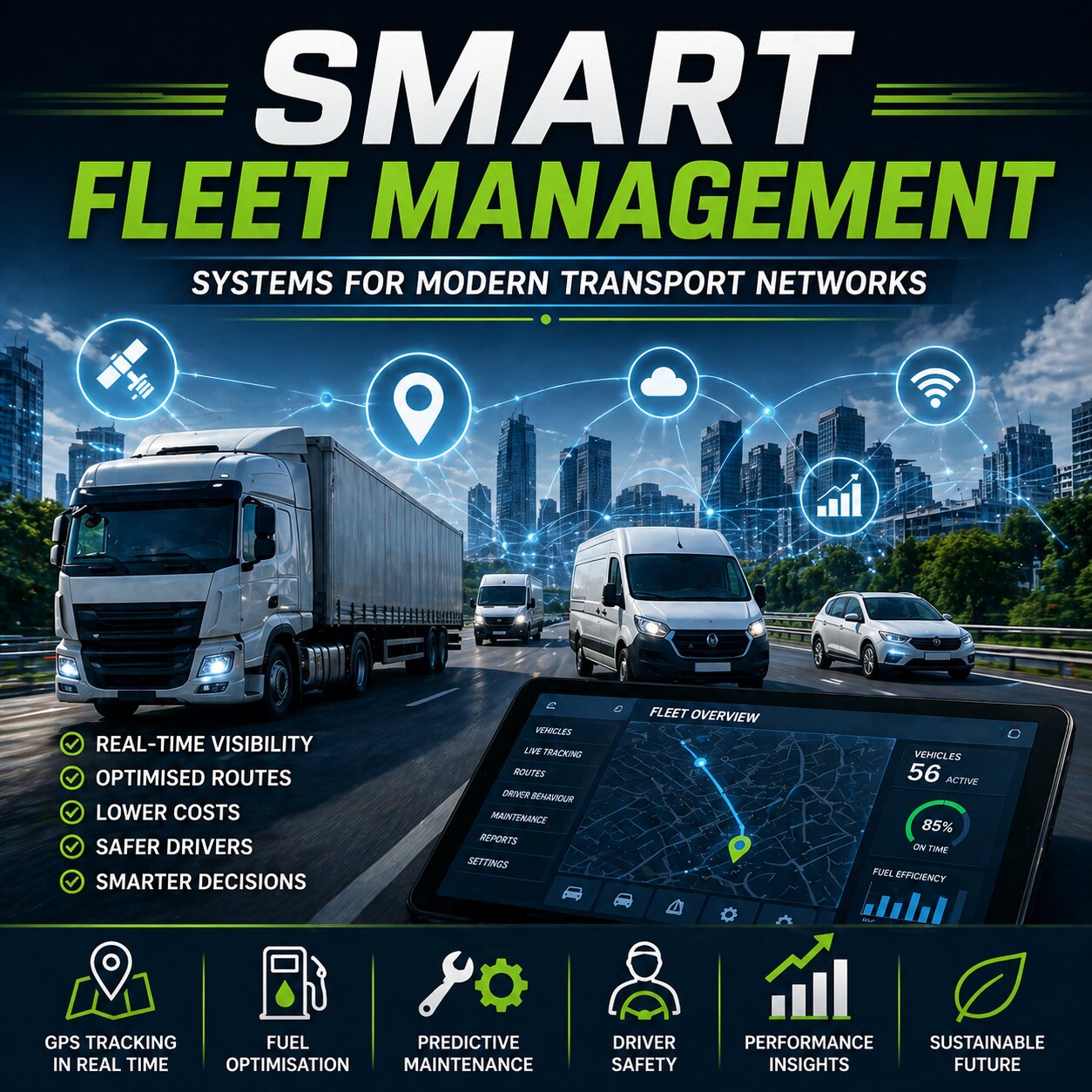
Modern fleet systems use advanced technologies such as GPS tracking, cloud platforms, sensors, automation, and real-time analytics to help organisations manage vehicles more effectively. From logistics companies to municipal transport departments, many industries are adopting smart fleet management tools to streamline operations.
Traditional fleet management often relied heavily on paperwork, manual scheduling, and delayed reporting. Today, managers can monitor fuel usage, driver behaviour, maintenance schedules, and vehicle locations instantly through connected systems. This real-time access to information improves decision-making and operational visibility.
As transport infrastructure continues evolving, smart fleet management is becoming essential for organisations aiming to remain competitive while improving sustainability and efficiency.
Improving Efficiency Across Transport Networks
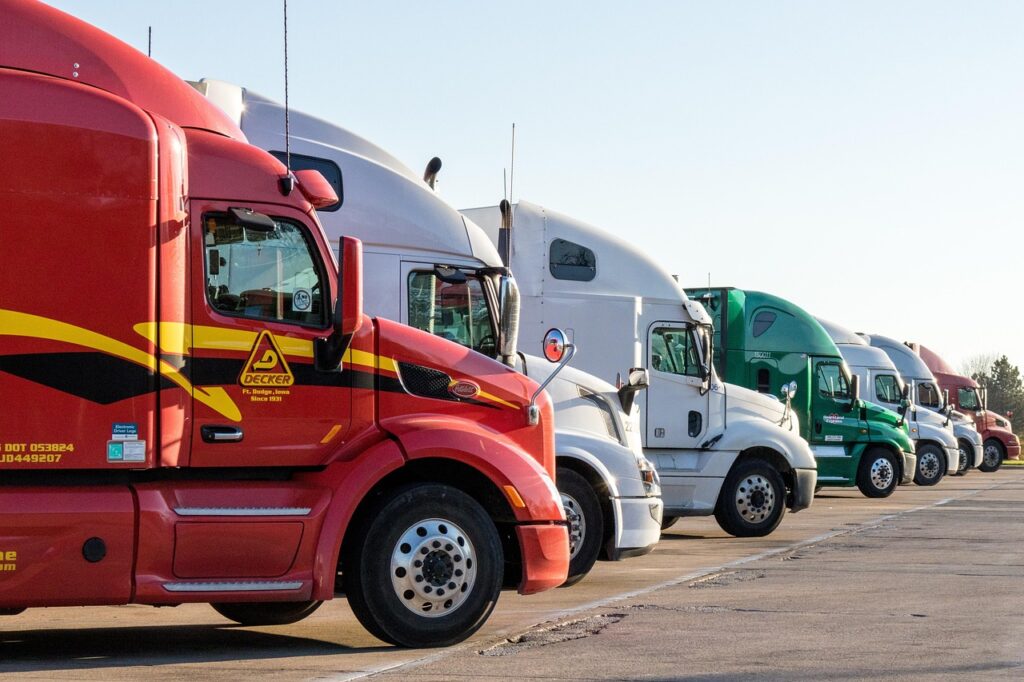
One of the biggest advantages of smart fleet management is improved operational efficiency. Fleet operators can optimise routes, reduce idle times, and respond more quickly to traffic conditions or delivery delays. These improvements help businesses lower fuel consumption while increasing productivity.
Route optimisation software plays an important role in modern fleet systems. By analysing traffic patterns, road conditions, and delivery schedules, vehicles can take more efficient routes that save time and reduce operational costs.
Vehicle maintenance is another area where smart fleet management delivers significant benefits. Predictive maintenance systems monitor vehicle performance and detect problems before they become serious failures. This reduces downtime and extends vehicle lifespan.
Fleet operators also gain valuable insights through data analytics. Reports on fuel efficiency, driver performance, and vehicle usage help companies identify trends and improve long-term planning strategies.
Key Features Of Smart Fleet Management Systems
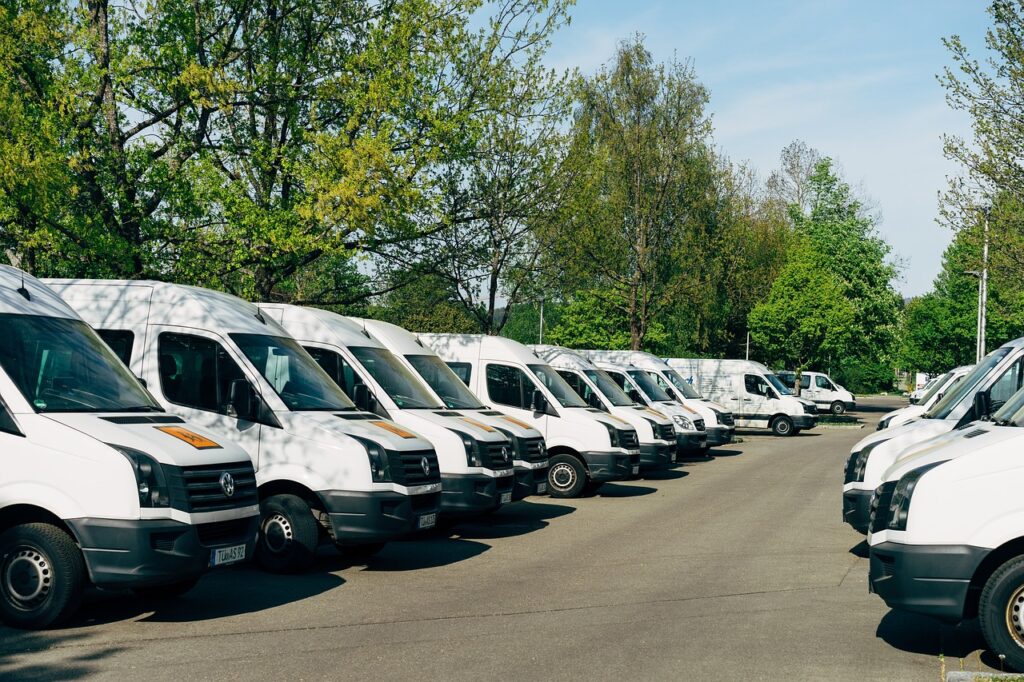
Modern smart fleet management platforms include a wide range of tools designed to improve transport operations and vehicle oversight.
Important features often include:
- GPS vehicle tracking
- Real-time fleet monitoring
- Route optimisation systems
- Fuel usage analytics
- Predictive vehicle maintenance
- Driver behaviour monitoring
- Automated reporting and scheduling
These technologies help businesses manage transport networks more efficiently while improving overall service reliability.
Supporting Safety And Sustainability
Safety remains one of the most important goals in transport management. Smart fleet management systems help reduce accidents by monitoring speeding, harsh braking, fatigue risks, and unsafe driving habits. Managers can use this data to improve driver training and encourage safer behaviour on the road.
Real-time monitoring also helps organisations respond quickly during emergencies or vehicle breakdowns. Faster response times improve driver safety while reducing operational disruptions.
Sustainability has become another major focus for modern transport systems. Reducing fuel consumption and lowering emissions are important goals for many organisations. Smart fleet management supports these objectives by helping vehicles operate more efficiently and avoid unnecessary travel.
Electric vehicle integration is also becoming increasingly common in fleet management systems. Businesses can monitor charging schedules, battery performance, and energy usage alongside traditional fleet operations.
The Future Of Connected Transport Systems
As technology continues to advance, smart fleet management will play an even larger role in future transportation infrastructure. Artificial intelligence, automation, and connected vehicle systems are already beginning to reshape how fleets operate across the world.
Smart cities are expected to rely heavily on integrated transport networks where vehicles, infrastructure, and traffic systems communicate in real time. This connectivity can improve traffic flow, reduce congestion, and enhance public transport services.
Autonomous vehicle technology may also become part of future smart fleet management solutions. While fully autonomous transport is still developing, many fleet systems already include advanced driver assistance technologies that improve safety and efficiency.
For businesses and municipalities alike, investing in connected fleet technologies is becoming less of a luxury and more of a necessity in the modern transport environment.
Driving Smarter Transport Solutions
Modern transport networks require intelligent systems capable of handling growing operational demands. That is why smart fleet management continues to gain importance across industries ranging from logistics and delivery services to municipal infrastructure and public transport.
By combining real-time data, automation, predictive maintenance, and route optimisation, these systems help organisations improve efficiency, safety, and sustainability. As transport technologies continue evolving, businesses that adopt smart fleet management solutions will be better positioned for future growth and operational success.
For more insights into sustainable infrastructure, facilities management, and modern technology systems, explore more through Sustainable Systems Technologies.