Office environments play a direct role in productivity, wellbeing, and operational efficiency. In modern organisations, office designs in facilities management are no longer just about aesthetics. They are about functionality, safety, flexibility, and long-term performance.
Facilities managers are responsible for ensuring that office design supports business objectives while remaining cost-effective and adaptable. From layout planning and space utilisation to maintenance access and compliance, office design decisions have long-term implications that extend well beyond the initial fit-out.
The role of facilities management in office design

Facilities management acts as the bridge between design intent and daily operation. While architects and designers may focus on visual impact and user experience, facilities managers must consider how an office functions over time.
In the context of office designs in facilities management, this includes evaluating materials for durability, ensuring ease of maintenance, planning for efficient cleaning routines, and providing access to building systems. A well-managed office design reduces operational disruptions and supports consistent building performance throughout its lifecycle.
Space planning and utilisation efficiency
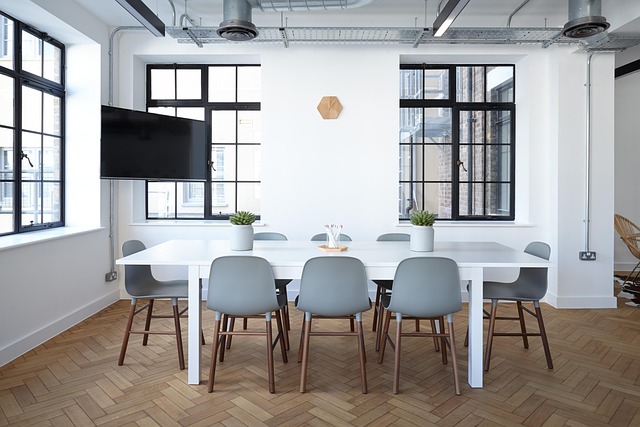
Effective space planning is one of the core responsibilities tied to office designs in facilities management. Poorly planned offices lead to underutilised areas, overcrowded workstations, and inefficient movement throughout the building.
Facilities managers use space planning to balance individual work areas, collaborative zones, meeting rooms, and support spaces. This process ensures that office layouts align with how employees actually work, rather than how the space was originally intended to be used. Data-driven space utilisation also helps organisations adapt to changing workforce sizes and hybrid working models.
Flexibility and future-proofing office environments
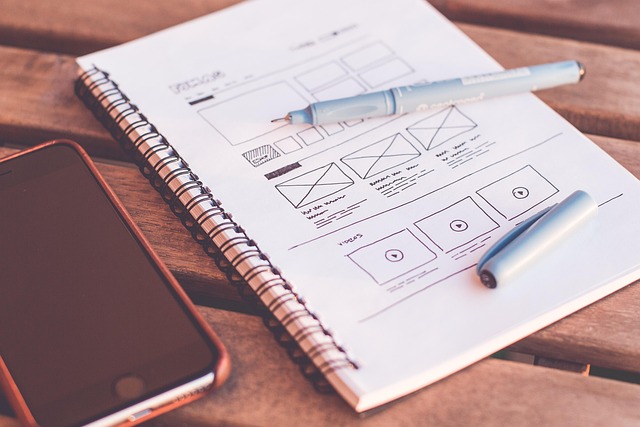
Modern workplaces are constantly evolving. Office designs in facilities management must account for organisational growth, restructuring, and changing work patterns without requiring major renovations.
Flexible layouts, modular furniture, movable partitions, and adaptable service routes allow facilities teams to reconfigure spaces with minimal disruption. This approach reduces long-term costs and ensures that office environments remain functional as business needs change. Facilities managers play a key role in planning layouts that can evolve rather than becoming obsolete.
Health, safety, and regulatory compliance
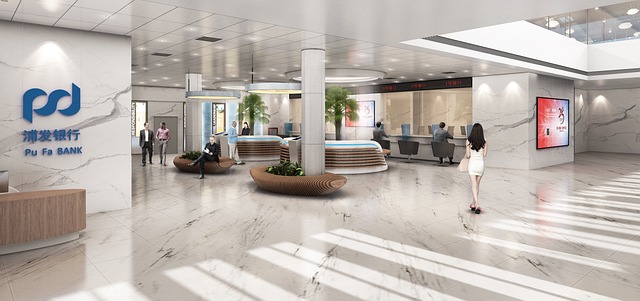
Health and safety considerations are central to office designs in facilities management. Facilities managers must ensure that office layouts comply with fire regulations, accessibility standards, and occupational health requirements.
This includes clear evacuation routes, appropriate lighting levels, ergonomic workstation design, and safe circulation paths. Good office design reduces workplace injuries, supports employee wellbeing, and ensures compliance with legal and regulatory frameworks. Facilities management oversight ensures that safety is embedded into the design, not treated as an afterthought.
Sustainability and energy efficiency in office design
Sustainability is now a key driver of office designs in facilities management. Energy-efficient lighting, HVAC optimisation, natural ventilation, and responsible material selection all contribute to reduced operational costs and environmental impact.
Facilities managers are responsible for monitoring building performance after occupation. Design choices that support energy efficiency make it easier to manage utilities, reduce maintenance demands, and meet sustainability targets. Well-designed offices also support healthier indoor environments, which benefit occupants over the long term.
Supporting productivity and employee experience
Office designs in facilities management directly influence how employees interact with their workspace. Factors such as acoustics, lighting quality, thermal comfort, and access to shared spaces affect concentration and morale.
Facilities managers work to ensure that office environments support different work styles, from focused individual tasks to collaborative team activities. A well-managed office design enhances productivity by removing physical barriers and reducing environmental distractions.
Managing office design across multiple sites
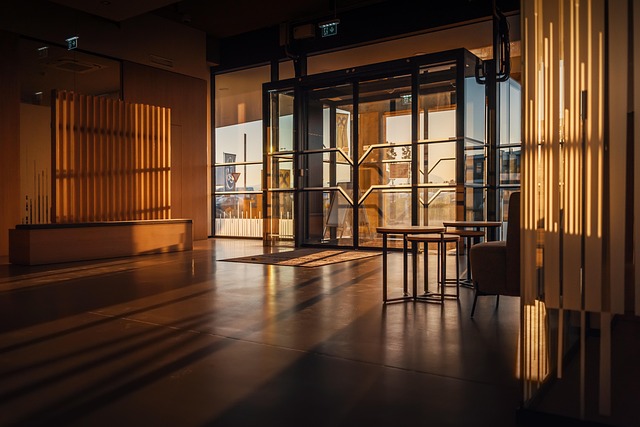
For organisations with multiple office locations, consistency becomes a major challenge. Office designs in facilities management must balance standardisation with local requirements.
Facilities managers often develop design guidelines that ensure brand consistency, operational efficiency, and maintenance compatibility across sites. At the same time, they must adapt designs to suit building constraints, climate conditions, and local regulations. This strategic approach allows facilities teams to manage offices more effectively at scale.
Why office designs in facilities management matter
Office design decisions have long-term operational consequences. When facilities management is involved early in the design process, offices become easier to maintain, safer to operate, and more adaptable to change.
Effective office designs in facilities management support productivity, reduce lifecycle costs, and create work environments that align with organisational goals. By focusing on function as much as form, facilities managers ensure that office spaces perform reliably throughout their lifespan.