

Paper recycling equipment plays a critical role in transforming waste paper into reusable raw material for new products. In modern recycling plants, this equipment is designed to recover paper fibres efficiently while removing contaminants such as ink, staples, plastics, and coatings. As demand grows for sustainable packaging and reduced landfill waste, paper recycling equipment has become more advanced, water-efficient, and environmentally controlled.
Unlike other recycling streams, paper recycling relies heavily on water-based processes. This makes specialised separation, filtration, and wastewater treatment systems essential components of any paper recycling facility.
How paper recycling equipment supports the recycling process

The paper recycling process begins with size reduction and fibre separation. Incoming paper waste, which may include office paper, cardboard, newspapers, and magazines, must first be broken down into manageable pieces. Paper recycling equipment is engineered to handle large volumes while preserving fibre quality, which directly affects the strength and usability of the recycled paper.
Once reduced, the paper is mixed with water to create a fibre slurry. From this point onward, paper recycling equipment focuses on cleaning, refining, and decontaminating the slurry so that high-quality fibres can be recovered. Each stage relies on purpose-built machinery to maintain consistency, reduce fibre loss, and limit environmental impact.
Industrial shredders for paper size reduction
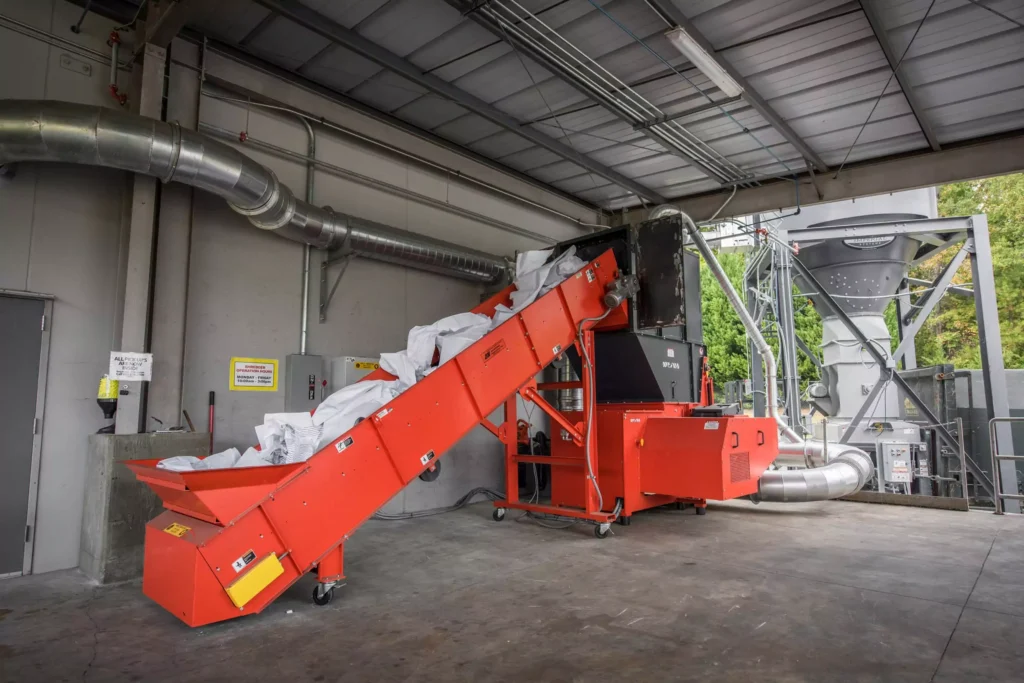
Industrial shredders are the first major category of paper recycling equipment used in recycling plants. These machines reduce paper waste into smaller, uniform pieces, making it easier for pulping systems to process the material. Shredders are built to handle mixed paper streams, including materials containing staples, bindings, or light plastic contamination.
In modern facilities, shredders are designed for continuous operation and are often integrated into automated feed systems. This improves throughput and reduces manual handling, which lowers labour costs and improves workplace safety.
Hydrapulpers and fibre separation systems
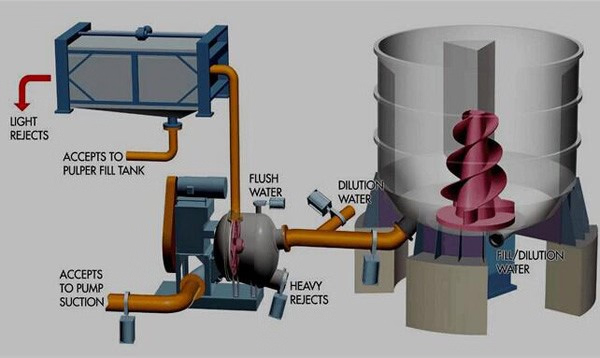
Hydrapulpers are among the most important pieces of paper recycling equipment. They use water and mechanical agitation to break paper down into individual fibres, creating a pulp slurry. During this stage, heavier contaminants such as staples and clips are separated and removed.
Different pulper designs are used depending on the type of paper being recycled. High-consistency pulpers are commonly used for cardboard and packaging, while lower-consistency systems are preferred for fine papers. Efficient fibre separation at this stage determines the overall yield and quality of the recycled output.
Screening systems for contaminant removal
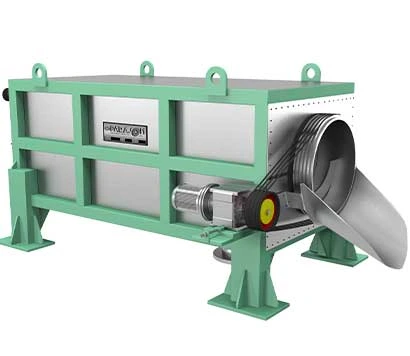
After pulping, screening systems are used to remove unwanted materials from the slurry. These systems are a core part of paper recycling equipment, ensuring that plastics, adhesives, and non-fibrous debris do not pass into later stages of processing.
Screens are available in multiple configurations, including pressure screens and centrifugal cleaners. They are designed to protect downstream equipment and improve final paper quality by preventing defects caused by contamination.
De-inking flotation units for printed paper
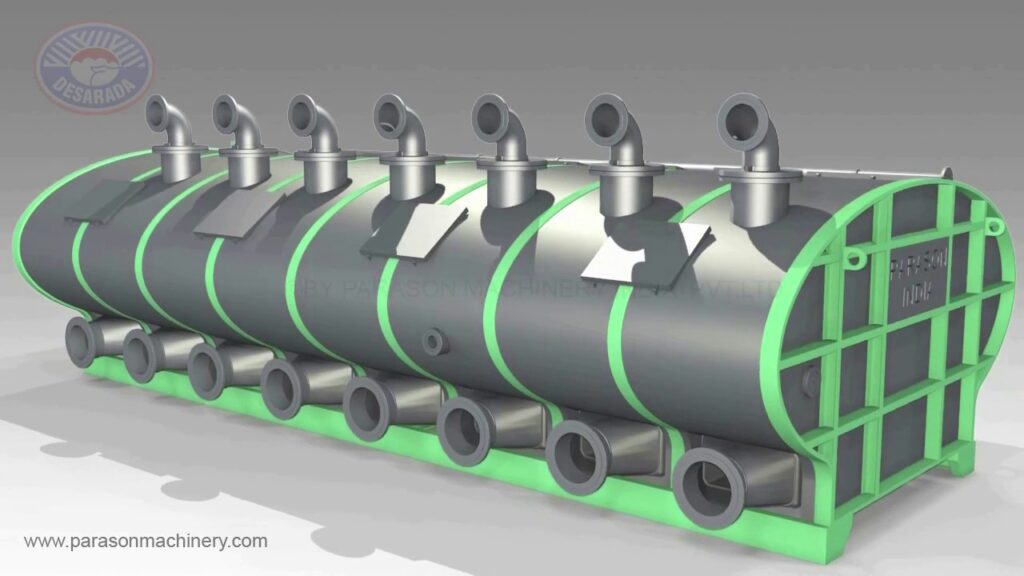
Printed paper requires additional processing to remove ink, which is achieved using de-inking flotation units. This specialised paper recycling equipment introduces air bubbles into the slurry, causing ink particles to attach to the bubbles and rise to the surface for removal.
De-inking systems are essential for producing high-quality recycled paper suitable for printing and packaging applications. Modern units are designed to minimise chemical use while maximising ink removal efficiency, supporting more sustainable recycling operations.
Dewatering presses and drying systems
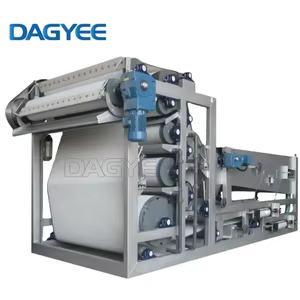
Once the pulp has been cleaned, dewatering presses and drying systems remove excess water from the fibre slurry. These machines reduce moisture content before the pulp is sent for further processing or formed into new paper products.
Efficient dewatering equipment lowers energy consumption in the drying stage and improves overall plant efficiency. In large-scale operations, these systems are carefully optimised to balance throughput, energy use, and fibre integrity.
Water treatment and filtration equipment
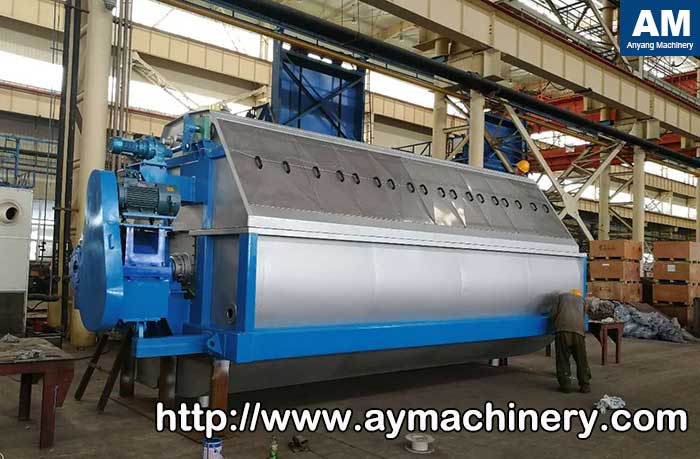
Because paper recycling is heavily water-based, filtration and wastewater treatment systems are a critical part of paper recycling equipment infrastructure. Recycling plants must treat and recycle process water to reduce consumption and comply with environmental regulations.
This equipment includes filters, clarifiers, dissolved air flotation units, and sludge handling systems. Proper water treatment not only supports sustainable operations but also protects machinery from scaling and contamination, extending equipment lifespan.
Why paper recycling equipment matters
Paper recycling equipment forms the backbone of efficient, sustainable paper recycling plants. Each system, from shredders to wastewater treatment, plays a specific role in protecting fibre quality, reducing environmental impact, and ensuring consistent output.
As recycling standards tighten and demand for recycled paper grows, investment in modern paper recycling equipment allows facilities to operate more efficiently, meet regulatory requirements, and support a circular economy.
This equipment also underpins the broader paper recycling process explored in our dedicated paper recycling article, where we take a deeper look at how recycled paper is reintroduced into manufacturing supply chains.


