

Managing public access in sensitive environmental zones is one of the greatest challenges facing modern conservation authorities. Natural landmarks attract tourism, recreation, and economic activity, but uncontrolled access can lead to erosion, habitat destruction, infrastructure strain, and long-term ecological damage.
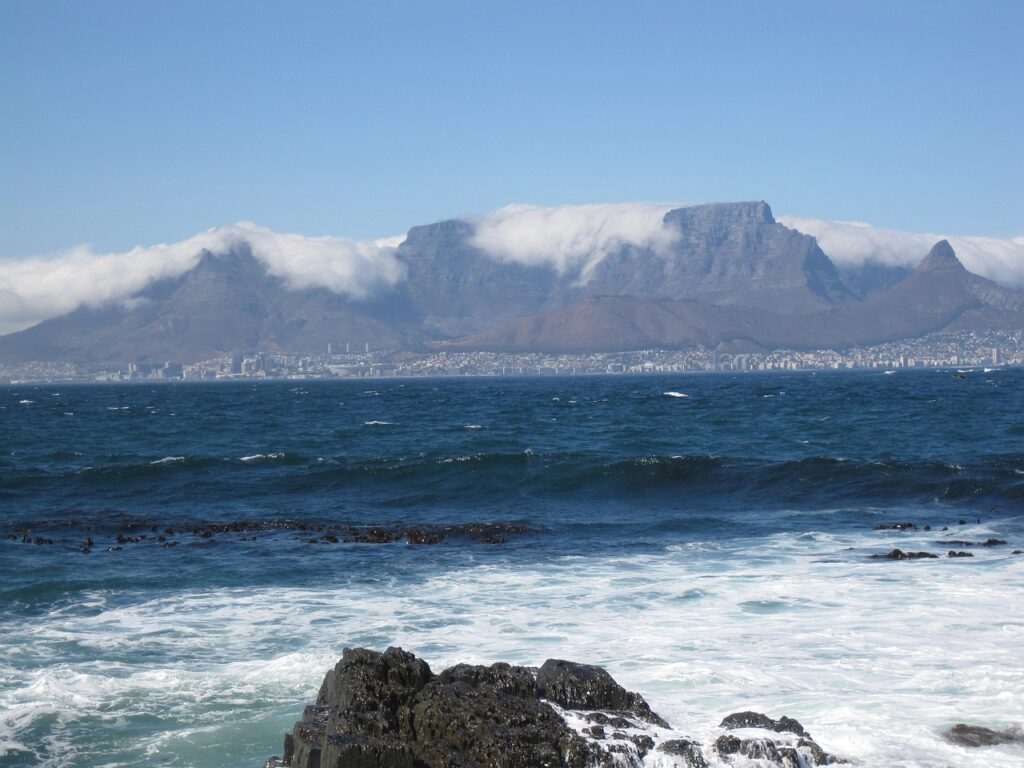
Table Mountain in Cape Town provides a powerful case study in balancing environmental protection with public accessibility. As one of South Africa’s most iconic natural landmarks, it draws millions of visitors annually. Yet it is also a protected ecological zone with fragile fynbos ecosystems, endangered species, and steep terrain vulnerable to degradation.
Effective management of public access in sensitive environmental zones requires planning, infrastructure design, visitor education, and ongoing monitoring. Without a structured approach, even well-meaning tourism can undermine conservation goals.
Why Sensitive Environmental Zones Require Controlled Access
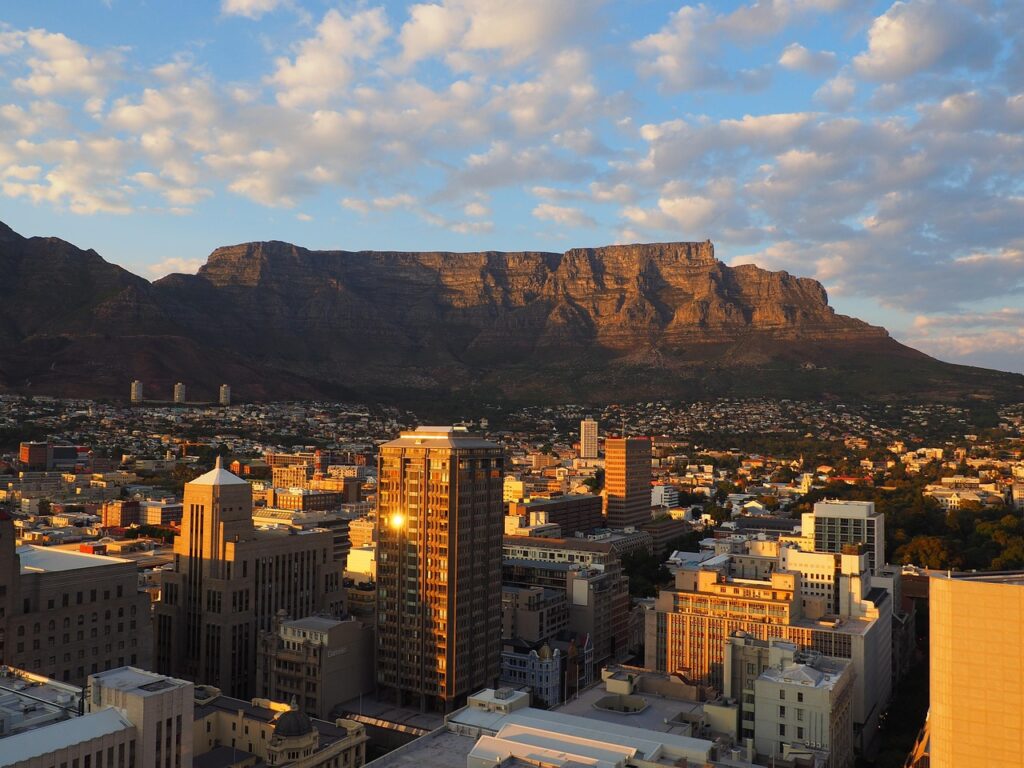
Sensitive environmental zones are areas where ecological systems are particularly vulnerable to disturbance. This may include biodiversity hotspots, rare plant habitats, water catchment zones, or steep mountainous terrain prone to erosion.
Unmanaged public access can result in:
- Soil erosion from informal pathways
- Damage to indigenous vegetation
- Increased fire risk
- Litter and pollution
- Wildlife disturbance
- Strain on emergency response services
On Table Mountain, heavy foot traffic on popular hiking routes can quickly widen trails, compact soil, and damage surrounding fynbos vegetation. Once damaged, recovery can take years due to slow-growing plant species and delicate soil systems.
Controlled access is not about restricting people from nature. It is about protecting the resource so that it remains accessible in the long term.
Infrastructure as a Conservation Tool
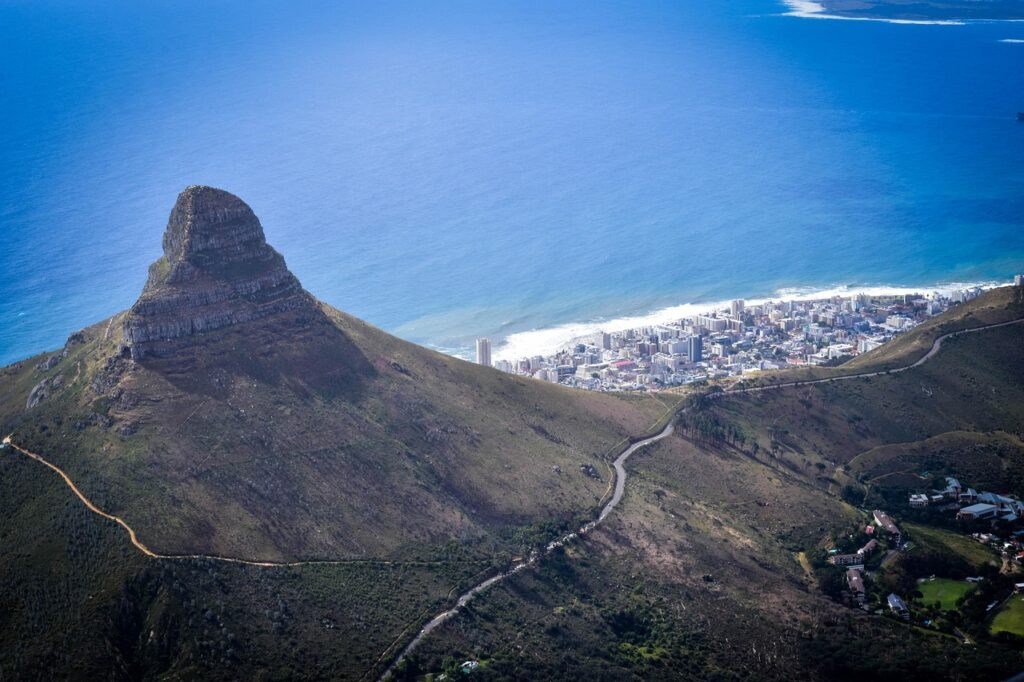
Infrastructure in sensitive environmental zones must serve two purposes: facilitate safe public access and reduce ecological impact.
On Table Mountain, this includes:
- Clearly defined and maintained hiking trails
- Boardwalks in erosion-prone areas
- Signage that directs movement and prevents shortcutting
- Controlled entry points
- Waste management facilities
- Designated viewing platforms
Well-designed infrastructure channels foot traffic into durable corridors. Instead of visitors creating informal paths, they are guided along reinforced routes that minimise environmental disruption.
From a facilities management perspective, infrastructure must be inspected and maintained regularly. Damaged boardwalks or unclear trail markings can lead to off-route walking, increasing environmental pressure.
Risk Management and Public Safety
Managing public access in sensitive environmental zones also involves risk mitigation. Table Mountain’s steep cliffs, rapidly changing weather conditions, and isolated sections create significant safety concerns.
Access management strategies include:
- Clearly marked difficulty ratings for hiking routes
- Weather advisory systems
- Controlled closures during extreme conditions
- Ranger patrols and monitoring
- Emergency access planning
Environmental protection and human safety are closely linked. When visitors stay on designated routes and follow guidance, both ecological and personal risks are reduced.
Effective communication plays a critical role. Visitors must understand not only where they can go, but why certain areas are restricted.
Visitor Education and Behavioural Design
Education is a powerful tool in managing public access. Visitors are more likely to respect restrictions when they understand the reasoning behind them.
On Table Mountain, signage often highlights:
- The uniqueness of the fynbos biome
- The impact of trampling vegetation
- Fire prevention measures
- Wildlife protection guidelines
Behavioural design principles can also be used. For example:
- Making official routes more visually appealing than informal ones
- Using subtle landscape design to discourage off-path movement
- Positioning signage at decision points
Managing public access in sensitive environmental zones requires influencing behaviour rather than relying solely on enforcement.
Monitoring, Data, and Adaptive Management
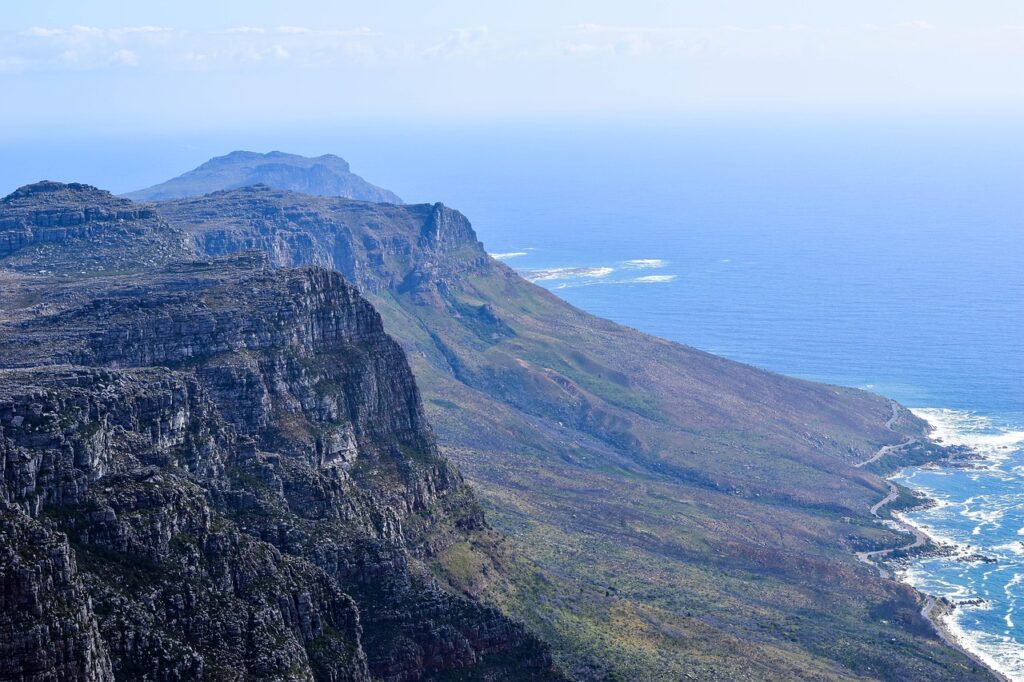
Environmental zones are dynamic systems. Visitor patterns change over time, especially with social media-driven tourism trends.
Modern access management should include:
- Visitor counting systems
- Trail condition assessments
- Erosion monitoring
- Drone or remote sensing surveys
- Feedback mechanisms
On Table Mountain, increased popularity of certain viewpoints has led to targeted maintenance interventions and infrastructure upgrades.
Adaptive management ensures that conservation authorities respond to emerging pressures before irreversible damage occurs.
Balancing Tourism and Conservation
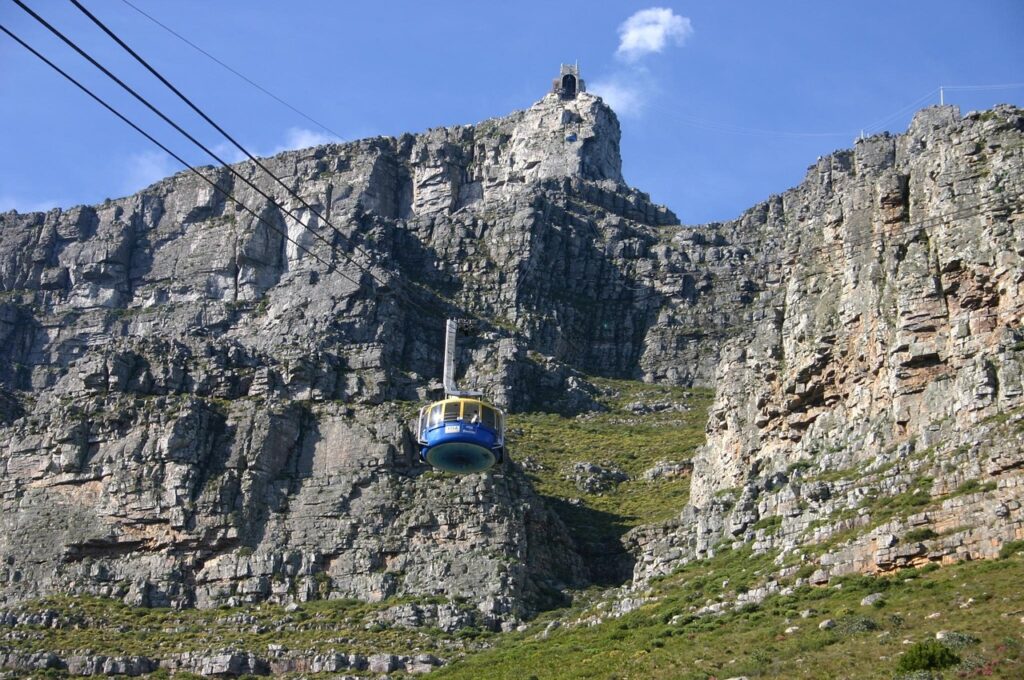
Table Mountain is both a conservation area and a major tourism asset. Revenue from tourism supports maintenance, conservation programmes, and local economic activity.
The key is balance.
Too little access reduces public appreciation and funding. Too much uncontrolled access accelerates degradation. Structured management of public access in sensitive environmental zones allows sustainable tourism to coexist with ecological preservation.
Public-private partnerships, responsible tour operators, and compliance with environmental regulations all contribute to this balance.
A Model for Sustainable Environmental Access
Table Mountain demonstrates that sensitive environmental zones can remain accessible when supported by:
- Strategic infrastructure design
- Clear policy frameworks
- Public education
- Ongoing monitoring
- Responsive maintenance
Managing public access is not a one-time solution. It is a continuous process requiring coordination between conservation authorities, facilities managers, engineers, and the public.
Sensitive environmental zones are national assets. Protecting them ensures that future generations can experience their ecological and cultural value without inheriting the cost of neglect.


