In any building, emergency lighting is not a luxury feature. It is a life-saving requirement. When normal power fails due to fire, electrical faults, or load shedding, emergency lighting ensures that occupants can evacuate safely and that essential areas remain visible.
For facilities managers, property owners, and compliance officers, understanding emergency lighting standards is critical. It is not only about installing fittings. It is about meeting legal obligations, protecting lives, and ensuring buildings remain compliant with safety regulations.
As part of our infrastructure and facilities focus, this guide explores how emergency lighting systems work, what standards apply, and how to maintain compliance.
What Is Emergency Lighting?
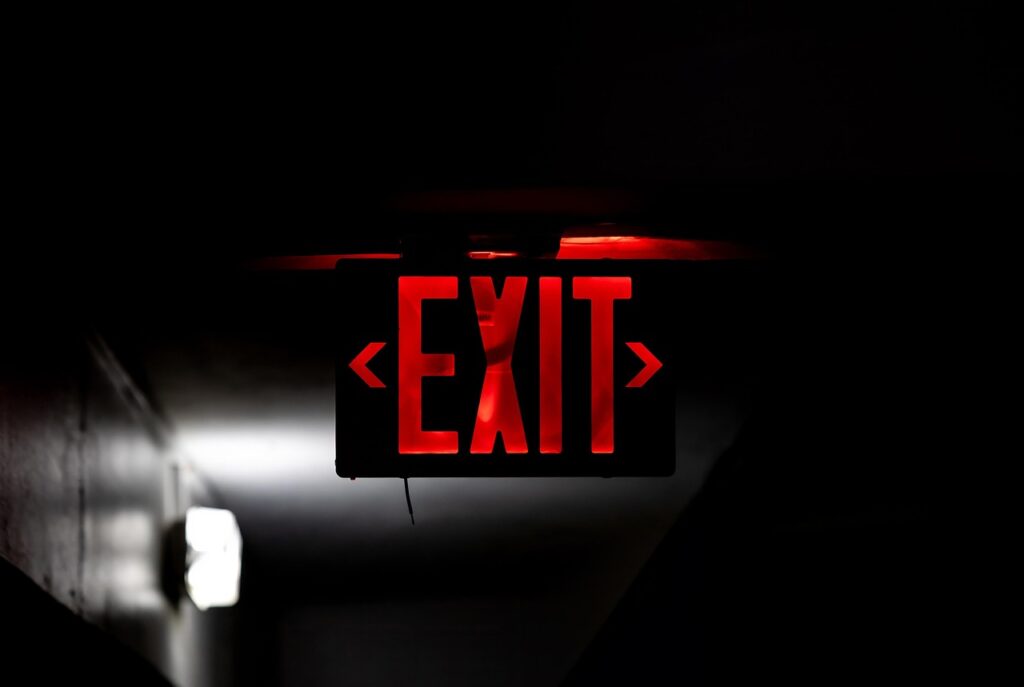
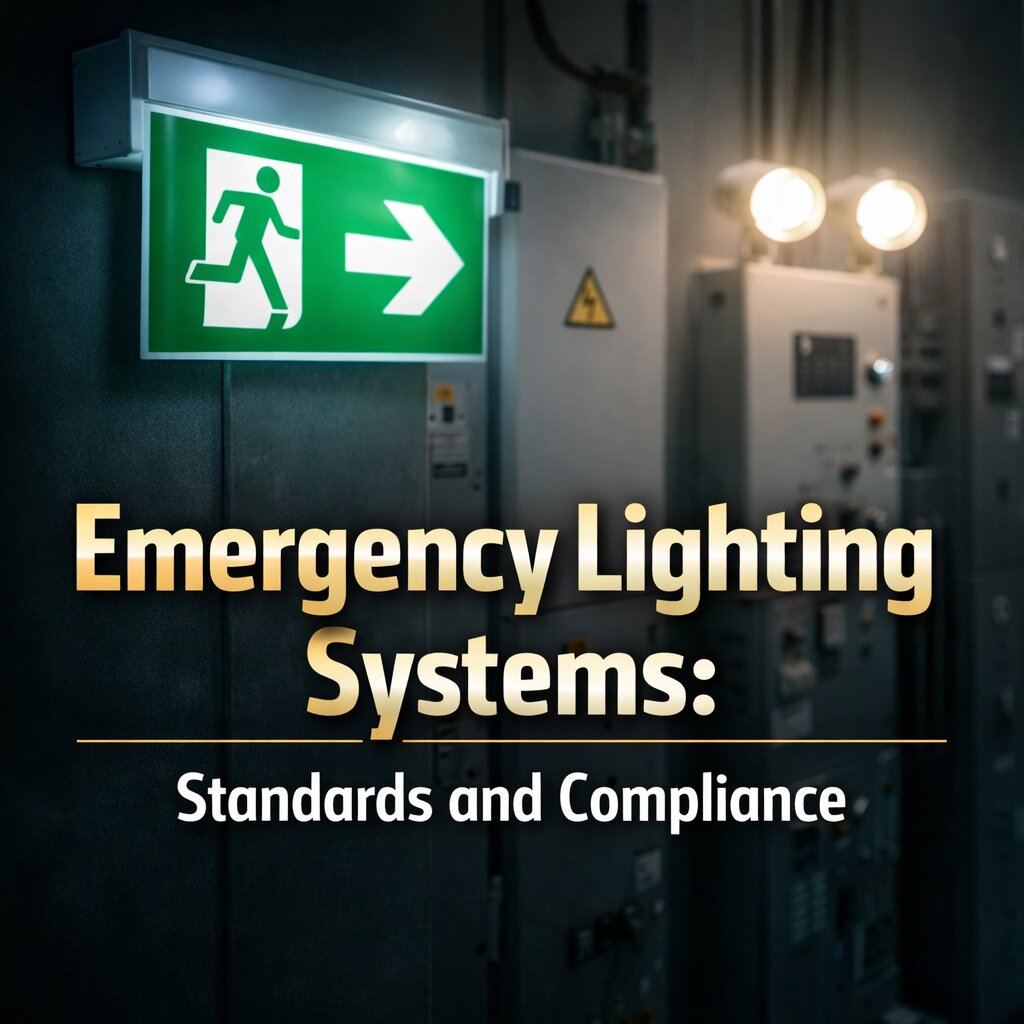
Emergency lighting refers to lighting systems that activate automatically when the main power supply fails. These systems are designed to illuminate escape routes, stairwells, corridors, exits, and high-risk task areas.
There are generally two main categories. Escape route lighting ensures occupants can safely exit a building. Open area or anti-panic lighting reduces confusion in larger spaces. High-risk task lighting supports critical operations that cannot stop immediately during a power failure.
Modern emergency lighting systems typically include battery-backed luminaires, central battery systems, or generator-supported circuits. The system must activate instantly and provide sufficient illumination for a specified duration, often one to three hours depending on building type and regulation.
Regulatory Standards and Compliance Requirements

Emergency lighting is governed by strict standards. While regulations vary by country, most are aligned with international best practice frameworks.
In South Africa, compliance generally references SANS building codes and occupational health and safety legislation. In the UK, standards such as BS 5266 and EN 1838 define illumination levels, placement, and testing procedures. Regardless of jurisdiction, the principles remain the same: visibility, reliability, and performance.
Key compliance areas typically include:
- Minimum illumination levels along escape routes
- Maximum spacing between luminaires
- Clear marking of exit signage
- Minimum duration of emergency operation
- Routine inspection and documented testing
Failure to comply can result in legal penalties, insurance complications, and most importantly, increased risk to occupants.
Design Considerations for Effective Emergency Lighting
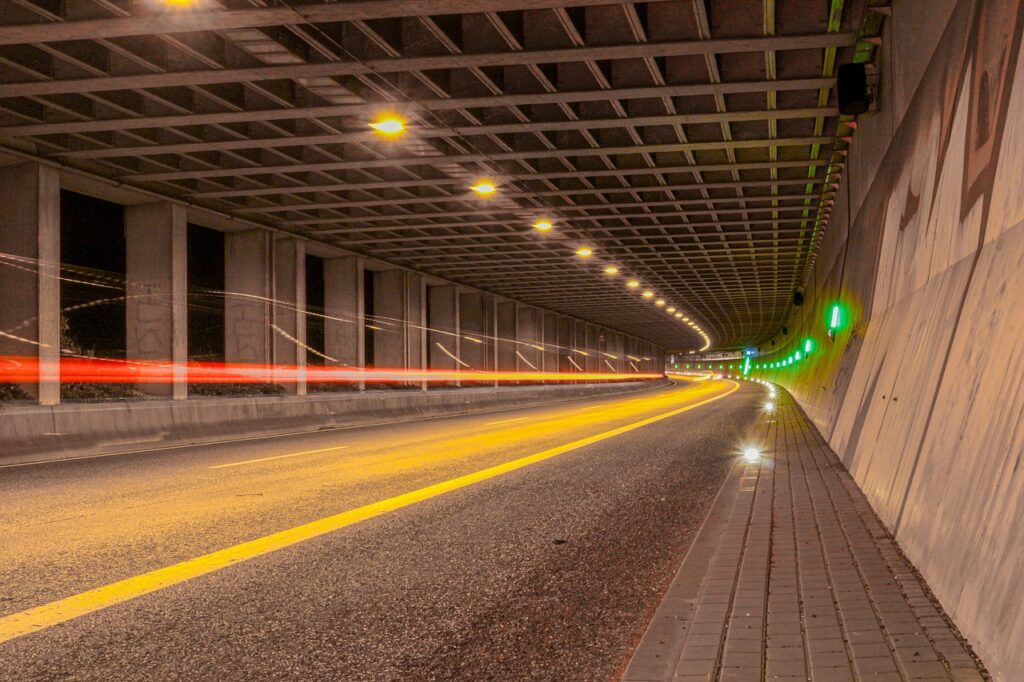
Installing emergency lighting is not simply about placing fittings along a corridor. A proper lighting design assessment must consider building layout, occupancy type, and potential hazards.
Stairwells require consistent vertical illumination. Changes in floor level must be clearly visible. Fire-fighting equipment, alarm call points, and exit doors must be properly lit. High-risk environments such as laboratories or industrial facilities may require higher lux levels.
Technology has improved dramatically in recent years. LED emergency lighting now offers lower energy consumption, longer lifespan, and reduced maintenance costs. Self-testing luminaires also simplify compliance by automatically performing periodic diagnostic checks.
A professionally designed system reduces the risk of dark zones and ensures the entire evacuation path is clearly illuminated.
Inspection, Testing, and Maintenance
Compliance does not end after installation. Emergency lighting systems require regular inspection and testing to remain legally valid.
Monthly function tests confirm that luminaires switch to battery mode correctly. Annual full-duration tests verify that lights remain operational for the required time period. Results must be recorded in a logbook or digital compliance system.
Battery performance degrades over time. Without routine testing, systems may fail during a real emergency. Facilities managers should establish a structured maintenance schedule and ensure replacement components meet certified standards.
Proactive maintenance not only ensures compliance but also reduces liability exposure in the event of an incident.
Protecting Occupants and Assets
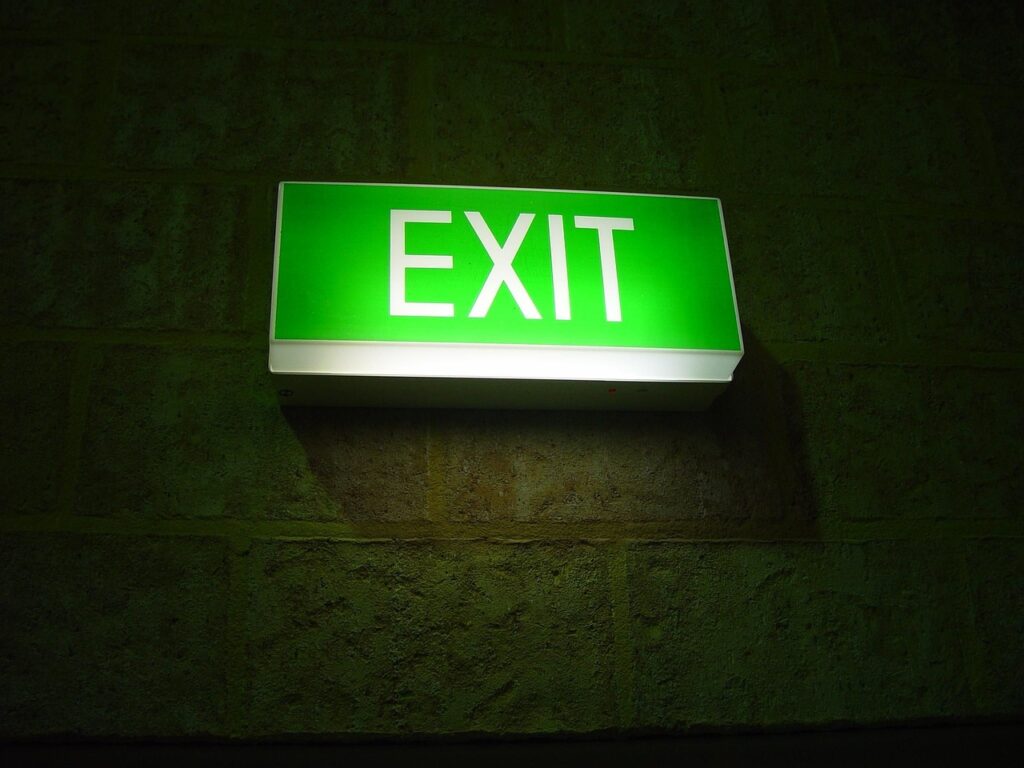
Emergency lighting plays a direct role in life safety planning. During fire evacuations or power outages, clear visibility prevents panic, reduces injury risk, and supports orderly evacuation procedures.
For commercial properties, shopping centres, hospitals, schools, and industrial sites, compliant emergency lighting systems form part of broader fire safety strategies. Insurance providers often require proof of compliance, and regulatory inspections frequently review emergency lighting performance.
A well-designed system provides peace of mind. It demonstrates responsible facilities management and prioritises occupant safety.
Lighting the Way When It Matters Most
Emergency lighting is one of the most critical safety systems in any building. When the power fails, it becomes the only source of visibility guiding people to safety.
Understanding standards, ensuring proper design, and maintaining consistent testing routines are essential steps toward full compliance. For facilities managers and property owners, investing in robust emergency lighting systems is not simply about meeting regulations. It is about safeguarding lives and ensuring operational resilience.