

Table Mountain is more than a landmark. It is a national symbol, a biodiversity hotspot, and a vital environmental asset for Cape Town and South Africa. As one of the New7Wonders of Nature and part of a UNESCO World Heritage Site, its preservation is not optional: it is essential.
But maintaining such a vast and ecologically sensitive area requires balance. Infrastructure must function. Tourism must be supported. Safety must be prioritised. At the same time, natural ecosystems must remain protected. This is where Table Mountain sustainable maintenance becomes critically important.
Sustainable maintenance is not simply about repairing structures when they fail. It is about proactive stewardship, ensuring that every pathway, facility, and access route is maintained in a way that minimises environmental impact while maximising longevity and resilience.
Understanding the environmental sensitivity of Table Mountain
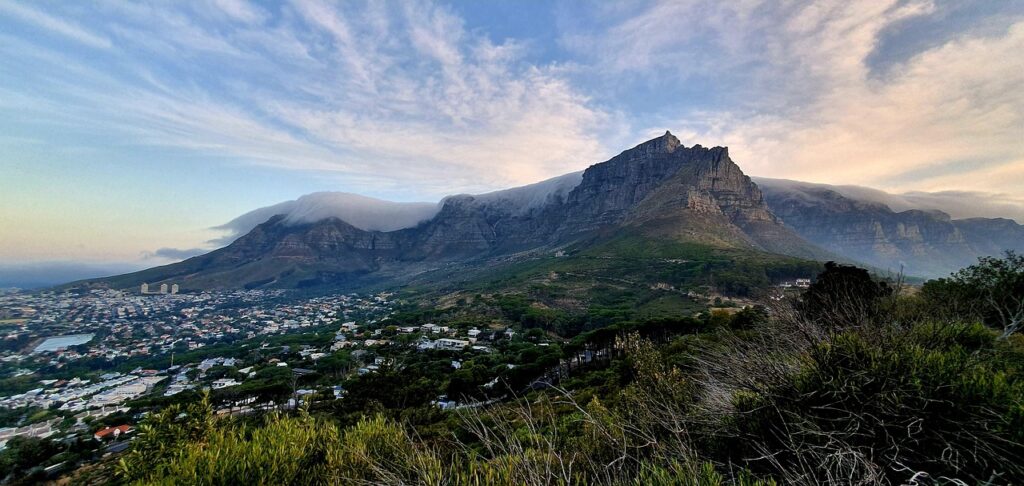
Table Mountain forms part of the Cape Floristic Region, one of the richest plant biodiversity areas in the world. The fynbos biome found here is uniquely adapted to local conditions, but it is also fragile and highly susceptible to human interference.
High visitor numbers increase foot traffic, which can lead to soil erosion, trampling of vegetation, and degradation of informal paths. Without careful management, these pressures can slowly destabilise ecosystems that have evolved over thousands of years.
Water systems on the mountain also require protection. Natural streams and catchment areas contribute to Cape Town’s broader water network. Sustainable drainage, erosion control, and responsible infrastructure placement are therefore essential components of Table Mountain sustainable maintenance.
Maintenance teams must continuously balance access and conservation. Every repair decision has environmental consequences.
Infrastructure maintenance with minimal ecological impact
Maintaining pathways, viewing platforms, safety railings, and cableway facilities requires ongoing inspection and repair. However, traditional construction methods are not always appropriate in such sensitive environments.
Sustainable maintenance practices focus on using locally sourced materials where possible, reducing heavy machinery usage, and planning interventions outside peak biodiversity cycles. For example, certain repair works may be scheduled outside flowering seasons to avoid disrupting pollination patterns.
Erosion control measures are a key priority with Table Mountain sustainable maintenance. Reinforcing pathways with natural stone, installing discreet drainage channels, and restoring native vegetation along damaged sections helps stabilise soil without introducing artificial materials that clash with the landscape.
Waste management during maintenance activities is equally important. All materials brought onto the mountain must be carefully managed to ensure no debris or contaminants remain behind.
Table Mountain sustainable maintenance is therefore as much about restraint as it is about action.
Fire management and ecological balance
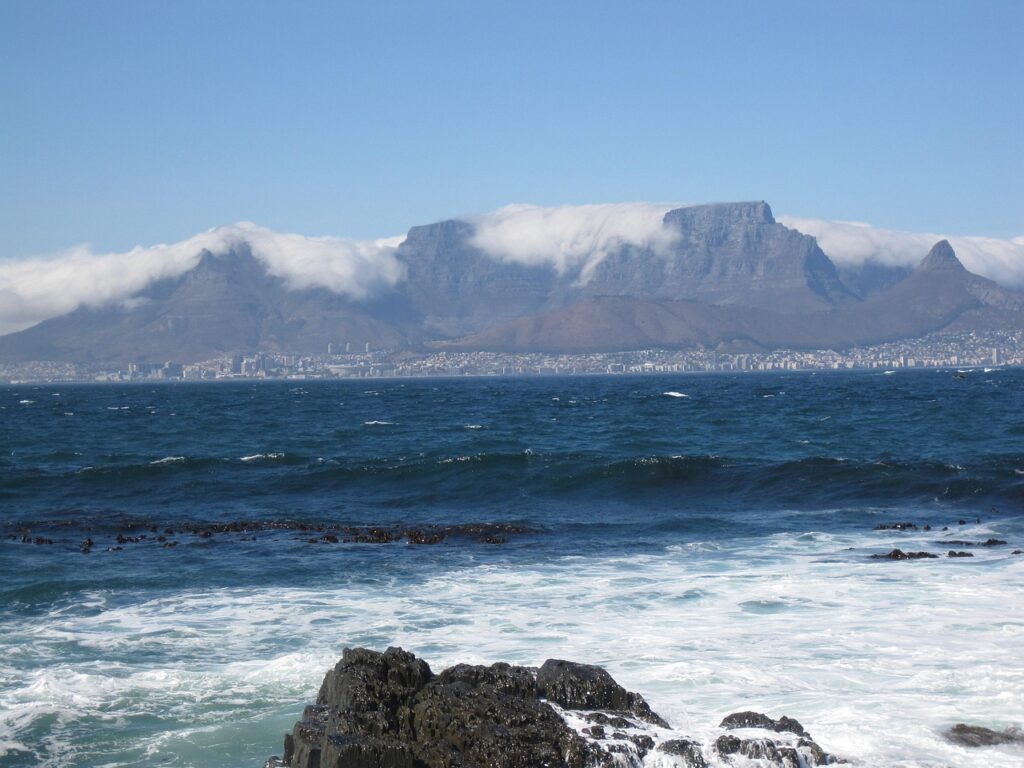
Fire is a natural part of the fynbos ecosystem. However, increased urban expansion around Table Mountain has altered fire risk dynamics. Sustainable maintenance must include responsible fire management strategies that protect both biodiversity and nearby communities.
Controlled burns, vegetation monitoring, and firebreak maintenance are essential. These practices help prevent uncontrolled wildfires while allowing the natural regeneration cycles of fynbos to continue.
Infrastructure must also be designed with fire resilience in mind with Table Mountain sustainable maintenance. Materials used for platforms, signage, and safety barriers should withstand extreme heat without releasing harmful toxins into the environment.
Table Mountain sustainable maintenance therefore includes long-term ecological planning. It recognises that maintenance is not only about structures, but about ecosystem health.
Managing tourism responsibly
Table Mountain attracts millions of visitors annually. Tourism supports local economic activity, but it also increases strain on infrastructure and natural systems.
Sustainable maintenance includes managing visitor flow to reduce congestion on vulnerable paths. Clear signage, well-maintained designated routes, and digital information systems help prevent informal trail creation, which damages vegetation.
Facilities such as restrooms and refreshment areas must operate efficiently and responsibly. Water-saving technologies, solar-powered systems, and low-impact waste disposal methods are increasingly important components of Table Mountain sustainable maintenance.
Education also plays a role. Visitors who understand the fragility of the environment are more likely to respect guidelines and reduce their ecological footprint.
Climate resilience and long-term planning
Climate change introduces additional challenges. Increased storm intensity, prolonged drought periods, and shifting weather patterns can accelerate erosion and stress ecosystems.
Sustainable maintenance strategies must therefore be adaptive. Monitoring soil stability, reinforcing vulnerable sections of pathways, and updating drainage systems are all part of climate resilience planning.
Renewable energy integration is another forward-thinking component. Solar-powered lighting for essential safety areas, energy-efficient cableway systems, and water conservation technologies contribute to reducing the environmental footprint of infrastructure.
Table Mountain sustainable maintenance is not static. It evolves in response to environmental data, technological innovation, and community needs.
Long-term sustainability requires continuous assessment rather than reactive repair.
Collaboration between authorities and specialists
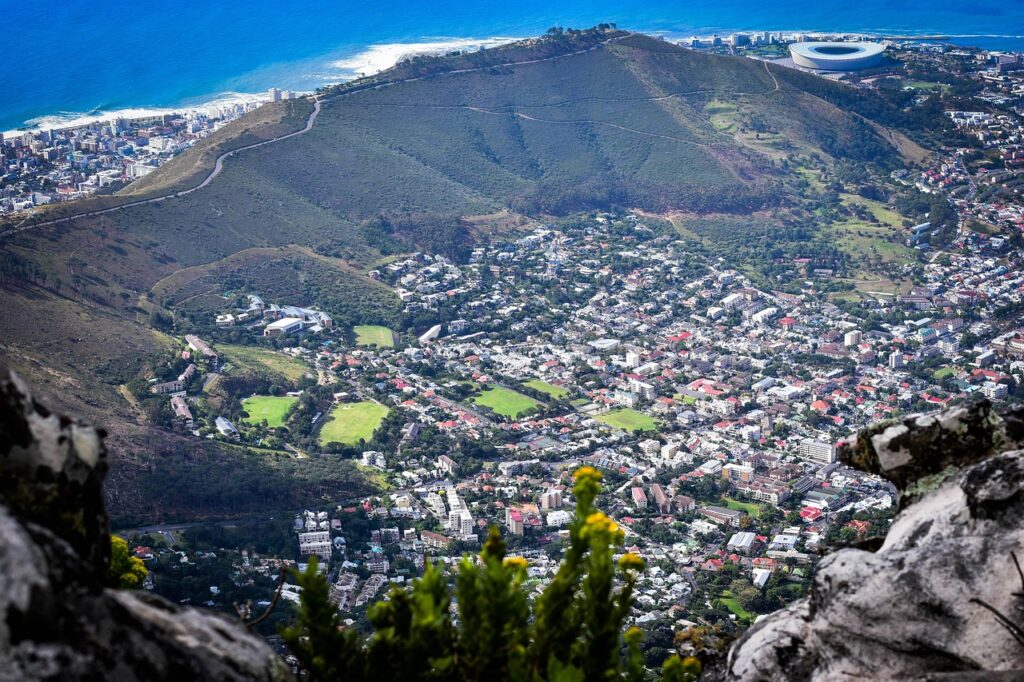
Maintaining a site of this scale requires coordination between environmental authorities, engineering specialists, facilities management professionals, and sustainability experts.
Regular inspections, predictive maintenance planning, and environmental impact assessments form the foundation of responsible management. Rather than waiting for visible damage, maintenance teams can anticipate wear and address it early.
This proactive approach reduces costs over time and prevents environmental degradation. It also ensures public safety remains uncompromised.
Table Mountain sustainable maintenance represents a model that other protected areas can learn from. It demonstrates how infrastructure and conservation can coexist when guided by responsible planning.
Preserving a national treasure for future generations
Table Mountain is not simply a backdrop to Cape Town. It is an ecological sanctuary, a tourism asset, and a cultural icon. Its preservation depends on careful, informed, and sustainable maintenance strategies.
Table Mountain sustainable maintenance ensures that infrastructure supports access without undermining the environment. It prioritises long-term resilience over short-term convenience.
As climate pressures increase and visitor numbers continue to grow, responsible maintenance will remain central to protecting this landmark. Through sustainable practices, proactive planning, and collaborative stewardship, Table Mountain can continue to inspire future generations while maintaining its ecological integrity.
Sustainability is not just a policy. On Table Mountain, it is a necessity.


