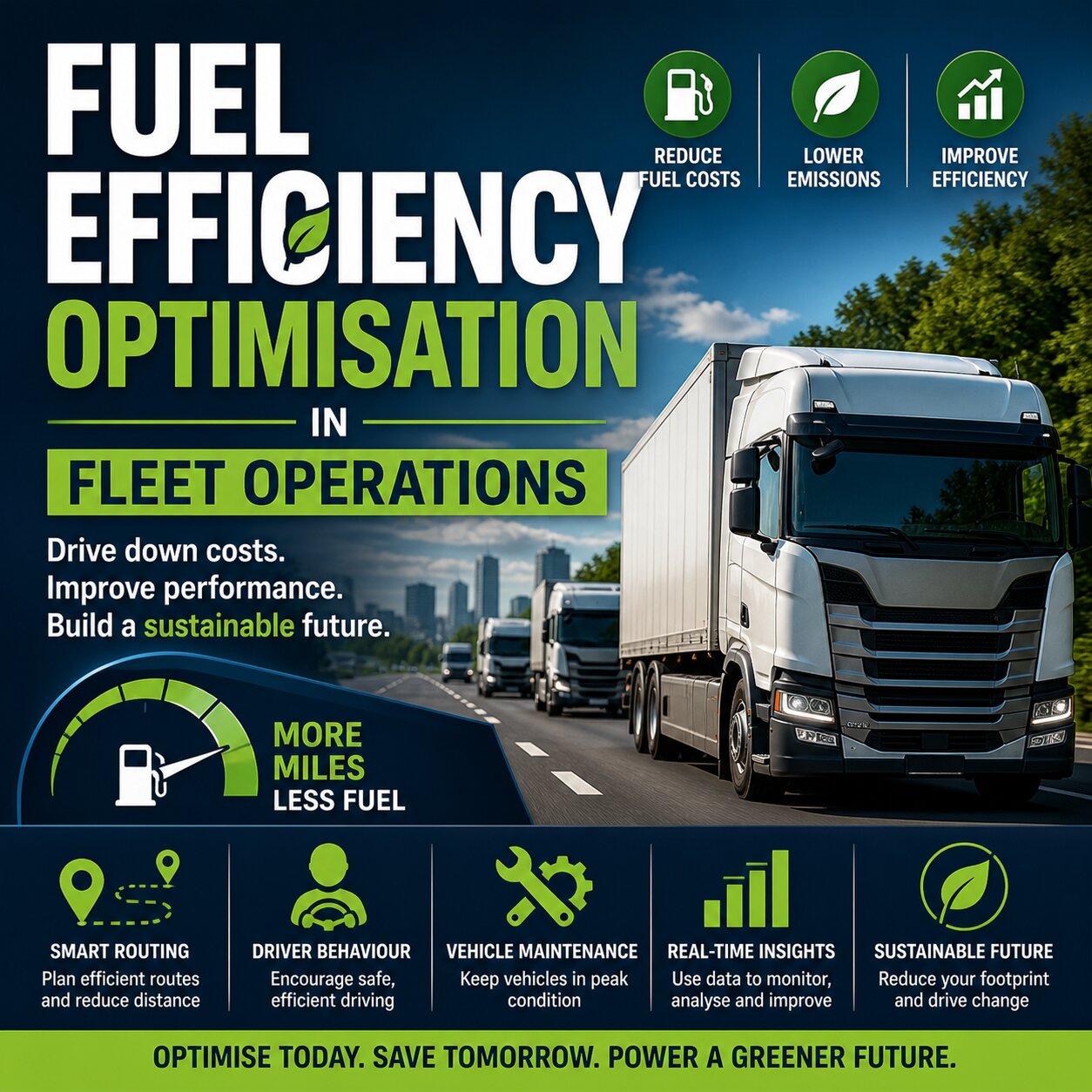
Fuel costs remain one of the biggest operational expenses in modern transport and logistics industries. Whether managing delivery vans, maintenance vehicles, buses, or commercial trucking fleets, businesses constantly search for ways to reduce fuel consumption without sacrificing productivity or reliability.
Fuel efficiency optimisation has become a major focus in fleet operations because rising fuel prices, environmental concerns, and stricter sustainability expectations continue to shape the transport sector. Organisations that improve fuel performance often reduce operational costs while also supporting broader environmental goals.
Modern fleet management systems now combine technology, analytics, driver training, and maintenance planning to create smarter and more sustainable transport operations.
Why fuel efficiency optimisation matters in fleet management
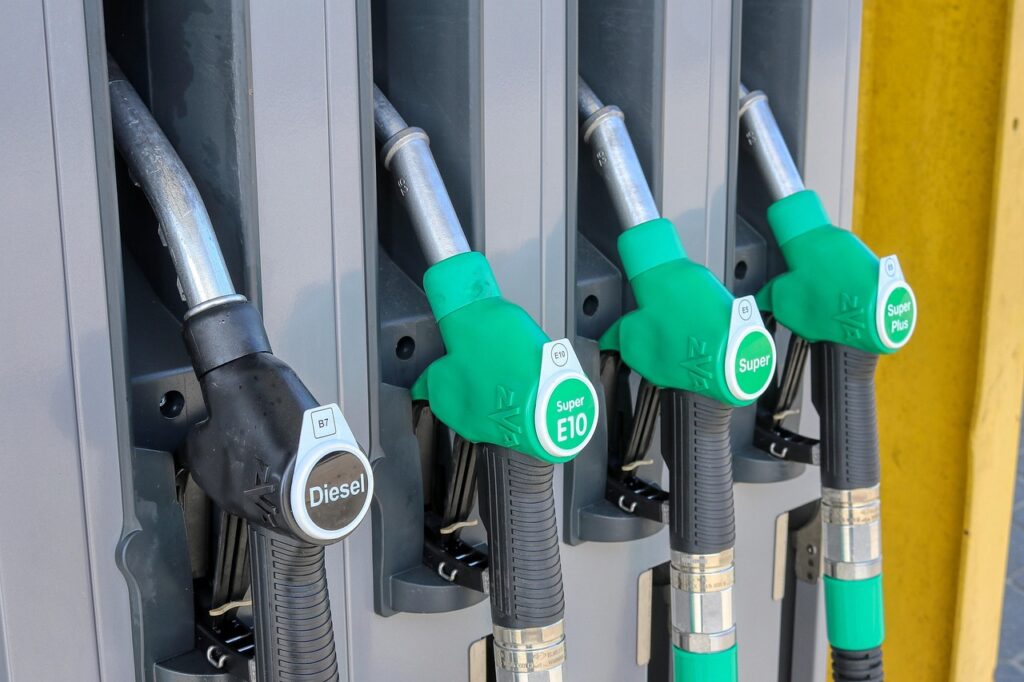
Fuel efficiency optimisation directly affects profitability across almost every fleet-based industry. Even small improvements in fuel usage can lead to substantial annual savings for businesses operating multiple vehicles.
Fleet managers are also under pressure to reduce emissions and improve sustainability reporting. Lower fuel consumption generally means lower carbon emissions, making fuel efficiency optimisation an important part of environmental strategies.
Vehicle wear and maintenance can also improve through fuel efficiency optimisation. Efficient driving habits and properly maintained vehicles reduce unnecessary strain on engines, tyres, brakes, and transmission systems.
Modern clients and stakeholders increasingly value environmentally responsible companies as well. Businesses that invest in fuel efficiency optimisation often strengthen their reputation while improving operational resilience.
As technology evolves, fleet operators now have more tools than ever to monitor and improve vehicle performance in real time.
The role of telematics and smart fleet systems
Telematics systems have transformed fuel efficiency optimisation across the transport industry. These systems collect real-time data from vehicles and provide valuable insights into driver behaviour, fuel usage, idle times, route efficiency, and vehicle health.
Fleet managers can identify fuel-wasting patterns quickly through dashboards and analytics reports. Excessive idling, harsh acceleration, speeding, and inefficient routing are some of the most common issues affecting fuel consumption.
GPS tracking also supports fuel efficiency optimisation by improving route planning. Smarter routing reduces traffic delays, unnecessary mileage, and wasted fuel during deliveries or service operations.
Modern systems can even provide predictive maintenance alerts. Addressing mechanical issues early helps maintain optimal fuel performance and prevents larger repair costs later.
Many organisations now integrate telematics with broader sustainability platforms, creating detailed reports that support environmental targets and operational decision-making.
Driver behaviour and maintenance strategies
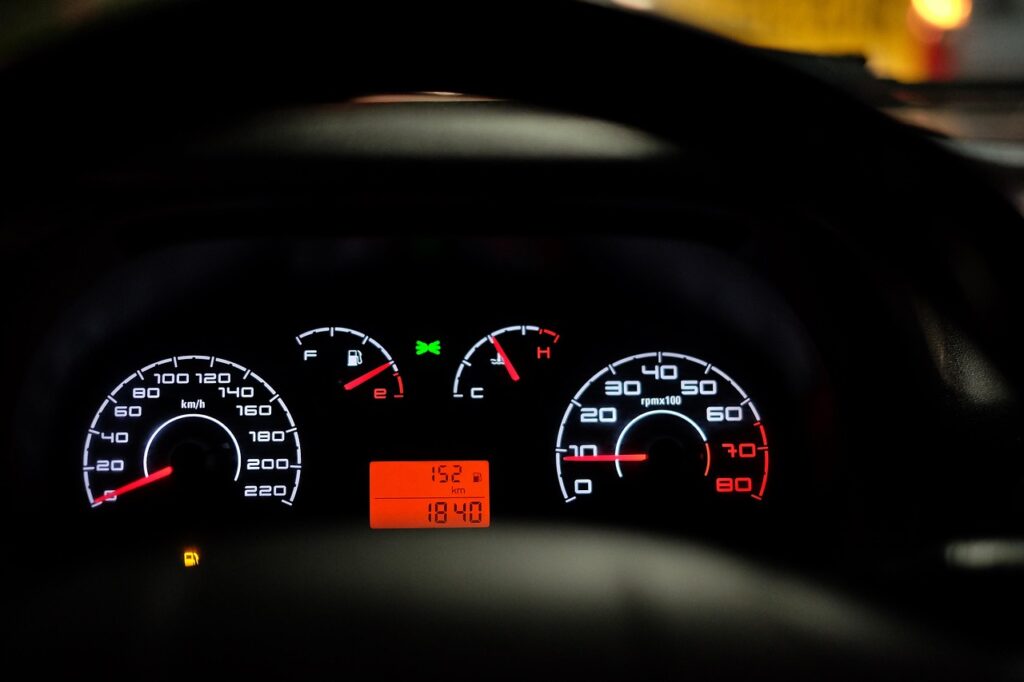
Drivers play a major role in successful fuel efficiency optimisation. Aggressive driving habits can dramatically increase fuel usage across a fleet.
Some of the most effective driver-focused fuel efficiency optimisation strategies include:
- Reducing excessive idling
- Maintaining steady speeds
- Avoiding harsh acceleration and braking
- Using efficient route planning
- Monitoring tyre pressure regularly
- Reducing unnecessary vehicle loads
- Encouraging eco-driving training programmes
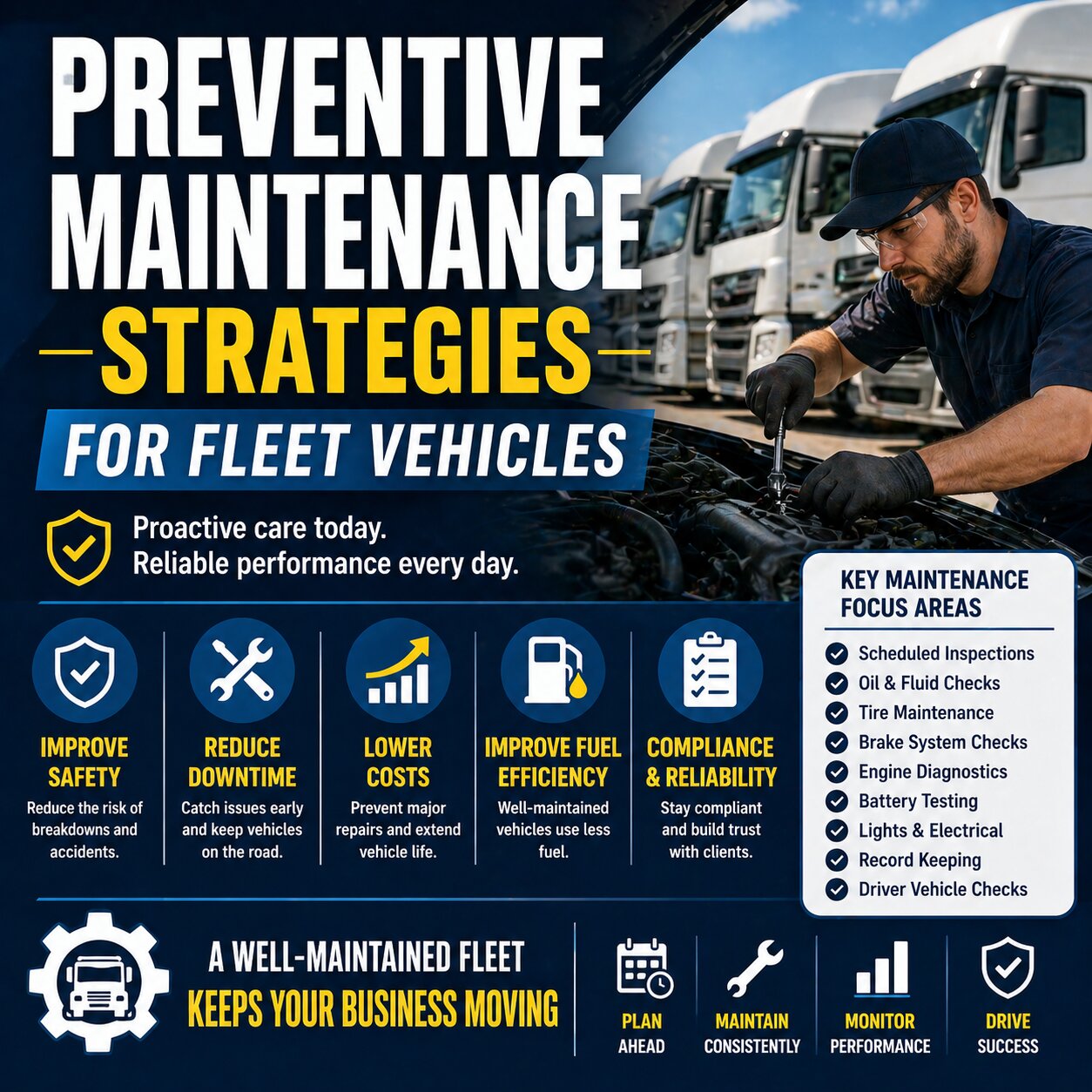
Regular maintenance is equally important. Poorly maintained vehicles consume more fuel and experience greater mechanical stress.
Air filters, tyre alignment, engine tuning, and oil quality all contribute toward fuel efficiency optimisation. Preventive maintenance programmes help ensure vehicles continue operating at peak efficiency levels.
Hybrid and electric fleet integration is also becoming part of long-term fuel efficiency optimisation strategies for many businesses looking to reduce dependence on traditional fuel systems.
Technology trends shaping the future of fuel efficiency
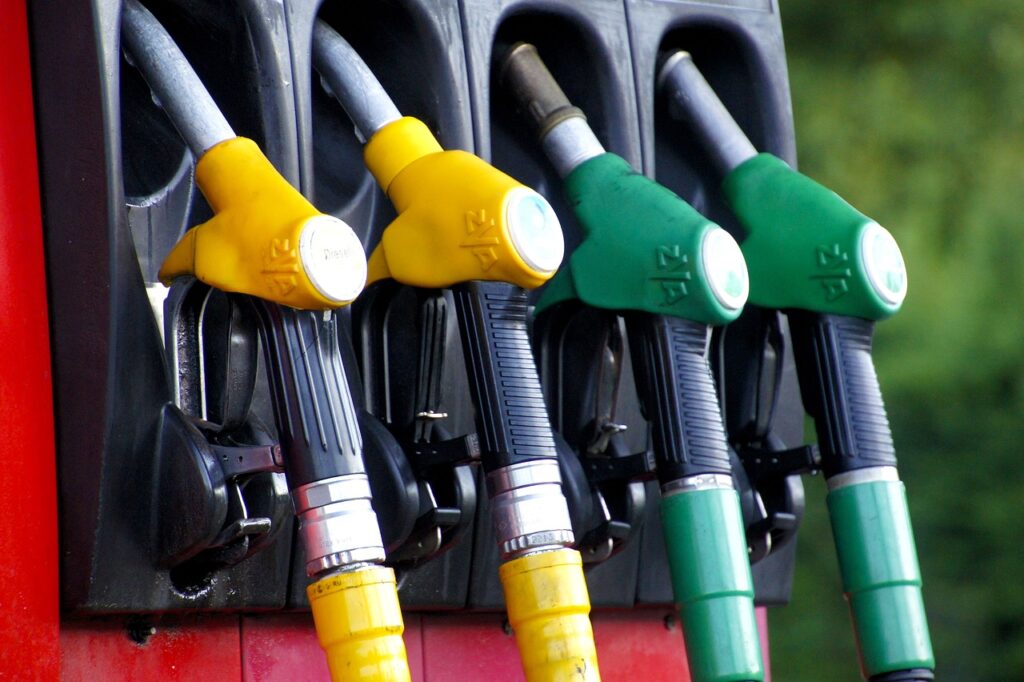
Emerging technologies continue reshaping fuel efficiency optimisation across global fleet industries. Artificial intelligence and machine learning systems now analyse large datasets to identify patterns and recommend operational improvements automatically.
Some fleet platforms can predict traffic conditions, optimise delivery scheduling, and adjust routing dynamically based on weather or congestion. These systems reduce wasted fuel while improving overall efficiency.
Electric vehicle adoption is accelerating in many sectors as battery technology improves. While full electrification may not yet suit every operation, mixed-fleet approaches are becoming increasingly common.
Aerodynamic vehicle designs, lightweight materials, and advanced engine technologies also continue improving fuel efficiency optimisation opportunities for commercial transport providers.
Government regulations and sustainability initiatives are likely to drive even greater investment into fuel-efficient technologies over the coming years.
Building smarter and more sustainable fleet operations
Fuel efficiency optimisation is no longer simply about reducing fuel expenses. It has become a key component of sustainability, operational efficiency, maintenance planning, and long-term business resilience.
Fleet operators that embrace telematics, smart analytics, driver training, and proactive maintenance strategies often achieve meaningful improvements in both costs and environmental performance.
As transport industries continue evolving, fuel efficiency optimisation will remain central to modern fleet management strategies. Businesses that invest in smarter fleet systems today position themselves more competitively for the future while supporting greener and more sustainable operations.