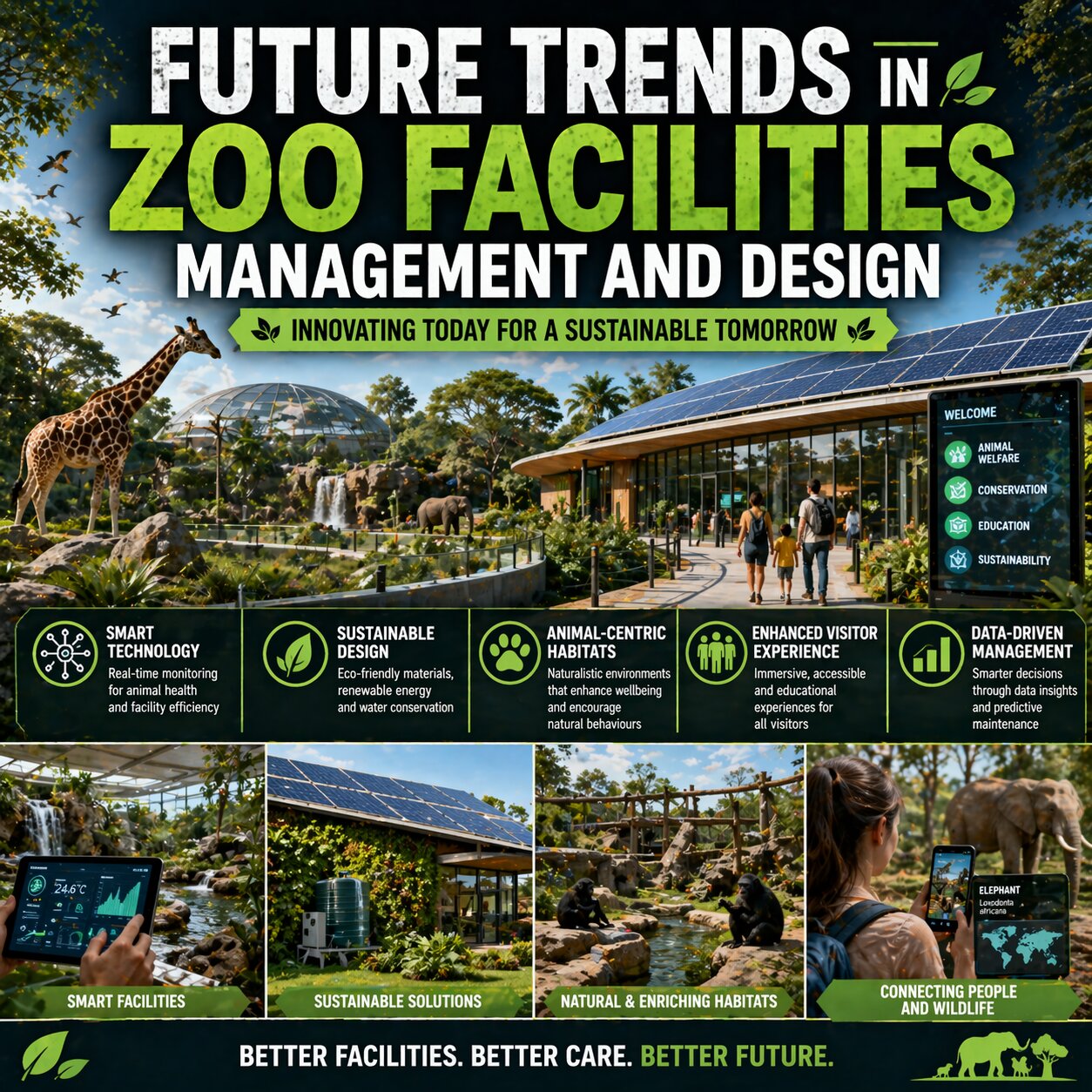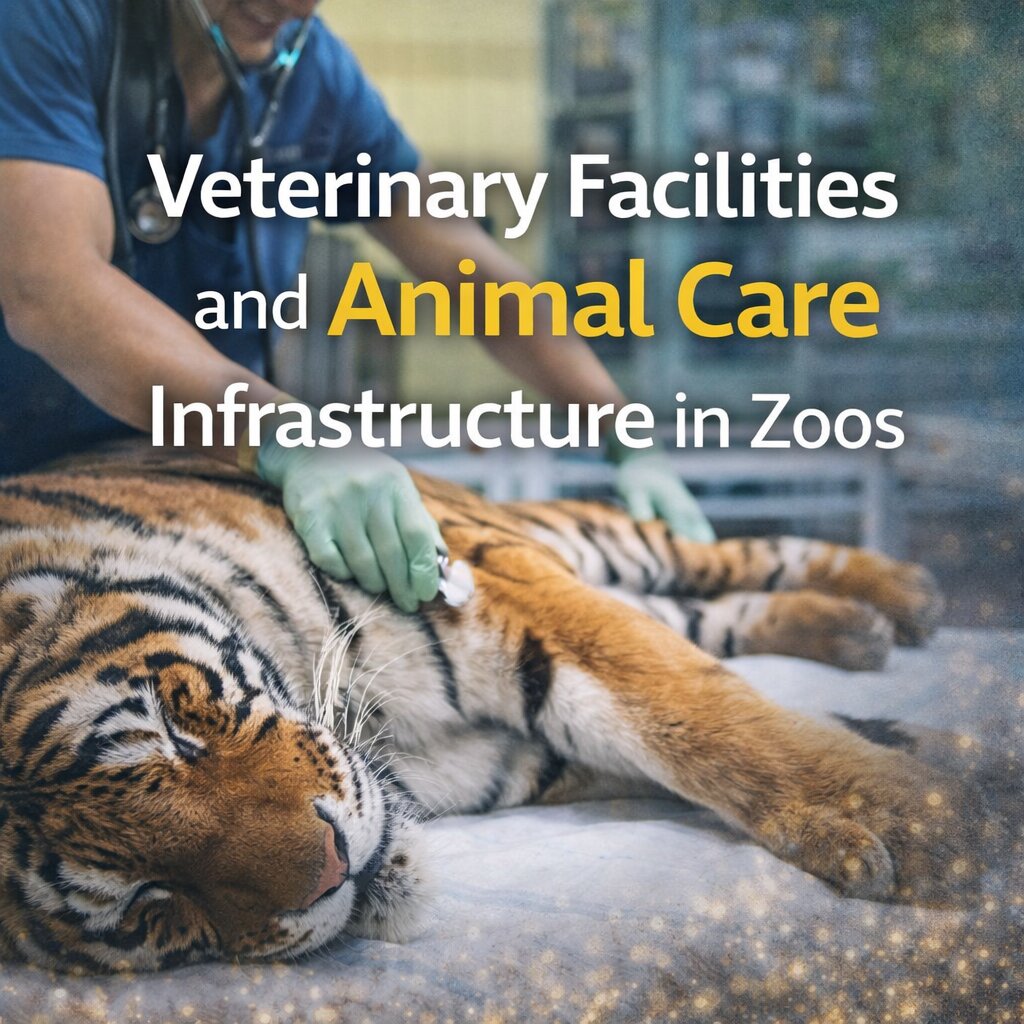
Veterinary facilities in zoos play a critical role in ensuring the health, well-being, and long-term survival of animals in managed environments. These facilities are far more advanced than typical veterinary clinics, as they must accommodate a wide range of species, each with unique medical and environmental needs.
Alongside veterinary care, animal care infrastructure in zoos includes enclosures, quarantine areas, nutrition systems, and monitoring technologies. Together, these systems create a controlled environment where animals can thrive while receiving continuous care and attention from trained professionals.
What are veterinary facilities in zoos?
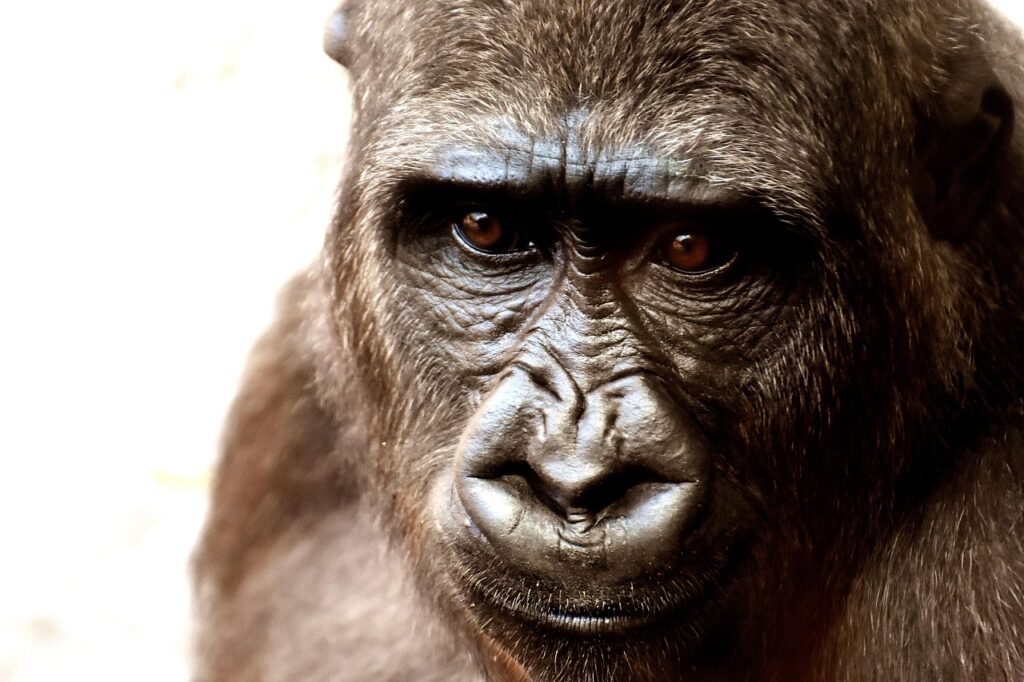
Veterinary facilities in zoos are specialised medical centres designed to diagnose, treat, and monitor the health of animals ranging from small reptiles to large mammals. These facilities are equipped with advanced tools and equipment tailored to handle diverse species safely and effectively.
Unlike traditional veterinary practices, zoo veterinary facilities must be adaptable. They often include surgical suites, diagnostic imaging rooms, laboratories, and recovery areas designed to accommodate animals of different sizes and temperaments.
Preventative care is a major focus. Regular health checks, vaccinations, and monitoring help detect potential issues early, reducing the risk of disease spreading within the zoo environment.
These facilities also support conservation efforts, playing a role in breeding programmes and rehabilitation initiatives aimed at protecting endangered species.
The role of animal care infrastructure in zoos
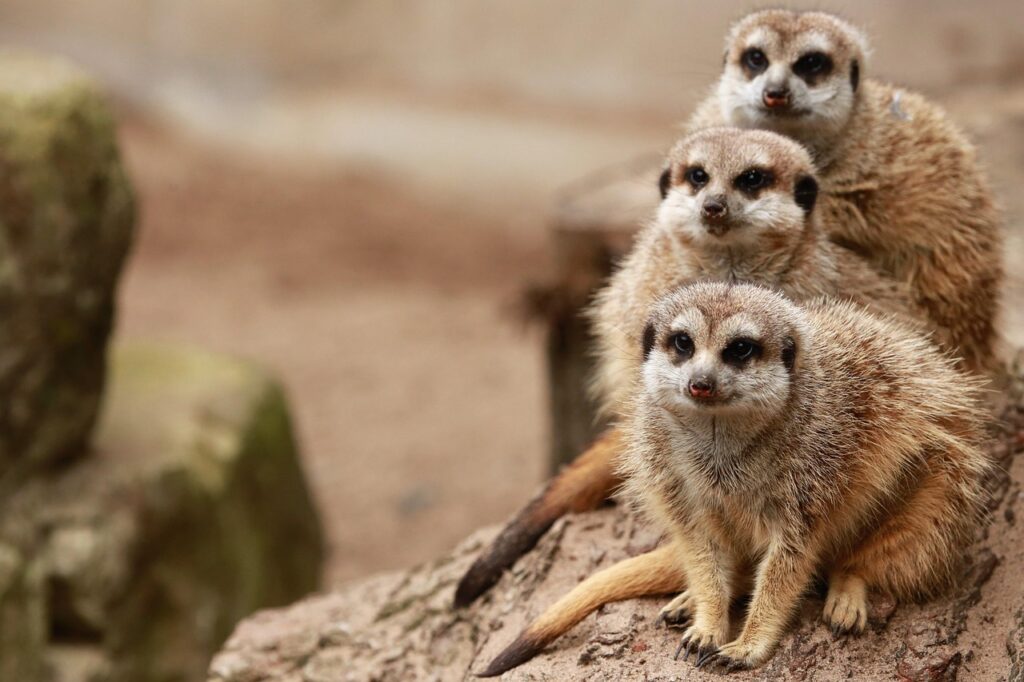
Animal care infrastructure in zoos extends beyond medical treatment. It encompasses the physical and operational systems that support the daily needs of animals, including housing, feeding, and environmental enrichment.
Modern enclosures are designed to replicate natural habitats as closely as possible. This helps reduce stress and encourages natural behaviours, which are essential for both physical and mental health.
Climate control systems are often integrated to maintain appropriate temperatures and humidity levels, especially for species that originate from different regions. Water systems, lighting, and landscaping also contribute to creating suitable living conditions.
This infrastructure ensures that animals are not only healthy but also able to express behaviours that are vital to their wellbeing.
Key components of veterinary and care systems in zoos
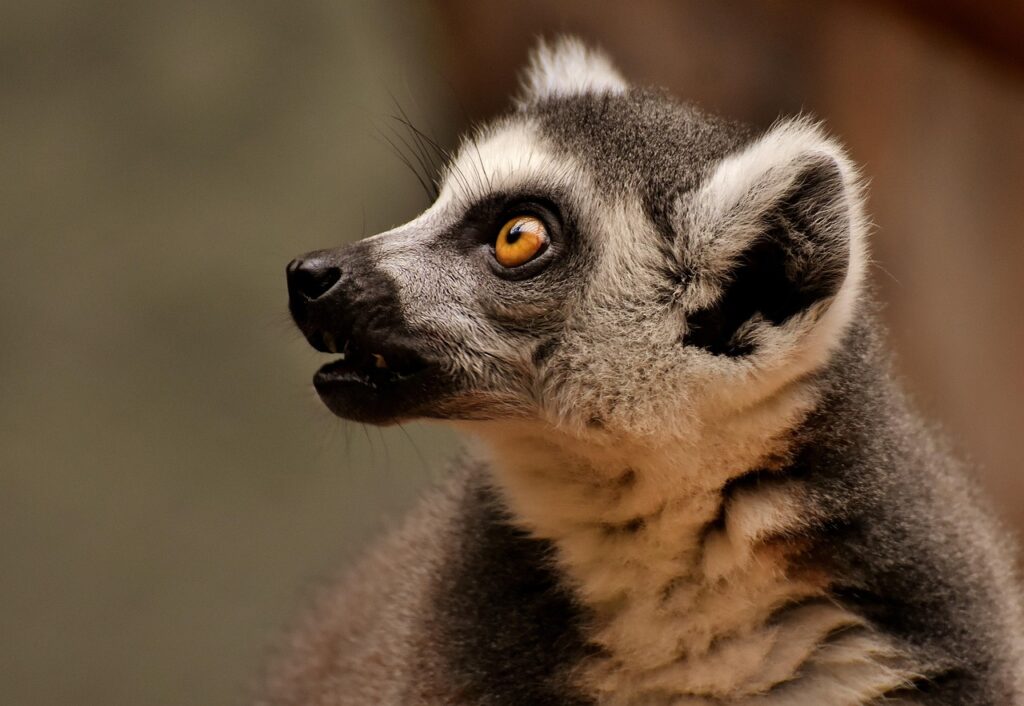
A well-designed zoo relies on a combination of medical facilities and support systems to maintain high standards of animal care. These components work together to create a safe and efficient environment.
- Veterinary hospitals with surgical and diagnostic capabilities
- Quarantine and isolation areas for new or sick animals
- Specialised enclosures tailored to species-specific needs
- Nutrition and food preparation facilities
- Environmental control systems for temperature, lighting, and humidity
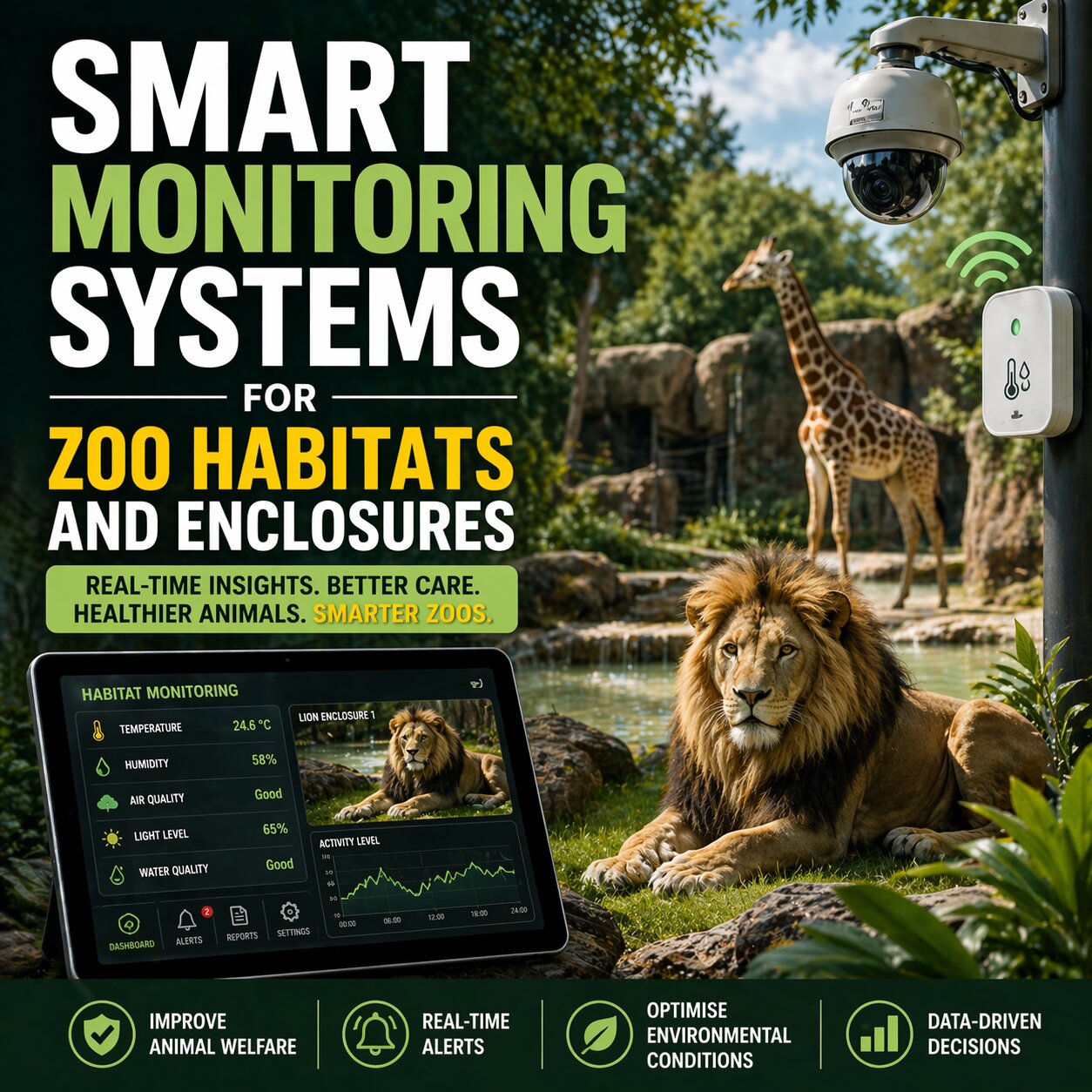
- Monitoring systems for tracking animal health and behaviour
These elements form the foundation of effective animal care infrastructure, allowing zoo staff to respond quickly to health issues and maintain optimal living conditions.
Technology and innovation in zoo veterinary care
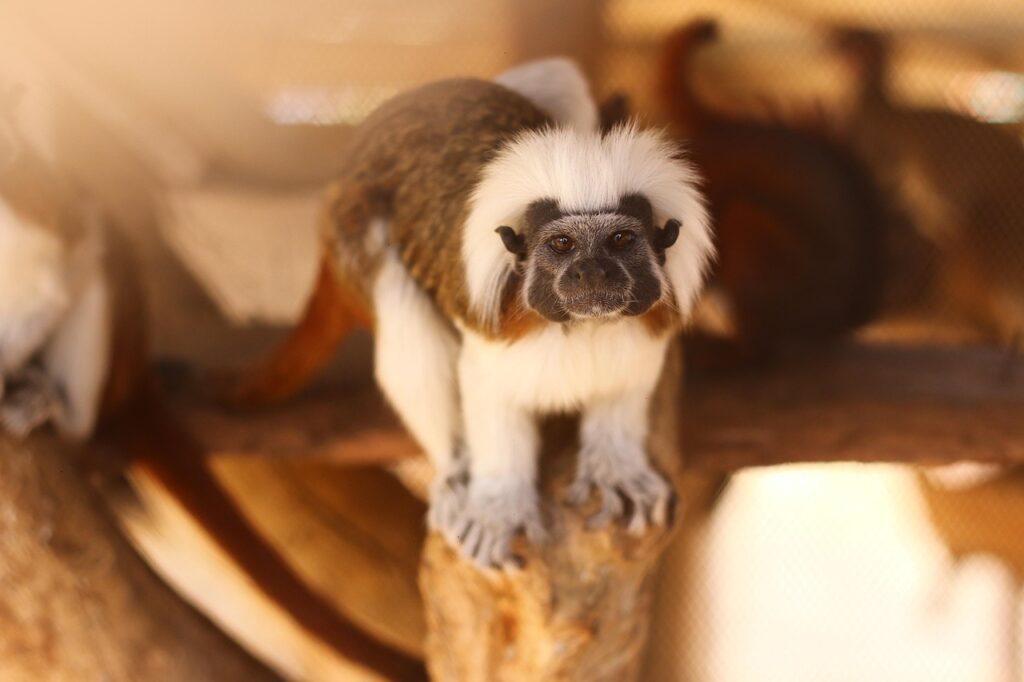
Technology is transforming veterinary facilities in zoos, enabling more precise diagnostics and better monitoring of animal health. Advanced imaging systems, such as X-rays and ultrasounds, allow veterinarians to assess conditions without invasive procedures.
Wearable sensors and tracking devices are increasingly used to monitor vital signs, movement patterns, and behaviour. This data helps identify early signs of illness or stress, allowing for timely intervention.
Digital record systems also play an important role. By maintaining detailed health histories, veterinarians can make more informed decisions and track long-term trends across different species.
Automation and smart systems are further enhancing efficiency, ensuring that environmental conditions and feeding schedules are maintained consistently.
Supporting conservation and long-term animal wellbeing
Veterinary facilities in zoos are closely linked to global conservation efforts. They support breeding programmes, rehabilitation projects, and research initiatives aimed at preserving endangered species.
Animal care infrastructure ensures that these efforts are sustainable. By providing safe environments and high-quality care, zoos can contribute to the survival of species that may be at risk in the wild.
Education is another important aspect. Visitors gain insight into animal health and conservation, helping raise awareness and support for wildlife protection.
As zoos continue to evolve, the integration of advanced veterinary care and infrastructure will remain essential for balancing conservation, education, and animal welfare.