Modern libraries are evolving beyond quiet reading spaces into highly sustainable public facilities. As environmental concerns continue growing worldwide, many library managers and facility planners are now focusing on reducing water consumption through smarter infrastructure and efficient resource management.
Water-saving systems in library facilities help reduce operational costs, minimise environmental impact, and support long-term sustainability goals. From restrooms and irrigation systems to rainwater harvesting and greywater recycling, libraries can implement a wide range of technologies designed to conserve water without compromising visitor comfort or facility performance.
For libraries aiming to become greener and more efficient, water conservation is becoming an essential part of facilities management planning.
Why water conservation matters in libraries
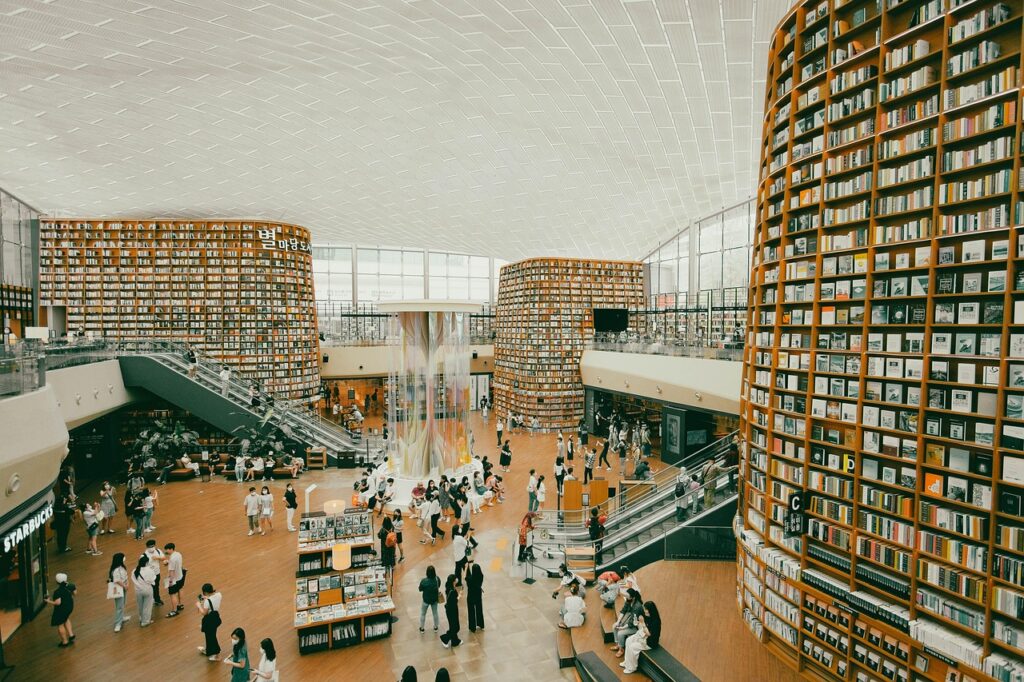
Libraries may not appear to consume large amounts of water compared to industrial buildings, but daily operations can still create significant long-term water usage. Public restrooms, landscaping, cleaning, cooling systems, cafés, and maintenance activities all contribute to ongoing consumption.
In regions facing drought conditions or rising water costs, reducing waste becomes even more important. Sustainable water management helps libraries operate more responsibly while reducing pressure on municipal infrastructure.
Water-saving systems also support broader environmental certifications and sustainability programmes. Many modern public facilities now include water efficiency goals as part of green building strategies.
Beyond financial savings, these systems demonstrate environmental leadership and help educate communities about responsible resource management.
Common water-saving systems used in library facilities

Libraries can introduce multiple technologies and operational strategies to reduce water consumption throughout their buildings and surrounding grounds.
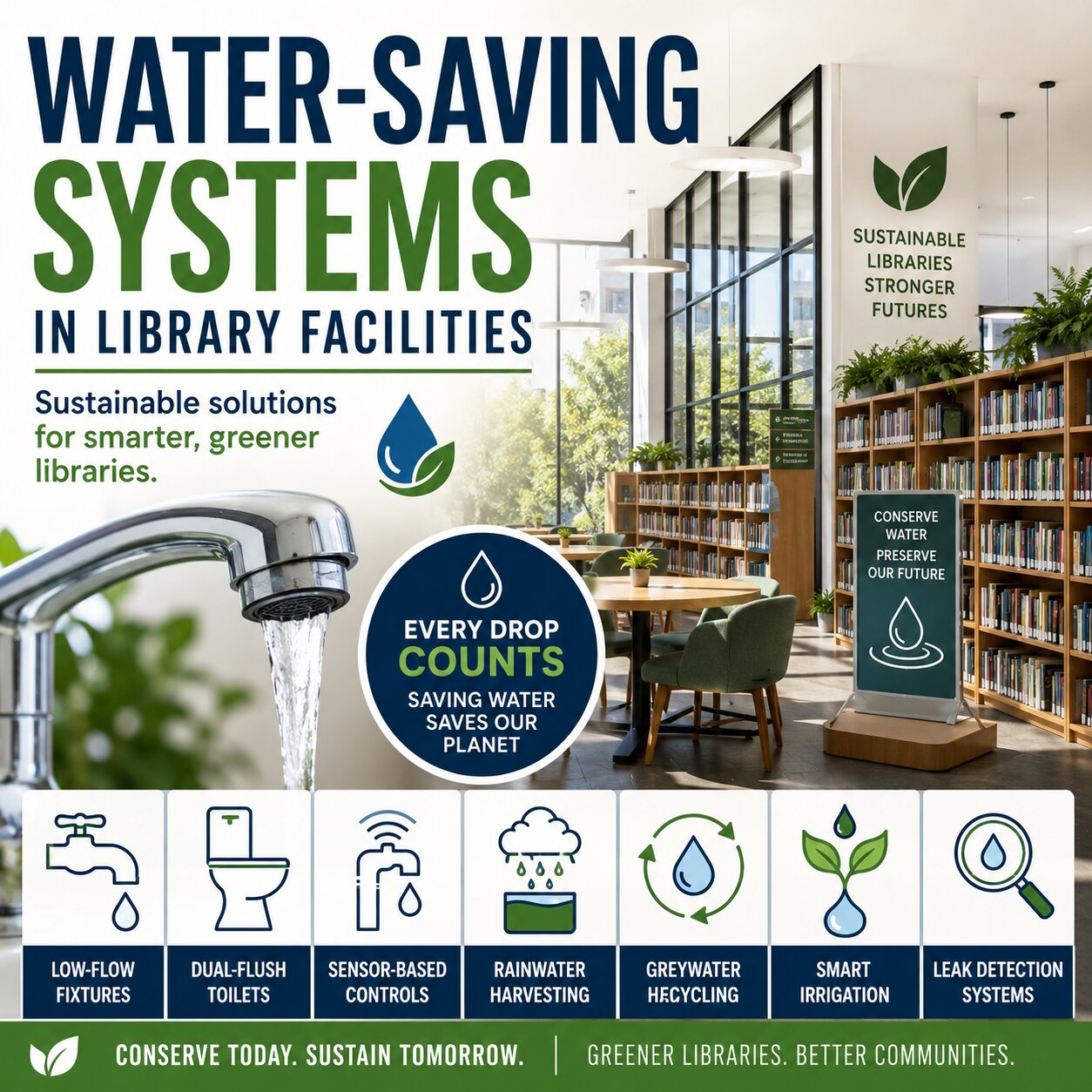
Some of the most effective water-saving systems include:
- Low-flow taps and restroom fixtures
- Dual-flush toilet systems
- Motion-sensor water controls
- Rainwater harvesting systems
- Greywater recycling systems
- Smart irrigation controllers
- Drip irrigation for landscaping
- Leak detection monitoring systems
These systems help reduce unnecessary waste while improving operational efficiency throughout the facility.
Modern monitoring technology also allows facilities managers to track water usage in real time, making it easier to identify leaks, inefficiencies, or maintenance issues before they become costly problems.
Sustainable landscaping and outdoor water management
Outdoor landscaping often becomes one of the largest contributors to unnecessary water consumption in public facilities. Traditional lawns and decorative gardens may require frequent irrigation, especially during warmer seasons.
Many libraries are now shifting toward drought-resistant landscaping solutions that require far less maintenance and water usage. Native plants, gravel gardens, and eco-friendly outdoor designs can significantly reduce irrigation demands while still creating welcoming public spaces.
Smart irrigation systems further improve efficiency by adjusting watering schedules based on weather conditions, soil moisture, and seasonal changes. This prevents overwatering and reduces wasted resources.
Rainwater harvesting systems can also collect and store water for irrigation purposes, reducing dependence on municipal water supplies.
Supporting greener public facilities
Water-saving systems are becoming increasingly important as libraries continue adapting to modern sustainability standards and environmental expectations.
By combining efficient fixtures, smart monitoring systems, sustainable landscaping, and responsible facilities management practices, libraries can dramatically reduce water consumption while lowering operational costs over time.
These improvements not only benefit the environment but also help create future-ready public facilities capable of operating more efficiently for years to come.
As sustainability continues shaping modern infrastructure planning, water conservation will remain a critical part of building smarter and greener library environments.