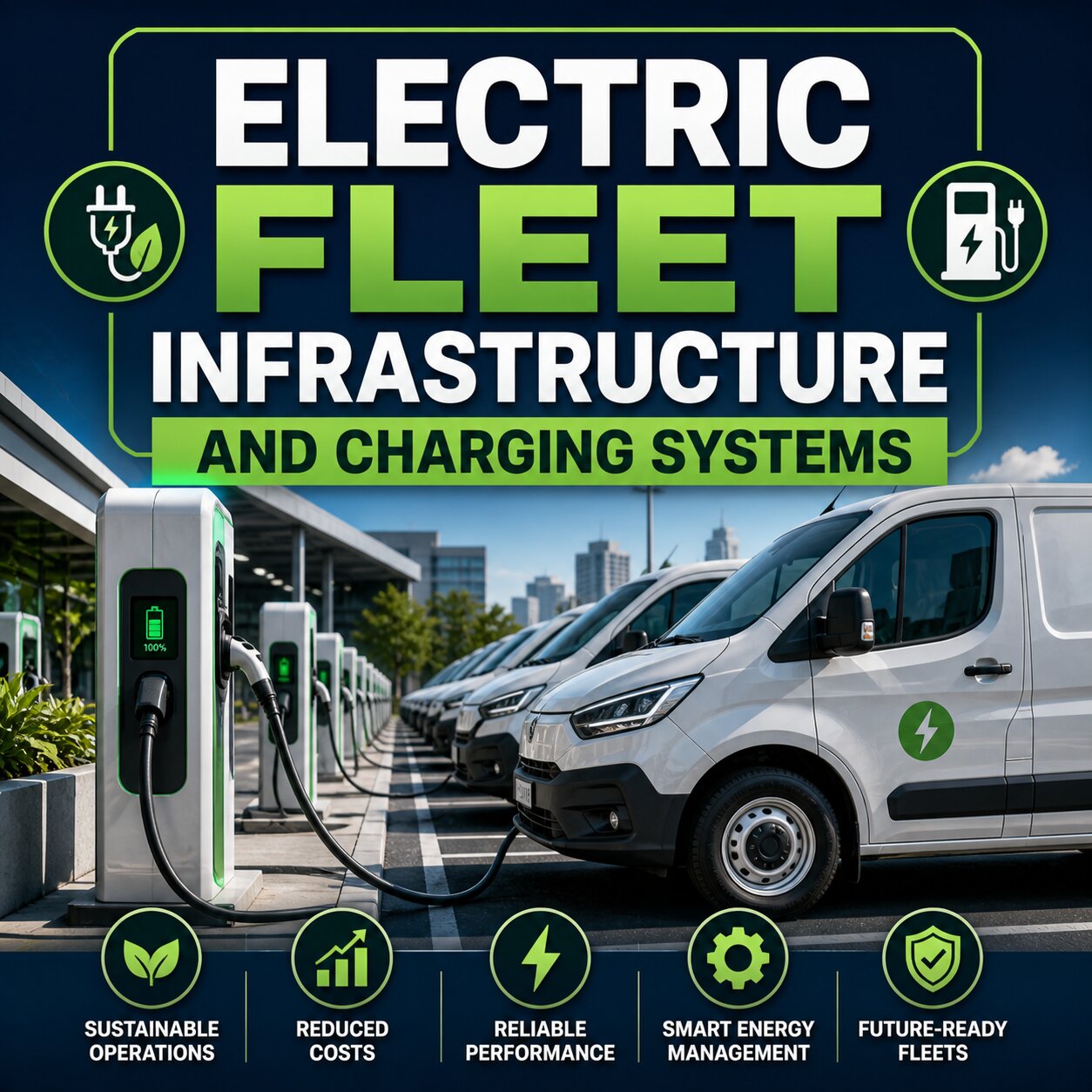
Electric fleet infrastructure and charging systems are becoming essential components of modern transport and facilities management strategies. As organisations shift towards electrification, the need for reliable, scalable, and efficient charging solutions continues to grow.
From commercial vehicle fleets to municipal services, electric vehicles are transforming how operations are managed. However, their success depends heavily on the infrastructure that supports them. Without proper charging systems, even the most advanced electric fleets cannot operate effectively.
In this article, we explore how electric fleet infrastructure and charging systems work, their role in modern operations, and the technologies shaping their future.
The Role Of Electric Fleet Infrastructure In Modern Operations
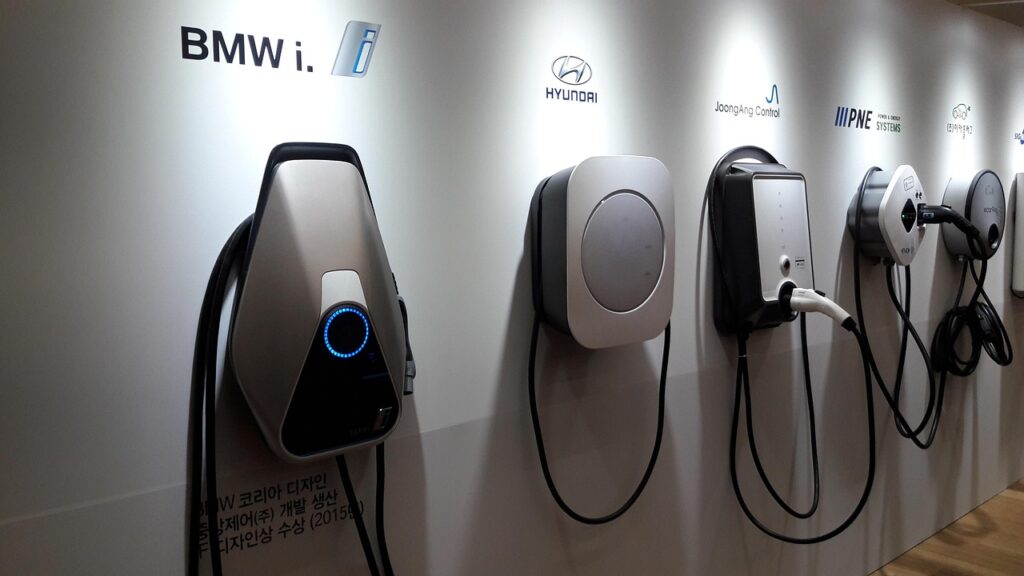
Electric fleet infrastructure and charging systems play a critical role in enabling the transition from traditional fuel-based vehicles to electric alternatives. They ensure that vehicles remain operational, minimise downtime, and support consistent performance across fleet operations.
For businesses managing delivery vehicles, service fleets, or public transport systems, reliable charging infrastructure is essential. It allows vehicles to be charged efficiently between routes, shifts, or operational cycles without disrupting productivity.
Facilities managers must consider how charging systems integrate with existing infrastructure. This includes electrical capacity, space allocation, and operational workflows. A well-designed system ensures that charging becomes a seamless part of daily operations.
In large-scale environments, such as logistics hubs or municipal depots, electric fleet infrastructure must support multiple vehicles simultaneously. This requires careful planning to balance energy demand, charging speed, and system efficiency.
Types Of Charging Systems For Electric Fleets
Electric fleet infrastructure and charging systems include a range of technologies designed to meet different operational needs. The choice of system depends on fleet size, usage patterns, and available infrastructure.
Level 1 charging is typically used for smaller fleets or low-demand environments, offering slower charging through standard electrical outlets. Level 2 charging provides faster performance and is commonly used in commercial settings.
DC fast charging systems are designed for rapid energy delivery, making them ideal for fleets that require quick turnaround times. These systems are often used in high-demand environments where vehicles need to return to service quickly.
Wireless and smart charging technologies are also emerging. These systems allow for automated charging processes and improved efficiency, reducing the need for manual intervention and improving overall fleet management.
Key Components Of Electric Fleet Infrastructure
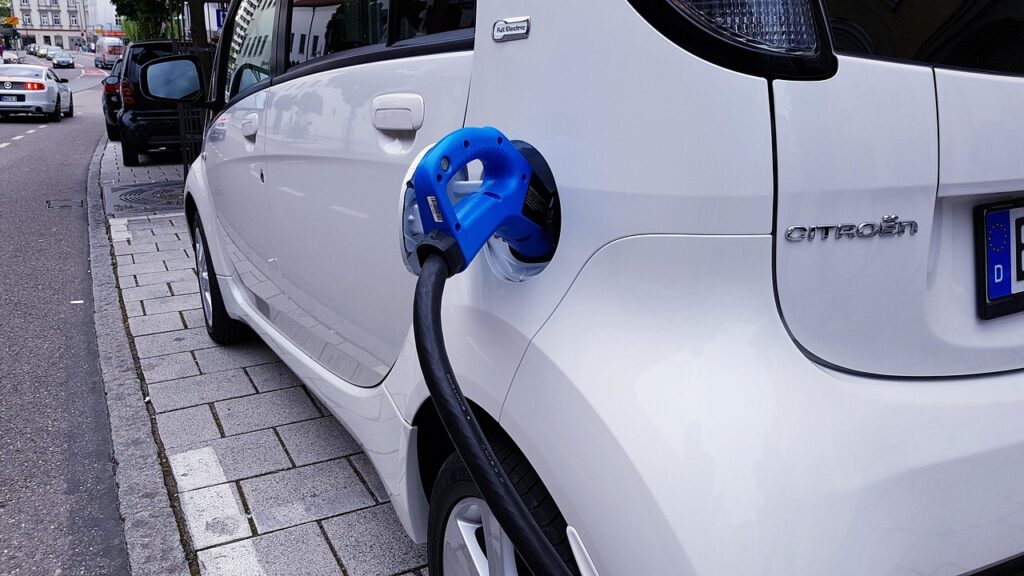
Electric fleet infrastructure and charging systems consist of several key components that work together to support efficient operation:
- Charging stations and connectors
- Electrical distribution systems
- Energy management software
- Grid connection and power supply
- Monitoring and control systems
Each component plays an important role in ensuring that vehicles are charged safely and efficiently. Together, they create an integrated system that supports reliable fleet operations.
Energy management software is particularly important, as it allows operators to monitor usage, optimise charging schedules, and manage costs. This level of control is essential for large fleets operating across multiple locations.
Technology Driving Charging Efficiency
Technology is rapidly improving how electric fleet infrastructure and charging systems operate. Smart systems now enable real-time monitoring, predictive maintenance, and automated load balancing.
Load balancing technology ensures that energy is distributed efficiently across multiple charging points. This prevents overloads and reduces strain on electrical systems, especially in high-demand environments.
Integration with renewable energy sources is also becoming more common. Solar and wind energy can be used to supplement grid power, reducing operational costs and environmental impact.
Advanced analytics provide insights into fleet performance, energy usage, and system efficiency. These insights help organisations make data-driven decisions and continuously improve their operations.
The Future Of Electric Fleet Infrastructure
Electric fleet infrastructure and charging systems will continue to evolve as electrification becomes more widespread. Future systems will focus on greater efficiency, scalability, and integration with smart city infrastructure.
Ultra-fast charging technology is expected to reduce charging times significantly, making electric fleets even more practical for high-demand operations. At the same time, improvements in battery technology will extend vehicle range and reduce the frequency of charging.
Automation will also play a larger role. Autonomous charging systems and AI-driven energy management will streamline operations and reduce manual oversight. These innovations will make electric fleet infrastructure more accessible and easier to manage.
As sustainability becomes a priority, electric fleet infrastructure and charging systems will be central to reducing emissions and improving environmental performance. For facilities managers and fleet operators, investing in these systems is not just a trend, it is a long-term strategy for future-ready operations.