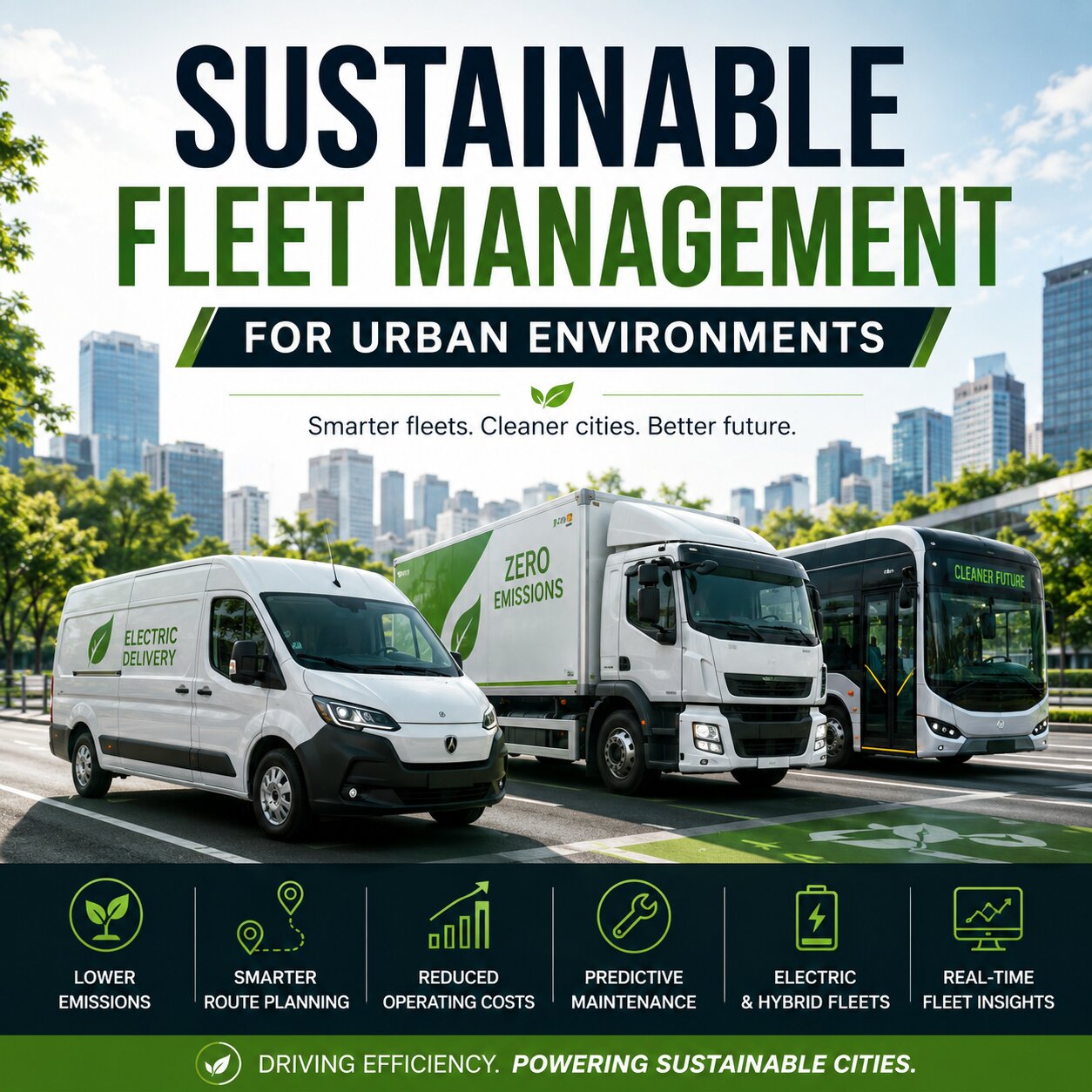
Urban environments present unique challenges for fleet operators. Heavy traffic congestion, rising fuel costs, environmental regulations, limited parking space, and growing pressure to reduce emissions are forcing businesses and municipalities to rethink how vehicle fleets operate in modern cities.
Sustainable fleet management has become one of the most important strategies for organisations looking to balance operational efficiency with environmental responsibility. From electric vehicle adoption and route optimisation to AI-driven monitoring systems and smarter maintenance planning, sustainable fleet practices are helping businesses reduce costs while improving long-term performance.
As cities continue evolving into smarter and greener urban centres, sustainable fleet management is becoming less of an option and more of a necessity for logistics providers, delivery services, emergency responders, municipalities, and public transport operators.
Why urban fleets face growing sustainability challenges
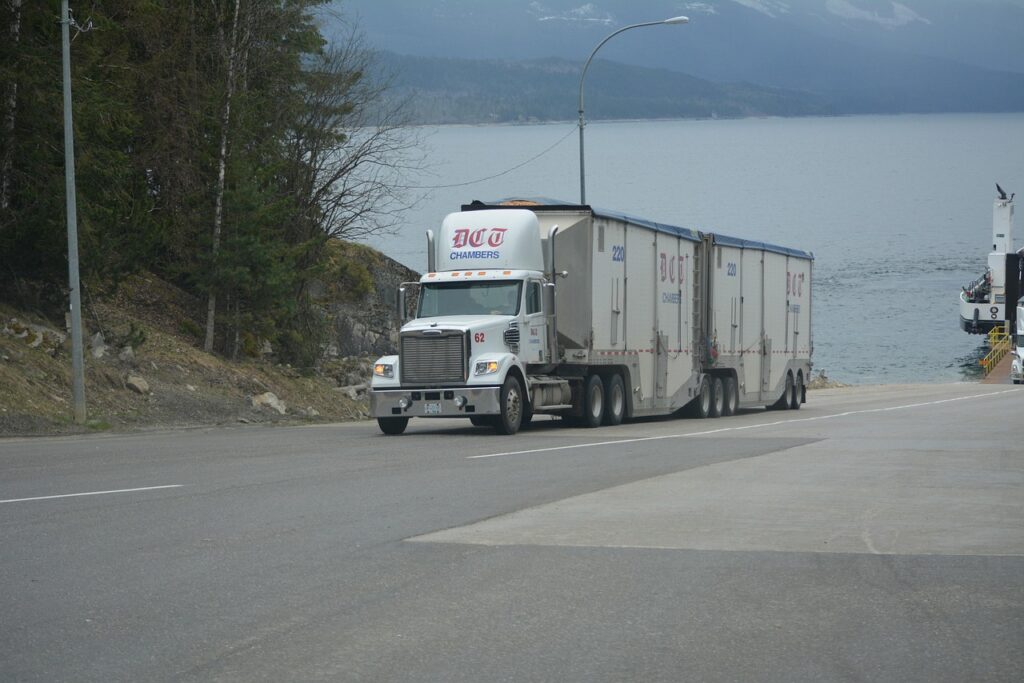
Operating a fleet within a busy urban environment is far more complex than traditional long-distance transportation. Vehicles spend more time idling in traffic, stop-start driving increases fuel consumption, and constant congestion places additional strain on engines, brakes, and tyres.
Urban areas are also seeing stricter environmental regulations aimed at reducing carbon emissions and improving air quality. Many cities worldwide are introducing low-emission zones, restrictions on diesel vehicles, and incentives for cleaner transportation technologies. Businesses that fail to adapt may face rising operational costs or limitations on where their fleets can operate.
Another challenge involves customer expectations. Modern consumers increasingly expect faster deliveries while also supporting environmentally responsible businesses. This creates pressure for fleet operators to improve efficiency without increasing their environmental footprint.
For municipal fleets and public service providers, sustainability goals often align with broader smart city initiatives. Governments and urban planners are looking for transportation systems that reduce pollution, improve energy efficiency, and support long-term urban sustainability strategies.
Technology is transforming sustainable fleet operations
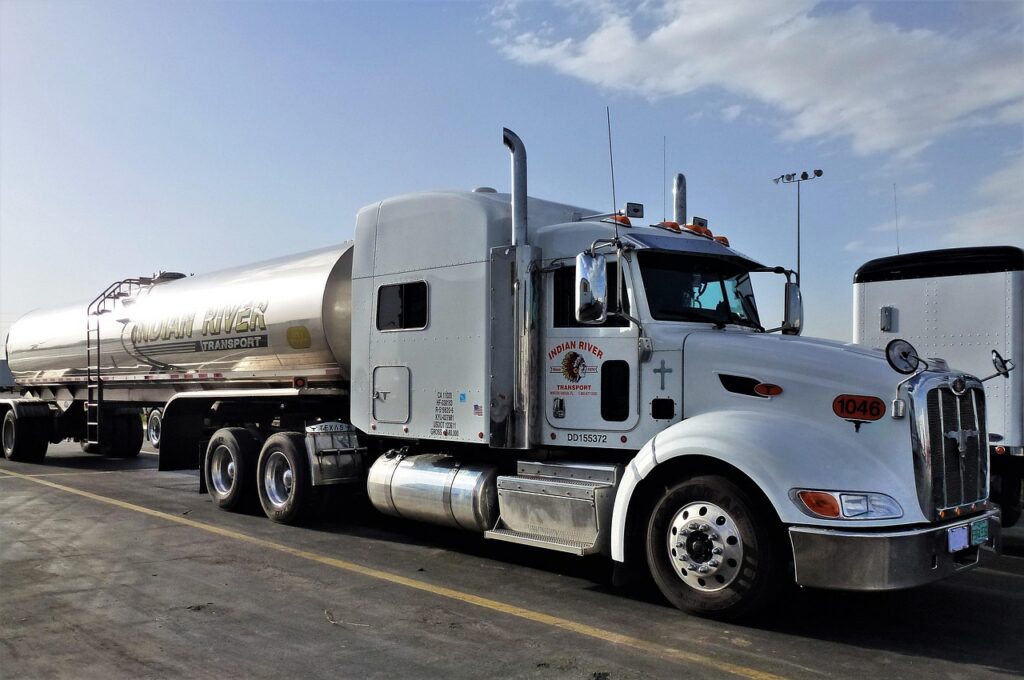
Modern technology is playing a critical role in helping fleet operators improve sustainability. Fleet management platforms now use real-time telematics, AI-driven analytics, GPS tracking, and automation systems to optimise vehicle performance and operational efficiency.
One of the biggest advantages of smart fleet technology is route optimisation. Advanced systems analyse traffic conditions, delivery schedules, road closures, and fuel consumption patterns to identify the most efficient routes. Reducing unnecessary travel time lowers fuel usage, emissions, and vehicle wear.
Predictive maintenance systems are also helping fleets become more sustainable. Instead of waiting for breakdowns, sensors and analytics can identify potential issues early, allowing maintenance teams to repair vehicles before problems worsen. This reduces downtime, improves safety, and extends vehicle lifespan.
Electric vehicle integration is becoming increasingly important in urban fleet management as well. Many city-based operations are shifting towards electric vans, buses, and service vehicles to reduce emissions and fuel dependency. Charging infrastructure continues improving, making EV adoption more practical for urban fleets.
Key strategies for sustainable urban fleet management
Fleet operators looking to improve sustainability often focus on a combination of operational, technological, and environmental strategies.
Some of the most effective approaches include:
- Route optimisation and traffic analysis
- Electric and hybrid vehicle integration
- Driver behaviour monitoring systems
- Predictive maintenance programmes
- Fuel efficiency tracking
- Smart charging infrastructure
- Fleet utilisation analysis
- Reducing idle times through automation
Driver education also plays a major role in sustainability. Aggressive acceleration, excessive braking, speeding, and unnecessary idling can significantly increase fuel consumption and maintenance costs. Monitoring systems can help identify inefficient driving habits while training programmes encourage more sustainable practices.
Data analytics has become another valuable tool. Fleet managers can now analyse long-term trends involving fuel usage, vehicle efficiency, maintenance costs, and emissions output to make better operational decisions.
Building greener cities through smarter fleets
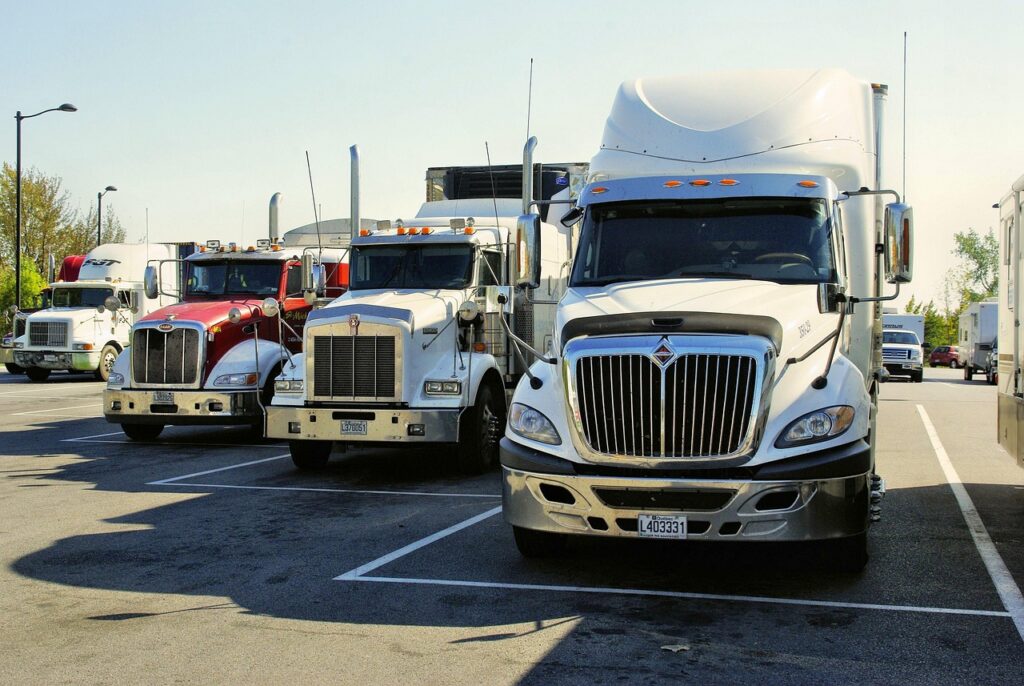
Sustainable fleet management contributes directly to healthier and more efficient urban environments. Reduced emissions improve air quality, lower fuel consumption reduces operational costs, and quieter electric vehicles help decrease noise pollution in densely populated areas.
Public transport systems are increasingly adopting sustainable technologies to support greener cities. Electric buses, hybrid municipal vehicles, and intelligent transportation systems are becoming common features in many modern urban developments.
Private logistics companies are also adapting quickly. E-commerce growth has dramatically increased urban delivery traffic, making sustainable fleet practices essential for managing congestion and environmental impact. Companies investing in electric delivery vehicles and smart routing systems are often gaining both operational and reputational advantages.
The integration of sustainable fleets with smart city infrastructure is likely to accelerate in the coming years. Connected traffic systems, automated charging networks, and AI-driven fleet coordination may soon become standard components of urban transportation ecosystems.
Driving Towards Smarter Urban Mobility
Sustainable fleet management is reshaping how vehicles operate within modern cities. By combining advanced technology, smarter operational planning, and environmentally responsible practices, organisations can improve efficiency while reducing their impact on urban environments.
As sustainability regulations tighten and smart city initiatives continue growing, businesses and municipalities that invest in greener fleet solutions today will likely be better prepared for the future of urban transportation.