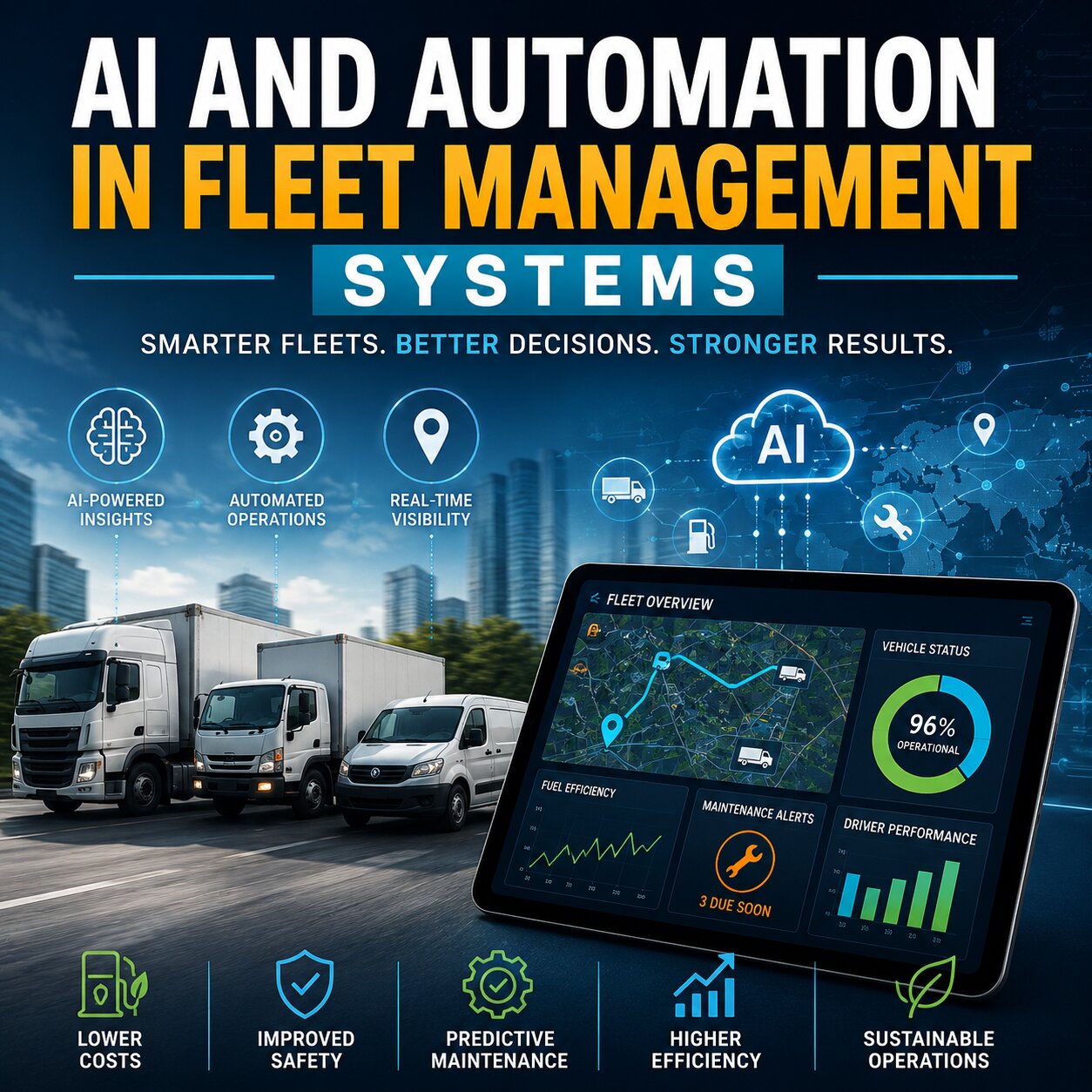
Fleet management is evolving rapidly as businesses adopt smarter technologies to improve efficiency, reduce operational costs, and strengthen safety measures. One of the biggest transformations currently shaping the transport and logistics industry is the rise of AI and automation in fleet management systems. These technologies are changing how companies monitor vehicles, optimise routes, manage drivers, and maintain entire fleets.
From real-time analytics to predictive maintenance and automated reporting, AI-driven systems are helping organisations make faster and more accurate decisions. As transport networks become more complex, businesses are increasingly relying on intelligent fleet management solutions to remain competitive and sustainable.
How AI is transforming fleet management
Artificial intelligence allows fleet management systems to process massive amounts of operational data in real time. Instead of relying solely on manual oversight, businesses can use AI-powered platforms to identify patterns, predict problems, and automate many daily tasks.
Modern systems collect data from GPS tracking, onboard sensors, cameras, fuel systems, and driver behaviour monitoring tools. AI analyses this information to provide valuable insights that improve operational efficiency.
Some common AI-driven capabilities include:
- Route optimisation
- Fuel consumption analysis
- Driver performance monitoring
- Predictive maintenance alerts
- Traffic and weather adaptation
- Automated compliance reporting
These features allow fleet operators to make smarter decisions while reducing delays and unnecessary expenses.
Automation improves operational efficiency
Automation is one of the most practical advantages of AI and automation in fleet management systems. Repetitive administrative tasks that once required hours of manual work can now be completed automatically.
Automated scheduling and dispatching
AI systems can automatically assign vehicles and drivers based on availability, location, workload, and delivery priorities. This reduces human error while improving scheduling accuracy.
Smart route planning
Automated route optimisation tools analyse traffic conditions, road closures, weather patterns, and fuel efficiency to determine the best routes for drivers. This helps reduce travel times and operating costs.
Real-time alerts and reporting
Fleet managers receive instant notifications regarding maintenance issues, unsafe driving behaviour, fuel anomalies, or route deviations. Automated reporting systems also simplify compliance and performance tracking.
By reducing manual administration, companies can focus more attention on strategy, customer service, and long-term growth.
Predictive maintenance reduces downtime
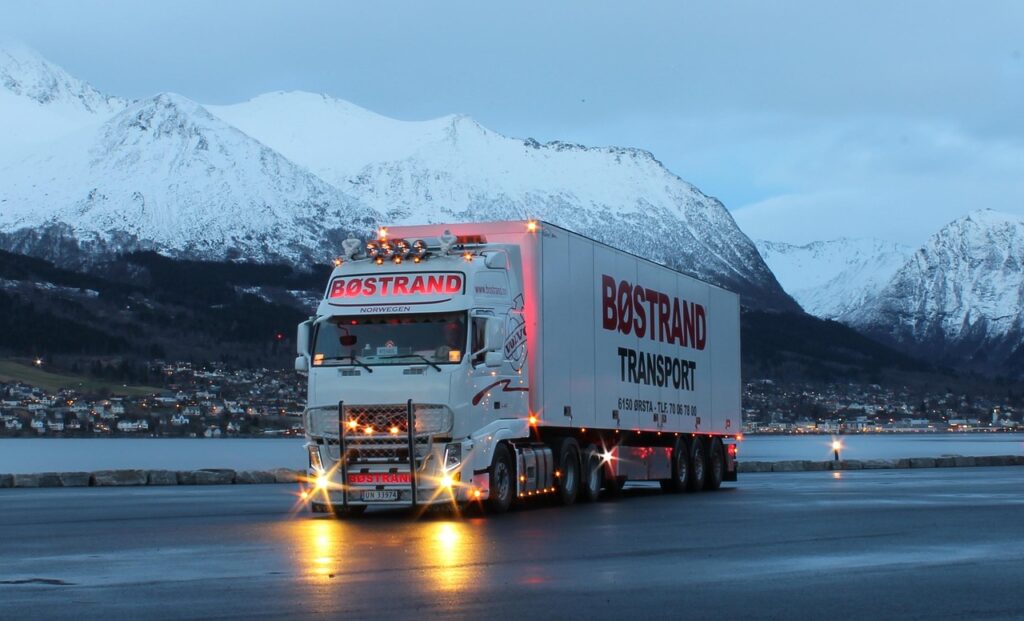
Vehicle maintenance is one of the most important aspects of fleet operations. Unexpected breakdowns can lead to delays, lost revenue, and expensive repairs. AI and automation in fleet management systems help reduce these risks through predictive maintenance technologies.
AI systems analyse vehicle data such as engine performance, tyre pressure, brake wear, battery health, and fuel efficiency to identify potential problems before failures occur. Instead of waiting for a vehicle to break down, maintenance can be scheduled proactively.
This approach offers several benefits:
- Reduced repair costs
- Lower downtime
- Improved vehicle lifespan
- Increased driver safety
- Better operational reliability
Predictive maintenance also helps businesses plan maintenance schedules more effectively without disrupting daily operations.
The future of intelligent fleet management
The future of AI and automation in fleet management systems will likely include even greater levels of connectivity and autonomous support. As technologies continue to improve, businesses may benefit from advanced AI assistants, self-diagnosing vehicles, and semi-autonomous fleet operations.
Electric vehicles, smart infrastructure, and connected transport systems are also expected to play a growing role in modern fleet management strategies. AI will become increasingly important for balancing energy efficiency, sustainability goals, and operational performance.
Companies that invest in intelligent fleet technologies today position themselves for stronger scalability and long-term efficiency in an increasingly digital transport environment.
Driving smarter fleet operations
AI and automation in fleet management systems are reshaping the transport and logistics industry through smarter analytics, automated workflows, and predictive decision-making. Businesses can improve efficiency, reduce costs, strengthen safety, and create more reliable fleet operations by embracing these technologies.
As artificial intelligence continues to evolve, fleet management systems will become even more intelligent, connected, and capable of supporting the future demands of modern transportation networks.