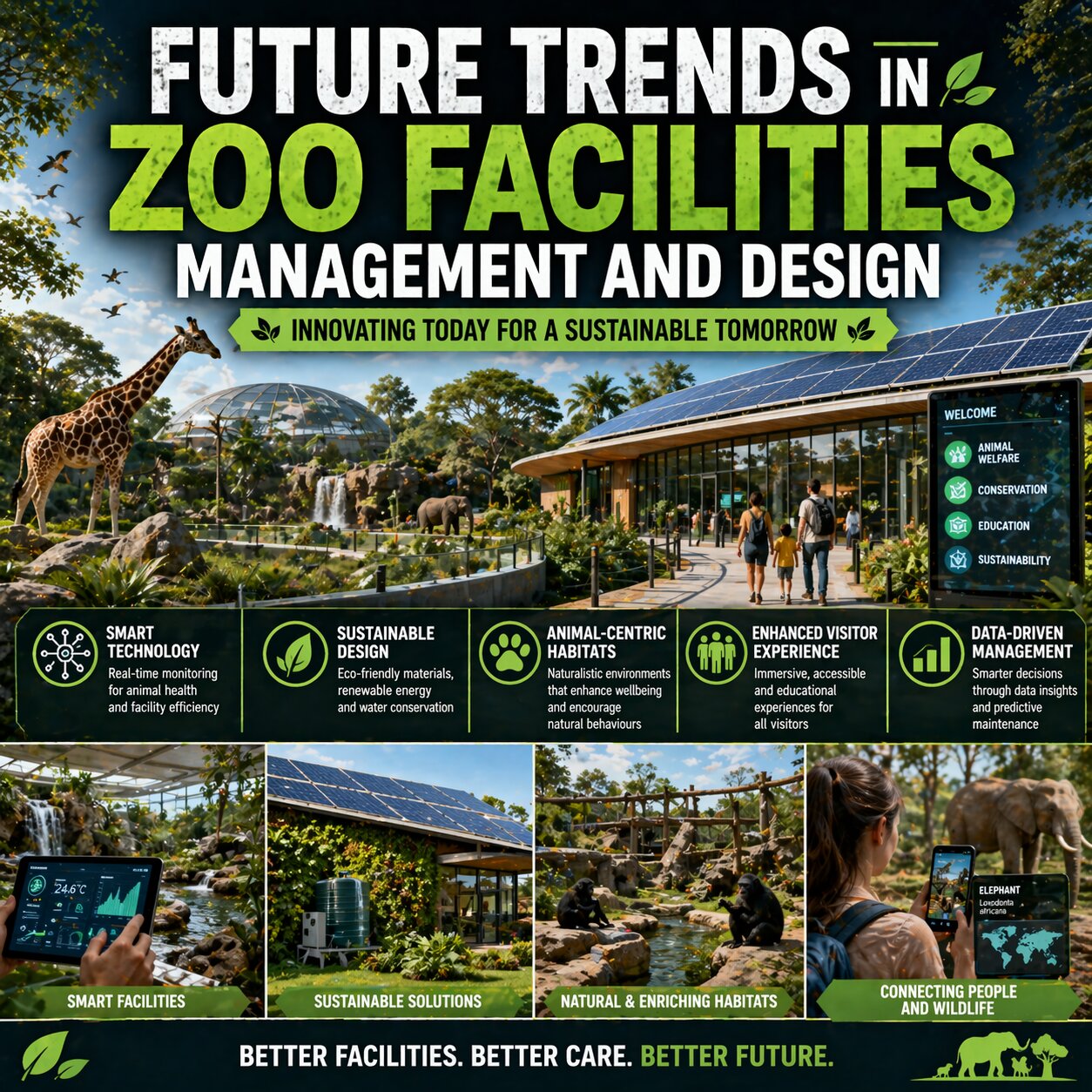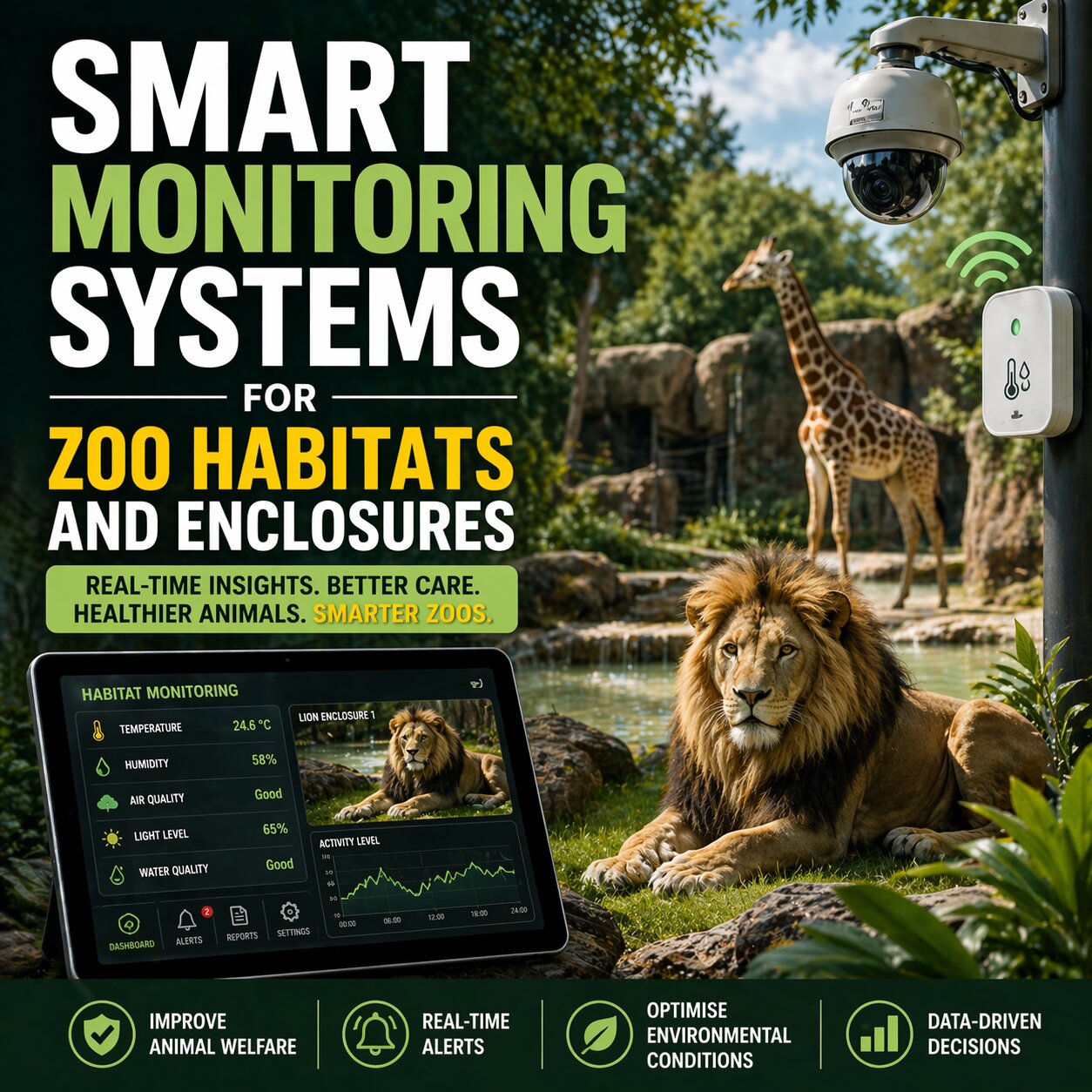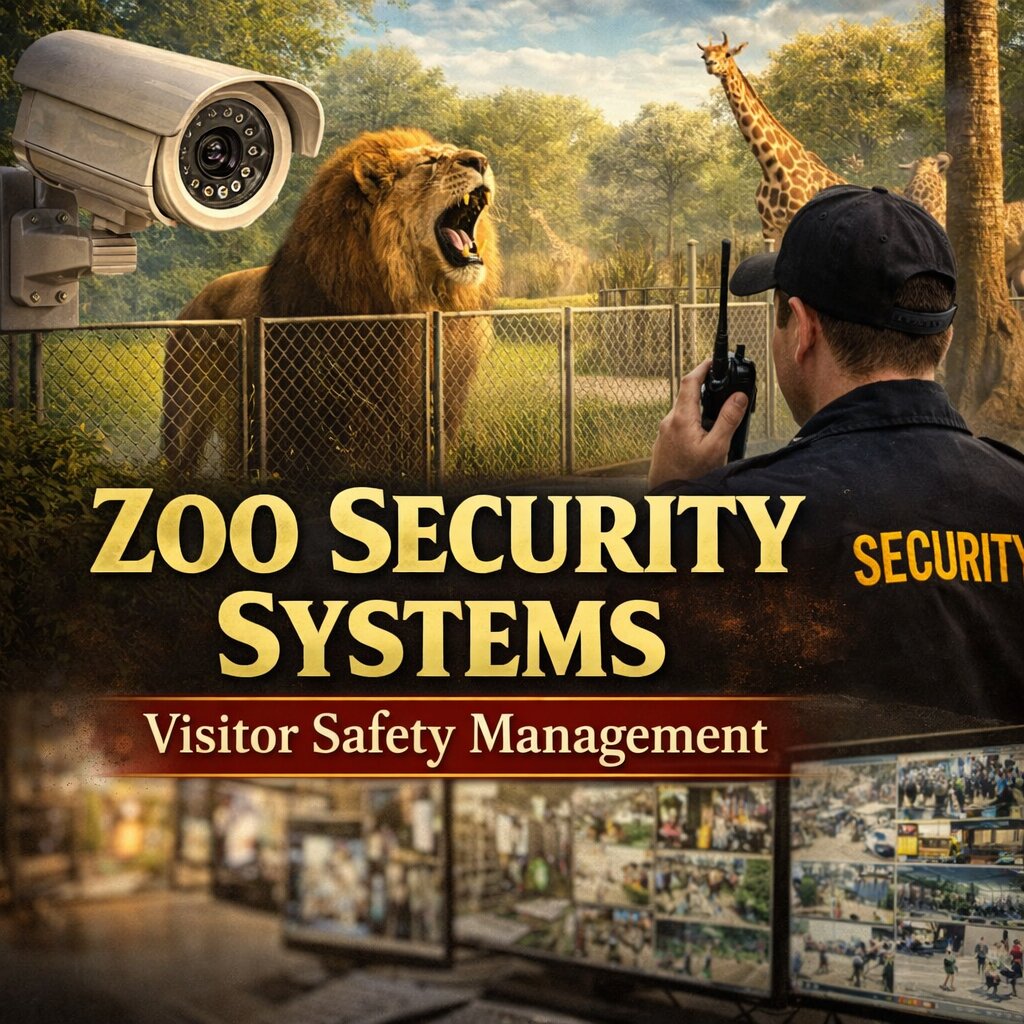
Zoo security systems play a critical role in maintaining a safe and controlled environment where visitors, staff and animals can coexist without risk. Unlike standard security setups, these systems must balance public access with strict safety protocols, ensuring that both human and animal welfare are protected at all times.
Modern zoos are complex environments. They combine elements of public spaces, conservation facilities and controlled habitats, all within a single location. This creates unique challenges that require carefully designed zoo security systems to manage movement, monitor behaviour and respond quickly to potential risks.
In this guide, we explore how zoo security systems function, the technologies involved and how they support effective visitor safety management.
Understanding the unique security challenges in zoos

Zoos operate in a space where the risks are fundamentally different from typical commercial or public environments. The presence of wild animals introduces variables that standard security systems are not designed to handle on their own.
Zoo security systems must account for both external and internal threats. External risks include unauthorised access, vandalism or attempts to breach enclosures. Internal risks involve visitor behaviour, staff safety and the possibility of animals escaping or interacting with humans in unintended ways.
Because of this, security in a zoo is not just about preventing crime. It is about maintaining control over a dynamic environment where unpredictability is always a factor.
This complexity requires systems that can monitor multiple zones simultaneously, detect unusual activity and support rapid response from trained personnel.
Core components of zoo security systems
At the heart of zoo security systems are several integrated technologies that work together to provide full-site coverage. These systems are designed to monitor activity, control access and ensure that any incidents are detected and addressed quickly.
Surveillance cameras are one of the most visible elements. They provide real-time monitoring of visitor areas, enclosures and restricted zones. Modern systems often include high-definition video, night vision and intelligent analytics that can detect unusual movement or behaviour.
Access control systems are equally important. These regulate who can enter specific areas, ensuring that only authorised staff have access to sensitive zones such as animal enclosures, veterinary facilities and control rooms.
Perimeter security adds another layer of protection, preventing unauthorised entry into the zoo grounds. This may include fencing, motion sensors and alarm systems designed to detect breaches.
Together, these components form a comprehensive network that allows zoo operators to maintain visibility and control across the entire facility.
Visitor safety management in high-risk environments
Visitor safety is a central focus of zoo security systems. With large numbers of people moving through the space daily, it is essential to ensure that all areas are designed and monitored to minimise risk.
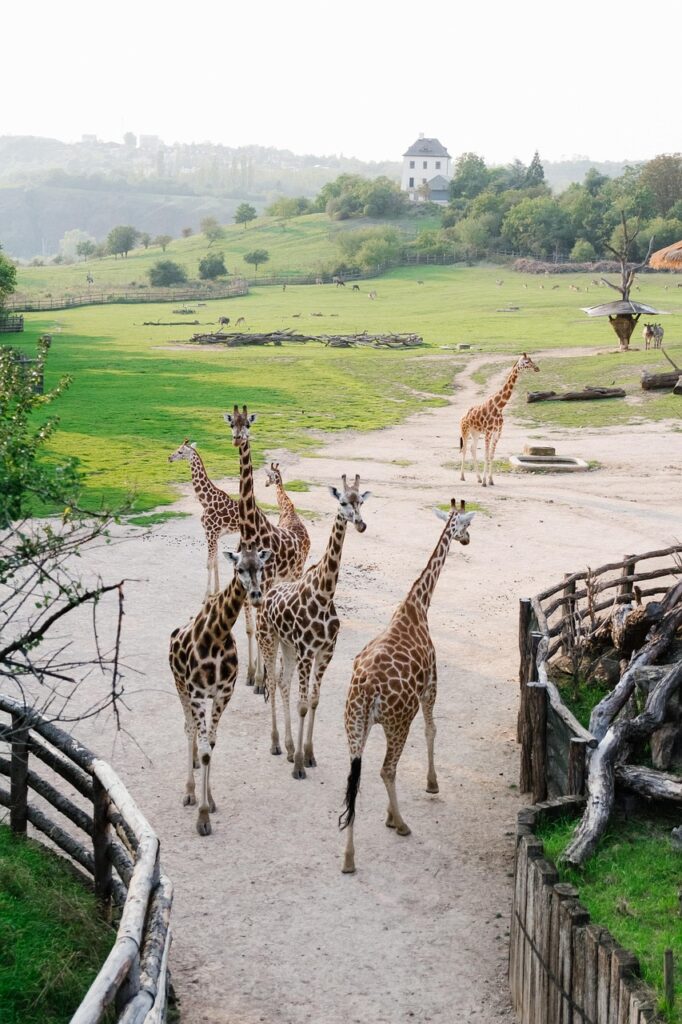
Clear pathways, secure barriers and controlled viewing areas help keep visitors at a safe distance from animals. These physical measures are supported by monitoring systems that allow staff to respond quickly if someone enters a restricted area or behaves unpredictably.
Zoo security systems also play a role in crowd management. During peak times, they help monitor visitor flow, identify congestion points and ensure that emergency exits remain accessible.
In addition, communication systems are critical. Public address systems, digital signage and mobile alerts allow staff to guide visitors during emergencies or unexpected situations.
By combining physical design with real-time monitoring, zoos can create an environment that feels open and engaging while remaining secure.
Protecting animals through integrated security systems
While visitor safety is a priority, zoo security systems are equally focused on protecting the animals themselves. This includes preventing escapes, reducing stress and ensuring that enclosures remain secure at all times.
Monitoring systems track activity within enclosures, allowing staff to detect unusual behaviour or potential issues. This can include changes in movement patterns, signs of distress or interactions that may indicate a problem.
Security systems also help prevent unauthorised access to animal areas. This is particularly important for species that may be vulnerable to disturbance or theft.
In some cases, advanced technologies such as sensors and automated alerts are used to monitor enclosure integrity. These systems can detect if a barrier has been compromised or if an animal has moved beyond a designated boundary.
By integrating these measures, zoo security systems support both animal welfare and overall site safety.
The role of technology in modern zoo security systems
Technology has significantly advanced the capabilities of zoo security systems, allowing for more proactive and intelligent management of safety risks.
Artificial intelligence and video analytics can now identify unusual patterns, such as a person climbing a barrier or an animal behaving outside its normal range. These systems can trigger alerts automatically, reducing response times and improving overall safety.
Integration is another key development. Modern zoo security systems connect surveillance, access control and communication platforms into a single interface. This allows operators to manage the entire facility from a central control room.
Mobile technology also plays a growing role. Staff can receive alerts, access live footage and communicate with each other in real time, even when they are away from the control centre.
These advancements make it possible to move from reactive security to proactive safety management, where potential risks are identified and addressed before they escalate.
Final thoughts
Zoo security systems are far more than traditional security measures. They are complex, integrated solutions designed to manage one of the most unique environments in the world.
By combining surveillance, access control, monitoring and advanced technology, these systems ensure that visitors can enjoy the experience safely while animals remain protected and cared for.
As zoos continue to evolve, the importance of effective zoo security systems will only grow, shaping how these spaces operate and how safety is maintained for everyone involved.