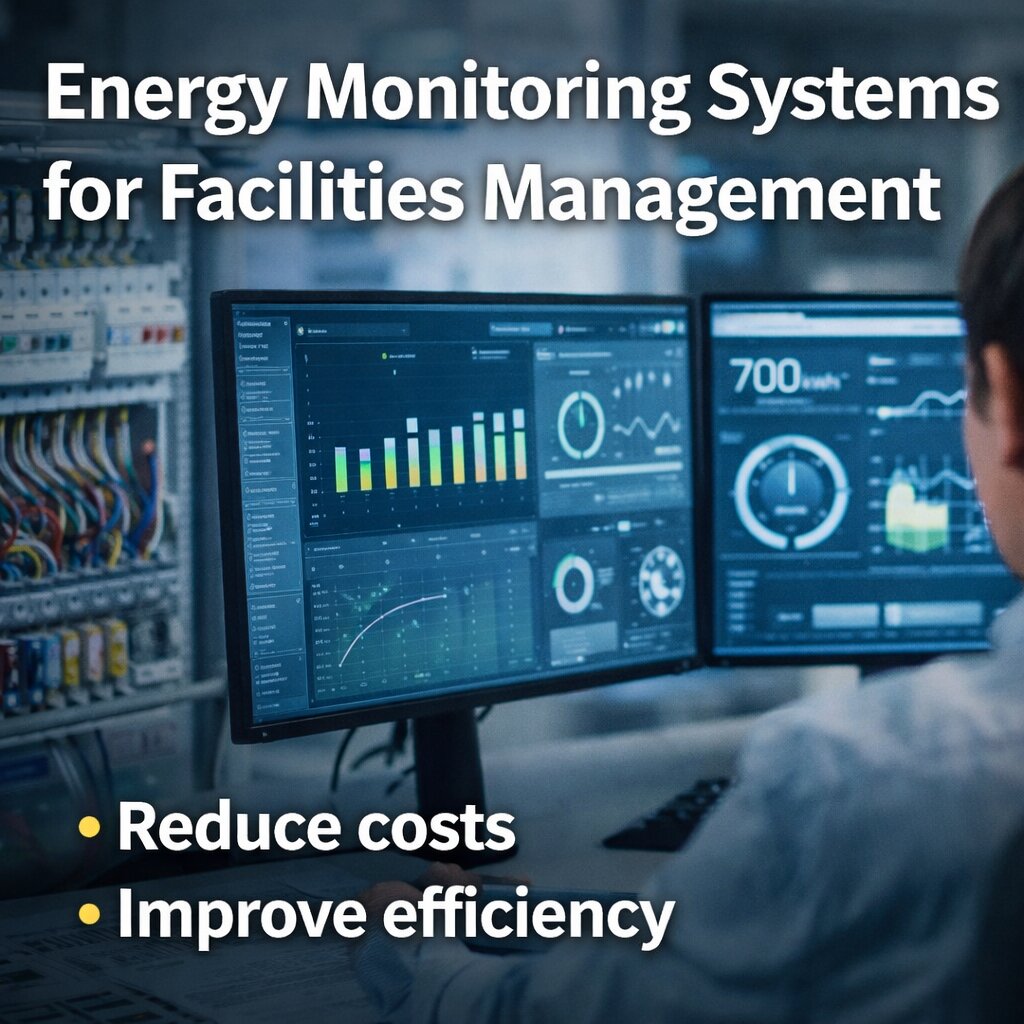
Energy efficiency is no longer optional in modern buildings. With rising electricity costs and sustainability targets becoming stricter, facilities managers are under increasing pressure to understand exactly how energy is being used across their sites. This is where energy monitoring systems play a crucial role.
By providing real-time data, historical insights, and actionable analytics, energy monitoring systems enable facilities teams to make smarter decisions. Instead of reacting to high utility bills, managers can proactively identify inefficiencies and optimise consumption patterns.
For organisations looking to reduce costs, improve operational performance, and meet environmental goals, implementing energy monitoring systems has become a foundational step in facilities management.
What are energy monitoring systems?
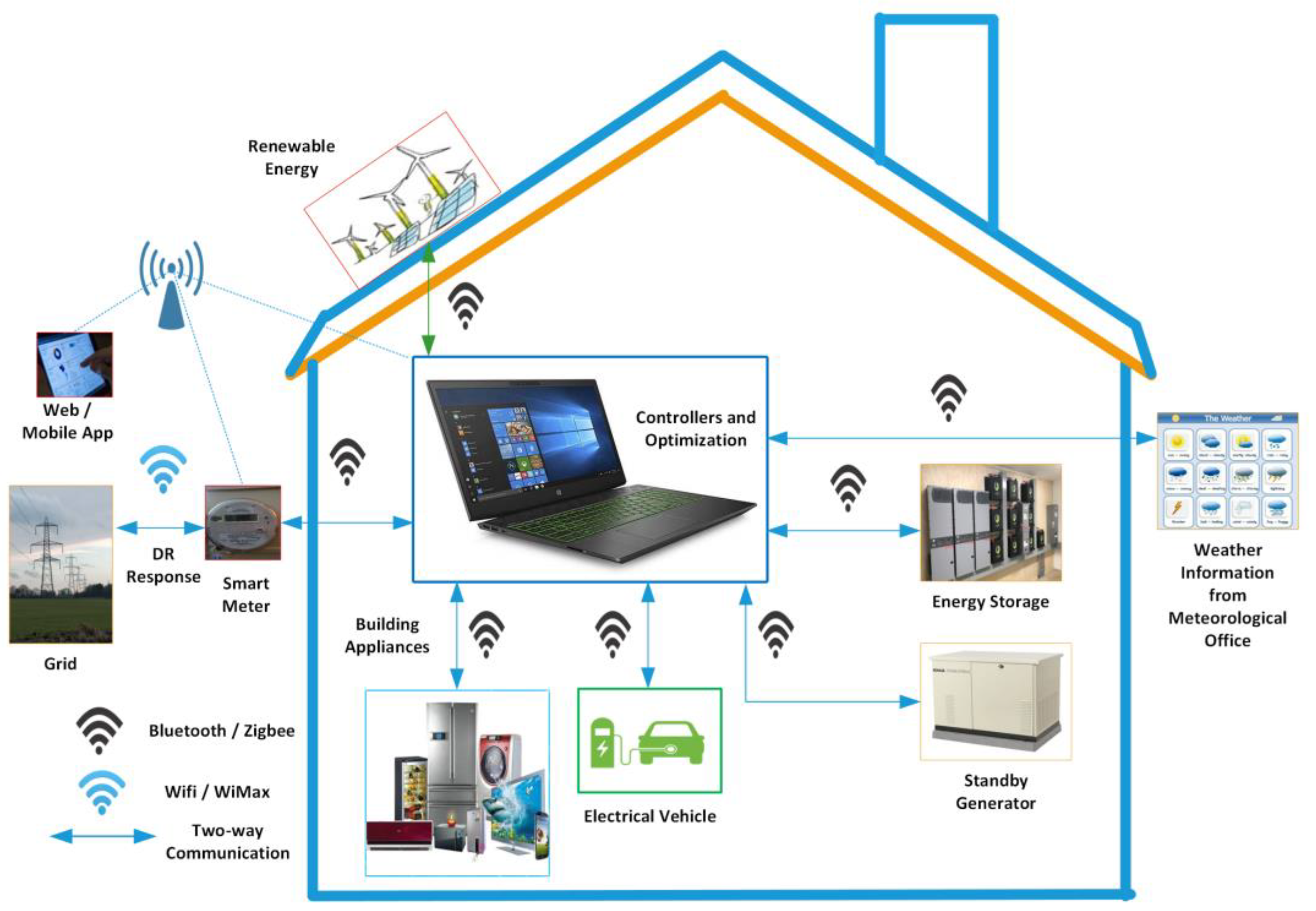
At their core, energy monitoring systems are technologies designed to track, measure, and analyse energy consumption across a building or facility. These systems collect data from electrical panels, equipment, and sub-meters to provide a comprehensive overview of usage.
Modern energy monitoring systems often integrate with building management systems (BMS), Internet of Things (IoT) devices, and cloud platforms. This allows facilities managers to access data remotely and gain insights across multiple locations from a single dashboard.
The value of energy monitoring systems lies in their ability to turn raw data into meaningful information. Instead of guessing where energy is being wasted, facilities managers can pinpoint exact areas of concern, from inefficient HVAC systems to equipment running outside of operating hours.
How energy monitoring systems improve facility performance
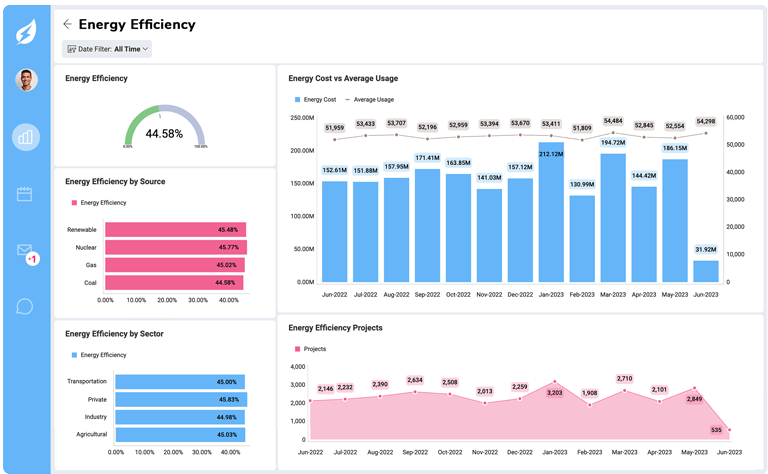
One of the biggest advantages of energy monitoring systems is their ability to enhance overall facility performance. By providing real-time visibility, these systems allow managers to quickly detect anomalies such as unexpected spikes in energy usage.
This immediate feedback helps teams respond faster to issues like equipment faults or inefficient processes. Over time, energy monitoring systems also build a historical dataset, enabling trend analysis and long-term planning.
Facilities that implement energy monitoring systems often see improvements in operational efficiency. Systems can be fine-tuned, maintenance can be scheduled proactively, and energy waste can be significantly reduced without compromising comfort or productivity.
Key components and features
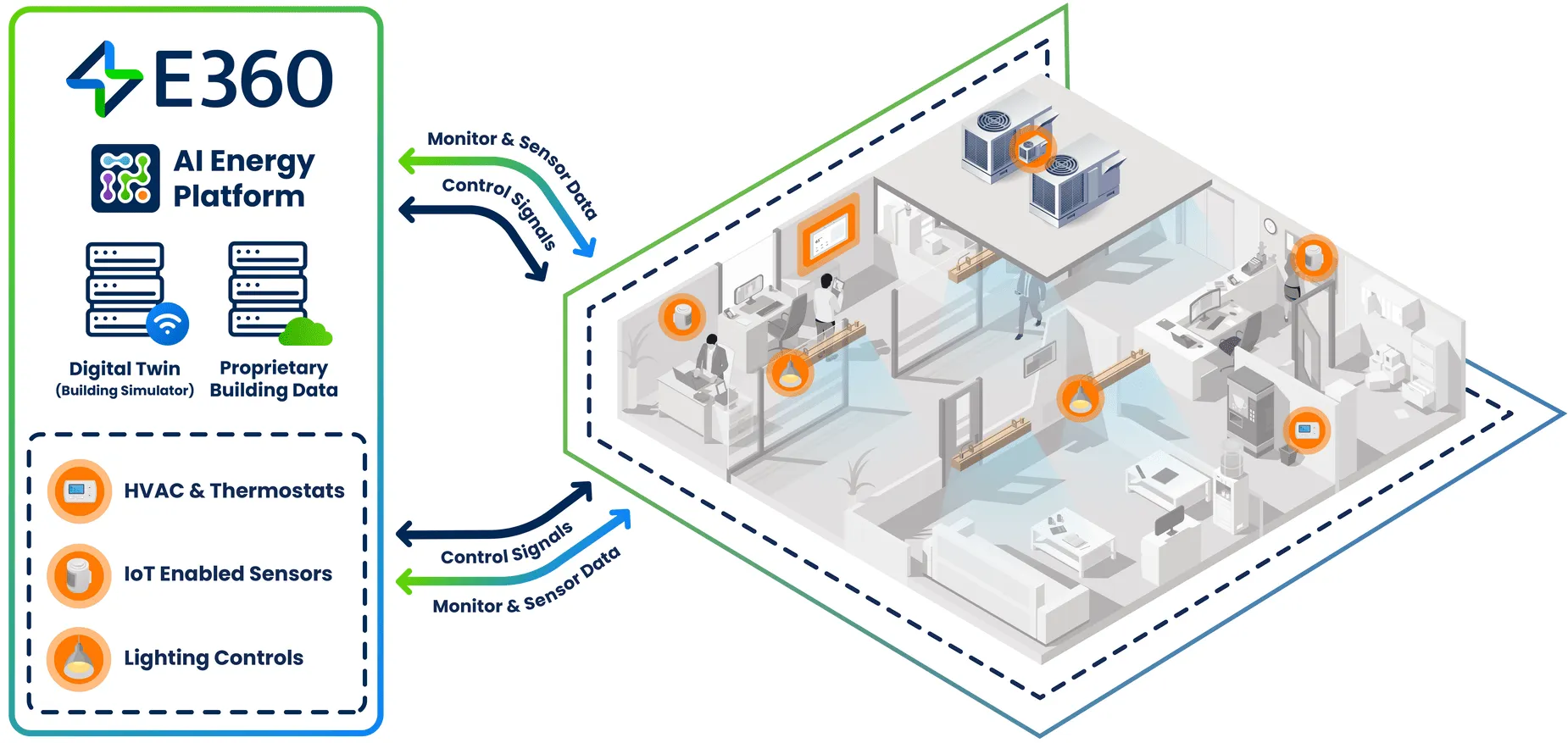
To fully understand how energy monitoring systems work, it is important to look at their main components and capabilities. These systems combine hardware and software to deliver a complete energy management solution.
Typical features of energy monitoring systems include:
- Smart meters and sub-metering for detailed energy tracking
- Real-time data dashboards and reporting tools
- Alerts and notifications for abnormal energy usage
- Integration with BMS and automation platforms
- Cloud-based access for remote monitoring
- Data analytics for trend identification and forecasting
- Support for multiple utilities such as electricity, water, and gas
These features make energy monitoring systems highly adaptable to different types of facilities, from commercial buildings to industrial sites.
Cost savings and sustainability benefits
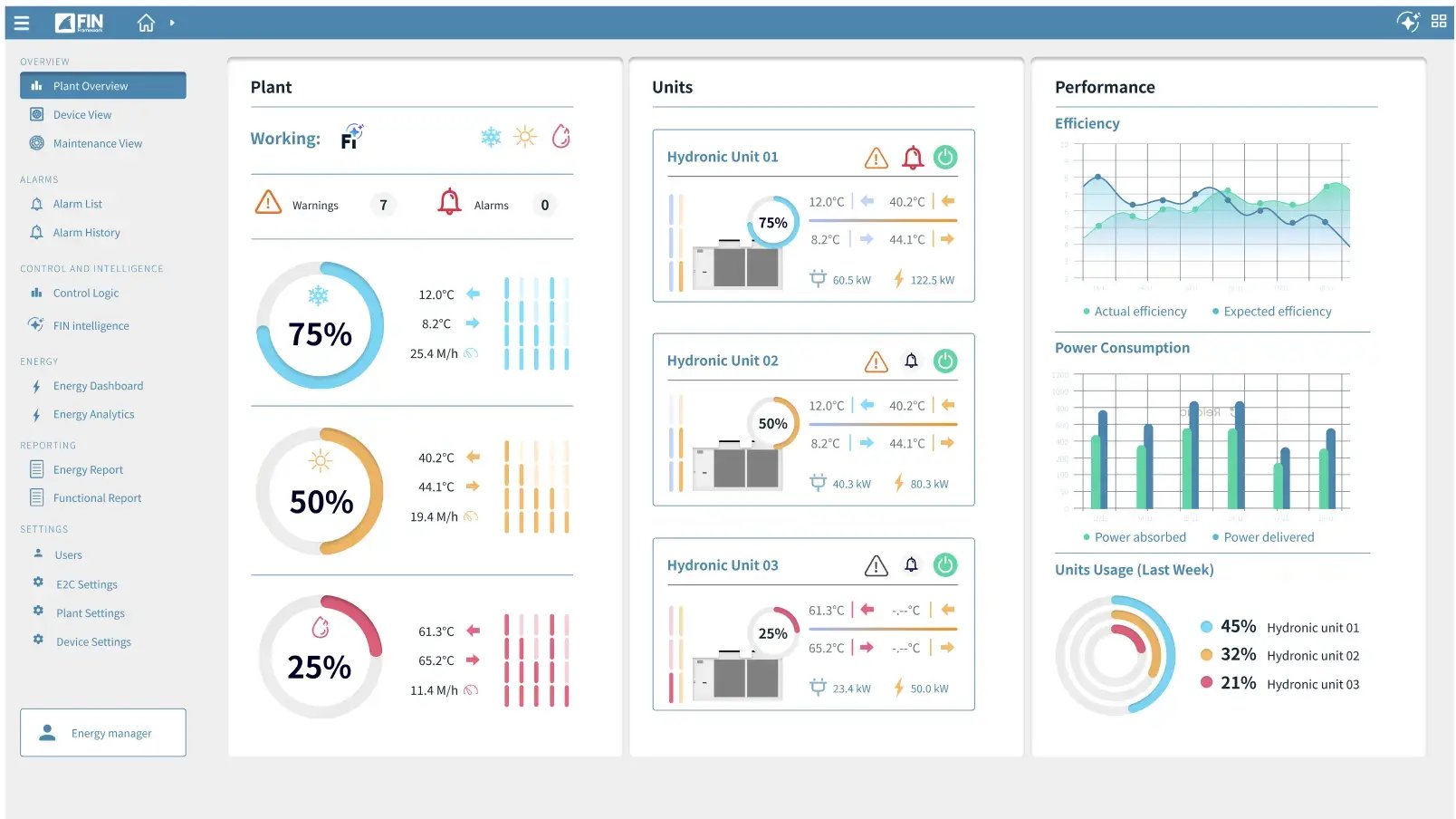
One of the primary drivers for adopting energy monitoring systems is cost reduction. By identifying inefficiencies, facilities managers can implement targeted strategies to reduce energy consumption and lower utility expenses.
Energy monitoring systems also support sustainability initiatives. Organisations can track their carbon footprint more accurately and ensure compliance with environmental regulations and reporting standards.
In many cases, the return on investment for energy systems is achieved relatively quickly. Savings generated through reduced energy waste often outweigh the initial implementation costs, making these systems a financially sound decision.
Integration with smart building technologies
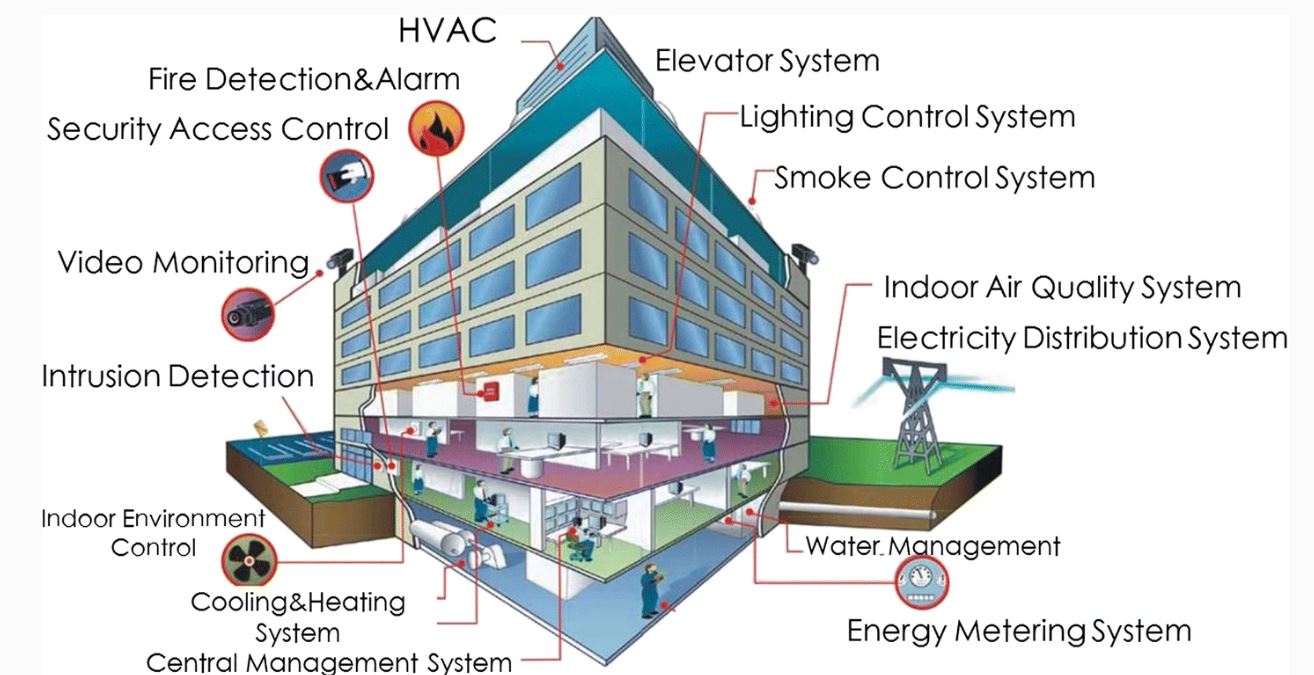
As buildings become smarter, energy systems are increasingly integrated with other digital technologies. This includes automation systems that can adjust lighting, heating, and cooling based on real-time data.
For example, if energy systems detect low occupancy in a certain area, lighting and HVAC systems can automatically reduce output. This level of automation ensures energy is used only when and where it is needed.
Integration also supports predictive maintenance. By analysing energy patterns, facilities managers can identify early signs of equipment failure, reducing downtime and maintenance costs.
Why energy monitoring systems are essential for modern facilities
The role of facilities management is evolving rapidly, with greater emphasis on efficiency, sustainability, and data-driven decision-making. In this environment, energy systems are no longer a luxury but a necessity.
They provide the insights needed to optimise building performance, reduce costs, and meet environmental targets. More importantly, they empower facilities managers with the tools required to make informed decisions in real time.
As energy demands continue to rise and regulations become stricter, organisations that invest in energy monitoring systems will be better positioned to stay competitive and future-ready.