Designing a modern zoo goes far beyond placing animals in enclosures. Landscape design for zoo habitats plays a crucial role in shaping environments that support animal wellbeing while also enhancing the visitor experience. From naturalistic habitats to carefully planned pathways, every element contributes to a balanced ecosystem that benefits both wildlife and people.
Today’s zoos are evolving into conservation-focused spaces where education, sustainability, and immersion take centre stage. Effective landscape design for zoo habitats ensures that animals live in environments that closely mimic their natural surroundings, while visitors enjoy engaging and meaningful encounters. This balance is essential for modern zoological facilities aiming to inspire awareness and protect biodiversity.
In this article, we explore how landscape design for zoo habitats transforms both animal enclosures and visitor areas into cohesive, functional, and sustainable environments.
The Role of Landscape Design in Animal Wellbeing
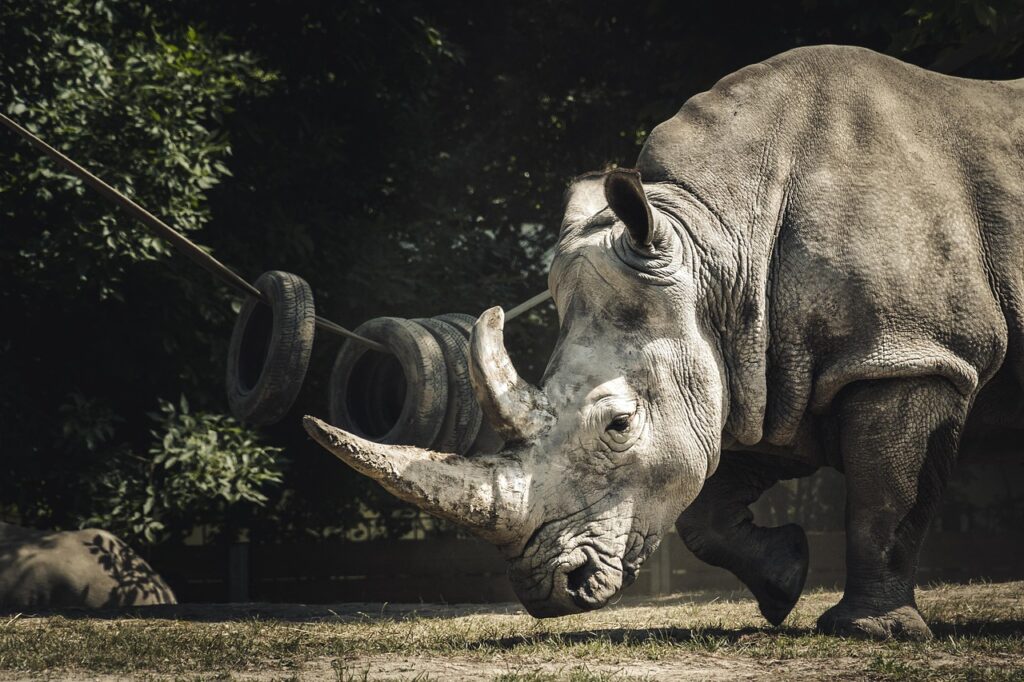
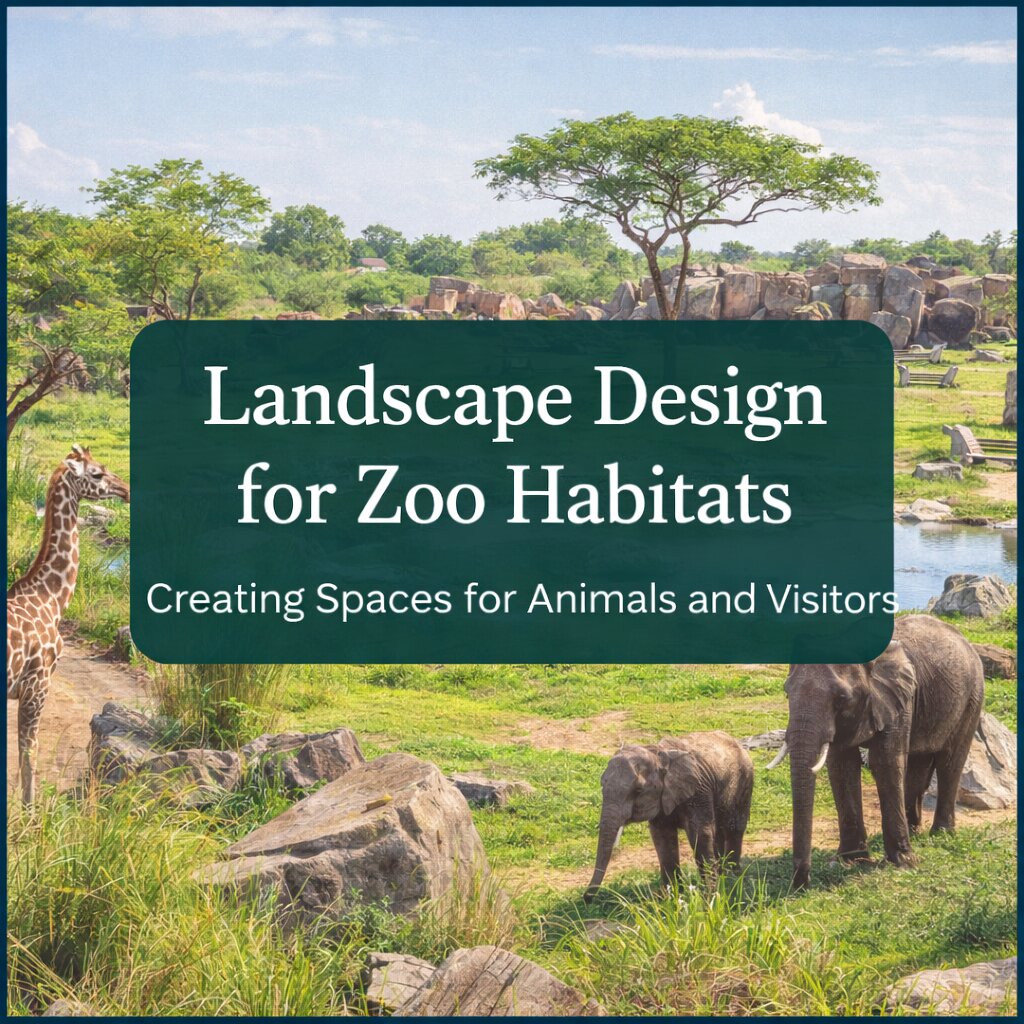
At its core, landscape design for zoo habitats is about creating spaces that support the physical and psychological health of animals. Naturalistic environments reduce stress, encourage natural behaviours, and improve overall welfare. This includes incorporating elements such as vegetation, water features, varied terrain, and shelter areas.
Animals thrive when their habitats reflect the ecosystems they originate from. For example, savannah species benefit from open grasslands with shaded areas, while rainforest animals require dense foliage and humidity. Landscape design for zoo habitats ensures that these environmental needs are carefully considered and implemented.
In addition to aesthetics, functional design is critical. Proper drainage systems, soil selection, and plant durability all play a role in maintaining habitats that are both safe and sustainable. A well-designed habitat reduces maintenance challenges while supporting long-term ecological balance.
Designing Immersive Visitor Experiences
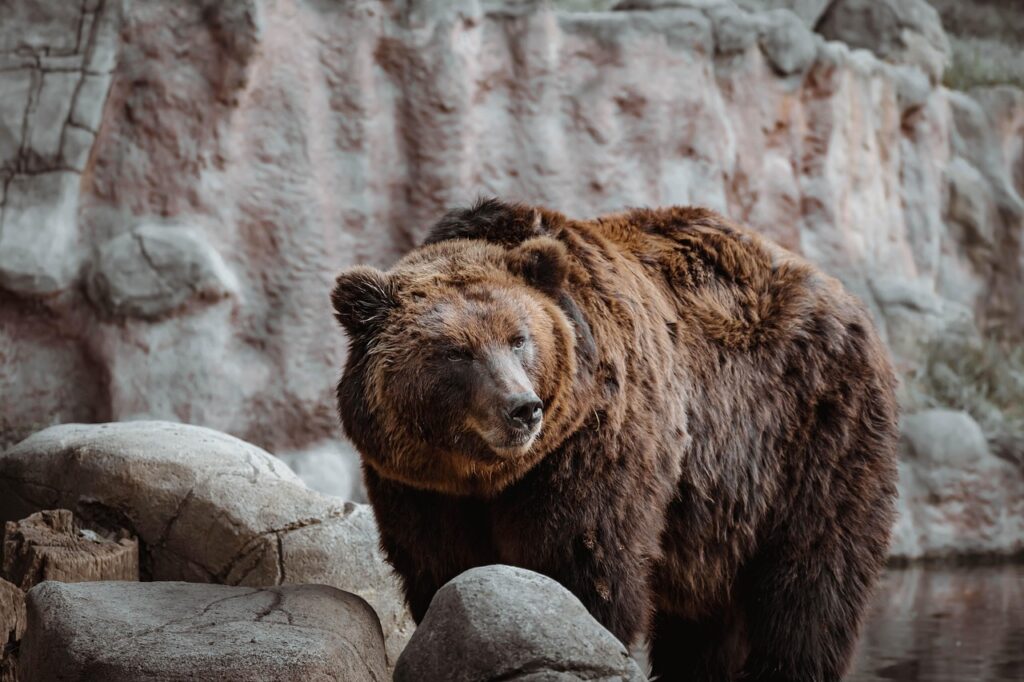
While animal welfare is the priority, visitor engagement is equally important. Landscape design for zoo habitats helps create immersive experiences where guests feel connected to the natural world. Thoughtfully designed pathways, viewing areas, and sightlines allow visitors to observe animals without disrupting their environment.
Natural barriers such as moats, rocks, and vegetation replace traditional fencing, creating a seamless visual experience. This approach not only enhances aesthetics but also improves the sense of immersion, making visitors feel as though they are part of the habitat rather than separate from it.
Comfort and accessibility are also key considerations. Shaded walkways, rest areas, and clear signage ensure that visitors can navigate the zoo easily. Landscape design for zoo habitats integrates these elements into the overall environment, maintaining consistency and flow throughout the space.
Key Elements of Effective Zoo Landscape Design
Successful landscape design for zoo habitats relies on a combination of natural and engineered elements that work together to create functional and visually appealing environments.
Here are some of the key components:
- Native and climate-appropriate plant selection
- Water features such as ponds, streams, and waterfalls
- Natural terrain variations including hills and rock formations
- Hidden barriers for safety and immersion
- Durable materials that withstand animal interaction
- Pathways and viewing platforms for visitors
Each of these elements contributes to a habitat that supports animal needs while enhancing the overall visitor experience.
Sustainability and Environmental Integration
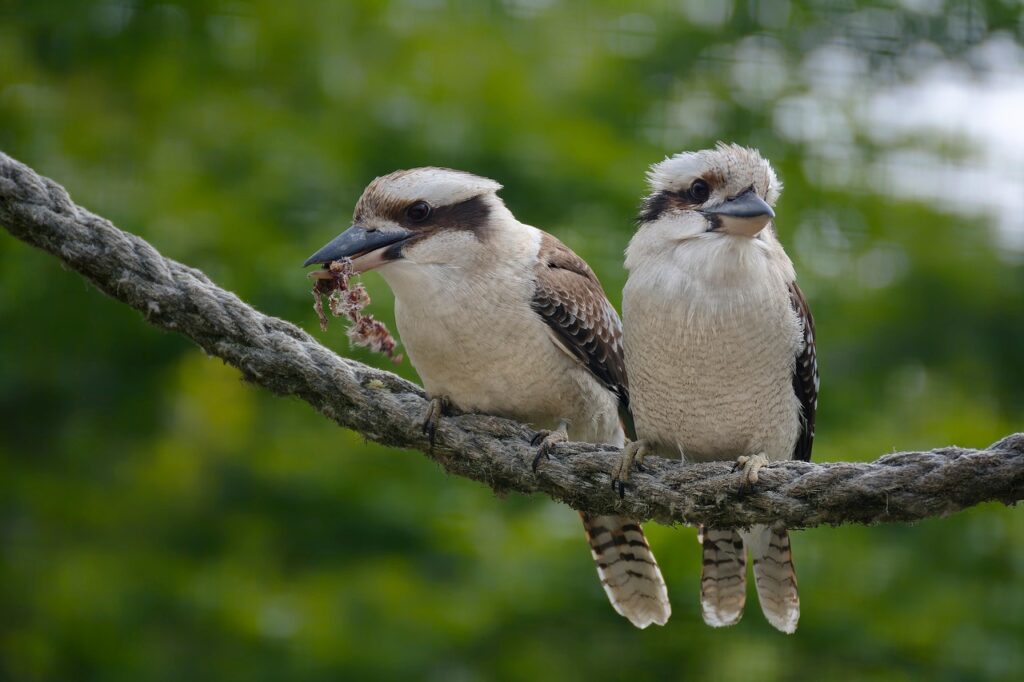
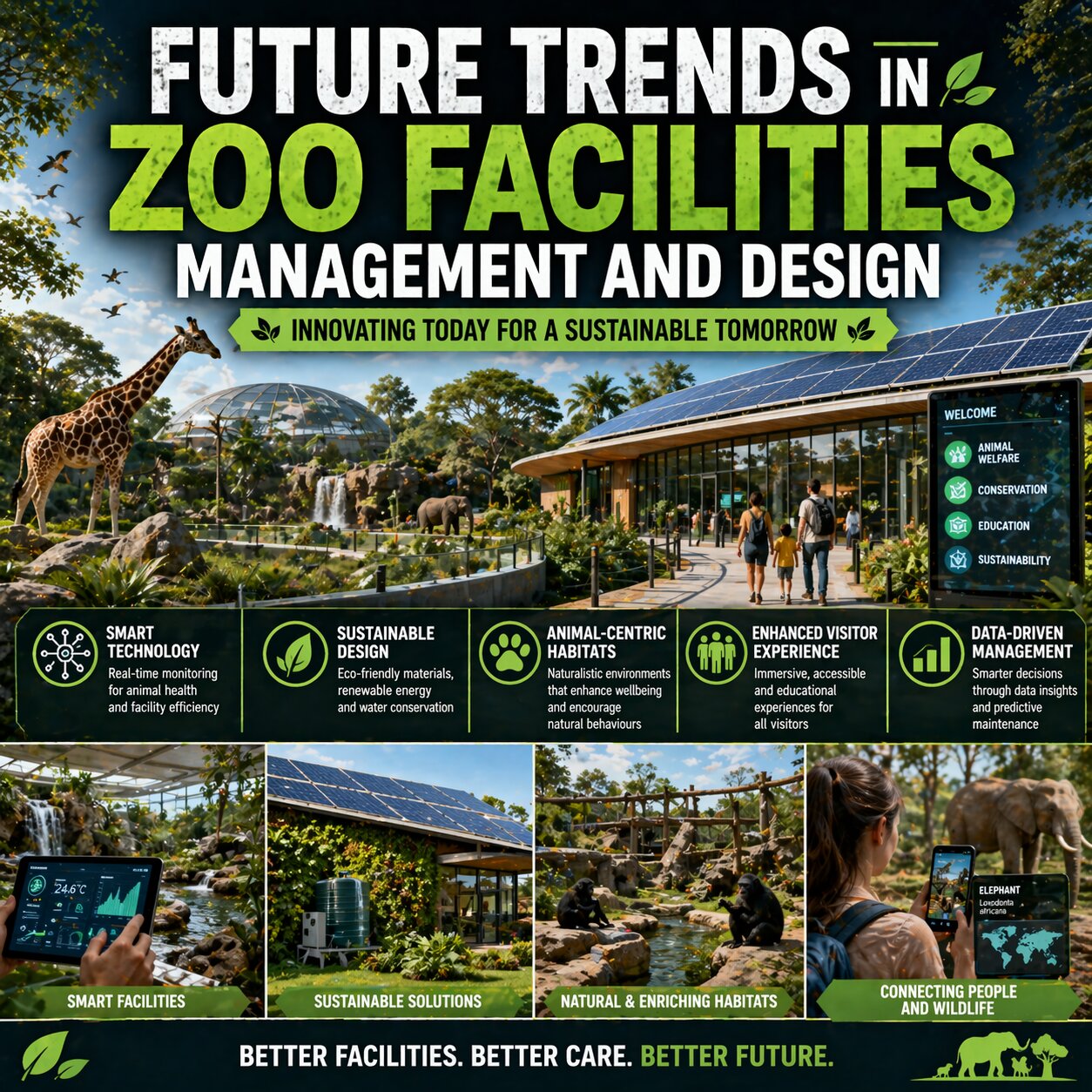
Sustainability is a major focus in modern zoo design. Landscape design for zoo habitats incorporates eco-friendly practices that reduce environmental impact and promote conservation. This includes water recycling systems, energy-efficient lighting, and the use of native plants that require minimal maintenance.
Integrating habitats into the surrounding environment is also essential. Rather than creating isolated spaces, designers aim to blend zoo landscapes with local ecosystems. This approach supports biodiversity and creates opportunities for conservation education.
Additionally, sustainable design helps reduce operational costs over time. Efficient resource management ensures that zoos can maintain high-quality habitats while minimising their ecological footprint.
Planning for Long-Term Maintenance and Growth
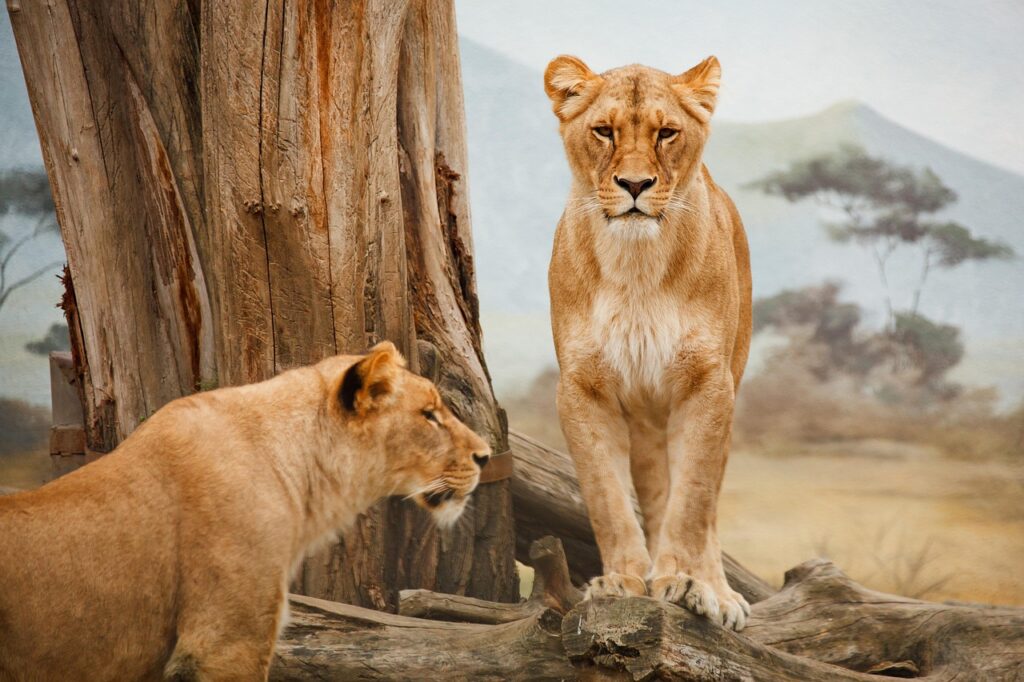
A well-designed zoo landscape must be able to evolve over time. Landscape design for zoo habitats considers how plants will grow, how materials will age, and how animal behaviours may impact the environment. Planning for these factors ensures that habitats remain functional and visually appealing in the long term.
Maintenance strategies are integrated into the design process, allowing staff to manage habitats efficiently. This includes accessible service areas, durable infrastructure, and adaptable layouts that can be modified as needed.
Future expansion is another important consideration. As zoos grow and introduce new species, landscape design for zoo habitats must allow for flexibility and scalability. This ensures that facilities can continue to meet the needs of both animals and visitors.
Shaping the Future of Zoo Environments
Landscape design for zoo habitats is at the heart of creating spaces that inspire, educate, and protect wildlife. By combining natural elements with thoughtful planning, zoos can provide environments that support animal well-being while delivering unforgettable visitor experiences.
As the role of zoos continues to evolve, so too does the importance of innovative landscape design. These spaces are no longer just places to observe animals; they are immersive environments that connect people with nature and promote conservation.
If you’re looking to enhance your facility, explore our expertise in landscape design for zoo habitats and discover how sustainable, well-planned environments can transform both animal enclosures and visitor areas.