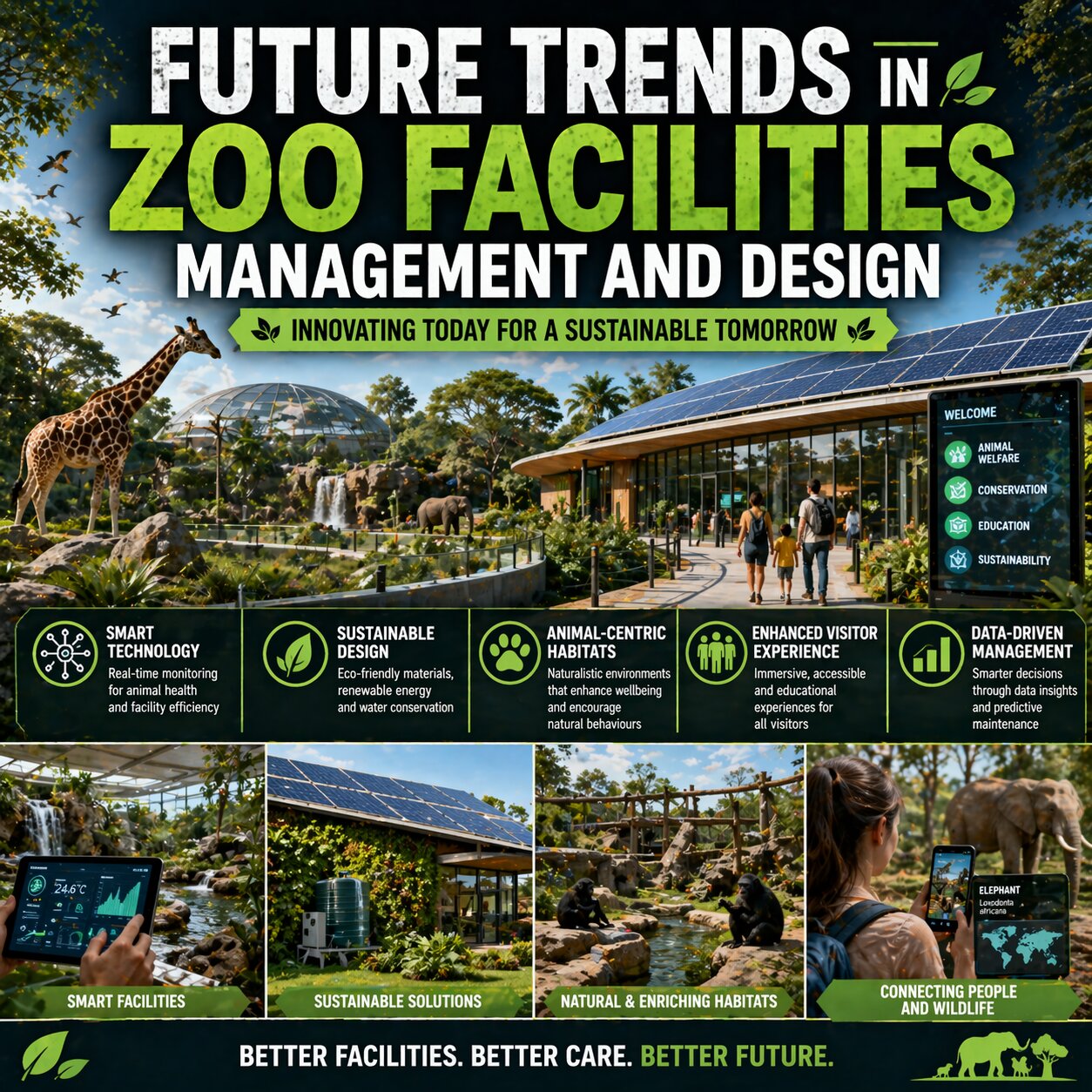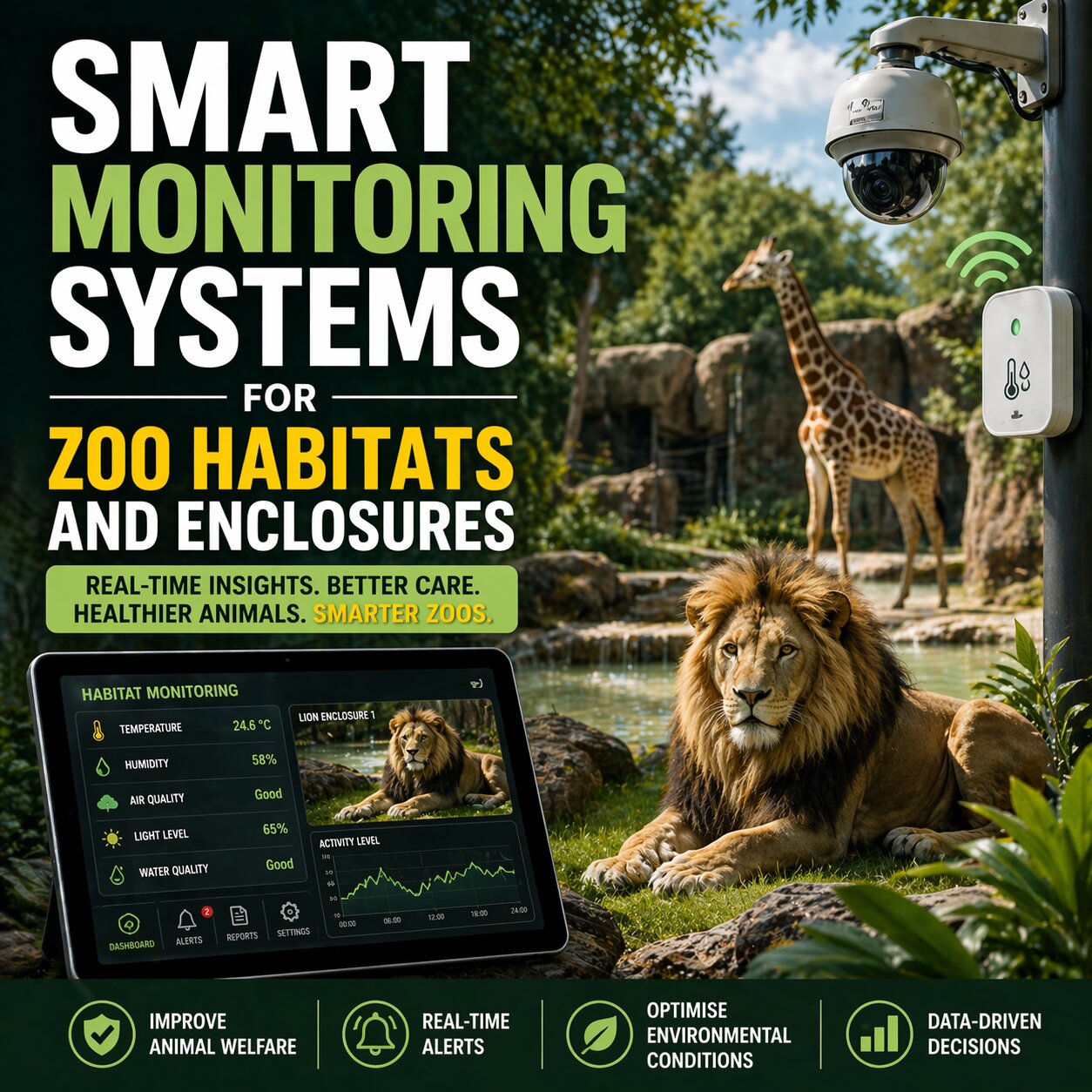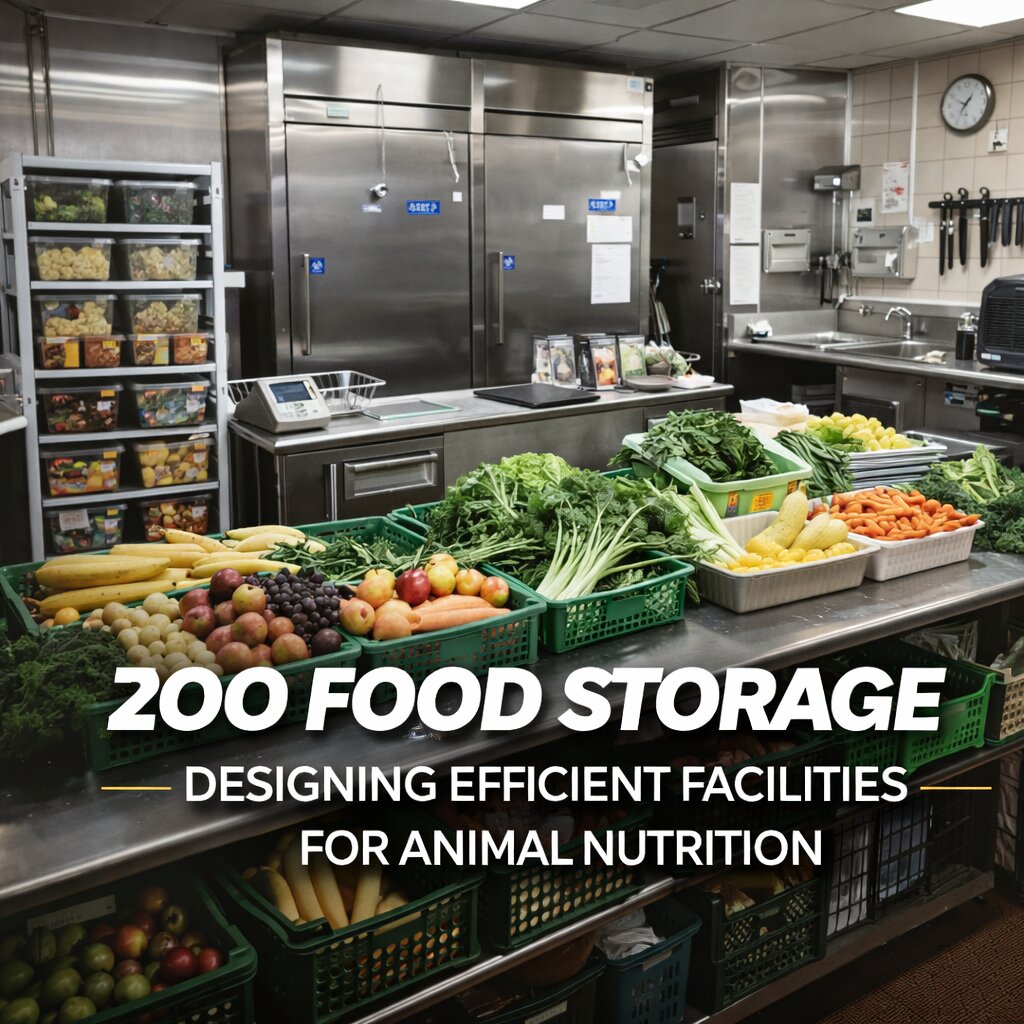
Proper zoo food storage plays a vital role in maintaining animal health, ensuring safety, and supporting daily operations in modern zoological facilities. From fresh produce to specialised diets, every ingredient must be stored, handled, and prepared under strict conditions.
Zoo environments require far more than basic storage solutions. With diverse species and unique dietary requirements, facilities must be carefully designed to prevent contamination, preserve nutritional value, and streamline workflows. Effective zoo food storage is therefore not just about logistics—it’s a critical component of animal care and welfare.
As zoos evolve into conservation and research hubs, the importance of well-planned food storage and preparation areas continues to grow.
What is zoo food storage in modern facilities?

At its core, zoo food storage refers to the systems and infrastructure used to store, manage, and distribute food for a wide range of animal species.
Unlike traditional food storage environments, zoos must cater to herbivores, carnivores, omnivores, and specialised feeders, each with distinct nutritional needs. This requires multiple storage zones, including refrigeration, freezing, and dry storage areas.
Modern zoo food storage facilities are often integrated with preparation kitchens, allowing staff to efficiently move from storage to portioning and feeding. These facilities must also comply with food safety standards similar to those in human food industries, ensuring hygiene and traceability.
By implementing structured storage systems, zoos can maintain consistency in feeding programmes while reducing waste and operational risks.
Key components of zoo food storage systems
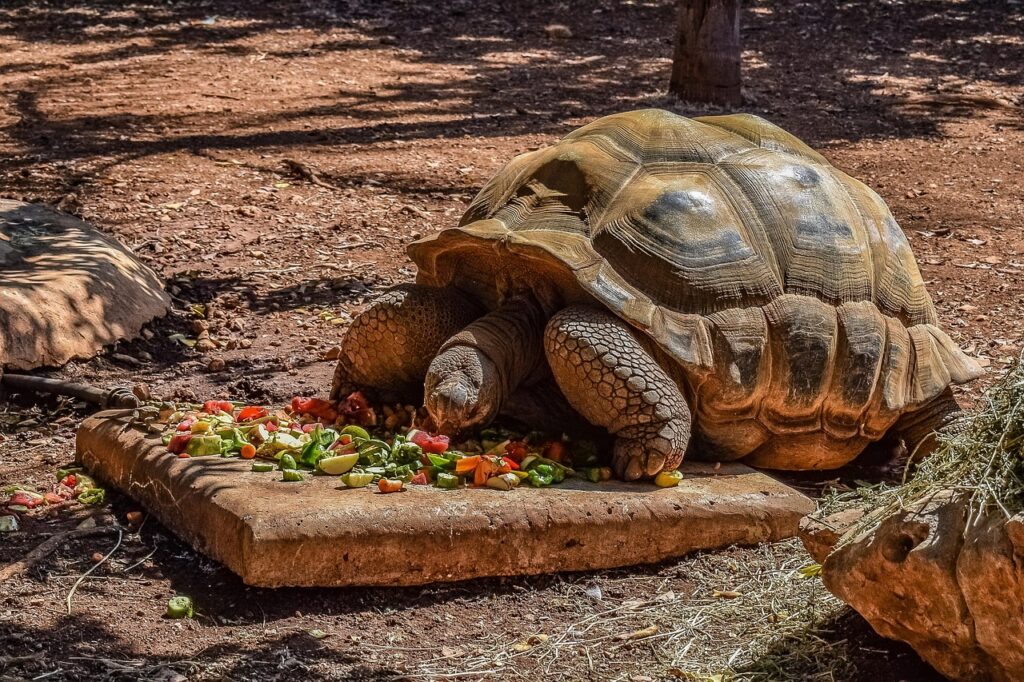
Designing an effective zoo food storage facility involves multiple specialised components working together to support safe and efficient operations.
- Cold storage units: Refrigerators and freezers for meat, fish, and perishable produce
- Dry storage areas: Shelving systems for grains, pellets, and supplements
- Segregated zones: Separate areas for different food types to prevent cross-contamination
- Inventory management systems: Digital tracking of stock levels and expiry dates
- Sanitation stations: Cleaning areas for equipment and food preparation surfaces
Each of these elements ensures that zoo food storage remains organised, hygienic, and capable of supporting the diverse dietary needs of animals.
Food preparation areas and workflow efficiency
Beyond storage, preparation facilities are equally important in supporting animal nutrition. Efficient layouts ensure that food moves smoothly from storage to preparation to distribution.
In a well-designed zoo food storage and preparation facility, workflows are carefully planned to minimise handling time and reduce contamination risks. Staff can access ingredients quickly, prepare meals accurately, and deliver them to enclosures without delays.
Preparation areas often include cutting stations, weighing equipment, and specialised tools for different diets. For example, carnivore diets may require butchering spaces, while herbivore diets focus on chopping and portioning fresh vegetation.
By aligning preparation areas with storage systems, zoos can improve operational efficiency and maintain consistent feeding schedules.
Hygiene, safety, and compliance standards
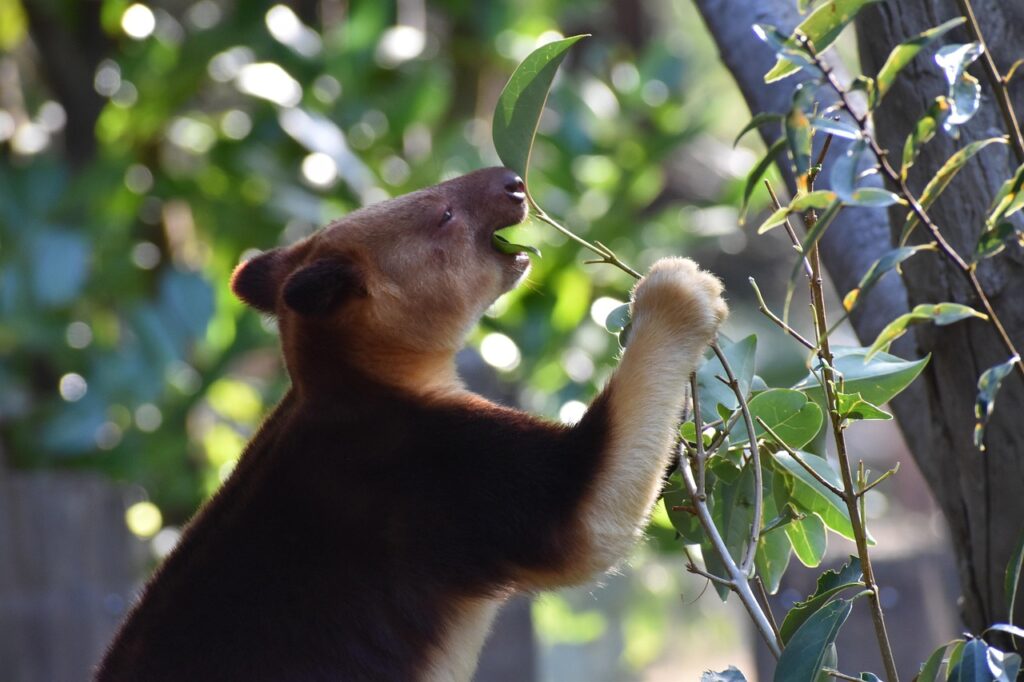
Maintaining strict hygiene standards is essential in any zoo food storage facility. Contaminated food can lead to illness, impacting both animal welfare and operational integrity.
Facilities must follow rigorous cleaning protocols, temperature monitoring, and pest control measures. Staff training is also critical, ensuring that all handling procedures meet established safety guidelines.
Regulatory compliance often mirrors standards found in food processing industries, including proper labelling, traceability, and storage conditions. These measures ensure that zoo food storage supports both safety and accountability.
Regular inspections and audits help maintain these standards, ensuring that facilities continue to operate at a high level.
Supporting animal health through better systems
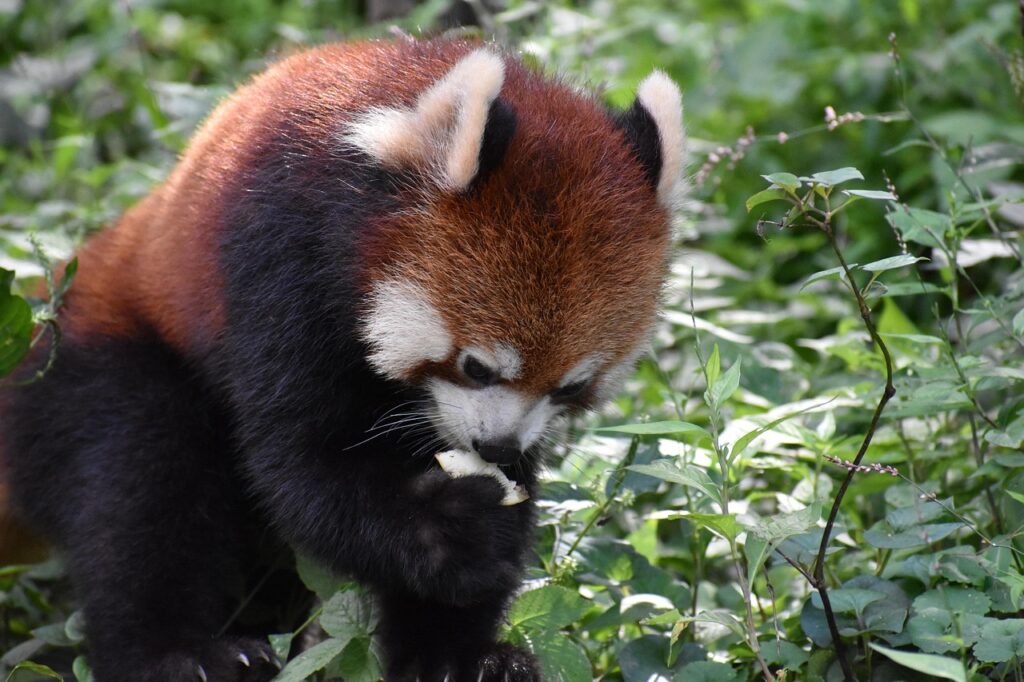
Effective zoo food storage and preparation facilities directly contribute to animal health, well-being, and longevity. By preserving the nutritional quality of food and ensuring accurate portioning, zoos can meet the specific needs of each species.
Well-designed systems also reduce waste, improve cost efficiency, and support sustainability goals. This is especially important as zoos increasingly focus on conservation and responsible resource management.
Investing in modern zoo food storage solutions is therefore not just an operational decision—it’s a commitment to better animal care and long-term success.
Building smarter facilities for modern zoos
As zoological facilities continue to evolve, the demand for advanced zoo food storage and preparation systems will only increase. From improved technology to better facility design, there are countless opportunities to enhance efficiency and animal care.
By prioritising smart layouts, hygiene standards, and integrated systems, zoos can create environments that support both staff and animals alike.
If you’re planning or upgrading zoo infrastructure, investing in well-designed food storage and preparation facilities is a crucial step toward delivering exceptional animal nutrition and care.
For tailored solutions and expert guidance, feel free to get in touch with our team to discuss your project requirements.