Electrical systems for large industrial facilities form the backbone of operations, powering everything from heavy machinery to lighting, automation, and safety systems. Without a well-designed and properly managed electrical infrastructure, industrial environments cannot function efficiently or safely.
These systems are far more complex than standard commercial or residential setups. They must handle high loads, operate continuously, and adapt to demanding environments where downtime can result in significant financial losses.
As industries continue to expand and modernise, electrical systems are evolving to become smarter, more efficient, and more resilient, ensuring facilities can meet both current demands and future growth.
Core components of industrial electrical systems
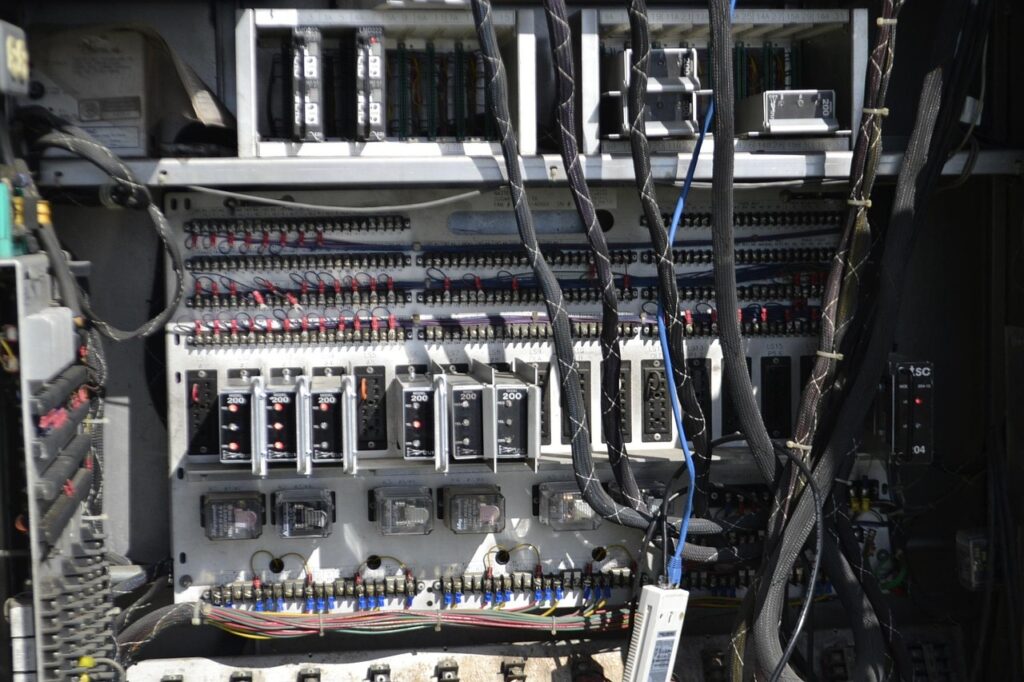
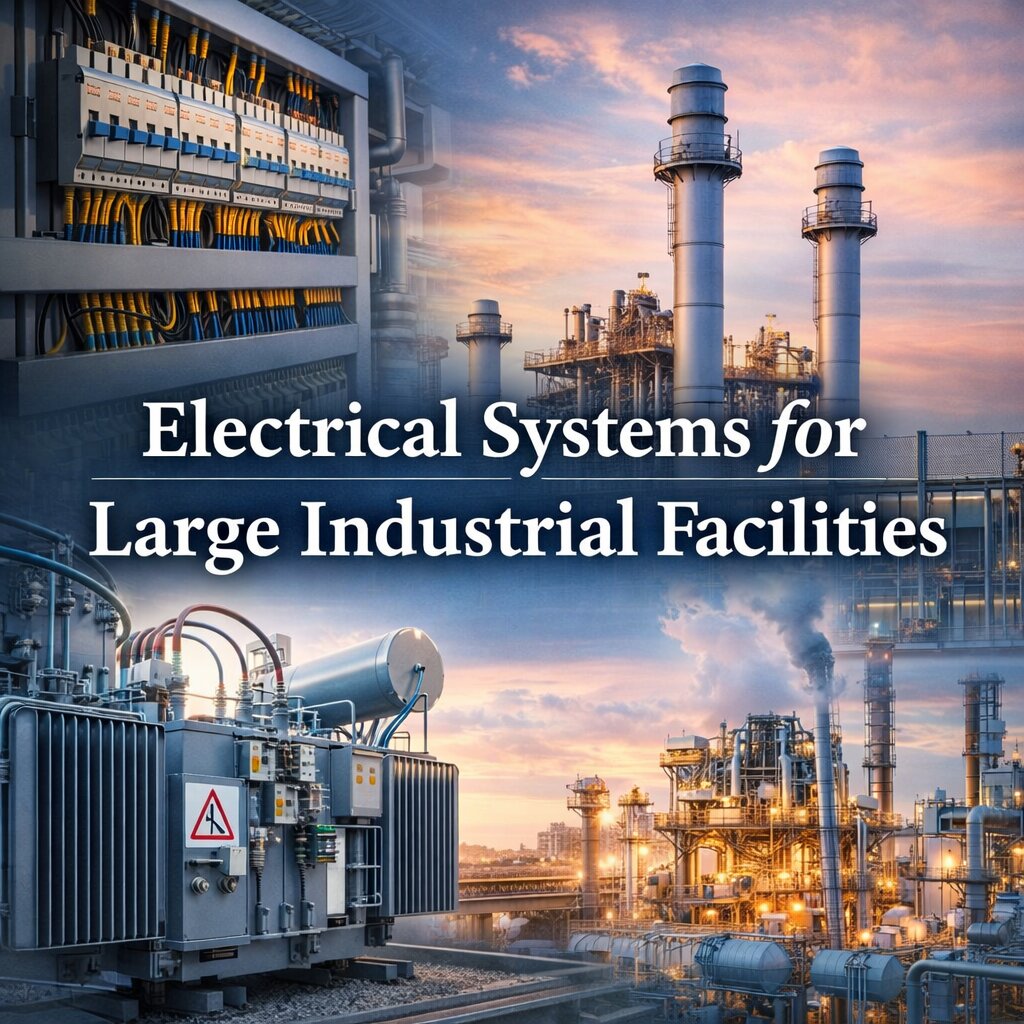
At the heart of all electrical systems for large industrial facilities are several key components that work together to distribute and control power effectively. These elements ensure that electricity flows safely from the source to every part of the operation.
Power typically enters the facility through high-voltage supply lines and is stepped down using transformers to suitable levels for various applications. Switchgear plays a critical role in controlling, protecting, and isolating electrical equipment, ensuring safe operation across the network.
Distribution boards and panels then direct electricity to different sections of the facility, while cabling systems are designed to handle high loads and harsh conditions. These components must be carefully selected and installed to meet both performance and safety standards.
In modern facilities, control systems and automation technologies are integrated into the electrical infrastructure, enabling real-time monitoring and improved efficiency.
Power distribution and load management strategies
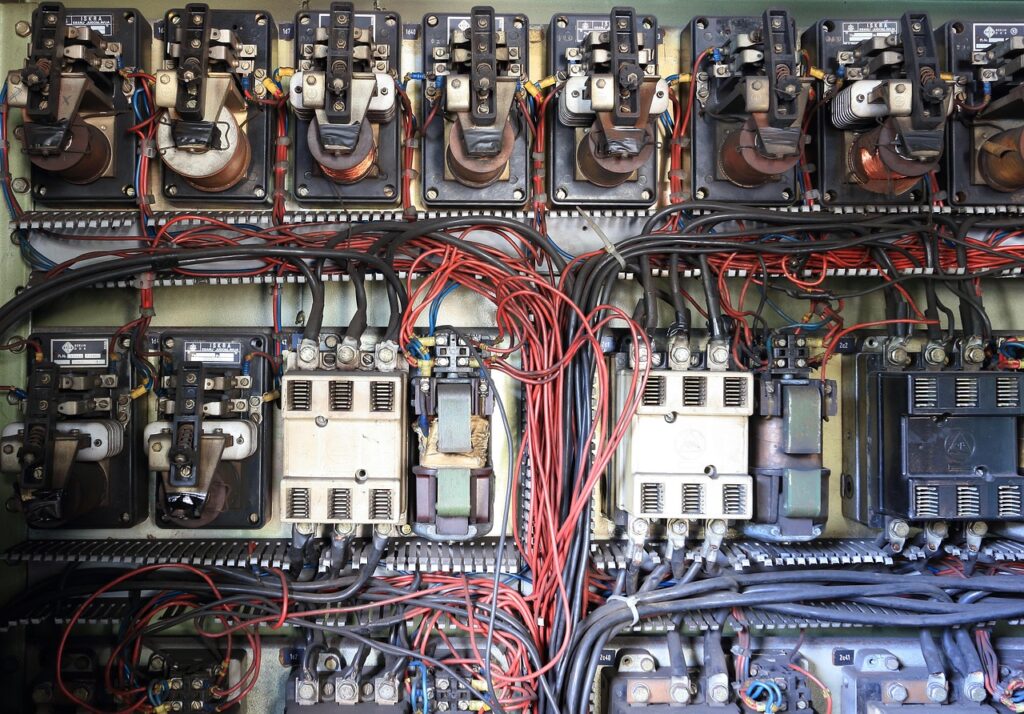
Efficient power distribution is essential in large industrial environments, where demand can vary significantly across different processes and time periods. Proper load management ensures that systems operate smoothly without overloading equipment or causing instability.
Facilities often use segmented distribution networks to isolate different areas, allowing for better control and maintenance. This approach reduces the risk of widespread outages and improves system reliability.
Load balancing is another key strategy, ensuring that power is evenly distributed across phases and circuits. This helps prevent overheating, reduces energy losses, and extends the lifespan of electrical equipment.
Advanced energy management systems are increasingly being used to monitor consumption patterns, identify inefficiencies, and optimise overall performance.
Safety systems and compliance requirements
Safety is a top priority when designing electrical systems for large industrial facilities. High power levels and complex installations introduce significant risks, making it essential to implement robust safety measures.
Protective devices such as circuit breakers, relays, and surge protectors are used to detect and respond to faults. These systems help prevent damage to equipment and reduce the risk of electrical fires or accidents.
Grounding and earthing systems are also critical, ensuring that excess electrical energy is safely dissipated. Proper insulation and cable management further enhance safety within the facility.
Compliance with local and international standards is mandatory, ensuring that installations meet regulatory requirements and operate within safe parameters.
Key elements of industrial electrical systems
- High-voltage supply and transformers
- Switchgear and protection systems
- Distribution boards and panels
- Industrial cabling and wiring systems
- Automation and control systems
- Energy management and monitoring tools
Future trends in industrial electrical infrastructure
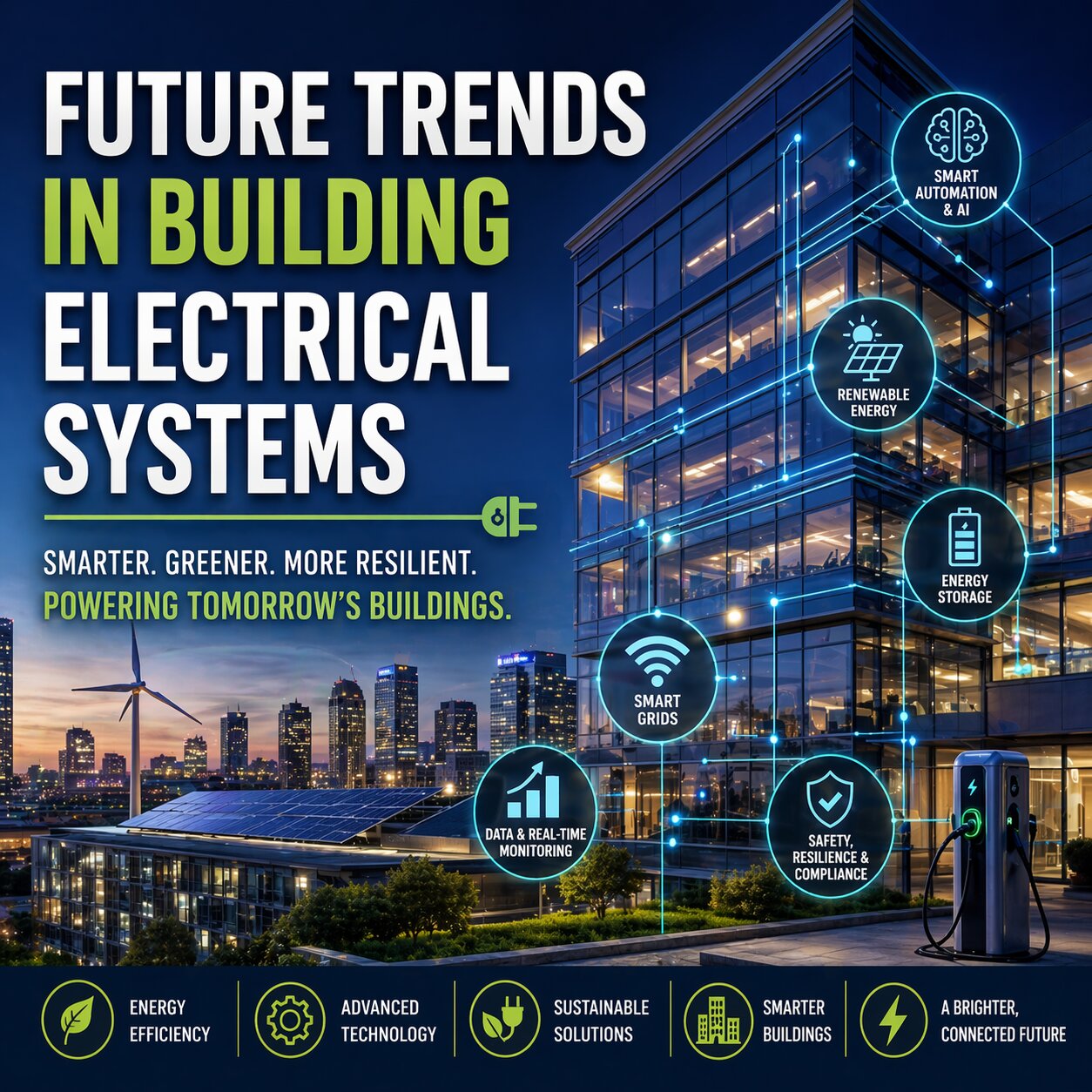
The future of electrical systems for large industrial facilities is being shaped by innovation and sustainability. Facilities are increasingly adopting smart technologies to improve efficiency and reduce operational costs.
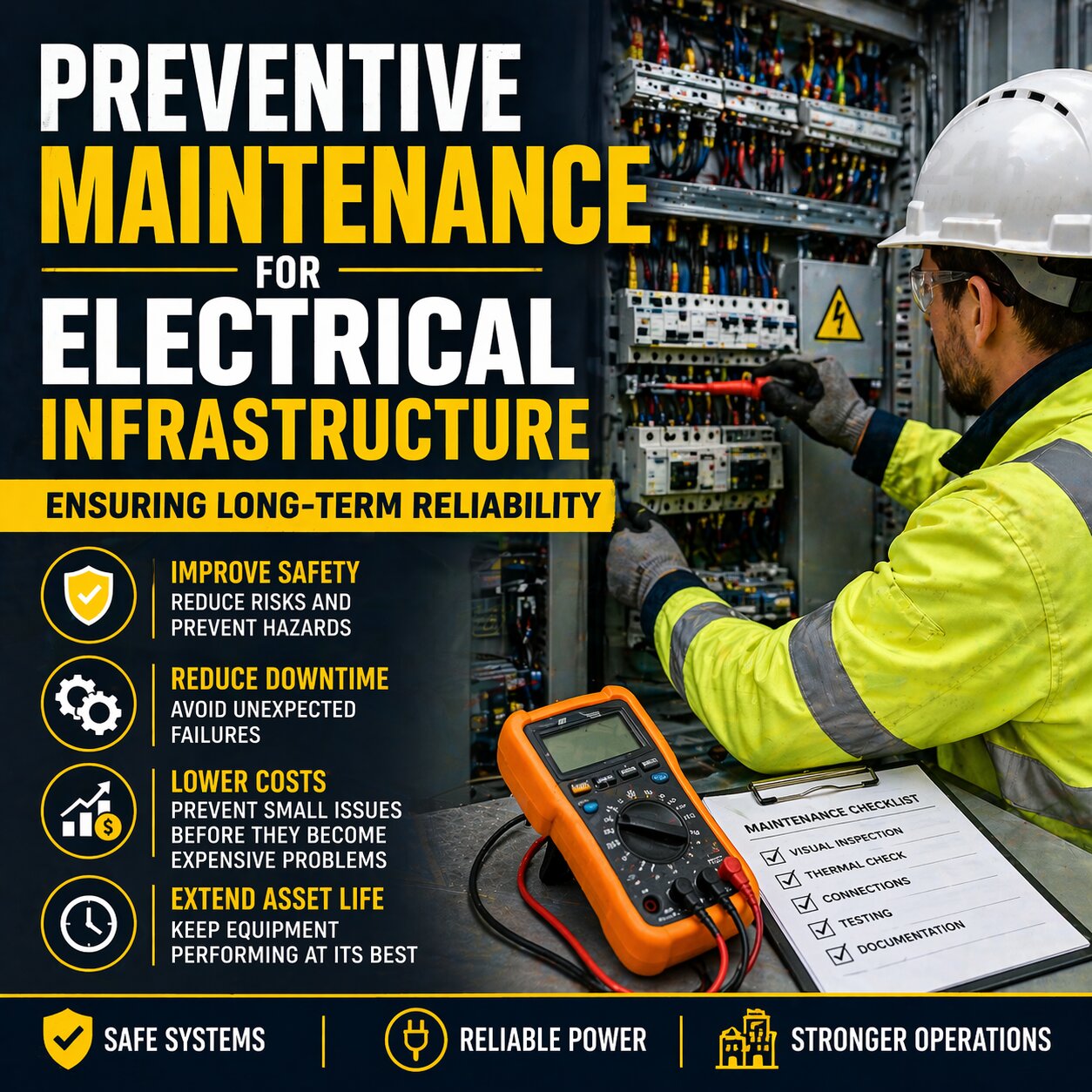
Digital monitoring systems provide real-time data on energy usage, allowing operators to make informed decisions and optimise performance. Predictive maintenance is also becoming more common, helping to identify potential issues before they lead to failures.
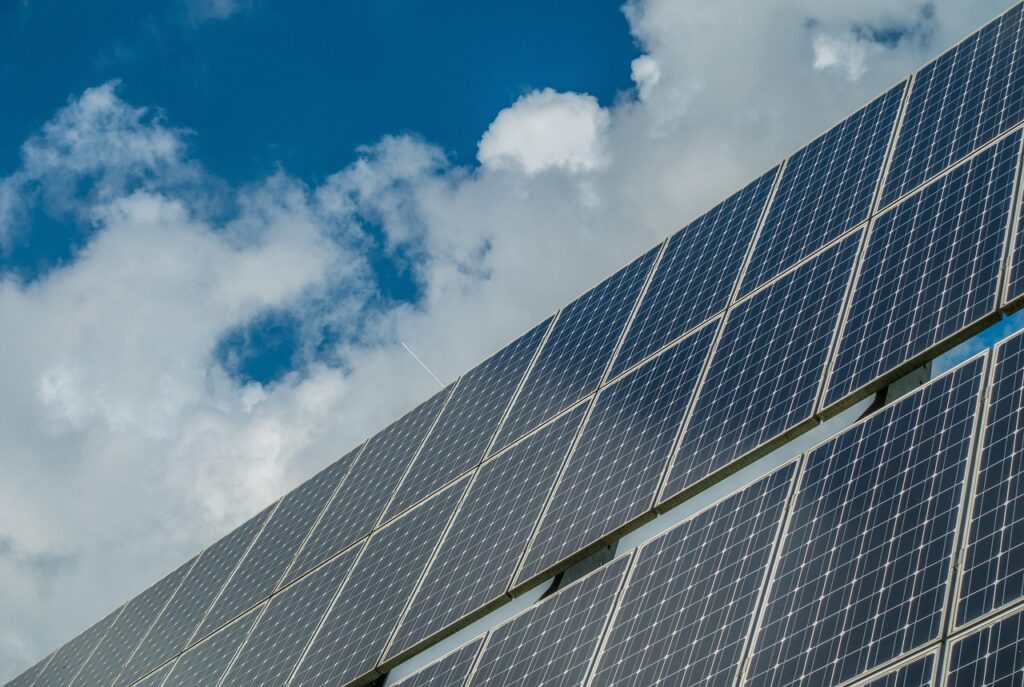
Renewable energy integration is another growing trend, with facilities incorporating solar, wind, and other alternative sources into their power systems. This reduces reliance on traditional energy sources and supports environmental goals.
As industries continue to evolve, electrical systems will remain a critical component, driving productivity, safety, and long-term sustainability in large-scale operations.