Emergency power systems and uninterruptible power supply (UPS) solutions are critical components of modern infrastructure, ensuring that essential operations continue even during power outages. From hospitals and data centres to industrial facilities and commercial buildings, these systems protect equipment, maintain safety, and prevent costly downtime.
As power reliability becomes increasingly important, integrating robust emergency backup solutions has become a standard requirement across many sectors.
The role of backup power in critical infrastructure
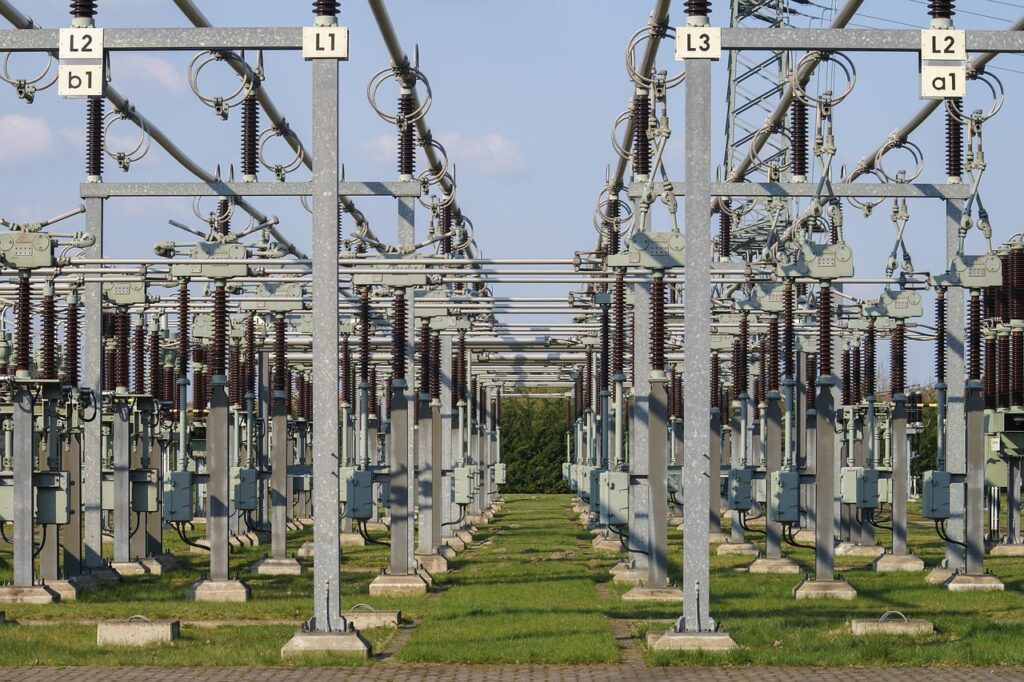
Emergency power systems and uninterruptible power supply (UPS) solutions are designed to provide immediate and reliable electricity when the main power source fails. This is especially important in environments where even a brief interruption can result in significant consequences.
Facilities such as hospitals rely on continuous power to support life-saving equipment, while data centres depend on stable electricity to prevent data loss and system failures. In industrial settings, power interruptions can halt production and damage sensitive machinery.
By implementing emergency power systems and uninterruptible power supply (UPS) systems, organisations can ensure operational continuity and reduce the risks associated with unexpected outages.
Understanding emergency power systems
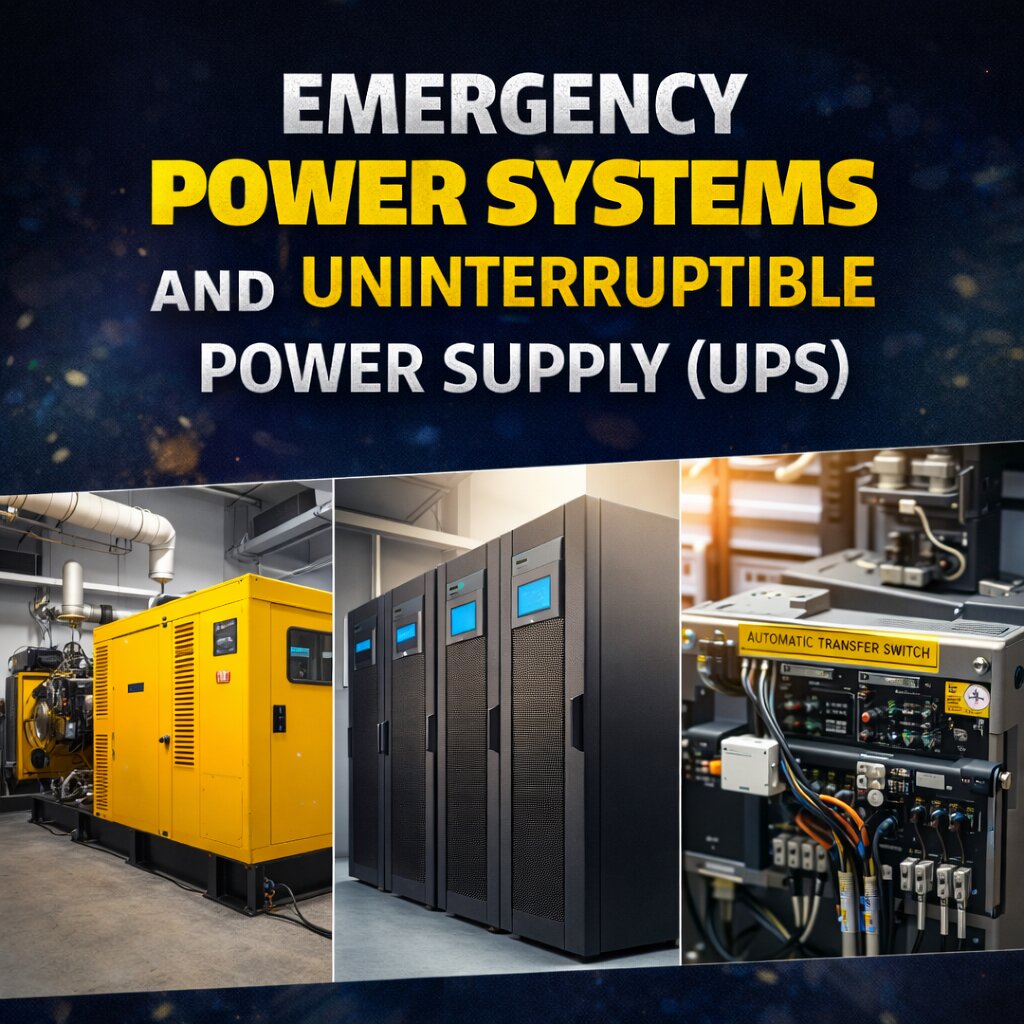
Emergency power systems typically consist of backup generators, fuel storage, and automatic transfer switches. These systems activate when a power outage is detected, supplying electricity to critical loads within seconds.
Generators can be powered by diesel, natural gas, or other fuels, depending on the facility’s requirements. Their capacity is designed to support essential systems such as lighting, HVAC, security, and operational equipment.
Emergency power systems and uninterruptible power supply (UPS) solutions often work together, with generators providing long-term backup while UPS systems bridge the gap during the initial power loss.
What is a UPS and how it works
A key component of emergency power systems and uninterruptible power supply (UPS) setups is the UPS itself, which provides instant power without any interruption. Unlike generators, which take time to start, a UPS delivers immediate energy through stored battery power.
UPS systems are commonly used to protect sensitive equipment such as servers, medical devices, and communication systems. They also help regulate voltage and protect against power surges.
There are different types of UPS systems, including standby, line-interactive, and online double-conversion systems. Each type offers varying levels of protection and is suited to different applications.
Key components and system integration
Effective emergency power systems and uninterruptible power supply (UPS) installations require careful integration of multiple components to ensure seamless operation.
- Backup generators: Provide long-duration power during extended outages
- UPS units: Deliver instant power and protect sensitive equipment
- Automatic transfer switches (ATS): Switch between main and backup power sources
- Battery systems: Store energy for immediate UPS response
- Monitoring systems: Track performance and detect faults
Integrating these elements ensures that emergency power systems and uninterruptible power supply (UPS) solutions operate efficiently and reliably under all conditions.
Applications across industries
Emergency power systems and uninterruptible power supply (UPS) solutions are widely used across various industries where power continuity is essential.
In healthcare, they support life-critical equipment and emergency lighting. In commercial buildings, they maintain security systems, elevators, and communication networks. Industrial facilities rely on these systems to prevent production losses and equipment damage.
Data centres are among the most dependent on emergency power systems and uninterruptible power supply (UPS) solutions, as even milliseconds of downtime can have significant financial and operational impacts.
Maintenance and reliability considerations
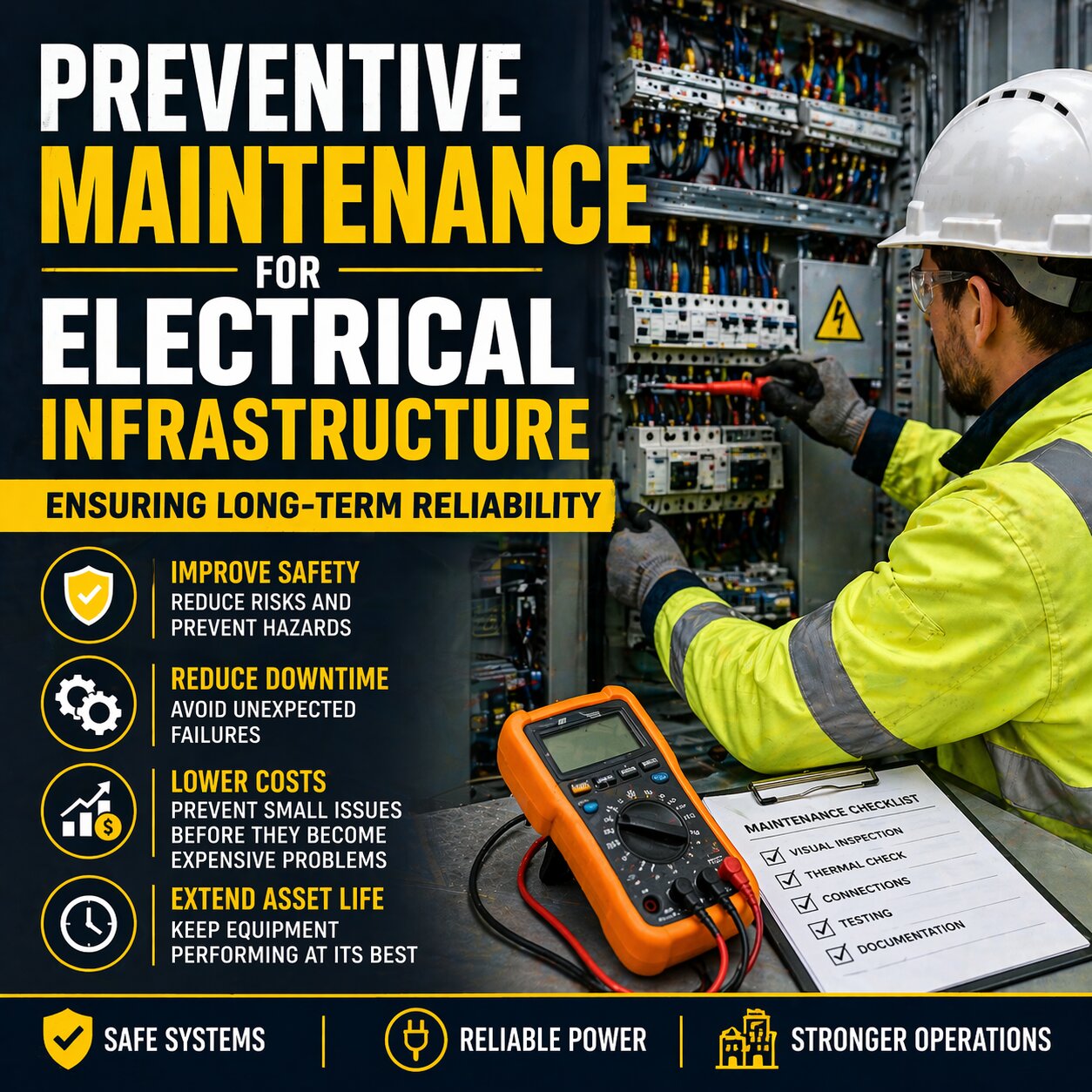
To ensure reliability, emergency power systems and uninterruptible power supply (UPS) installations require regular maintenance and testing. This includes checking battery health, fuel levels, and system performance under simulated outage conditions.
Routine inspections help identify potential issues before they lead to failures. Proper maintenance also extends the lifespan of equipment and ensures compliance with safety regulations.
Managing emergency power systems and uninterruptible power supply (UPS) effectively means adopting a proactive approach to maintenance and system monitoring.
Powering resilience in modern infrastructure
Emergency power systems and uninterruptible power supply (UPS) solutions are essential for maintaining resilience in today’s infrastructure. By providing immediate and sustained backup power, these systems protect operations, safeguard equipment, and ensure safety during outages.
As industries continue to rely on uninterrupted power, investing in well-designed and maintained backup systems will remain a critical priority for organisations worldwide.