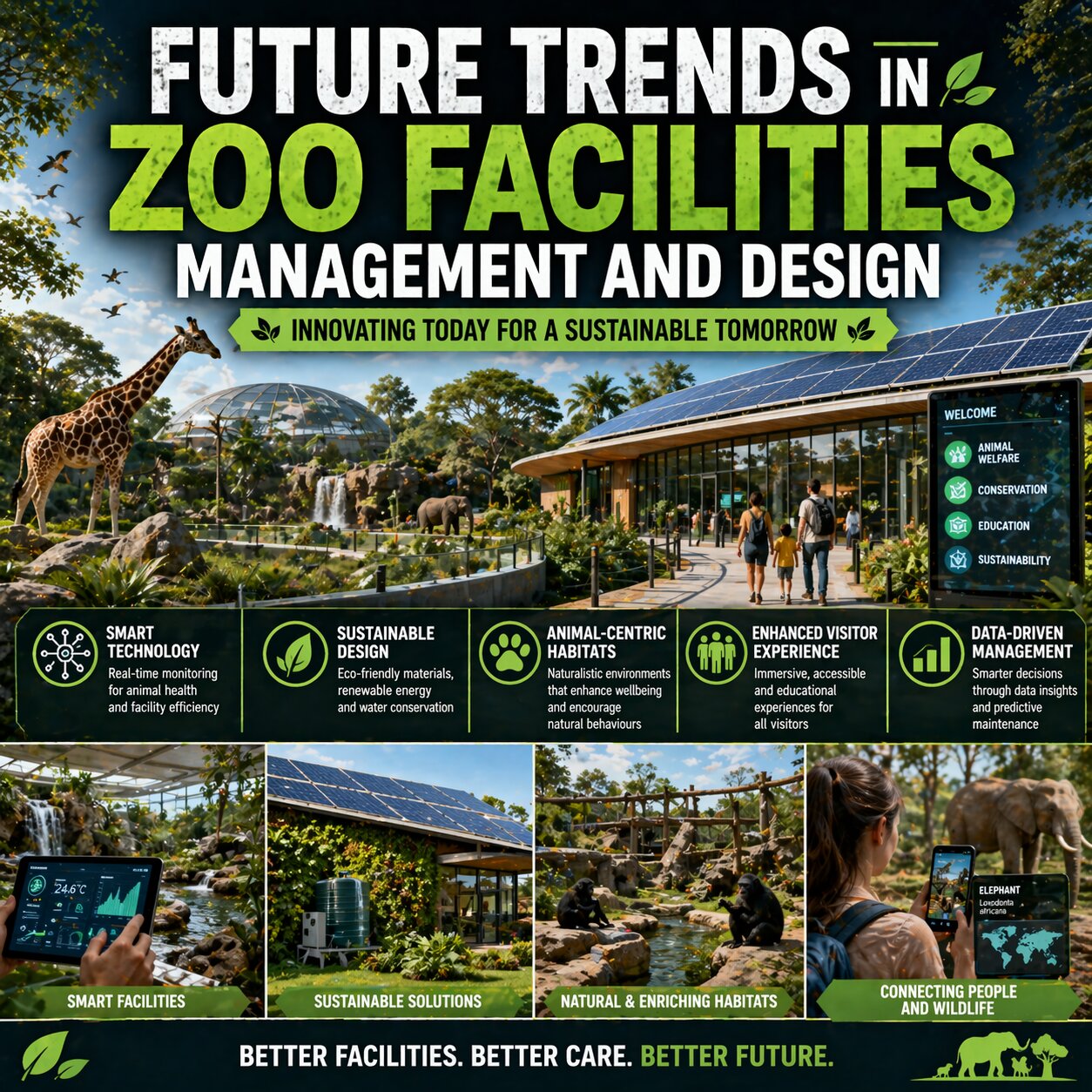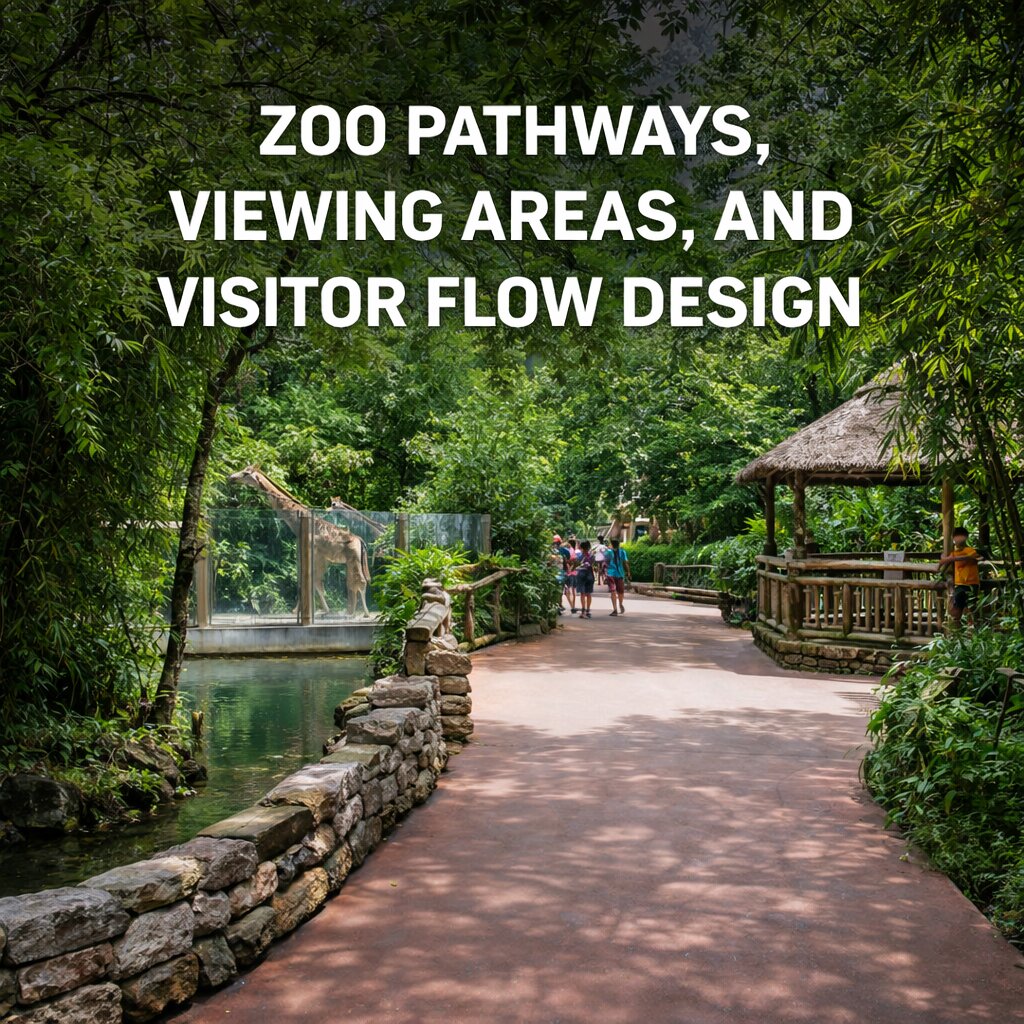
Designing effective zoo pathways is one of the most important aspects of creating a successful, engaging, and sustainable zoo environment. While animal habitats often take centre stage, the way visitors move through the space directly impacts their experience, safety, and connection with wildlife.
Modern zoos are no longer just collections of enclosures. They are carefully curated environments where architecture, landscaping, and behavioural science come together. Well-planned pathways and viewing areas ensure that visitors can explore comfortably while maintaining respect for animal welfare and operational efficiency.
The role of pathways in shaping visitor journeys

At their core, zoo pathways guide how people experience the entire facility. They determine the pace, direction, and emotional flow of a visit, subtly influencing what visitors see first, how long they stay, and how they interact with exhibits.
A well-designed pathway system balances exploration with structure. Visitors should feel free to wander, yet never lost or confused. This is achieved through intuitive layouts, visual cues, and clear transitions between themed zones. Whether it’s a rainforest trail or a savannah walk, the pathway becomes part of the storytelling.
From an operational perspective, pathways must also support accessibility and safety. This includes accommodating wheelchairs, strollers, and high visitor volumes during peak periods. Proper materials, gradients, and widths ensure that movement remains smooth and inclusive for all guests.
Finally, pathways play a role in sustainability. Permeable surfaces, natural materials, and erosion control measures help minimise environmental impact while blending seamlessly into the surrounding landscape.
Designing effective viewing areas for engagement and comfort
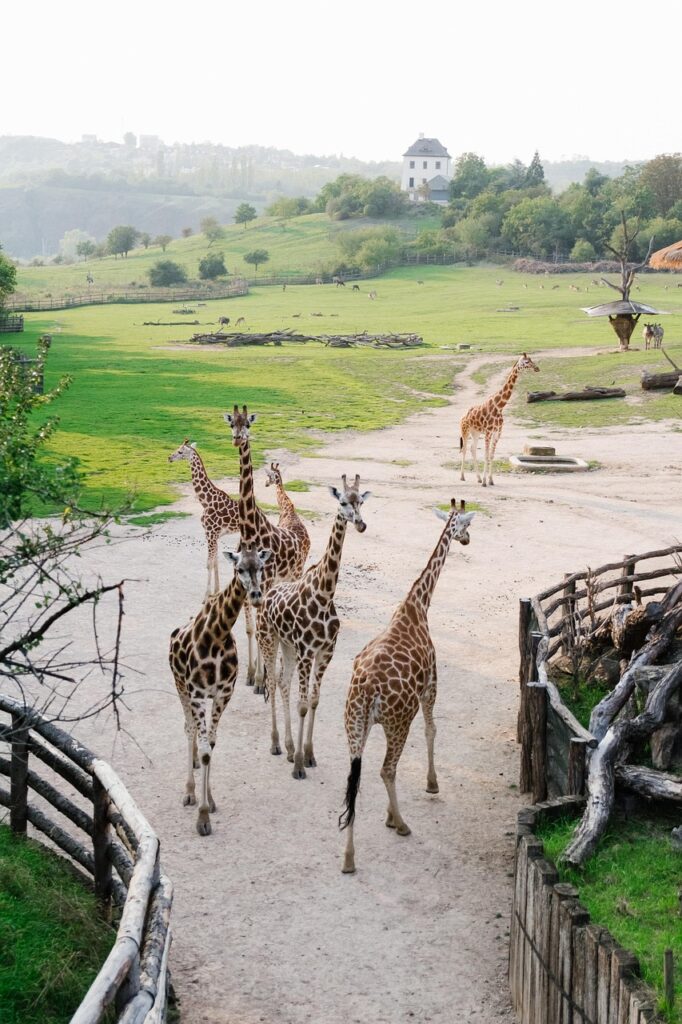
Viewing areas are where visitors connect most directly with animals, making their design critical to both engagement and welfare. These spaces must offer clear sightlines while maintaining appropriate distance and minimising stress for the animals.
Strategic placement of viewing points along zoo pathways allows for natural pauses in the visitor journey. These moments encourage people to stop, observe, and learn, rather than rushing through exhibits. Elevated platforms, glass panels, and shaded decks can all enhance visibility without disrupting habitats.
Comfort is equally important. Visitors are more likely to spend time at exhibits when seating, shade, and shelter are provided. Incorporating benches, rest zones, and weather protection ensures that the experience remains enjoyable in various conditions.
In addition, interpretive signage and interactive elements can transform viewing areas into educational hubs. When combined with thoughtful design, these features deepen understanding and create lasting impressions.
Managing visitor flow for safety and efficiency

Effective visitor flow design ensures that zoo pathways can handle varying crowd levels without congestion or confusion. This is especially important during holidays, school visits, and special events when foot traffic increases significantly.
Key principles for managing visitor flow include:
- Creating looped pathways to avoid dead ends and backtracking
- Designing wider paths in high-traffic zones
- Using signage and visual cues to guide movement
- Separating entry and exit points in busy areas
- Incorporating rest zones to reduce crowd pressure
By applying these strategies, zoos can maintain a steady and comfortable flow of visitors throughout the site. This not only improves the guest experience but also enhances safety and operational control.
Flow design also considers emergency access and evacuation routes. Clear, unobstructed pathways ensure that staff can respond quickly when needed, while visitors can exit the premises safely.
Integrating nature, design, and experience
The most successful zoo pathways are those that feel like a natural extension of the environment rather than artificial additions. By integrating pathways into the landscape, designers can create immersive journeys that enhance both aesthetics and functionality.
Curved paths, varied textures, and changes in elevation can make exploration more dynamic and engaging. These elements encourage curiosity and discovery, turning a simple walk into an adventure. Landscaping features such as plants, water elements, and natural barriers further enrich the experience.
At the same time, careful planning ensures that pathways do not interfere with animal habitats. Buffer zones, vegetation screens, and thoughtful positioning help maintain a balance between visibility and privacy for the animals.
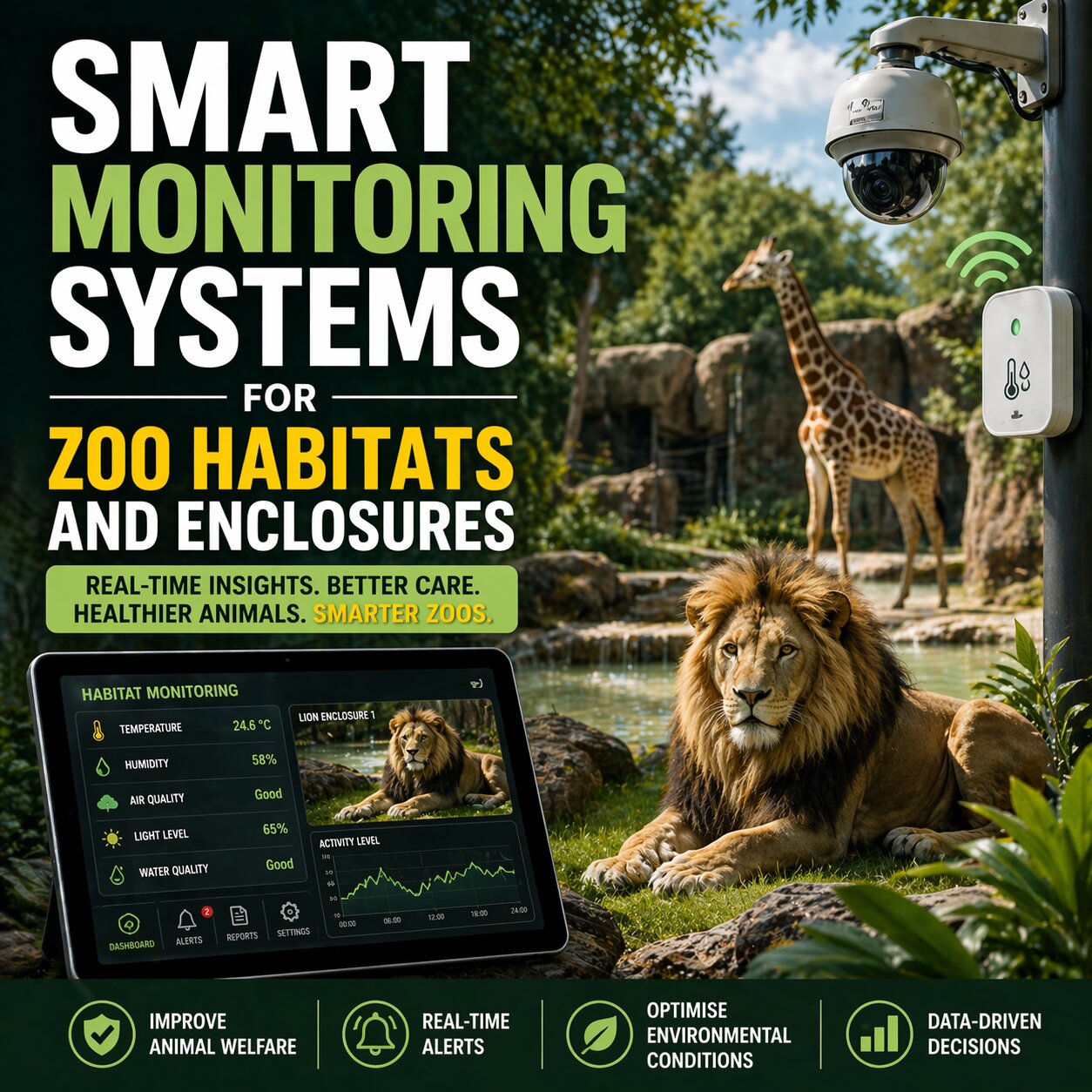
Technology can also play a role in modern designs. Smart signage, mobile navigation apps, and crowd monitoring systems provide additional layers of convenience and efficiency, helping visitors navigate complex layouts with ease.
Creating memorable journeys through thoughtful design
Ultimately, zoo pathways are more than just routes from one exhibit to another. They are the threads that connect every part of the zoo experience, shaping how visitors explore, learn, and engage with wildlife.
When combined with well-designed viewing areas and efficient visitor flow strategies, pathways become powerful tools for storytelling and education. They guide guests through carefully crafted environments, ensuring that each step adds value to the journey.
By prioritising accessibility, sustainability, and immersion, modern zoos can create spaces that are not only functional but also inspiring. In doing so, they foster deeper connections between people and the natural world, making every visit both enjoyable and meaningful.