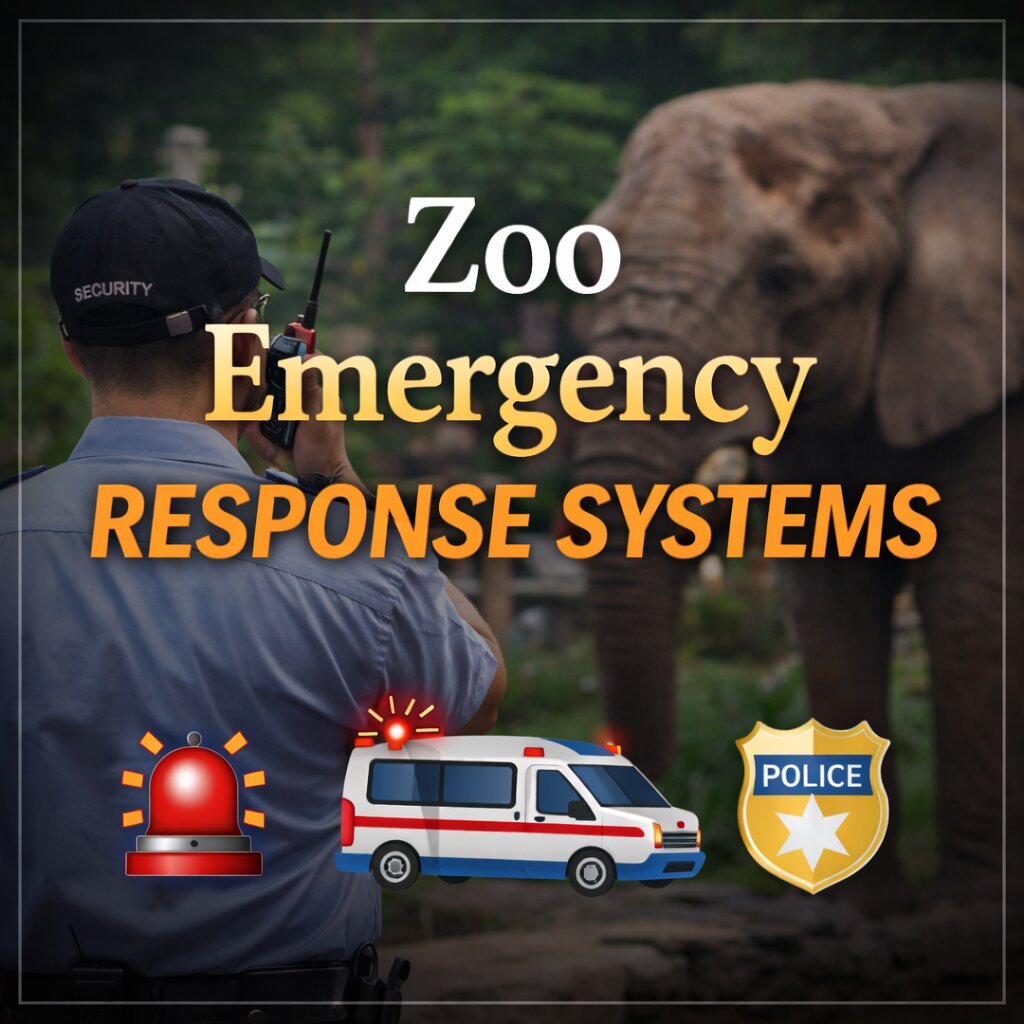
Zoo emergency response systems are critical for ensuring the safety of visitors, staff, and animals in complex and often unpredictable environments. With large crowds, diverse species, and expansive enclosures, zoos require specialised systems that go beyond standard emergency protocols.
From animal escapes to medical incidents and environmental hazards, having well-designed zoo emergency response systems can make the difference between a controlled situation and a major crisis. Modern zoos are increasingly investing in integrated solutions that combine technology, training, and infrastructure to respond swiftly and effectively.
Understanding zoo emergency response systems
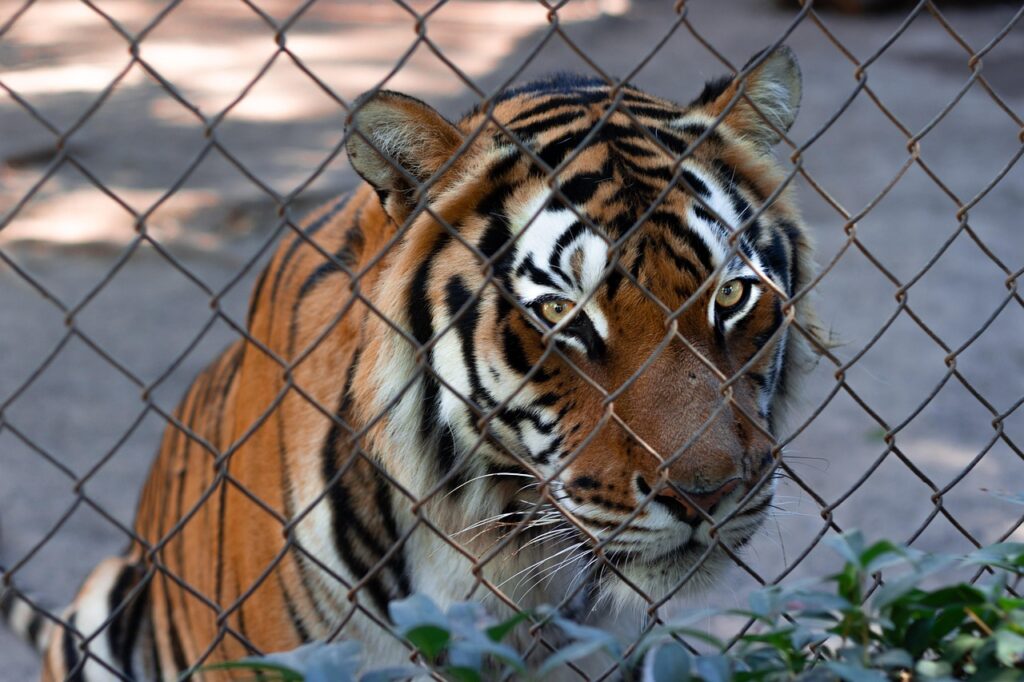
Zoo emergency response systems are structured frameworks designed to manage and mitigate emergencies within zoological environments. These systems encompass communication networks, physical infrastructure, trained personnel, and predefined procedures tailored to the unique risks found in zoos.
Unlike typical public spaces, zoos must account for both human and animal safety simultaneously. This means that response plans must consider animal behaviour, enclosure security, and the potential for panic among visitors. Each element must work together seamlessly to ensure a coordinated reaction.
In many cases, these systems are integrated with broader municipal emergency services, including fire departments, medical teams, and law enforcement. This collaboration ensures that external support can be mobilised quickly when required.
The goal is not only to respond to emergencies but also to prevent them. Regular assessments, drills, and system upgrades are essential components of maintaining an effective response strategy.
Key components of an effective system
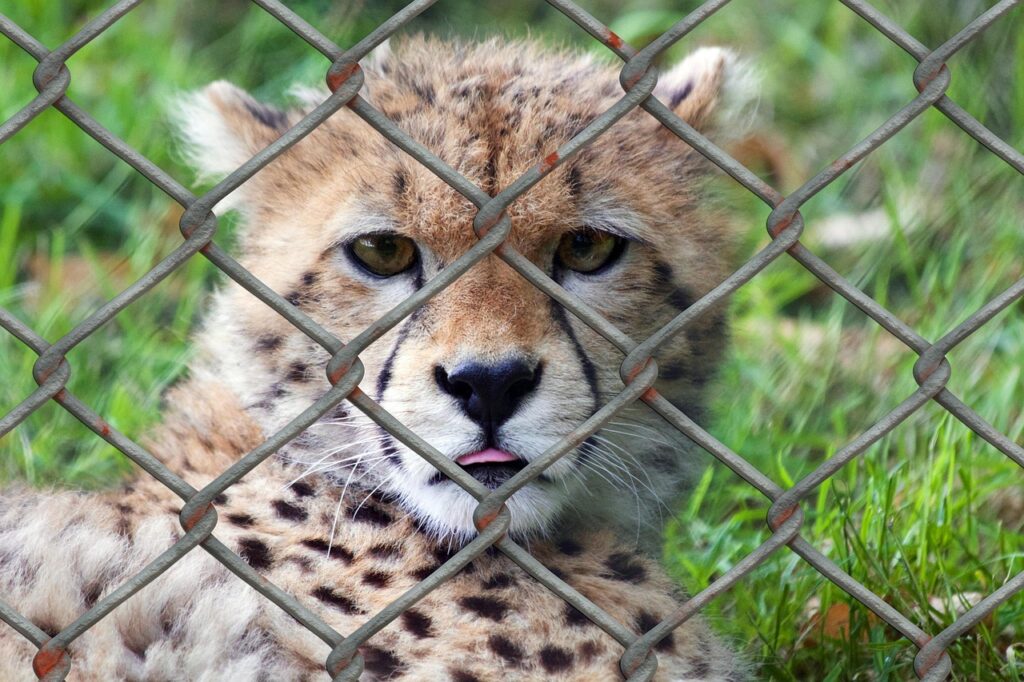
An effective zoo emergency response system relies on multiple interconnected elements that support rapid action and clear decision-making during critical situations.
- Centralised communication systems for instant alerts and coordination
- Emergency evacuation routes and clearly marked assembly points
- Secure containment systems for animal enclosures
- Surveillance and monitoring systems for early threat detection
- Trained response teams, including animal handlers and medical staff
- Integration with local emergency services and authorities
Each of these components plays a vital role in ensuring that incidents are managed efficiently, minimising risk to both people and animals.
Types of emergencies zoos must prepare for
Zoos face a wide range of potential emergencies, many of which are unique to their environment. Animal escapes are among the most serious, requiring immediate containment procedures and public safety measures.
Medical emergencies involving visitors or staff are also common, especially in large facilities with high foot traffic. Having on-site medical response capabilities is essential for providing immediate care before external services arrive.
Environmental risks, such as fires, flooding, or severe weather, can threaten both infrastructure and animal habitats. These scenarios require evacuation plans, backup systems, and contingency measures to protect all occupants.
Security threats, including unauthorised access or vandalism, must also be considered. Modern systems often include advanced surveillance and access control to prevent and respond to such incidents effectively.
Technology and innovation in zoo safety
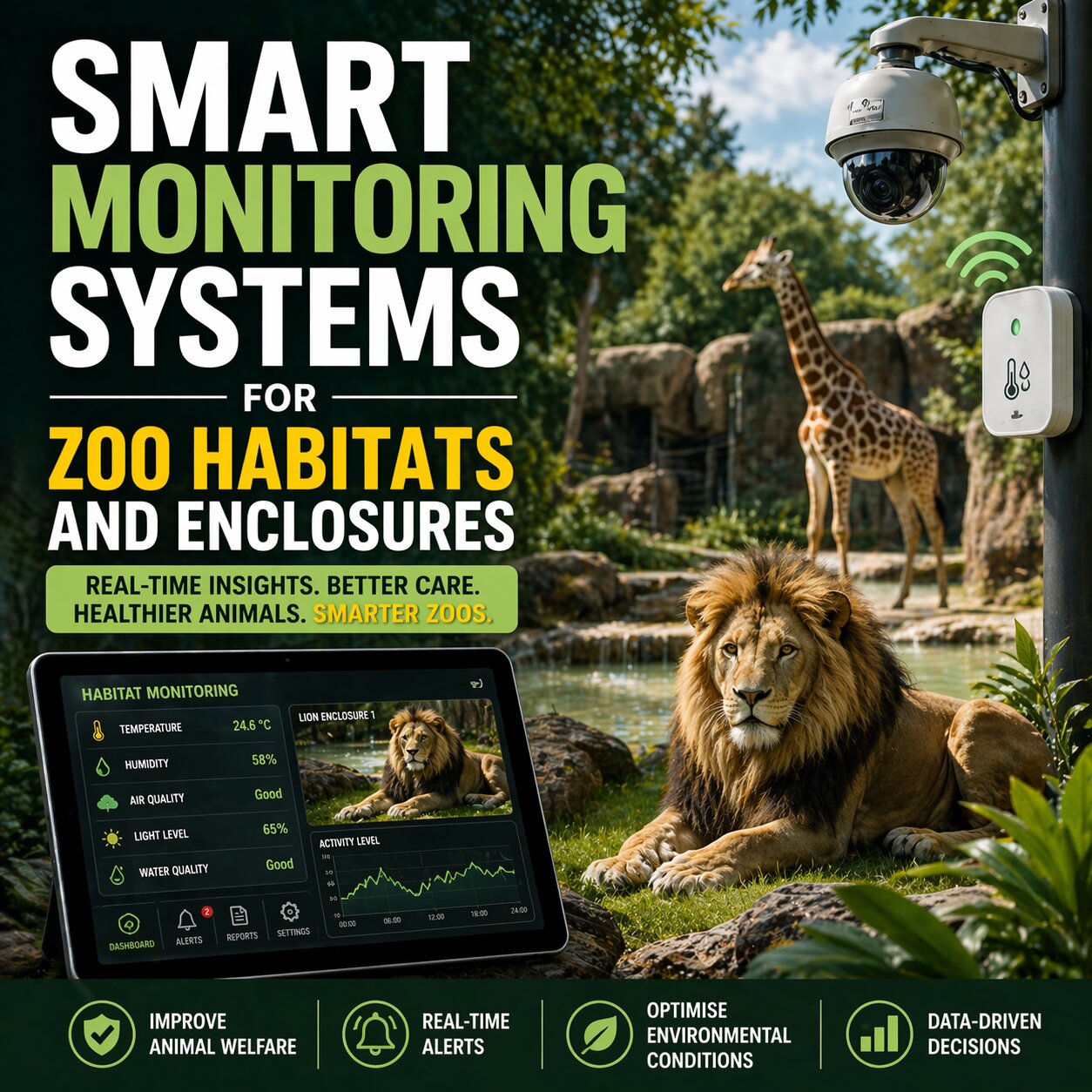
Advancements in technology have significantly enhanced zoo emergency response systems. Modern facilities are leveraging smart systems that provide real-time data and automated alerts to improve response times.
For example, integrated control rooms can monitor multiple areas of the zoo simultaneously, allowing staff to detect issues as they arise. Sensors and tracking systems can also provide insights into animal movement, helping to prevent or quickly respond to escapes.
Mobile communication tools ensure that staff across the facility remain connected at all times. This is particularly important in large zoos where rapid coordination is essential during emergencies.
In addition, digital mapping and simulation tools are being used to train staff and plan responses more effectively. These innovations help create a proactive approach to safety rather than a purely reactive one.
Training and preparedness
Even the most advanced systems are only as effective as the people using them. Staff training is a cornerstone of any successful zoo emergency response system, ensuring that everyone knows their role during an incident.
Regular drills and scenario-based training help prepare teams for real-world situations. These exercises often include coordination with external emergency services to ensure a unified response.
Animal handlers require specialised training to manage species-specific behaviours during emergencies. This is particularly important when dealing with large or dangerous animals, where the margin for error is minimal.
Preparedness also involves educating visitors. Clear signage, public announcements, and staff guidance can help manage crowd behaviour and reduce panic during emergencies.
Strengthening safety through planning
Zoo emergency response systems are not static. They must evolve alongside changes in infrastructure, animal populations, and visitor numbers. Continuous improvement is key to maintaining high safety standards.
Regular audits and risk assessments help identify potential weaknesses in the system. Addressing these proactively ensures that the zoo remains prepared for a wide range of scenarios.
Collaboration with industry experts and adherence to international safety standards also play an important role. By staying aligned with best practices, zoos can ensure they are equipped to handle emergencies effectively.
A safer environment for all
Zoo emergency response systems are essential for creating a safe and secure environment where people and animals can coexist. By combining technology, training, and strategic planning, zoos can respond to emergencies with confidence and control.
As these systems continue to evolve, they not only protect lives but also enhance the overall experience for visitors, ensuring that safety remains a top priority without compromising the educational and recreational value of the zoo.