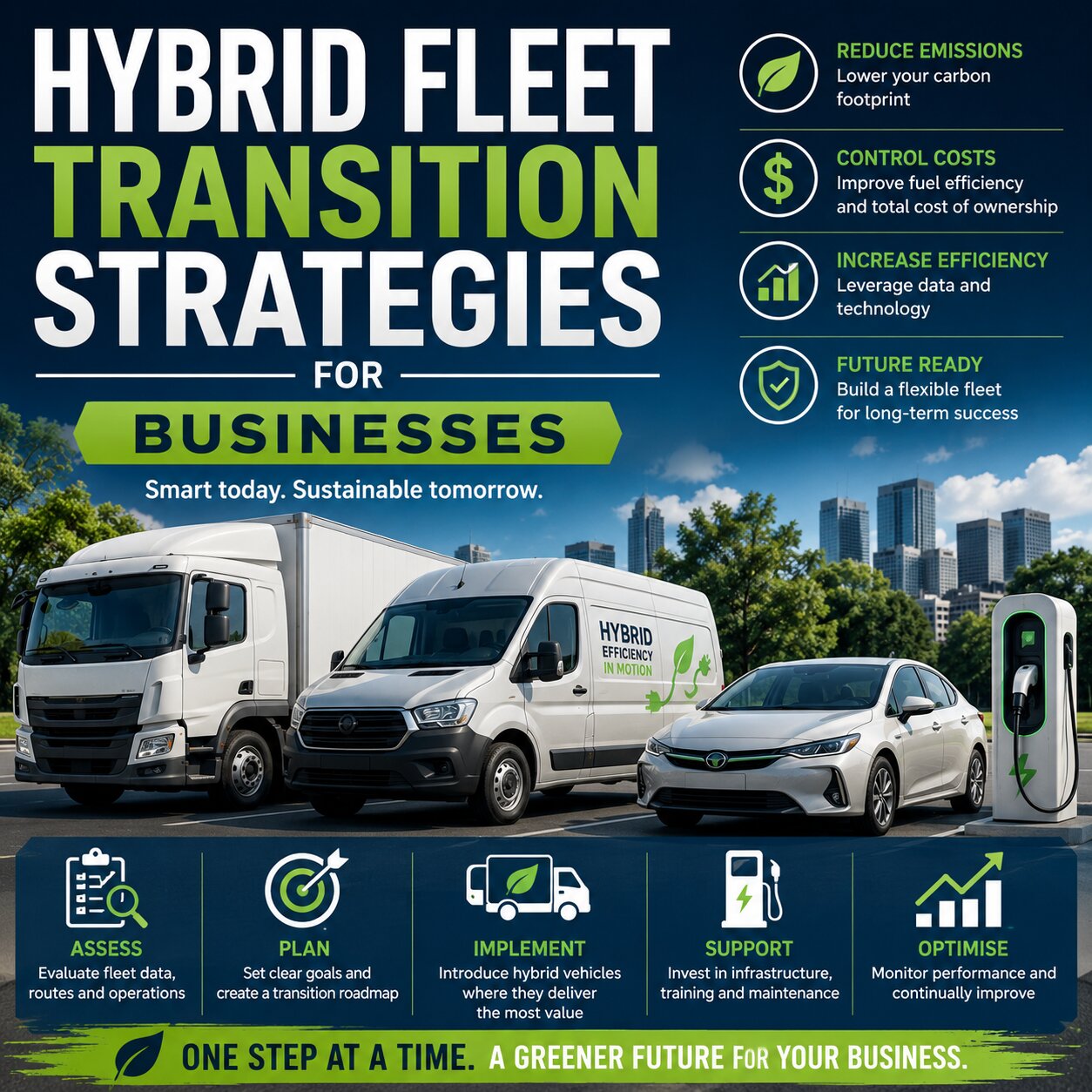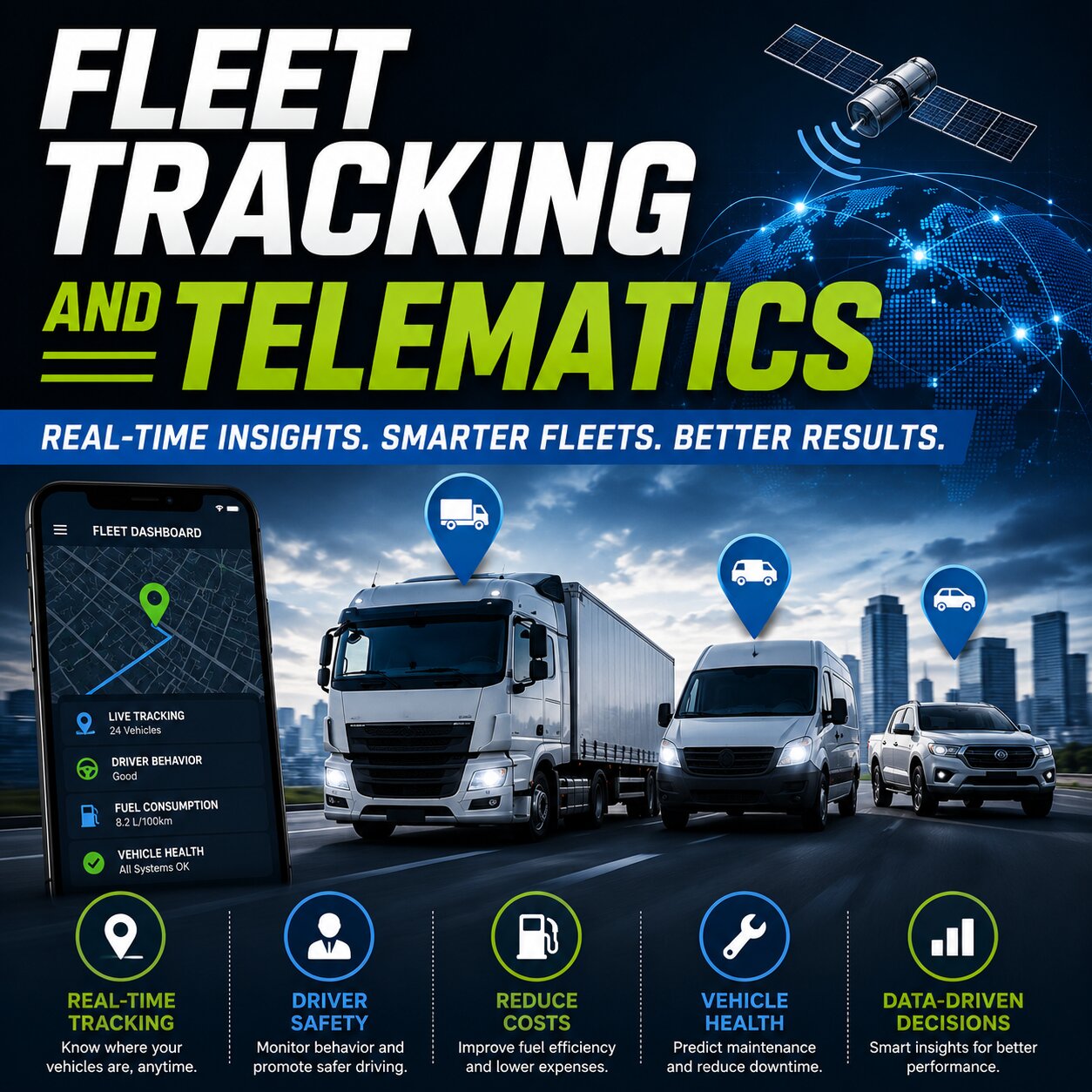
Modern transport and logistics industries rely heavily on data, efficiency, and real-time visibility. This is where fleet tracking and telematics systems have become essential tools for businesses managing commercial vehicles, delivery fleets, transport operations, and service vehicles.
Fleet tracking and telematics combine GPS technology, onboard diagnostics, sensors, and software platforms to monitor vehicle activity, driver behaviour, fuel usage, maintenance needs, and route performance. These technologies help organisations improve operational efficiency while reducing costs and enhancing safety.
As fleet management continues evolving, telematics systems are becoming increasingly important across industries ranging from logistics and construction to emergency services and public transportation.
What is fleet tracking and telematics?
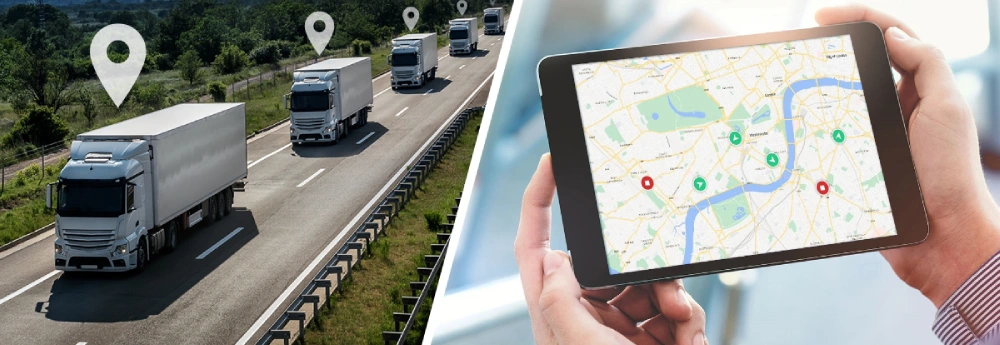
Fleet tracking refers to the use of GPS and connected technologies to monitor the real-time location and movement of vehicles within a fleet. Managers can view vehicle positions, routes, and travel history through digital platforms.
Telematics expands on this concept by collecting additional vehicle and driver data through integrated onboard systems. This can include:
- Fuel consumption
- Engine diagnostics
- Vehicle speed
- Driver behaviour
- Idle times
- Maintenance alerts
- Route efficiency
- Harsh braking or acceleration
- Vehicle health monitoring
Together, fleet tracking and telematics create a more intelligent and data-driven fleet management system.
How fleet tracking systems work
Most fleet tracking systems use GPS devices installed inside vehicles. These devices communicate with satellites and mobile networks to send location data back to a central software platform.
Fleet managers can then monitor vehicle activity in real time through desktop dashboards or mobile applications.
Many systems also integrate with vehicle onboard diagnostic systems to gather deeper operational insights beyond simple location tracking.
The benefits of fleet tracking and telematics
Businesses across multiple industries are investing in fleet tracking and telematics because of the significant operational advantages they provide.
Improved route efficiency
Real-time GPS tracking allows businesses to optimise routes, reduce unnecessary travel, and improve delivery schedules. This helps lower fuel usage while increasing productivity.
Reduced fuel costs
Fuel represents one of the largest expenses in fleet operations. Telematics systems can identify excessive idling, harsh driving habits, and inefficient routes that increase fuel consumption.
Managers can use this data to improve driver performance and reduce operating costs.
Enhanced driver safety
Driver behaviour monitoring helps organisations identify risky driving patterns such as speeding, harsh braking, or aggressive acceleration.
This information can support safety training programmes and reduce accident risks.
Predictive maintenance
Telematics systems can monitor engine health and vehicle diagnostics in real time. Maintenance alerts help businesses address issues before they become major breakdowns.
Predictive maintenance reduces downtime and extends vehicle lifespan.
Industries using fleet tracking and telematics
Fleet tracking and telematics systems are used across many sectors that rely on vehicle operations and transport management.
Logistics and freight
Transport and delivery companies use telematics to improve scheduling, monitor shipments, and optimise fuel efficiency.
Construction and heavy equipment
Construction firms use tracking systems to monitor fleet locations, equipment usage, and maintenance schedules.
Emergency services
Emergency response fleets benefit from real-time vehicle tracking to improve dispatch efficiency and response times.
Public transportation
Bus and transport operators use telematics to monitor routes, improve scheduling, and manage passenger transportation more efficiently.
The role of AI and automation in telematics
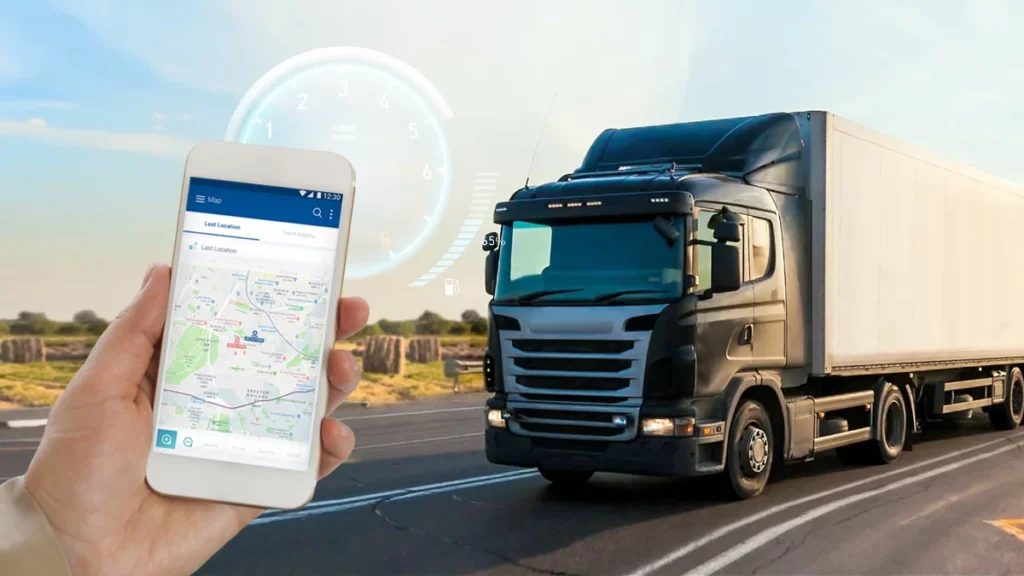
Modern fleet tracking and telematics systems increasingly use artificial intelligence and automation to analyse large volumes of operational data.
AI-powered systems can:
- Predict maintenance issues
- Analyse driving behaviour trends
- Optimise delivery routes automatically
- Improve fuel efficiency recommendations
- Detect unusual vehicle activity
- Support automated reporting
These technologies help businesses make faster and more informed operational decisions.
Challenges of implementing telematics systems
While fleet tracking and telematics offer many benefits, businesses may face challenges during implementation.
Initial setup costs
Installing hardware, software platforms, and communication systems can require significant upfront investment.
Data management
Telematics systems generate large amounts of operational data. Businesses need effective systems and trained personnel to interpret and manage this information properly.
Driver privacy concerns
Some drivers may feel uncomfortable with constant monitoring. Clear communication and transparent company policies are important when implementing tracking technologies.
The future of fleet tracking and telematics
The future of fleet tracking and telematics will likely involve greater connectivity, automation, and integration with smart infrastructure systems.
Emerging developments include:
- Electric vehicle fleet integration
- Autonomous vehicle monitoring
- Advanced AI analytics
- Smart city transport systems
- Real-time environmental reporting
- Enhanced cybersecurity features
As industries become more data-driven, telematics will continue playing a major role in sustainable and efficient transport operations.
Smarter fleets through connected technology
Fleet tracking and telematics are transforming the way businesses manage vehicles, drivers, and transport operations. By combining real-time monitoring with advanced data analytics, organisations can improve efficiency, reduce costs, enhance safety, and make smarter operational decisions. As technology continues evolving, connected fleet systems will become even more important for modern transportation and logistics industries.