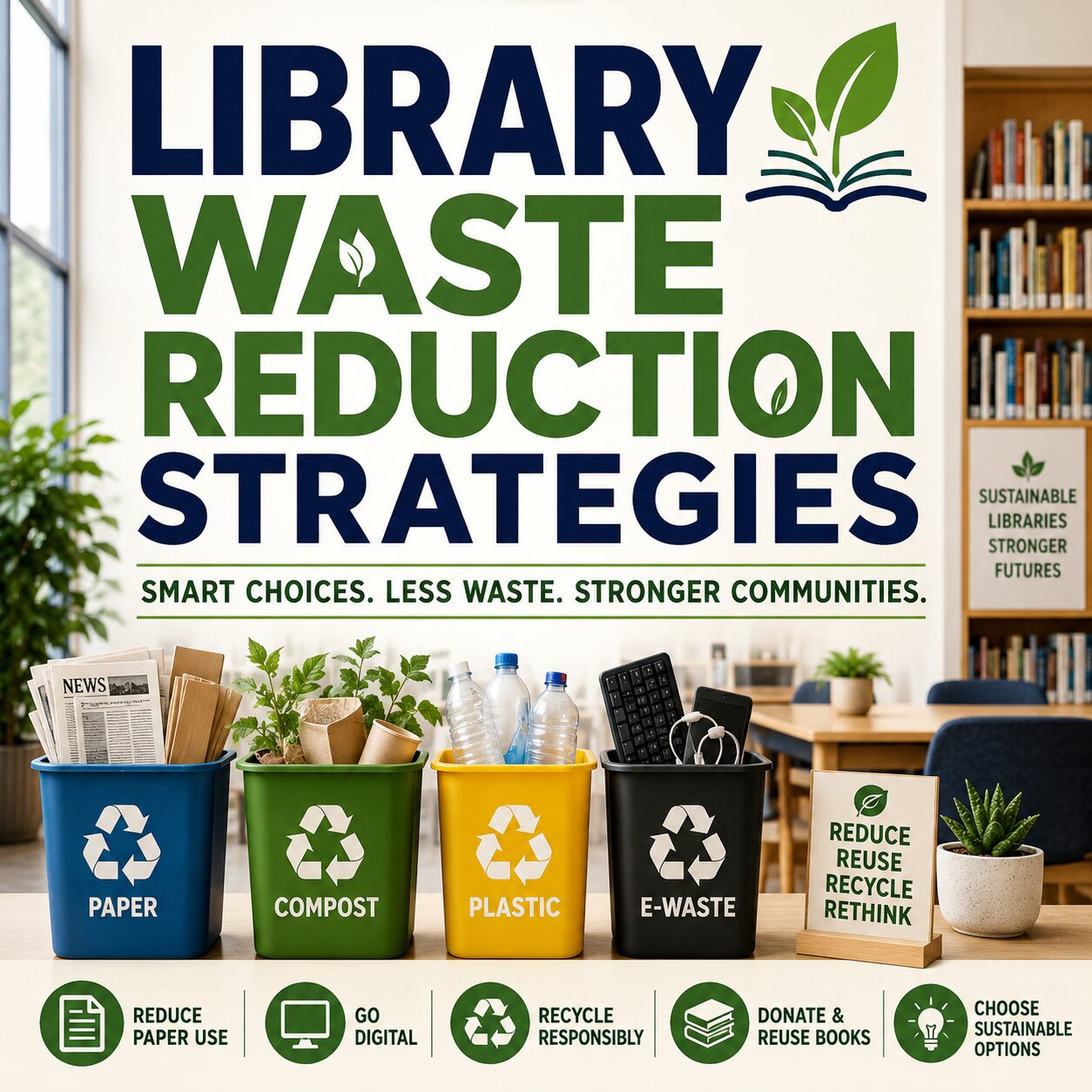
Libraries are evolving into smarter, greener, and more sustainable community spaces. While many people associate libraries primarily with books and digital learning, these facilities also generate various forms of waste through daily operations, maintenance, printing, packaging, events, and outdated materials. As environmental awareness grows, many organisations are now focusing on library waste reduction strategies to minimise environmental impact and improve operational efficiency.
Modern libraries are under increasing pressure to support sustainability goals while maintaining excellent public services. Waste reduction not only helps reduce disposal costs and environmental strain but also strengthens a library’s reputation as a responsible and forward-thinking institution. From recycling programmes and digital transformation to sustainable procurement and energy-efficient systems, libraries have numerous opportunities to reduce waste effectively.
Implementing practical library waste reduction strategies can create cleaner facilities, reduce operational expenses, and support broader environmental initiatives within communities and educational institutions.
Understanding the sources of waste in libraries

Effective library waste reduction begins with identifying where waste is generated. Many libraries produce more waste than people realise due to the wide range of services and activities they support each day.
Paper waste remains one of the largest contributors. Printing receipts, notices, forms, posters, event materials, and administrative documents can quickly accumulate, especially in larger facilities. Packaging waste from new book deliveries, equipment installations, and office supplies also contributes significantly to landfill accumulation.
Libraries may also generate electronic waste from outdated computers, printers, scanners, and digital infrastructure upgrades. Furniture replacement programmes, damaged shelving, worn carpeting, and outdated lighting systems can further increase waste levels during renovations or maintenance projects.
Public areas within libraries also contribute to general waste through food packaging, disposable coffee cups, plastic bottles, and event-related materials. Identifying these waste streams helps facilities managers develop more targeted and effective reduction strategies.
Digital transformation and paper waste reduction

One of the most effective library waste reduction methods involves reducing dependency on paper-based systems. Digital transformation has already changed how libraries operate, and many facilities are now expanding these efforts to improve sustainability.
Digital receipts, online membership systems, electronic notices, and app-based communication help reduce paper consumption significantly. Self-service kiosks and digital catalogues also minimise the need for printed directories and information sheets throughout the facility.
Libraries can further reduce paper waste by encouraging digital borrowing options such as eBooks, audiobooks, and online journals. While physical books remain essential, digital services help reduce demand for printed materials, storage space, and physical distribution processes.
Staff training also plays an important role in reducing unnecessary printing. Encouraging double-sided printing, document sharing through cloud systems, and digital workflow approvals can dramatically lower paper usage in administrative departments.
Sustainable recycling and reuse programmes

Recycling programmes remain a core component of successful library waste reduction initiatives. However, modern libraries are moving beyond basic recycling bins and implementing broader reuse strategies across their facilities.
Book donation programmes help prevent older books from ending up in landfills. Libraries can donate books to schools, charities, community organisations, or literacy programmes. Some facilities also host used book sales to generate funding while extending the life cycle of materials.
Furniture and equipment reuse programmes can also reduce waste during upgrades and renovations. Shelving units, desks, chairs, and older technology may still hold value for smaller organisations or educational institutions.
Libraries can also improve recycling efficiency by clearly labelling disposal stations for paper, plastics, electronics, and general waste. Public education campaigns within the library environment help encourage visitors to participate in sustainability efforts.
Practical library waste reduction strategies
There are many practical ways libraries can reduce waste while maintaining efficient and welcoming environments for visitors and staff.
- Switching to reusable event materials and signage
- Reducing single-use plastics in cafés and public areas
- Installing refillable water stations
- Choosing sustainable office and cleaning supplies
- Using energy-efficient lighting and smart systems
- Donating or repurposing outdated furniture
- Expanding digital communication systems
- Creating electronic archives for records and documents
- Implementing e-waste recycling programmes
Combining multiple strategies often produces the best long-term results. Small operational changes across different departments can collectively create a major reduction in overall waste production.
Building Greener Libraries for the Future
Library waste reduction is becoming an essential part of sustainable facilities management. As libraries continue evolving into modern community hubs, reducing waste helps support environmental goals while improving operational efficiency and public perception.
Through digital transformation, recycling initiatives, sustainable procurement, and smarter facility operations, libraries can significantly reduce their environmental footprint without sacrificing service quality. These efforts not only benefit the facility itself but also encourage visitors and communities to adopt more sustainable habits.
As sustainability becomes increasingly important across public infrastructure, libraries have a unique opportunity to lead by example. By embracing effective library waste reduction strategies, these facilities can continue serving communities while helping protect the environment for future generations.