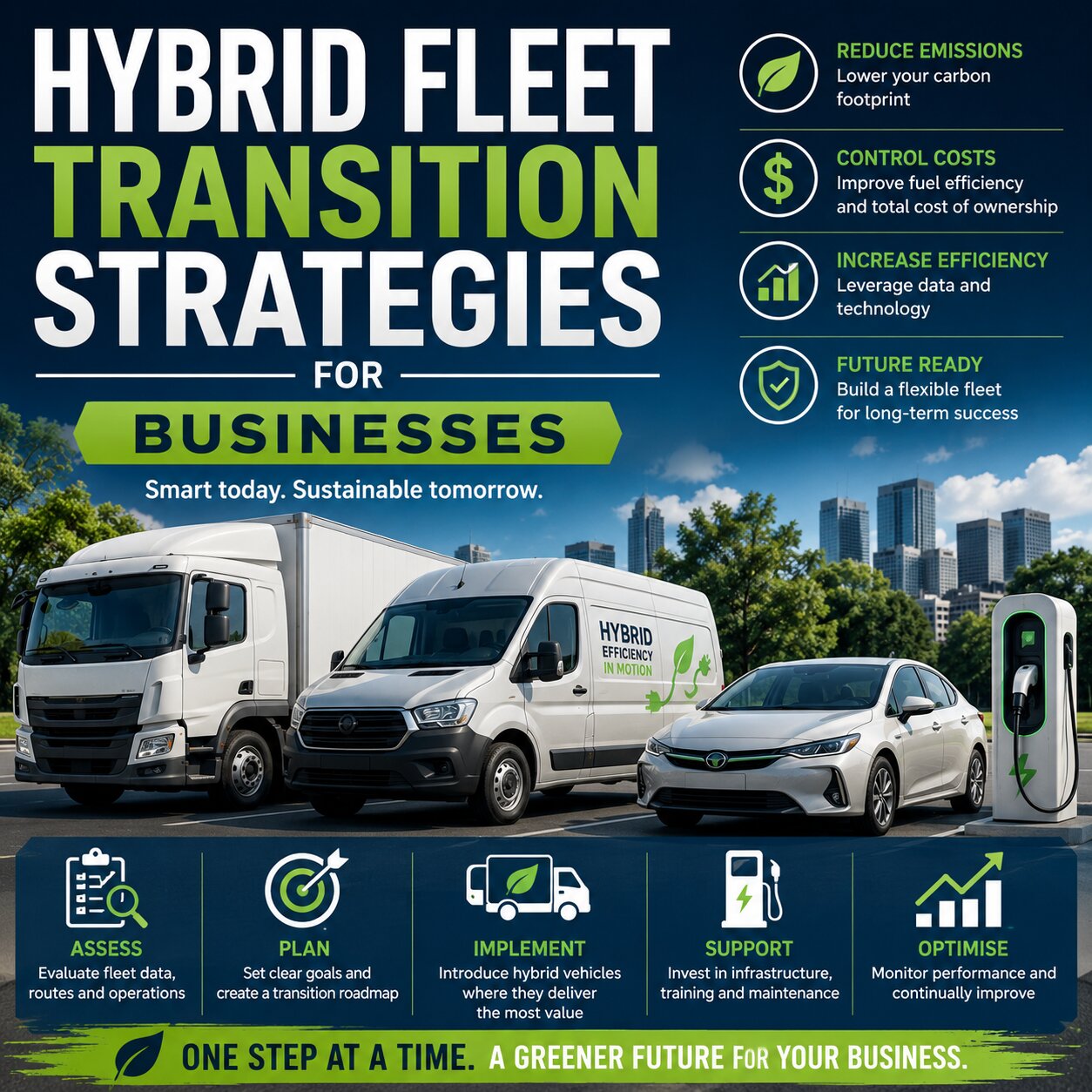
Businesses across multiple industries are beginning to rethink how their fleets operate as fuel prices, environmental regulations, and sustainability targets continue to evolve. While fully electric fleets attract significant attention, many organisations are discovering that hybrid fleet transition strategies offer a more practical and financially manageable pathway toward long-term sustainability.
Hybrid fleets combine traditional internal combustion vehicles with electric or partially electrified alternatives. This allows businesses to reduce emissions, improve fuel efficiency, and modernise operations without completely replacing existing assets overnight. For many companies, especially those operating large transport or logistics networks, hybrid transition models provide flexibility while reducing operational risk.
The transition toward hybrid fleets is not simply about purchasing new vehicles. It involves infrastructure planning, route analysis, maintenance adjustments, staff training, energy management, and long-term operational forecasting. Businesses that approach the transition strategically often achieve stronger financial and sustainability outcomes.
As governments and industries increasingly prioritise greener transport systems, hybrid fleet transition strategies are becoming an essential part of modern business planning.
Why Businesses Are Choosing Hybrid Fleet Strategies
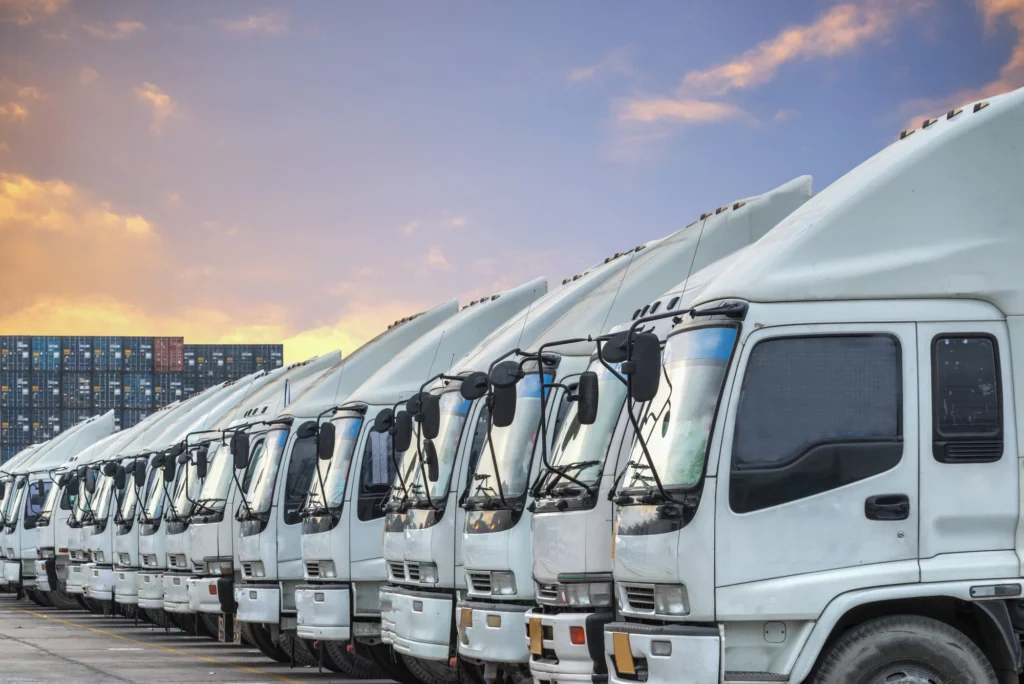
One of the main reasons businesses adopt hybrid fleet transition strategies is cost control. Fully replacing an entire fleet with electric vehicles can require enormous upfront investment, particularly for companies operating heavy commercial vehicles, delivery vans, or specialised transport equipment.
Hybrid systems allow organisations to spread costs over several years while gradually modernising their fleets. Businesses can continue using reliable combustion vehicles where necessary while introducing hybrid or electric vehicles into areas where they deliver the greatest efficiency improvements.
Operational flexibility is another major advantage. Some industries still face infrastructure limitations, especially regarding charging networks and charging times. Hybrid fleet models reduce dependency on full electrification while allowing companies to adapt gradually as infrastructure improves.
Businesses also benefit from improved sustainability reporting. Many organisations now face pressure from clients, investors, and regulators to reduce carbon emissions. Hybrid fleet transition strategies allow companies to demonstrate measurable environmental progress without disrupting core operations.
Planning a Successful Hybrid Fleet Transition
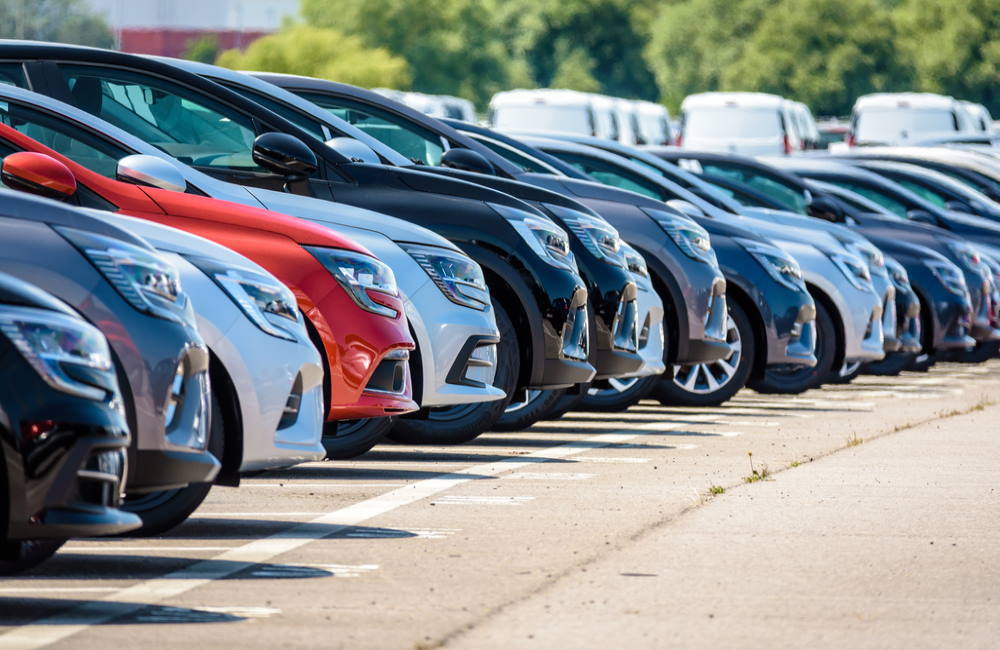
Effective hybrid fleet transition strategies begin with careful analysis rather than immediate vehicle purchases. Businesses need to understand how their fleets currently operate before determining which hybrid technologies make the most sense.
Fleet managers often begin by analysing:
- Daily travel distances
- Fuel consumption patterns
- Vehicle downtime
- Maintenance costs
- Route efficiency
- Urban versus long-distance usage
- Charging infrastructure availability
- Driver behaviour and performance
This data helps organisations identify where hybrid vehicles can provide the greatest benefits. For example, urban delivery routes with frequent stop-start driving often gain substantial fuel savings from hybrid systems, while long-haul operations may require a slower transition timeline.
Infrastructure planning is equally important. Businesses may need to install charging stations, upgrade electrical systems, or redesign depots to support future hybrid and electric operations. Early planning reduces future operational disruptions and unexpected costs.
Training programmes also play a major role in successful implementation. Drivers, technicians, and fleet managers must understand how hybrid systems operate, how to maximise efficiency, and how maintenance requirements may differ from traditional vehicles.
Technology Driving Modern Hybrid Fleets
Modern hybrid fleet transition strategies are supported by rapidly advancing technology. Telematics systems now provide detailed insights into fuel usage, battery performance, route optimisation, and driver efficiency. This data allows businesses to make smarter operational decisions throughout the transition process.
Artificial intelligence and predictive analytics are becoming increasingly valuable in fleet management. These systems can forecast maintenance requirements, optimise charging schedules, and identify opportunities to reduce energy consumption across entire vehicle networks.
Regenerative braking technology also improves efficiency in hybrid vehicles, especially in urban environments with frequent braking and acceleration. Combined with advanced energy management systems, these technologies significantly reduce fuel consumption compared to traditional fleets.
Some businesses are also integrating renewable energy solutions into their fleet operations. Solar-powered charging stations and smart energy storage systems help reduce dependence on traditional energy grids while improving long-term sustainability performance.
Challenges Businesses Must Prepare For
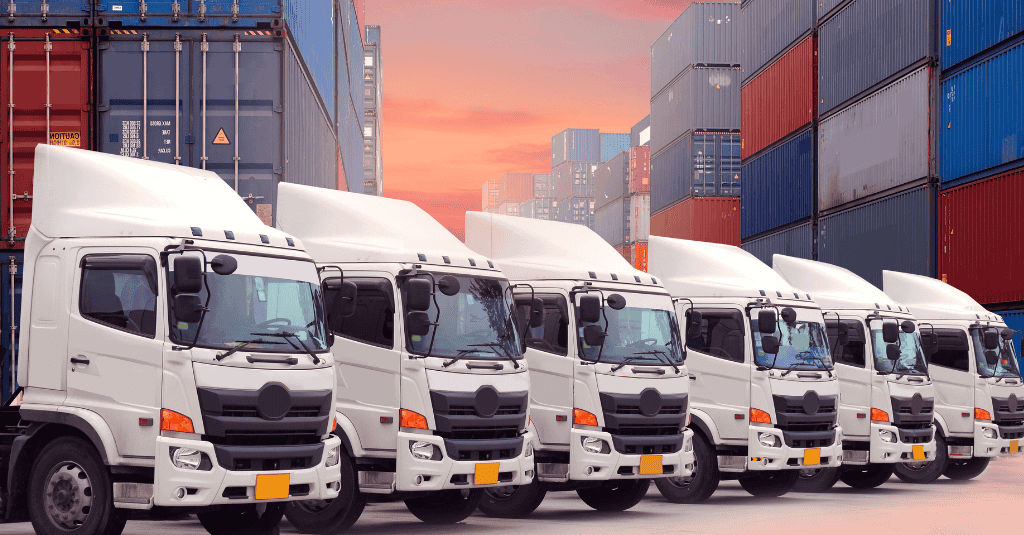
Although hybrid fleet transition strategies offer many advantages, businesses must still prepare for several challenges during implementation. Initial investment costs remain one of the largest barriers, particularly for smaller organisations with limited capital.
Vehicle availability and supply chain delays may also affect transition timelines. Demand for hybrid and electric commercial vehicles continues to grow globally, sometimes creating long waiting periods for specialised fleet equipment.
Maintenance and servicing requirements may evolve as well. Businesses often need technicians with new technical skills to manage hybrid powertrains, battery systems, and advanced electronics safely and effectively.
Long-term planning is therefore essential. Companies that view hybrid fleet transitions as gradual operational transformations rather than short-term purchases often achieve better results and avoid unnecessary disruptions.
Driving Toward a Smarter Future
Hybrid fleet transition strategies are helping businesses bridge the gap between traditional transport systems and the fully sustainable fleets of the future. Rather than forcing organisations into sudden and costly change, hybrid models allow businesses to modernise steadily while maintaining operational reliability.
As technology improves and sustainability expectations continue to rise, hybrid fleet systems will likely become a standard part of business transport planning across many industries. Companies that begin preparing now may position themselves more competitively for future environmental regulations and operational demands.
For modern businesses, the transition is no longer simply about replacing vehicles. It is about building smarter, cleaner, and more efficient transport ecosystems capable of supporting long-term growth in a rapidly changing world.