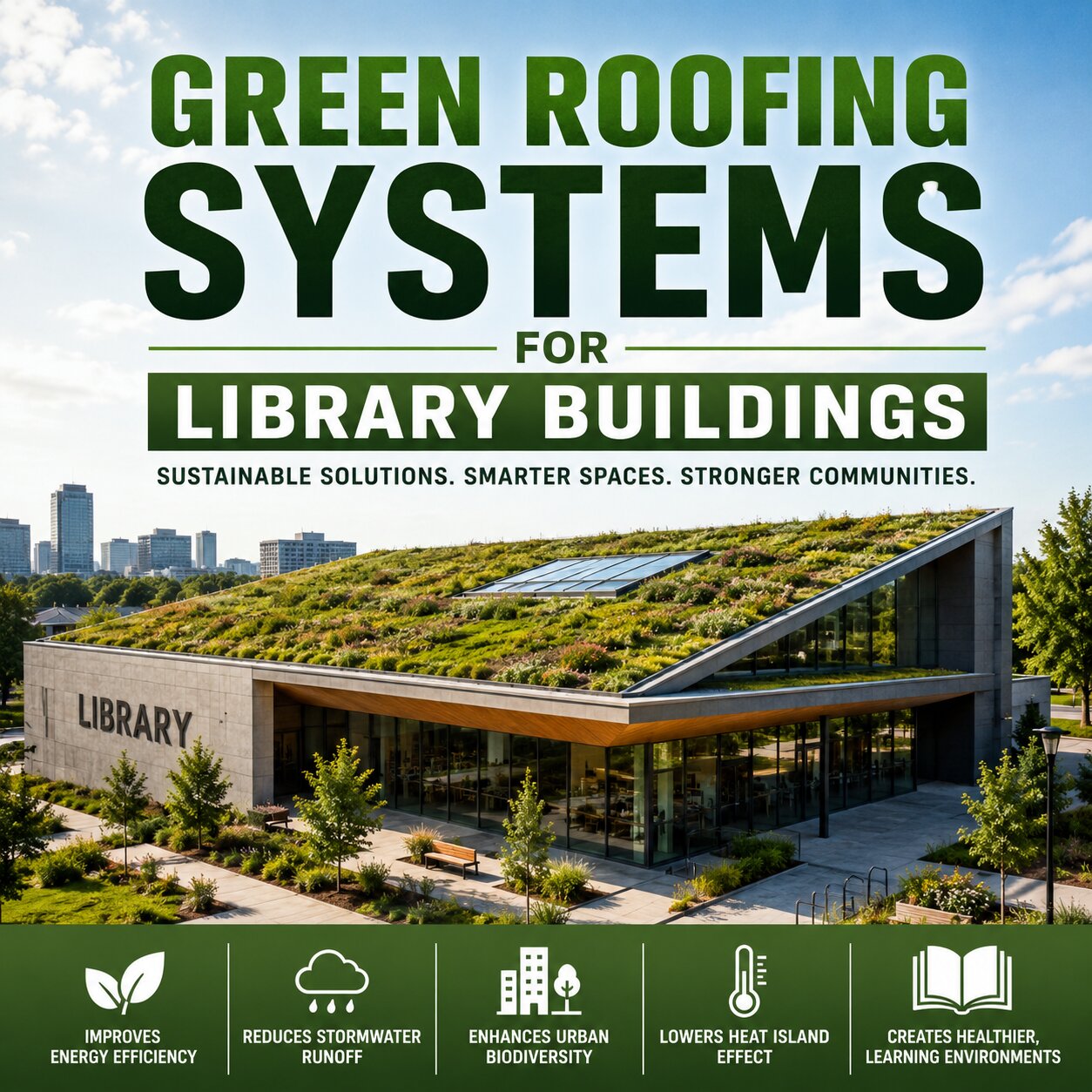
Modern libraries are evolving into more than just spaces for books and study. Across the world, libraries are becoming symbols of sustainability, innovation, and environmentally conscious architecture. One of the most exciting developments in this movement is the use of green roofing systems for library buildings. These living roof structures combine vegetation, waterproofing systems, and eco-friendly engineering to create healthier and more sustainable public spaces.
As cities continue expanding and climate challenges increase, green roofing systems offer libraries an opportunity to reduce environmental impact while improving energy efficiency and visitor comfort. Beyond sustainability benefits, these rooftop ecosystems can also become educational and visual attractions that strengthen a library’s connection with the surrounding community.
For libraries seeking long-term environmental solutions, green roofing systems represent an important investment in both sustainability and public engagement.
What are green roofing systems?
Green roofing systems are specially designed roof structures partially or completely covered with vegetation and engineered growing systems. These installations include waterproof membranes, drainage layers, soil mediums, and carefully selected plants capable of surviving rooftop conditions.
For library buildings, green roofing systems provide multiple practical and environmental benefits. Vegetation naturally absorbs sunlight and reduces heat transfer into the building, lowering cooling demands during warmer seasons. This can significantly improve energy efficiency in larger library facilities with high operational costs.
Green roofs also assist with stormwater management. Instead of rainwater immediately flowing into urban drainage systems, vegetation absorbs and slows runoff, reducing pressure on city infrastructure. This becomes especially important in urban environments prone to flooding or water management challenges.
Another advantage is improved air quality. Plants on green roofing systems help filter pollutants and capture dust particles, creating healthier environments around library buildings. Combined with noise reduction properties, these roofs contribute to more comfortable public spaces both inside and outside the facility.
Environmental and energy-saving benefits
One of the biggest reasons libraries are adopting green roofing systems is their ability to support sustainability goals while reducing long-term operational expenses. Libraries often operate as community hubs with large buildings that require significant heating and cooling resources throughout the year.
Green roofing systems act as natural insulation layers. During summer, vegetation absorbs heat that would otherwise penetrate traditional roofing materials. In winter, the additional layers help retain warmth inside the building. This reduces reliance on HVAC systems and lowers overall energy consumption.
The environmental impact extends beyond energy efficiency. Green roofs support urban biodiversity by creating habitats for birds, insects, and pollinators. In densely built city environments where natural green spaces may be limited, library rooftops can become small but important ecological zones.
Libraries with visible sustainability initiatives also encourage environmental awareness within communities. Visitors see green roofing systems as practical examples of sustainable infrastructure in action. This can inspire schools, businesses, and homeowners to explore similar environmentally friendly solutions.
Design considerations for library buildings
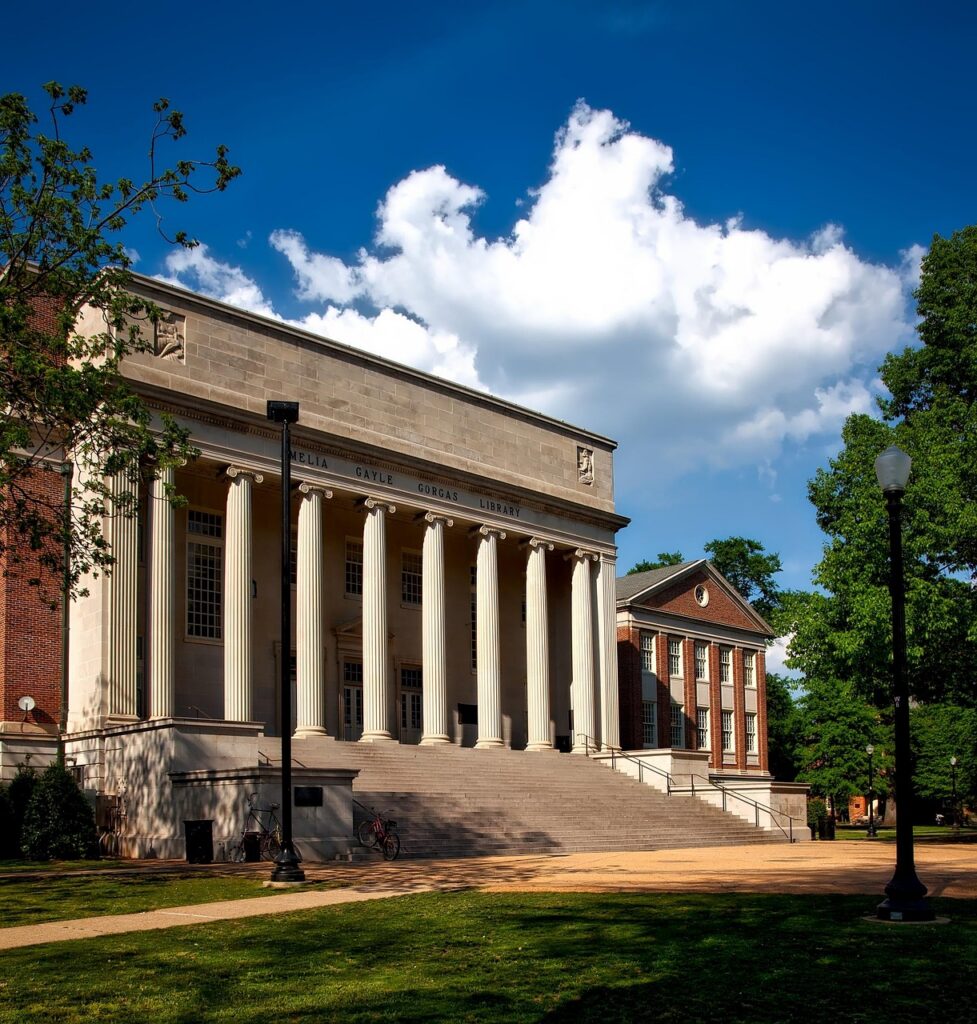
Implementing green roofing systems for library buildings requires careful planning and structural evaluation. Not every roof is immediately suitable for vegetation without engineering modifications or reinforcement.
Key design considerations include:
- Structural load capacity for soil, vegetation, and water retention
- Waterproofing and drainage systems
- Plant selection suited to local climate conditions
- Maintenance accessibility and safety
- Irrigation requirements
- Integration with solar panels or renewable systems
- Public access or rooftop garden possibilities
Plant selection is particularly important. Many libraries choose low-maintenance vegetation such as sedum, grasses, mosses, or drought-resistant native plants. These species require less water and upkeep while still delivering environmental benefits.
Some larger libraries also incorporate rooftop reading gardens, outdoor learning spaces, or community event areas into their green roofing systems. This transforms unused roof areas into functional extensions of the library experience.
Proper drainage and waterproofing remain critical. Poor installation can lead to leaks, structural issues, or expensive repairs. Working with experienced green roofing specialists ensures long-term durability and performance.
Supporting modern sustainable architecture
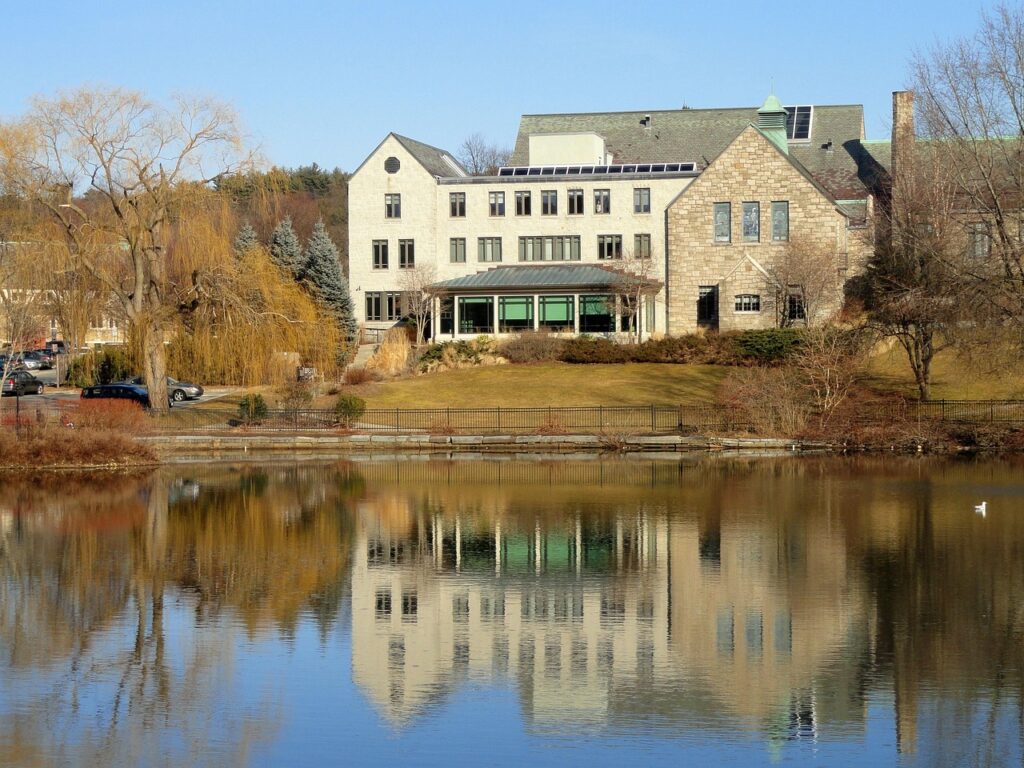
Green roofing systems align perfectly with the growing global emphasis on sustainable public architecture. Libraries increasingly serve as flagship community buildings showcasing environmentally responsible design and innovative technologies.
Many modern library projects combine green roofs with solar energy systems, rainwater harvesting, smart lighting controls, and sustainable building materials. Together, these technologies create highly efficient facilities that reduce environmental impact while lowering operational costs over time.
Green roofing systems also improve the visual appeal of library buildings. Instead of flat concrete rooftops, visitors see living landscapes that soften urban architecture and create more welcoming public spaces. In some cases, rooftop gardens become local landmarks or tourism attractions.
For municipalities and educational institutions, these projects demonstrate commitment to sustainability goals and climate-conscious infrastructure planning. Libraries often become ideal candidates for these investments because of their educational role within society.
Building greener community spaces
Green roofing systems for library buildings represent more than just an architectural trend. They symbolise a broader shift toward smarter, healthier, and more sustainable public infrastructure. By combining environmental responsibility with practical functionality, these systems help libraries reduce energy use, improve urban ecosystems, and create more engaging spaces for visitors.
As sustainable architecture continues evolving, green roofs will likely become increasingly common in libraries around the world. Their ability to combine beauty, efficiency, education, and environmental protection makes them a valuable investment for future-focused communities.