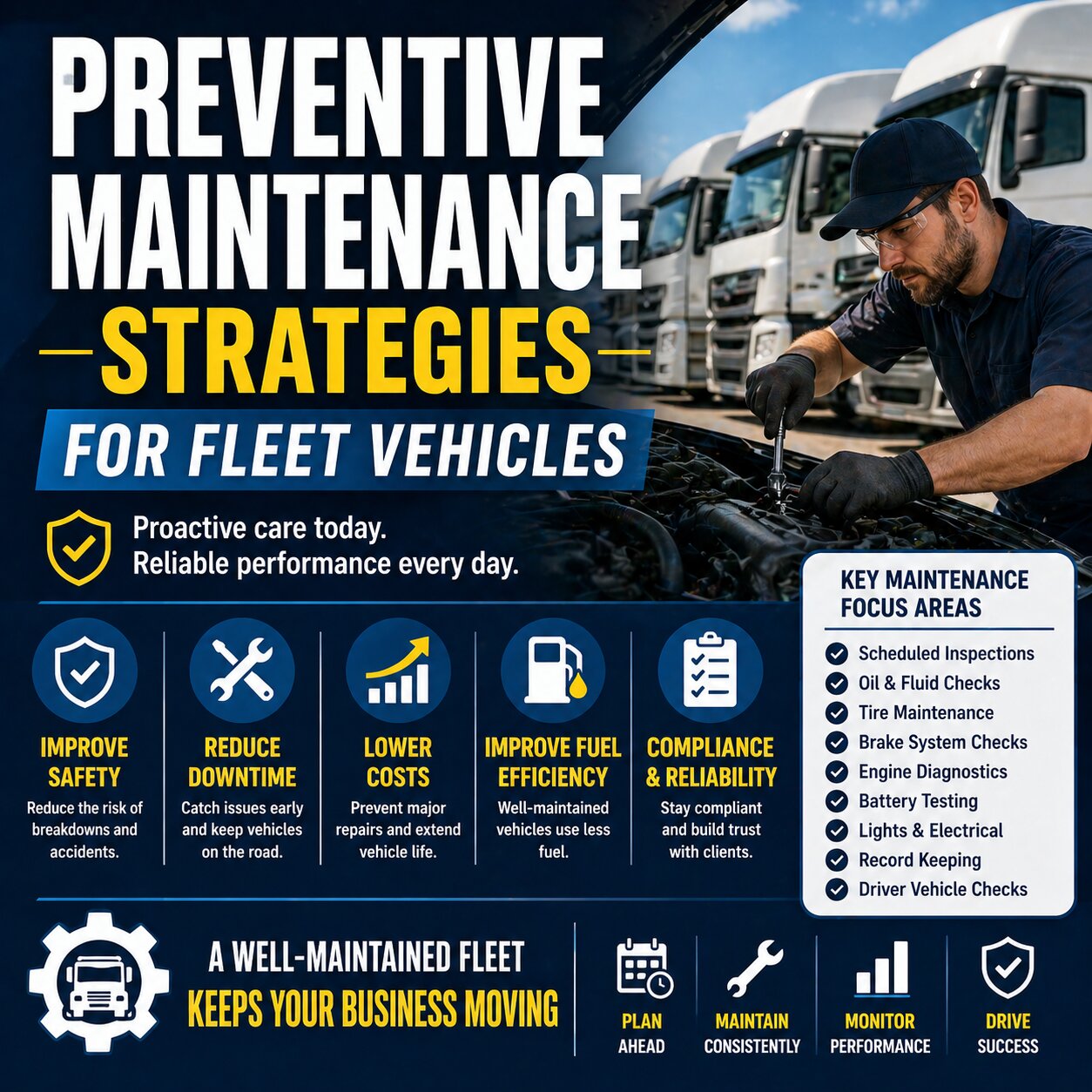
Fleet vehicles are essential for many industries, including logistics, transport, construction, emergency services, and field operations. Keeping these vehicles in reliable working condition is critical for business continuity, safety, and operational efficiency. Preventive maintenance strategies for fleet vehicles help businesses reduce breakdowns, extend vehicle lifespan, improve fuel efficiency, and minimise expensive repair costs.
Waiting for fleet vehicles to fail before addressing issues often leads to costly downtime and disrupted operations. Preventive maintenance focuses on identifying and resolving problems early before they become major mechanical failures. This proactive approach helps businesses maintain consistent fleet performance while improving long-term reliability.
Why preventive maintenance matters for fleet vehicles
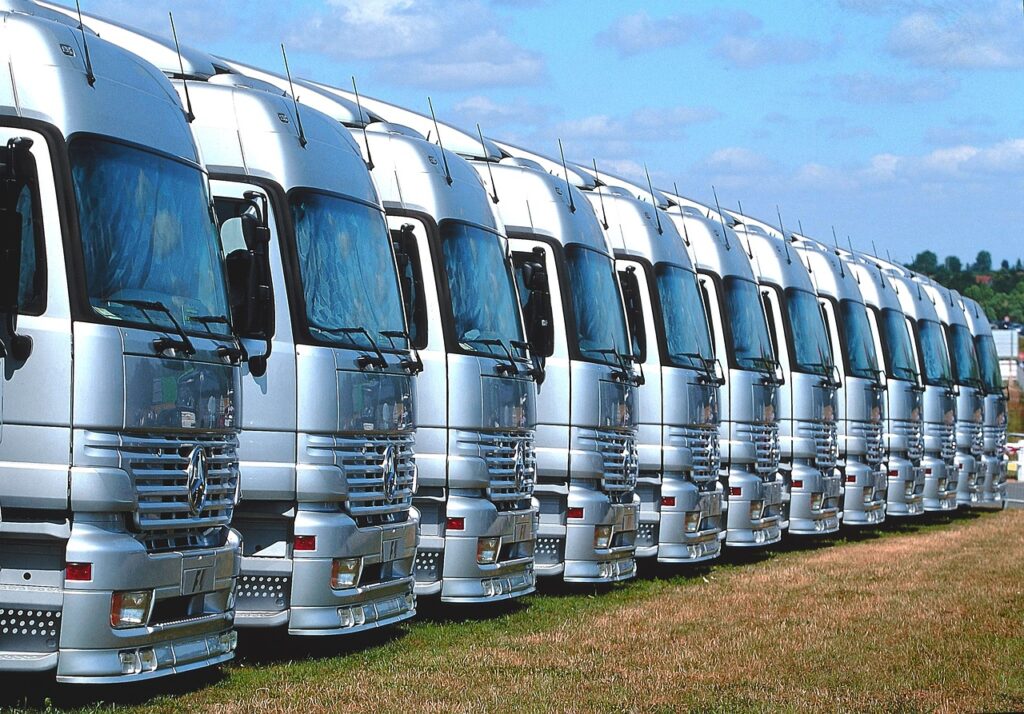
Fleet vehicles often operate under demanding conditions with high mileage, heavy loads, and constant daily use. Over time, normal wear and tear can affect engines, brakes, tyres, suspension systems, batteries, and other critical components.
Preventive maintenance strategies for fleet vehicles help identify these issues before they escalate into serious mechanical problems. Regular inspections and servicing reduce the risk of sudden breakdowns that could leave vehicles stranded or disrupt delivery schedules.
Safety is another major reason preventive maintenance is so important. Poorly maintained fleet vehicles can create dangerous driving conditions for operators and other road users. Brake failures, tyre blowouts, steering issues, and engine problems may lead to accidents if left unresolved.
Well-maintained fleet vehicles also improve fuel efficiency and reduce operational costs. Vehicles with properly maintained engines, tyres, and fluid systems usually perform more efficiently than neglected vehicles.
Businesses that implement strong maintenance programmes often experience improved productivity because vehicles spend less time out of service for emergency repairs.
Core preventive maintenance strategies for fleet vehicles
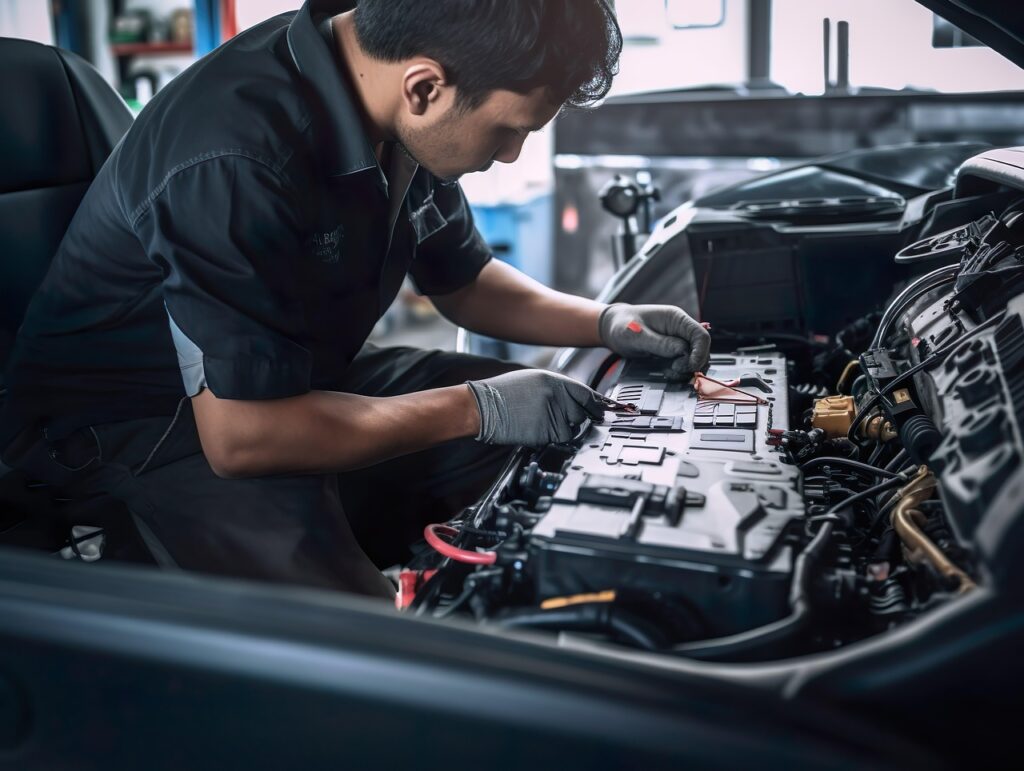
Successful preventive maintenance strategies for fleet vehicles rely on consistency, planning, and accurate recordkeeping. Fleet managers must monitor vehicle performance regularly while scheduling maintenance based on mileage, operating hours, and manufacturer recommendations.
Routine inspections help technicians identify small issues before they become major repairs. These inspections should include brakes, tyres, lights, batteries, fluid levels, suspension systems, belts, and engine performance.
Oil changes remain one of the most important preventive maintenance tasks because clean oil helps protect engines from excessive wear and overheating. Neglecting oil changes can significantly shorten engine lifespan.
Key preventive maintenance strategies for fleet vehicles include:
- Scheduled servicing based on mileage or operating hours
- Routine tyre inspections and pressure checks
- Brake system inspections and maintenance
- Engine diagnostics and performance monitoring
- Battery testing and replacement planning
- Fluid checks for oil, coolant, transmission, and brakes
- Suspension and steering inspections
- Preventive replacement of worn belts and hoses
- Fleet tracking and maintenance record management
- Driver reporting systems for early issue detection
Combining these strategies helps businesses reduce unexpected vehicle failures while improving long-term fleet reliability.
The role of technology in fleet maintenance

Modern technology is playing a major role in preventive maintenance strategies for fleet vehicles. Many businesses now use telematics systems and fleet management software to monitor vehicle health in real time.
These systems can track mileage, fuel consumption, engine diagnostics, driver behaviour, and maintenance schedules automatically. Alerts can notify fleet managers when servicing is due or when potential mechanical issues are detected.
Predictive maintenance is also becoming more common. Instead of relying only on fixed maintenance schedules, predictive systems analyse vehicle data to identify patterns that may indicate future failures.
GPS tracking and connected vehicle technology also help businesses optimise routes and reduce unnecessary vehicle strain, further supporting preventive maintenance efforts.
As fleet operations become more advanced, technology will continue helping businesses improve maintenance efficiency and reduce operational risks.
Keeping Fleet Operations Running Smoothly
Preventive maintenance strategies for fleet vehicles are essential for businesses that rely on transportation and mobile operations. A proactive maintenance approach helps reduce downtime, improve safety, extend vehicle lifespan, and lower long-term operational costs.
Fleet maintenance is not simply about fixing problems. It is about preventing them before they disrupt business activities. Regular inspections, scheduled servicing, accurate recordkeeping, and modern monitoring technology all contribute to healthier and more reliable fleet operations.
As businesses continue depending on vehicle fleets to support daily operations, preventive maintenance will remain one of the most valuable investments for long-term operational success.