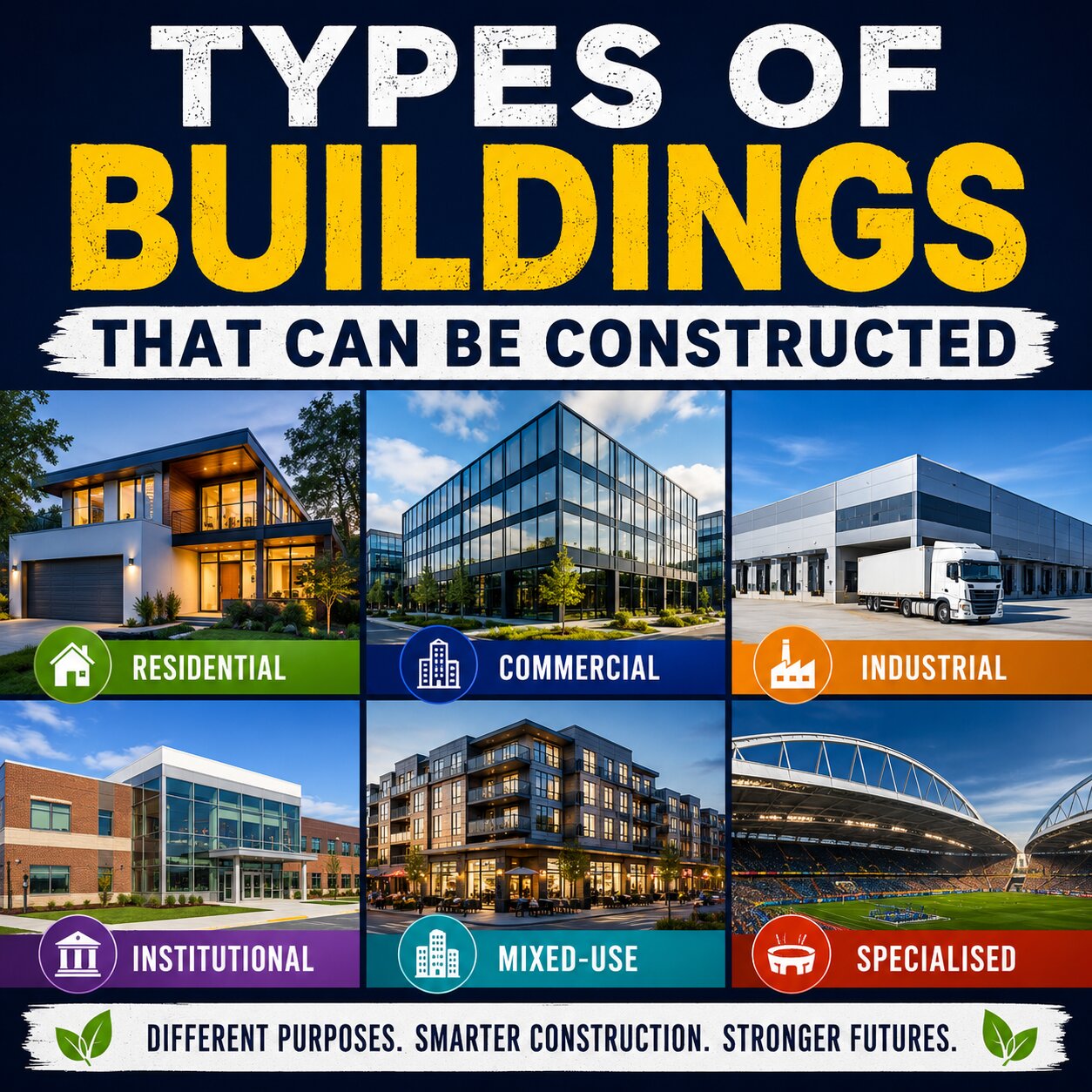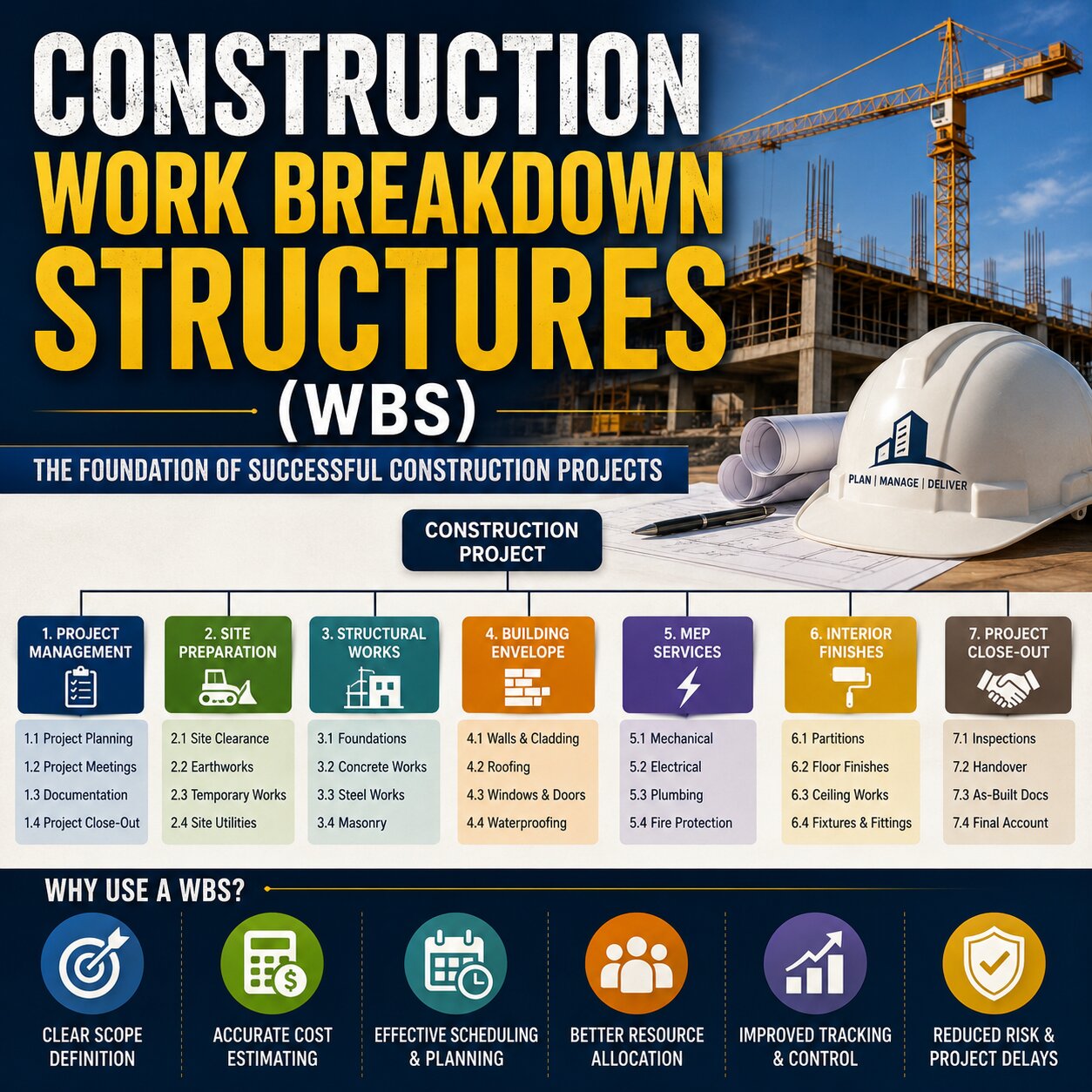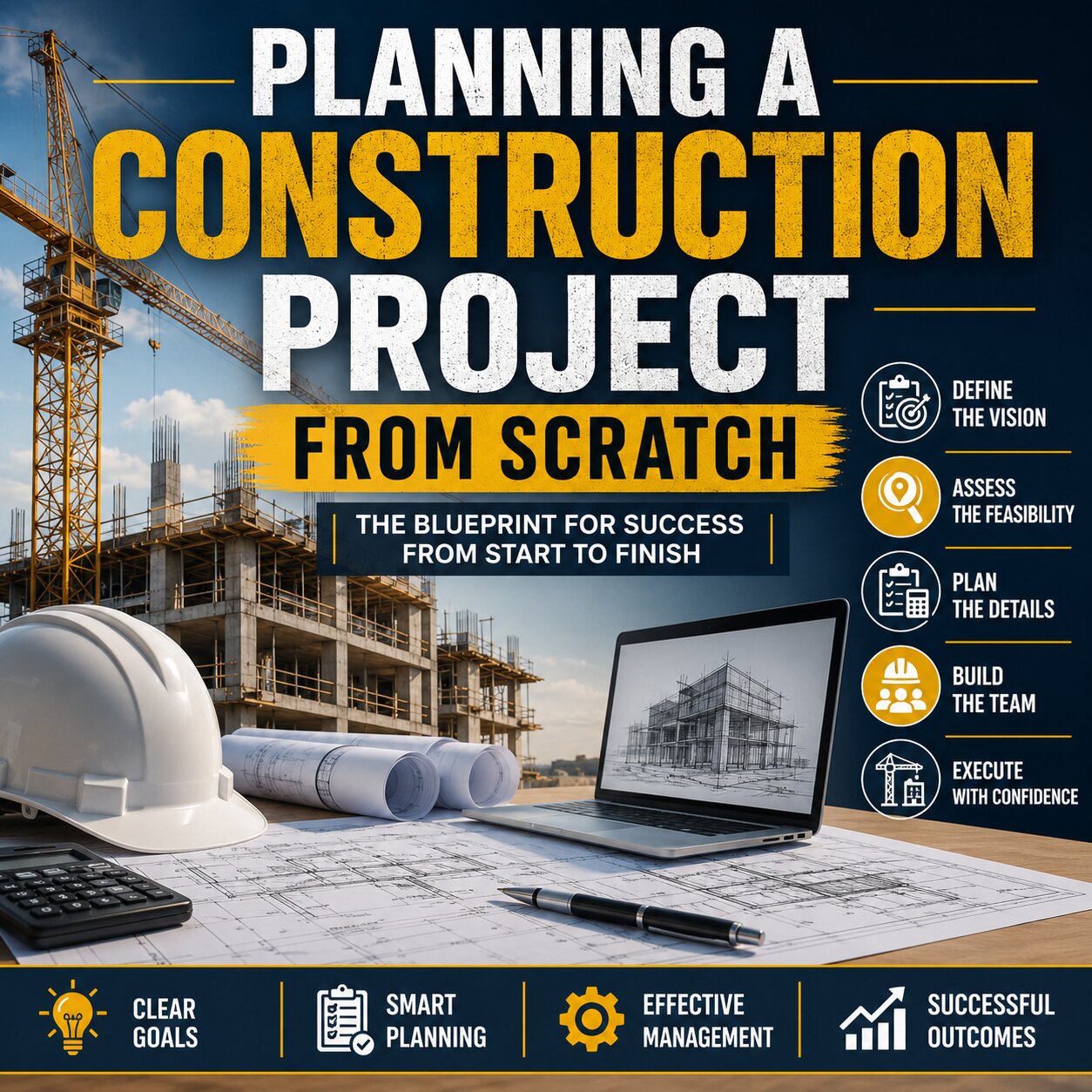
Planning a construction project from scratch is one of the most important stages in the entire development process. Whether you are building a residential property, commercial facility, industrial plant, or public infrastructure, proper planning helps reduce risks, control costs, and improve project outcomes.
Many construction challenges can be traced back to poor planning during the early stages. Delays, budget overruns, regulatory issues, and resource shortages often occur when projects begin without a clear roadmap.
By taking a structured approach to planning a construction project from scratch, developers, investors, contractors, and project managers can create a strong foundation for successful delivery.
Defining the Project Vision and Objectives

Every successful construction project begins with a clear understanding of what needs to be achieved. Before any design work starts, stakeholders should establish the project’s purpose, scope, and desired outcomes.
This stage involves identifying the intended use of the facility, target users, operational requirements, and long-term goals. A clear vision helps guide decision-making throughout the project lifecycle.
Stakeholders should also determine budget expectations, timelines, and performance requirements. These factors influence every aspect of the project moving forward.
The more detailed the initial objectives are, the easier it becomes to manage the project effectively.
Conducting Feasibility and Site Assessments
Before committing significant resources, it is essential to determine whether the project is viable. Feasibility studies help identify potential risks, opportunities, and constraints.
Site assessments evaluate factors such as soil conditions, topography, environmental concerns, utility availability, accessibility, and zoning requirements. These investigations help prevent costly surprises during construction.
Financial feasibility is equally important. Developers should assess projected costs, funding options, expected returns, and market demand.
By thoroughly evaluating feasibility early in the process, stakeholders can make informed decisions and reduce project uncertainty.
Key Planning Elements for Construction Success
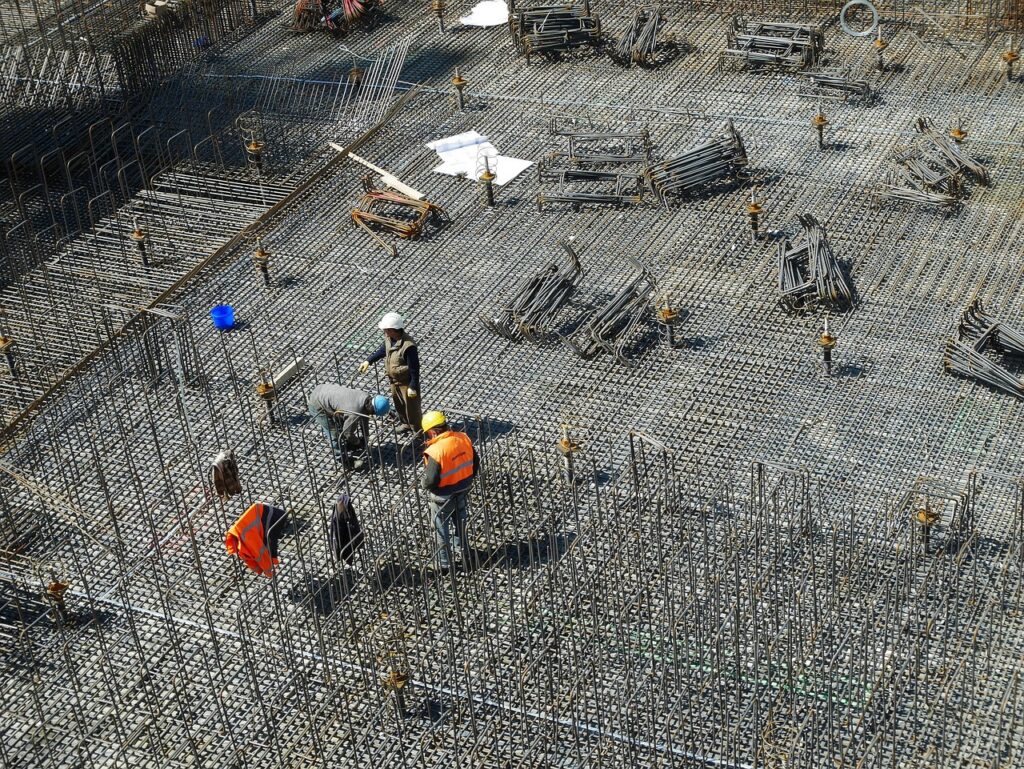
A successful construction project requires careful coordination of multiple planning activities:
- Project scope definition.
- Budget development and cost estimation.
- Site selection and assessment.
- Design and engineering planning.
- Regulatory approvals and permits.
- Procurement strategies.
- Contractor selection.
- Risk management planning.
- Resource allocation.
- Project scheduling and milestones.
Each of these elements contributes to the overall success and efficiency of the project.
Developing the Design and Construction Strategy
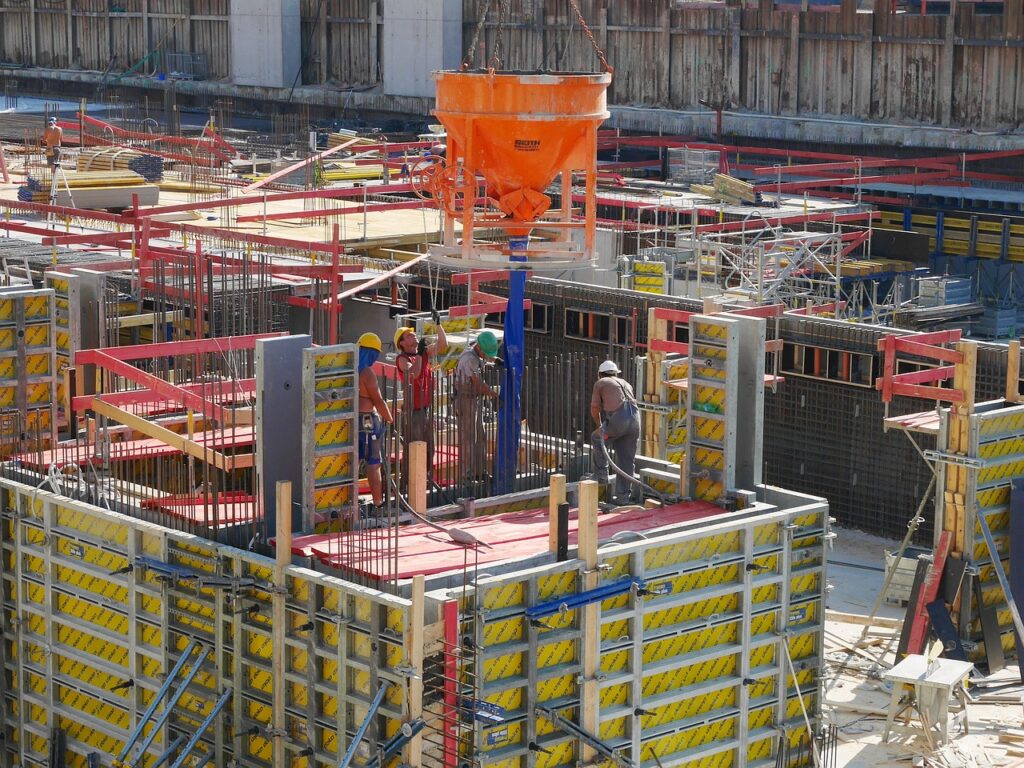
Once feasibility has been confirmed, the design phase can begin. Architects, engineers, and consultants collaborate to develop plans that meet project requirements while complying with regulations and industry standards.
Design development should consider functionality, safety, sustainability, maintenance requirements, and future growth opportunities. Early collaboration between design and construction teams can help identify potential issues before work begins.
The construction strategy should outline procurement methods, project delivery models, sequencing of activities, and resource requirements.
Detailed planning at this stage helps minimise disruptions and improves project coordination during construction.
Building a Strong Foundation for Success
Planning a construction project from scratch involves far more than creating drawings and securing funding. It requires strategic thinking, detailed assessments, stakeholder collaboration, and careful coordination of resources.
Projects that invest sufficient time and effort into planning are often better equipped to manage risks, control costs, maintain schedules, and achieve their objectives. By establishing a clear vision, conducting thorough feasibility studies, and developing a comprehensive construction strategy, stakeholders can significantly improve their chances of project success.
Strong planning creates the foundation upon which every successful construction project is built.