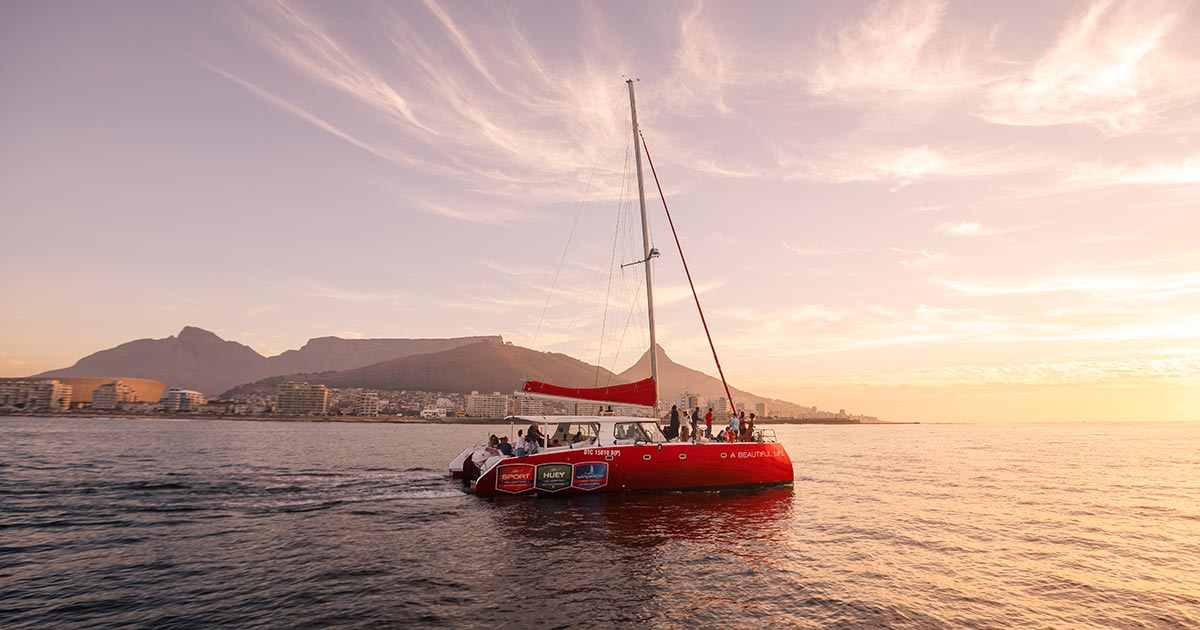
From daily commutes to tourism, ferries are a vital part of many waterfront cities worldwide. Now, with the global shift toward clean energy, electric ferries are emerging as a sustainable solution for water transport. For Cape Town, with its busy harbour and thriving V&A Waterfront, adopting electric ferry systems could reduce emissions, boost eco-tourism, and set an example for other African cities.
How electric ferries work
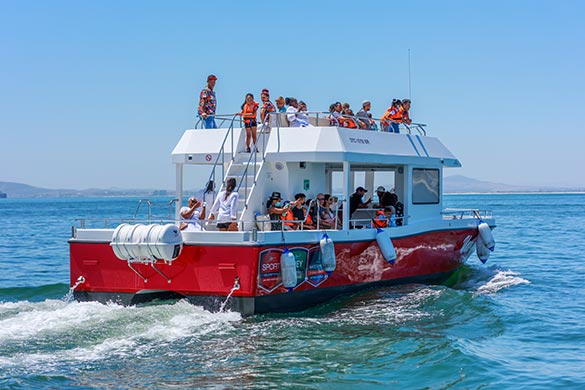
Electric ferries replace diesel engines with powerful battery systems that can be recharged using onshore power supplies. Some designs also integrate renewable energy sources, such as solar or wind, for additional sustainability. Advances in battery capacity mean modern electric ferries can now travel longer distances and carry large numbers of passengers with zero emissions.
Benefits for Cape Town
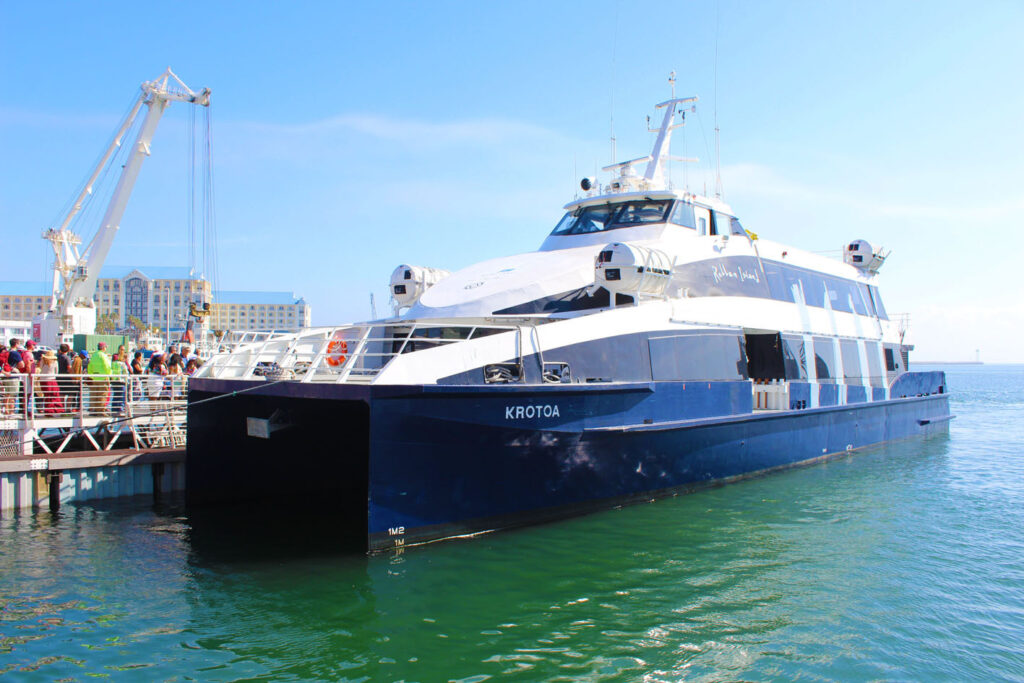
Introducing electric ferries to Cape Town’s waterfront could offer significant advantages:
- Cleaner air and water: Eliminating diesel exhaust reduces air and marine pollution.
- Tourism appeal: Eco-conscious travellers are drawn to green transport options.
- Reduced noise: Quieter engines create a more peaceful harbour environment.
- Integration with renewables: Charging stations powered by solar or wind could make the system carbon-neutral.
- Cost savings over time: Lower fuel and maintenance costs compared to diesel ferries.
Challenges to overcome
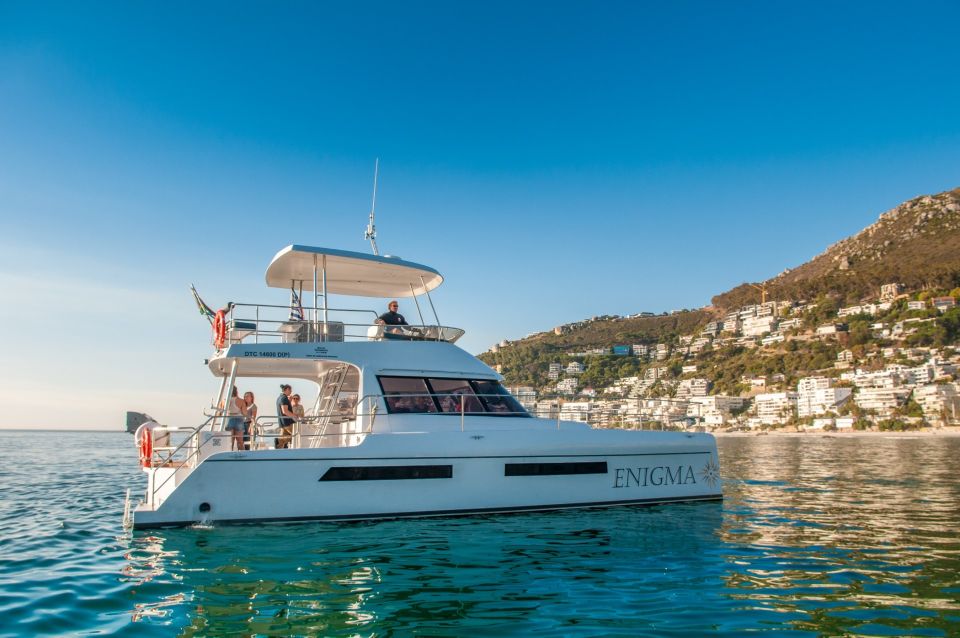
While promising, the transition to electric ferries has hurdles:
- High upfront costs: Batteries and charging infrastructure require major investment.
- Range limitations: Long-haul routes may still need hybrid solutions until battery technology advances further.
- Infrastructure needs: Ports must be upgraded with charging facilities to support operations.
- Energy stability: Reliable renewable energy supply is crucial for sustainability.
Global examples and African potential
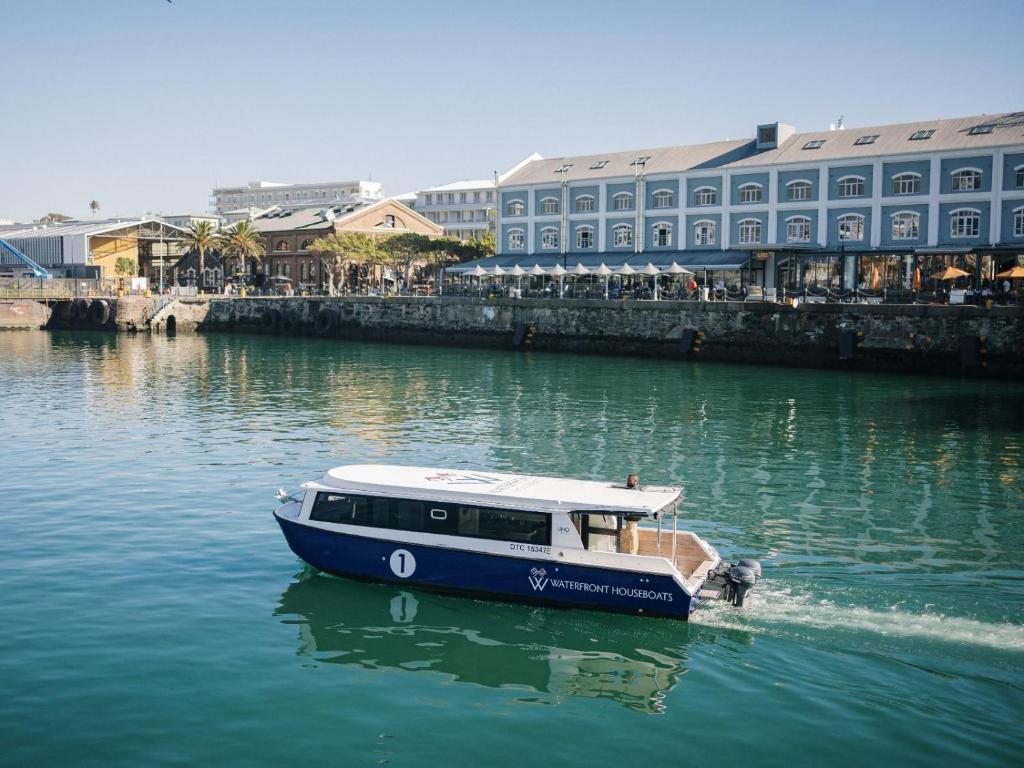
Cities like Stockholm, Sydney, and San Francisco are already running electric ferries, proving their effectiveness. For Africa, Cape Town could lead the way as a pioneer, demonstrating how green water transport can support both urban mobility and tourism. By investing early, the city could strengthen its reputation as a global sustainability hub.
Conclusion
Electric ferry systems represent a clean, innovative way to modernise Cape Town’s water transport. While costs and infrastructure are challenges, the benefits of reduced emissions, lower noise, and enhanced tourism make them a compelling choice for the future. Cape Town has the sunshine, the harbour, and the vision – now it needs the will to set sail on a greener course.