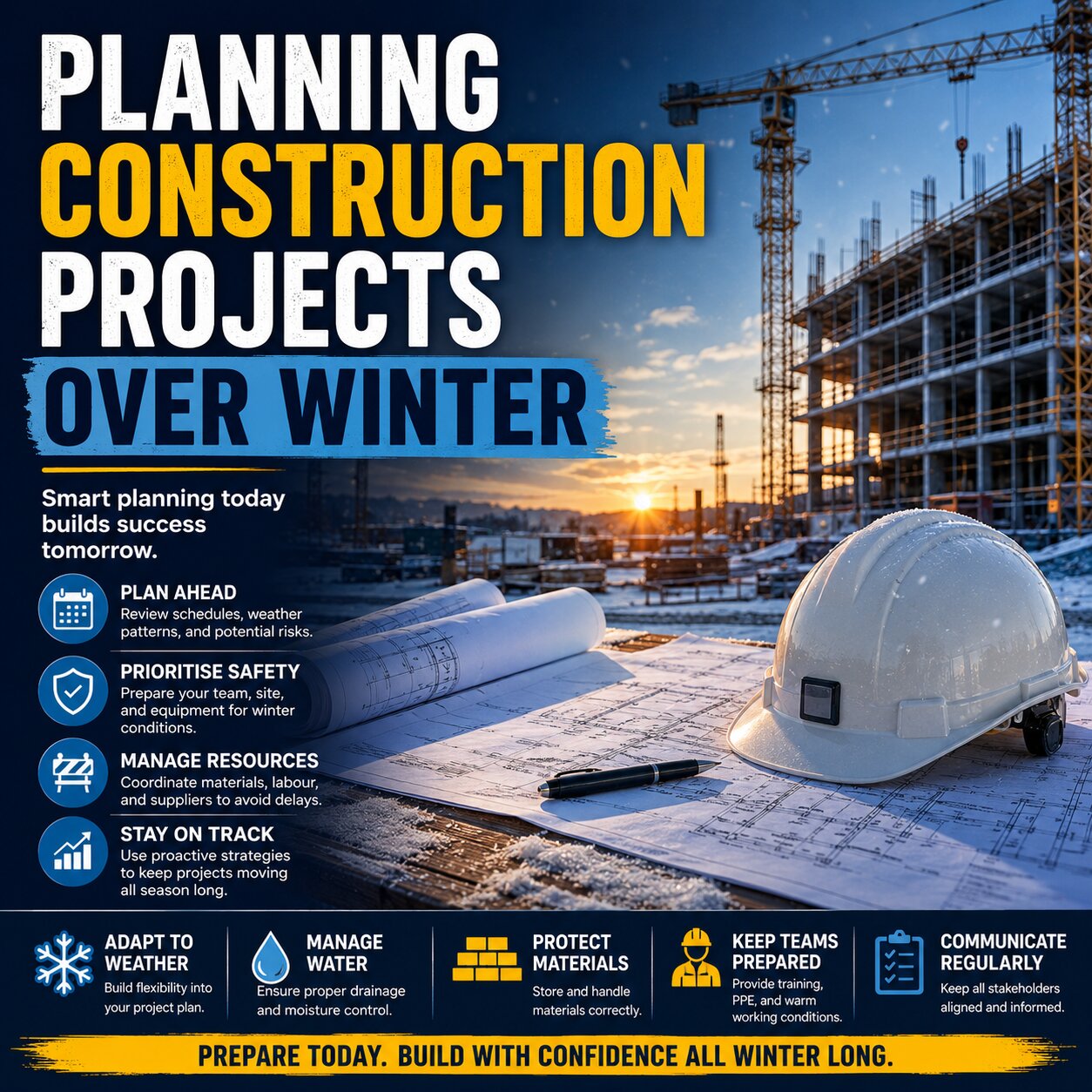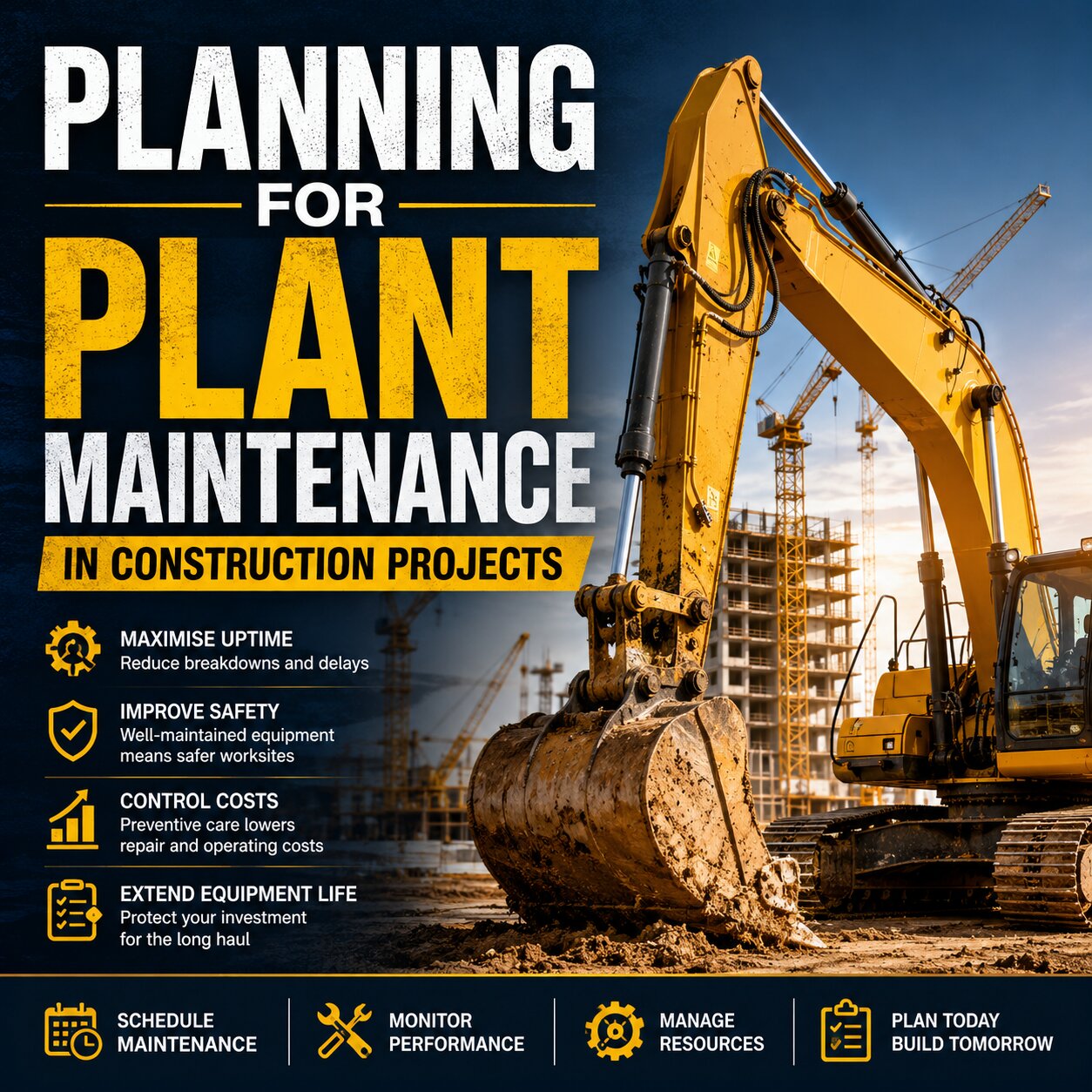
Construction projects rely heavily on machinery and equipment to keep operations running smoothly. From excavators and bulldozers to cranes and generators, every piece of plant equipment plays a critical role in meeting deadlines and maintaining productivity. Without proper maintenance planning, even a single equipment failure can lead to costly delays, increased expenses, and potential safety risks.
Planning for plant maintenance in construction projects helps organisations minimise downtime, extend equipment lifespan, and improve overall project efficiency. A proactive approach ensures machinery remains reliable throughout the project lifecycle while supporting operational and financial goals.
Why Plant Maintenance Planning Matters
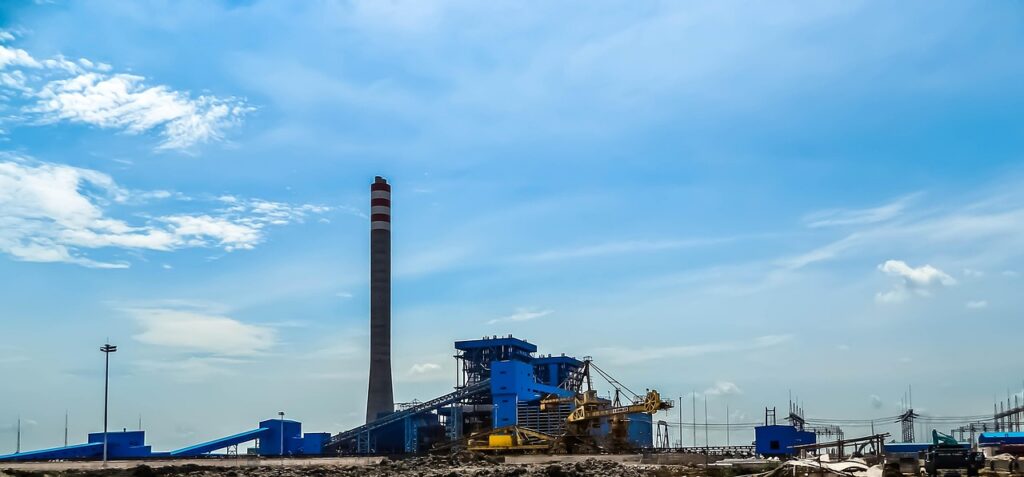
Plant equipment often operates under demanding conditions, including heavy loads, rough terrain, and extended working hours. These challenging environments increase wear and tear, making regular maintenance essential.
Effective maintenance planning allows project managers to identify potential issues before they become major problems. Scheduled inspections and servicing can uncover worn components, fluid leaks, or performance concerns that may otherwise result in unexpected breakdowns.
Maintenance planning also contributes to improved project scheduling. When servicing activities are planned in advance, teams can minimise disruptions and coordinate maintenance around critical construction activities.
In addition, well-maintained equipment typically consumes less fuel and operates more efficiently, helping to reduce operating costs throughout the project.
Building A Reliable Maintenance Strategy
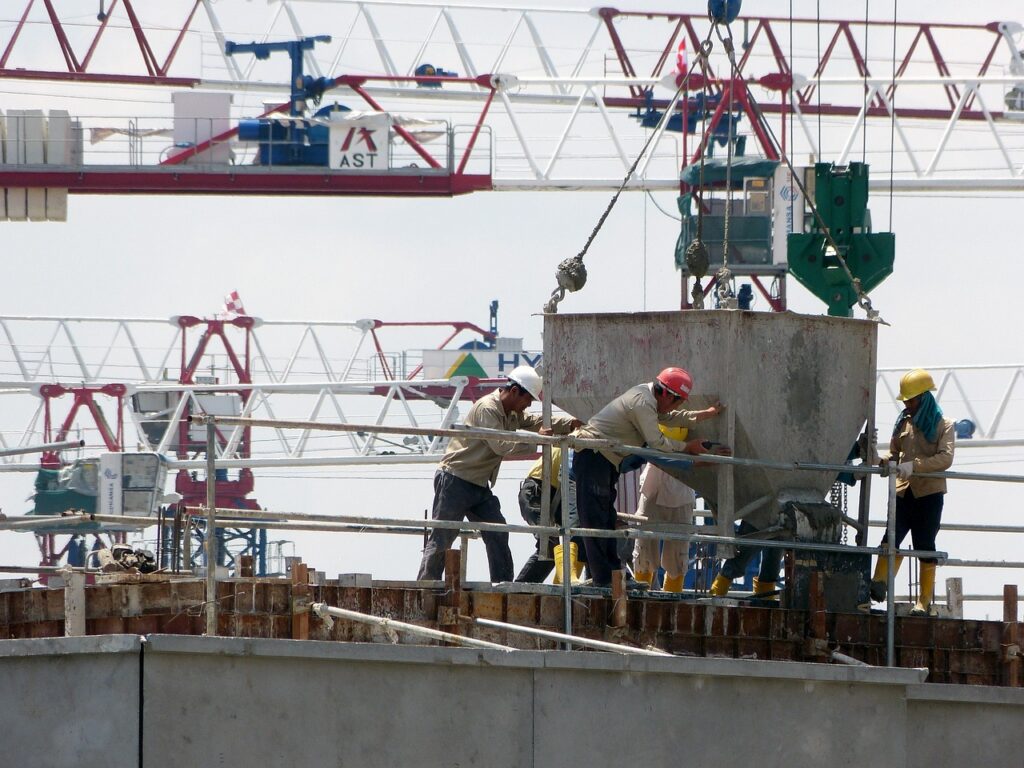
A successful maintenance strategy begins with understanding the specific requirements of each piece of equipment. Manufacturers provide recommended service intervals that should form the foundation of any maintenance programme.
Project teams should maintain detailed maintenance records that track inspections, repairs, parts replacements, and servicing schedules. These records provide valuable insights into equipment performance and future maintenance needs.
Preventive maintenance should be prioritised over reactive repairs whenever possible. Addressing minor issues early often prevents more extensive and expensive failures later.
Communication between operators, maintenance personnel, and project managers is equally important. Operators are frequently the first to notice unusual noises, vibrations, or performance changes that may indicate developing problems.
Key Elements Of Effective Plant Maintenance Planning
A comprehensive plant maintenance plan should include:
- Scheduled inspections and servicing intervals
- Equipment condition monitoring procedures
- Spare parts inventory management
- Maintenance resource allocation
- Operator reporting processes
- Safety inspection requirements
- Maintenance record keeping and reporting
- Emergency repair procedures
These elements help ensure maintenance activities are organised, consistent, and aligned with project objectives.
Using Technology To Improve Maintenance Management
Modern construction projects increasingly rely on digital tools to support plant maintenance planning. Maintenance management software can automate service schedules, track equipment history, and generate alerts for upcoming maintenance requirements.
Telematics systems provide real-time data on equipment performance, fuel consumption, engine hours, and operating conditions. This information enables maintenance teams to make informed decisions based on actual equipment usage rather than fixed schedules alone.
Predictive maintenance technologies are also becoming more common. By analysing performance trends and sensor data, organisations can identify potential failures before they occur, reducing unplanned downtime.
Digital reporting systems further improve communication and accountability by providing clear visibility into maintenance activities across multiple project sites.
Keeping Projects Moving Forward
Planning for plant maintenance in construction projects is an investment in reliability, safety, and operational efficiency. By adopting a proactive maintenance strategy, construction companies can reduce downtime, control costs, and maximise equipment performance throughout the project lifecycle.
As construction projects continue to grow in complexity, effective plant maintenance planning remains a critical component of successful project delivery. Organisations that prioritise maintenance are better positioned to meet deadlines, improve productivity, and protect valuable equipment assets for years to come.