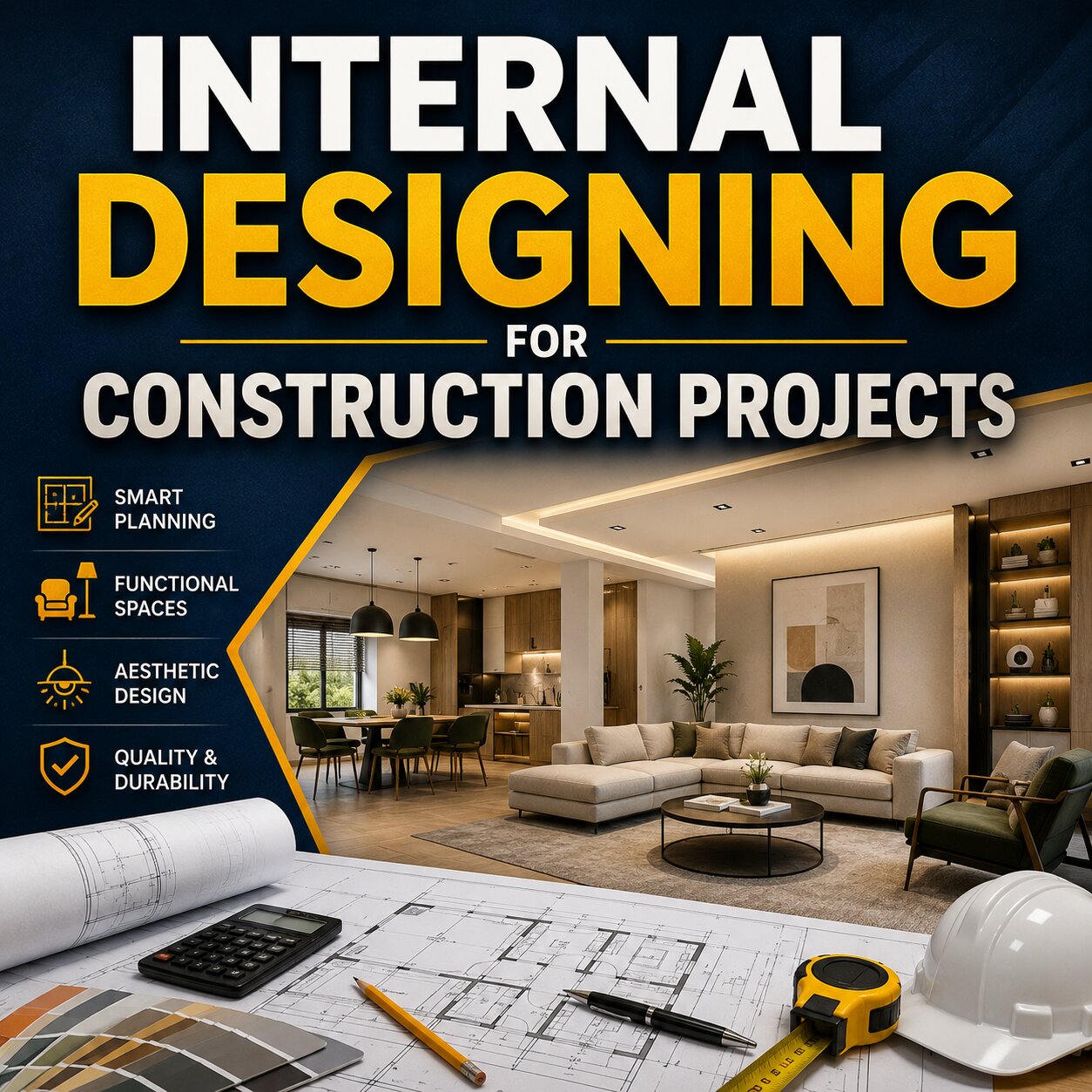
Internal designing for construction projects is a critical stage that shapes how a building functions, feels, and performs once completed. While architectural plans establish the structure and layout, internal designing for construction projects focuses on creating practical, comfortable, and visually appealing spaces for occupants. Effective interior planning ensures that every room serves its intended purpose while supporting safety, efficiency, and long-term value.
As construction projects become more complex, internal designing for construction projects has evolved into a collaborative process involving architects, engineers, contractors, and interior design specialists. Together, they create environments that balance aesthetics with functionality.
The Importance Of Internal Designing For Construction Projects
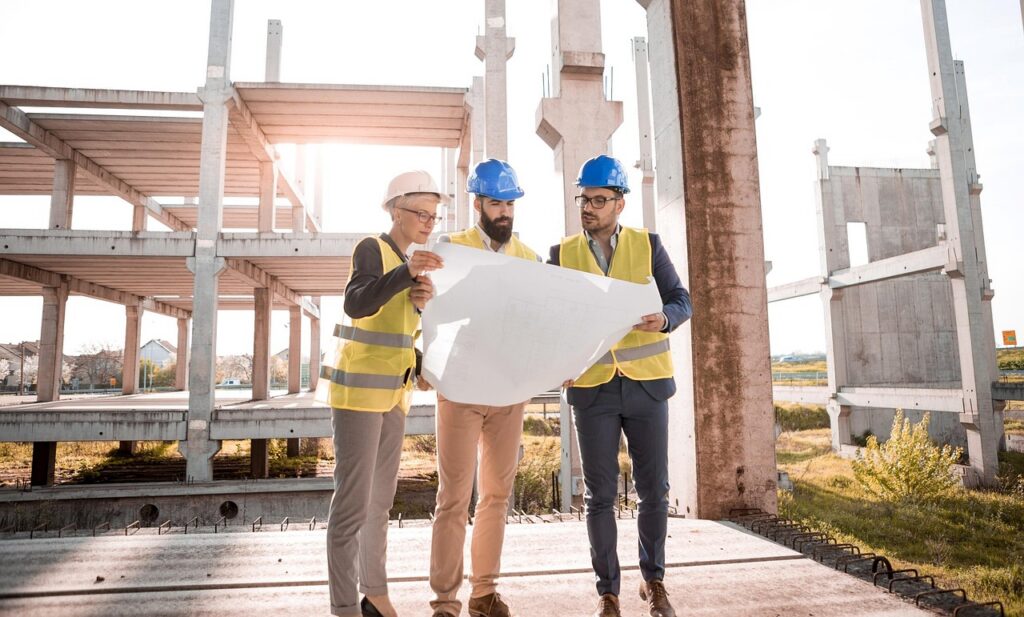
Internal designing for construction projects influences far more than appearance. It directly affects how people move through a building, interact with spaces, and utilise available resources.
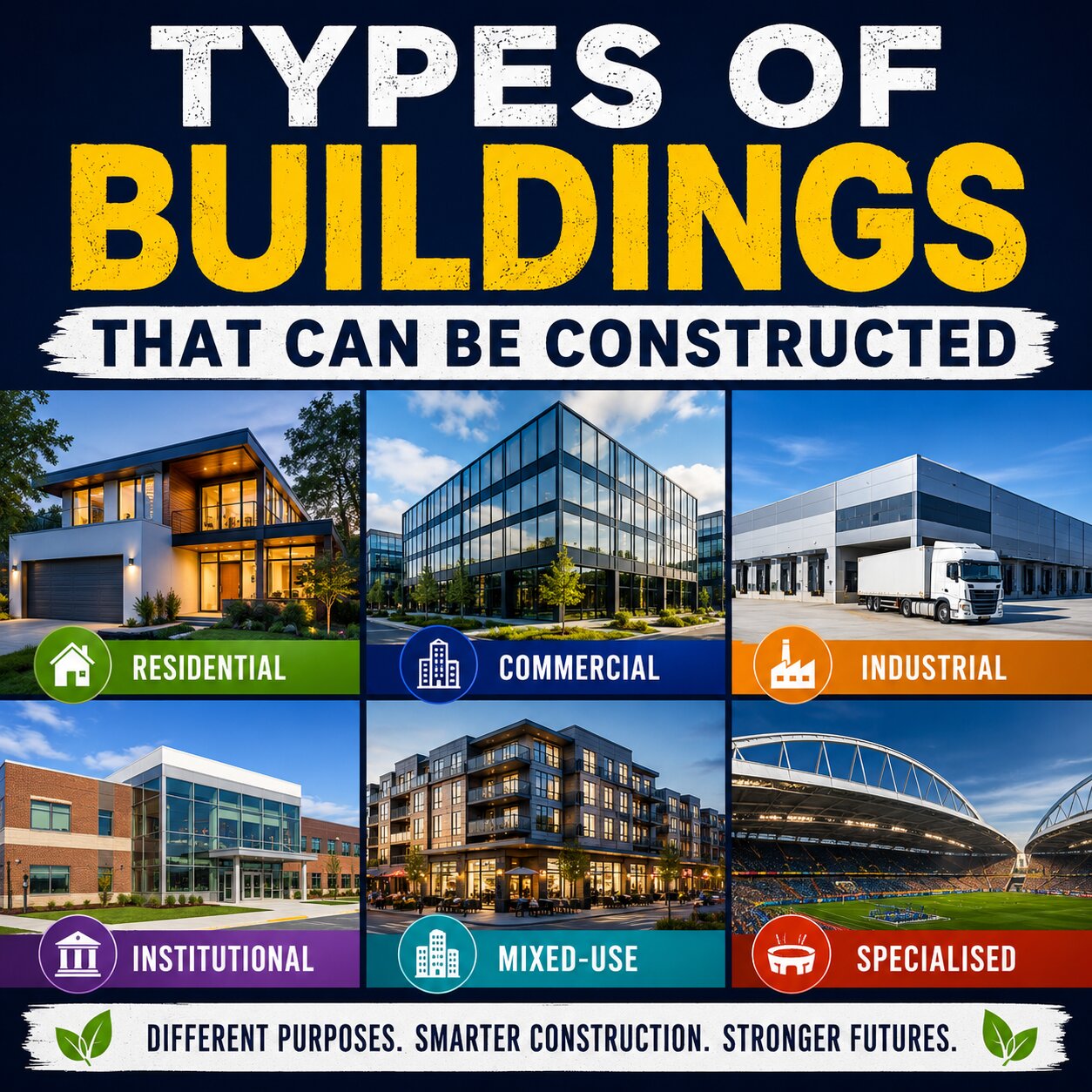
Good design decisions made during the planning phase can improve productivity, increase occupant satisfaction, and reduce future renovation costs. Whether the project involves residential housing, commercial offices, healthcare facilities, or industrial buildings, thoughtful interior design contributes significantly to overall success.
By integrating interior planning early in the construction process, project teams can identify potential challenges before they become costly issues during construction.
Planning Functional Interior Spaces
One of the primary goals of internal designing for construction projects is creating functional spaces that support daily activities. Designers evaluate room layouts, circulation routes, furniture placement, storage requirements, and accessibility needs.
Effective space planning ensures that occupants can move comfortably throughout the building while maintaining operational efficiency. This is particularly important in commercial and public facilities where large numbers of people use the same environment.
Internal designing for construction projects also considers future flexibility. Buildings that can adapt to changing needs often provide greater long-term value for owners and occupants.
Key Elements Of Internal Design Planning
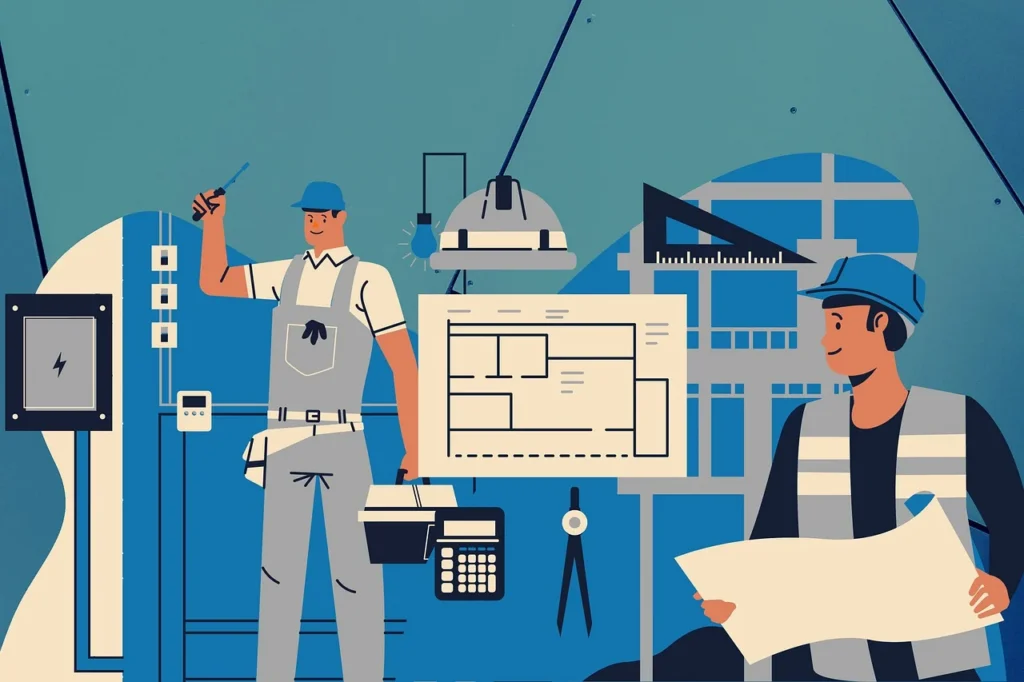
Several important factors contribute to successful internal designing for construction projects.
These include:
- Space utilisation and room layouts
- Lighting design and natural light integration
- Ventilation and indoor environmental quality
- Material selection and durability
- Accessibility and universal design principles
- Acoustic performance and noise control
- Safety and regulatory compliance
Addressing these elements during the design phase helps ensure that construction proceeds smoothly while meeting user expectations.
Technology And Modern Interior Design

Technology plays an increasingly important role in internal designing for construction projects. Building Information Modelling (BIM) allows designers, engineers, and contractors to collaborate using detailed digital models before construction begins.
These tools help visualise interior spaces, identify clashes between building systems, and optimise layouts before physical work starts. Virtual walkthroughs also allow clients and stakeholders to review designs and suggest modifications early in the project lifecycle.
Smart building technologies are becoming another important consideration. Modern internal designing for construction projects often incorporates automated lighting, climate control systems, and integrated communication networks.
Creating Spaces That Deliver Long-Term Value
Internal designing for construction projects is about much more than selecting finishes and furnishings. It is a strategic process that influences functionality, efficiency, comfort, and long-term performance throughout a building’s lifespan.
By focusing on user needs, operational requirements, and future adaptability, internal designing for construction projects helps create spaces that support occupants while maximising the return on construction investment. Successful interior planning ultimately contributes to buildings that remain effective, attractive, and valuable for years to come.