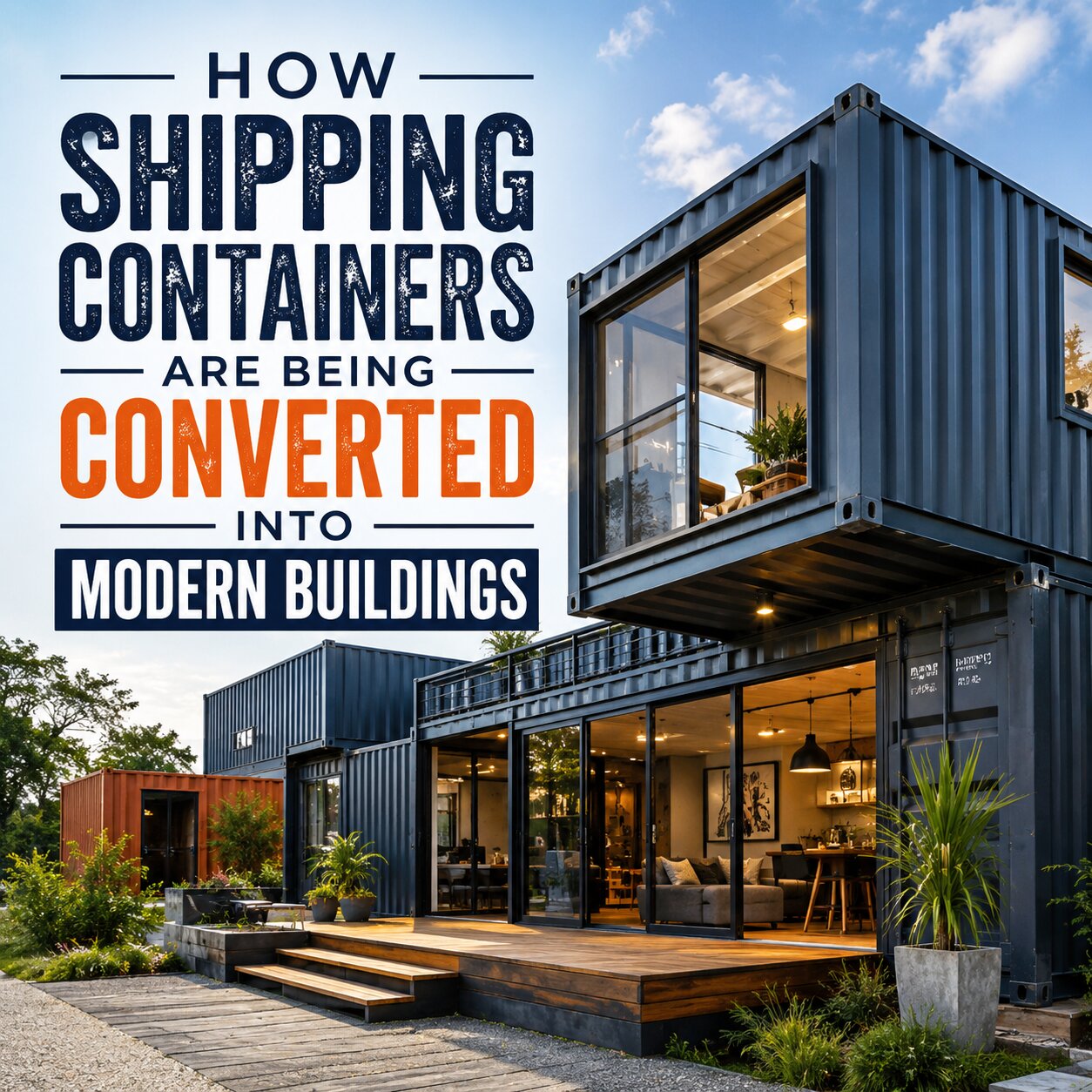
Shipping containers were once designed solely for transporting goods across oceans and continents. Today, they are finding a second life as homes, offices, retail spaces, and even educational facilities. The growing interest in sustainable construction and innovative building methods has helped container-based structures gain popularity around the world.
Modern construction companies, architects, and property developers are increasingly exploring container conversions as a practical alternative to traditional building methods. While the concept may seem unconventional, shipping containers offer unique advantages that make them suitable for a wide range of projects.
As technology and design techniques continue to evolve, container construction is becoming an increasingly viable option for both residential and commercial developments.
Why Shipping Containers Appeal To Builders
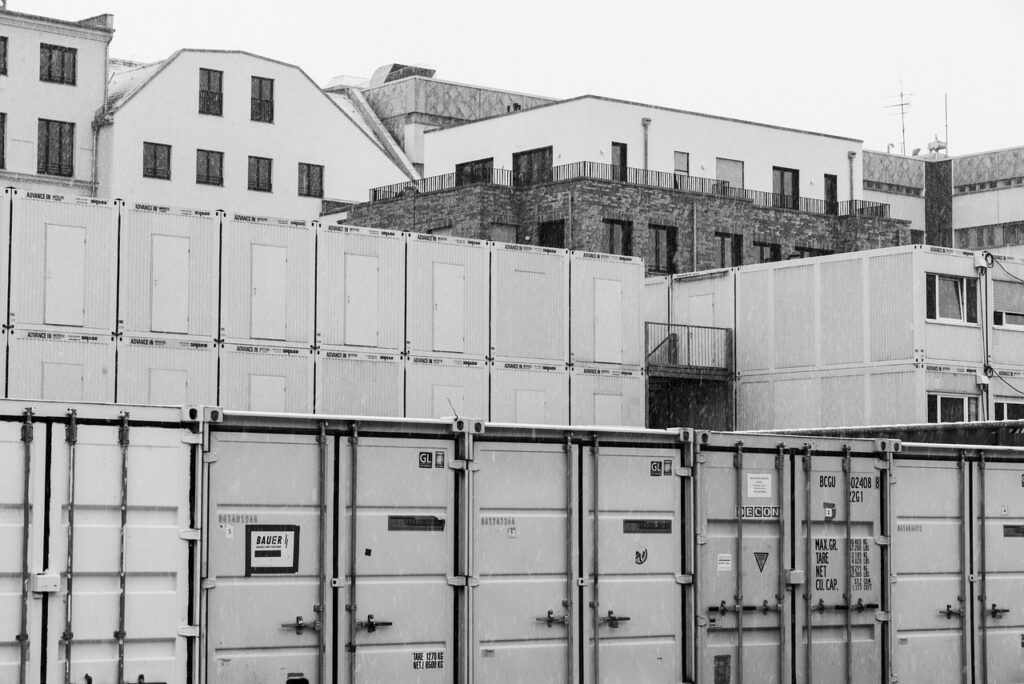
One of the primary reasons shipping containers are being converted into buildings is their structural strength. Designed to withstand harsh marine environments and heavy loads, containers provide a durable framework that can support various construction applications.
Another advantage is availability. Millions of containers are manufactured worldwide, and many eventually reach the end of their shipping life. Repurposing these units allows builders to reduce waste while creating functional structures from existing materials.
Container projects can also be completed more quickly than some traditional builds. Since the primary structure already exists, construction teams can focus on modifications, insulation, utilities, and finishing work rather than constructing the entire framework from scratch.
Popular Uses For Container Buildings
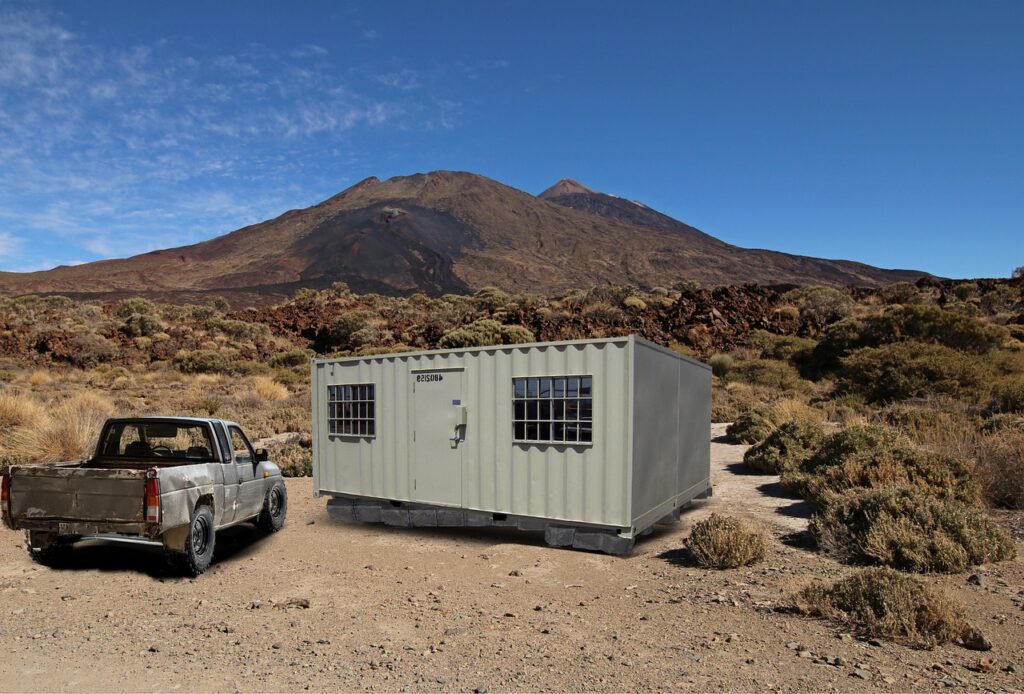
Shipping containers can be adapted for a surprising variety of purposes. Their modular nature allows designers to combine multiple units into larger and more complex structures.
Common applications include:
- Residential homes
- Student accommodation
- Site offices
- Retail stores and cafés
- Educational facilities
- Emergency housing
- Medical clinics
- Tourism and hospitality projects
Many developers appreciate the flexibility offered by container construction. Units can often be expanded, relocated, or reconfigured as project requirements change.
Key Construction Considerations
While container buildings offer numerous benefits, successful projects require careful planning and professional expertise. Proper insulation is essential, particularly in regions that experience extreme temperatures. Without adequate thermal protection, steel containers can become uncomfortably hot or cold.
Ventilation is equally important. Modern designs typically incorporate windows, doors, and ventilation systems that improve airflow and create comfortable indoor environments.
Structural modifications must also be carefully engineered. Cutting large openings for doors, windows, or open-plan interiors can affect the container’s strength. Construction professionals must ensure that all alterations maintain the building’s structural integrity and comply with local regulations.
Utilities such as plumbing, electrical systems, internet connectivity, and renewable energy solutions should also be integrated during the planning stage to avoid costly changes later.
Sustainability Benefits Of Container Construction
One of the strongest arguments for container buildings is their contribution to sustainable construction practices. Repurposing existing steel containers reduces the demand for certain new building materials and helps extend the useful life of assets that might otherwise remain unused.
Many container projects also incorporate environmentally friendly features such as solar power systems, rainwater harvesting, energy-efficient lighting, and green roofing solutions. These additions can further improve the environmental performance of the building.
As sustainability becomes a greater priority throughout the construction industry, container conversions offer an opportunity to combine innovation with responsible resource management.
Building The Future With Creative Solutions
Shipping containers demonstrate how creative thinking can transform industrial materials into practical and attractive buildings. From compact homes to large commercial developments, container construction continues to challenge traditional ideas about how structures are designed and built.
While not every project is suitable for container conversion, the approach offers exciting possibilities for developers, architects, and property owners seeking flexible and sustainable building solutions. As construction technologies continue to advance, shipping containers are likely to remain an important part of the industry’s ongoing evolution.