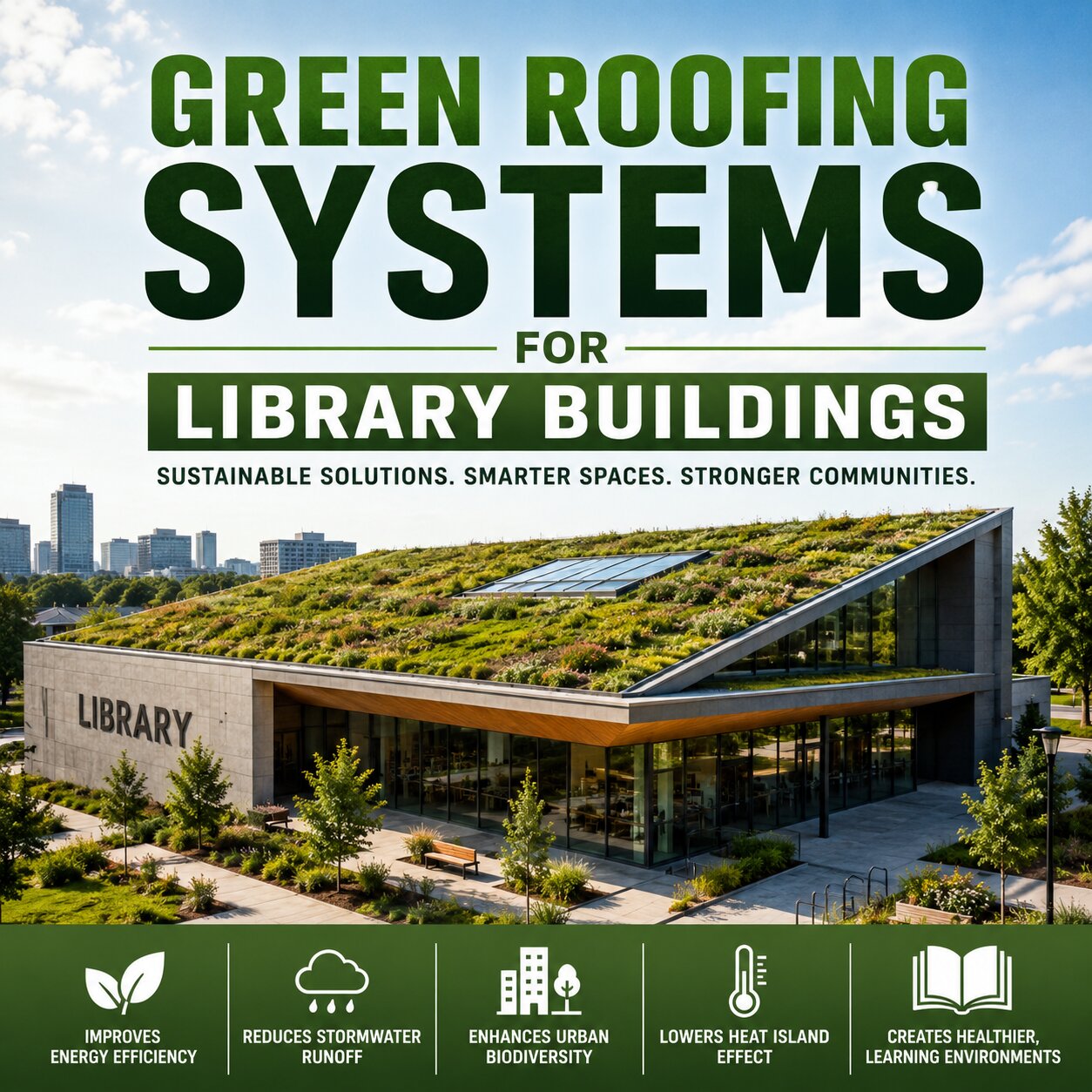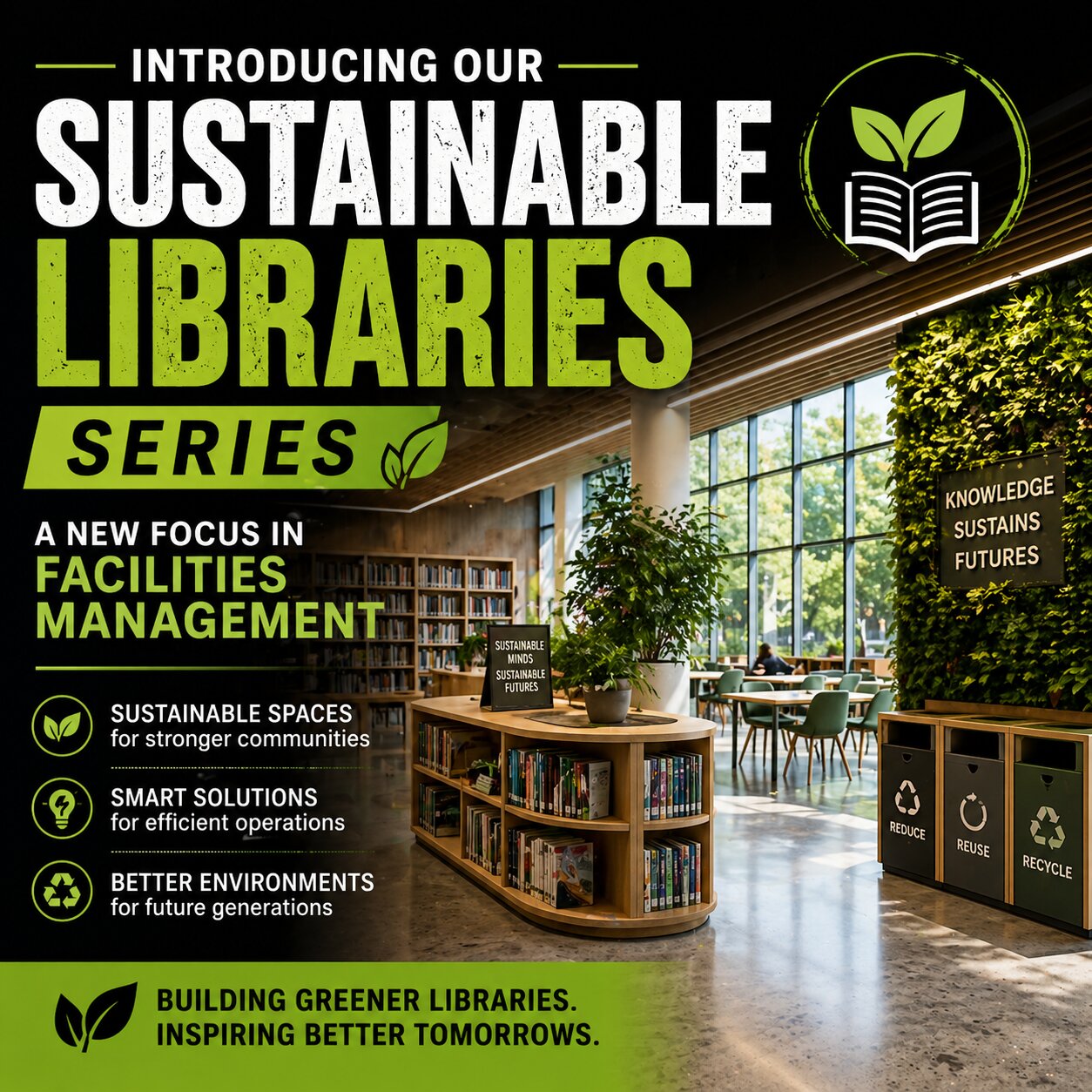
Sustainable Systems Technologies is expanding its Facilities Management content with a brand-new focus: Sustainable Libraries. This upcoming series will explore how libraries, both public and private, can evolve into environmentally responsible, energy-efficient, and future-ready spaces.
Libraries are no longer just quiet places filled with books. They are community hubs, digital access points, learning centres, and cultural landmarks. As their role expands, so does the responsibility to manage these spaces sustainably, ensuring they serve communities while reducing environmental impact.
Why sustainable libraries matter today

Modern libraries operate in a world where sustainability is no longer optional. Energy costs are rising, environmental regulations are tightening, and communities expect public spaces to reflect responsible practices. Libraries, as long-standing institutions of knowledge, are uniquely positioned to lead by example.
Sustainable libraries focus on reducing energy consumption, optimising water usage, improving indoor air quality, and integrating renewable energy solutions where possible. These changes not only lower operational costs but also create healthier, more comfortable environments for visitors and staff.
From retrofitting older buildings to designing new eco-friendly spaces, facilities management plays a critical role in ensuring that sustainability is not just a concept but a practical, measurable outcome.
What the Sustainable Libraries series will cover
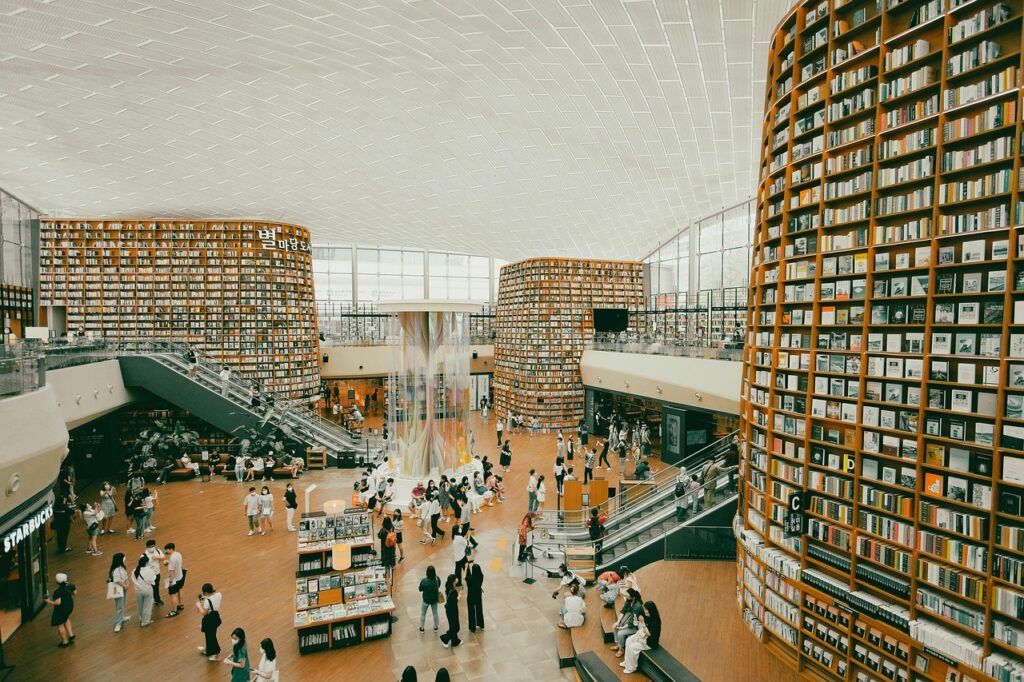
This new content series will provide actionable insights for property managers, facility teams, and decision-makers responsible for library operations. The goal is to bridge the gap between sustainability theory and real-world implementation.
Topics will include:
- Energy-efficient lighting and HVAC systems for libraries
- Smart monitoring systems for occupancy and resource usage
- Sustainable building materials and retrofit strategies
- Waste reduction and recycling programmes
- Water conservation solutions for large public facilities
- Digital transformation and paperless systems in libraries
- Maintenance strategies that support long-term sustainability
Each article will focus on practical solutions that can be implemented across different types of library environments, from small community centres to large metropolitan institutions.
The role of facilities management in library sustainability

Facilities management sits at the core of any successful sustainability initiative. In library environments, this includes overseeing infrastructure, managing maintenance schedules, and ensuring systems operate efficiently over time.
By integrating smart technologies and data-driven decision-making, facilities managers can monitor energy use, detect inefficiencies, and optimise building performance. This proactive approach helps prevent costly issues while supporting long-term environmental goals.
The Sustainable Libraries series will highlight how facilities management professionals can take the lead in transforming traditional library spaces into modern, sustainable environments that meet the needs of today and tomorrow.
Building the future of knowledge spaces
As libraries continue to evolve, so must the way we design, manage, and maintain them. Sustainability is not just about reducing impact; it is about creating spaces that inspire, educate, and endure.
Our upcoming Sustainable Libraries series will guide you through this transformation, offering insights, strategies, and practical steps to help you future-proof your facilities. Whether you are managing a single library or an entire network, this series will provide the tools you need to move forward with confidence.